June and September are the safe answer, but the right time depends on what you want: the sea, the food, walking or simply peace. An honest guide to choosing your dates.
If you want one answer, it is this: the best time to visit Istria is from late May to the end of June, or in September. The sea is warm enough to swim, almost everything is open, the evenings are long and the crowds of high summer are either still to come or already gone. Ask people who live here and most will name September first.
But Istria is not only a beach destination, and the best time depends on why you are coming. Below we look at the year by purpose, then at the weeks worth avoiding. For a fuller picture of each month, read our Istria month-by-month guide.
When is the sea warm enough to swim?
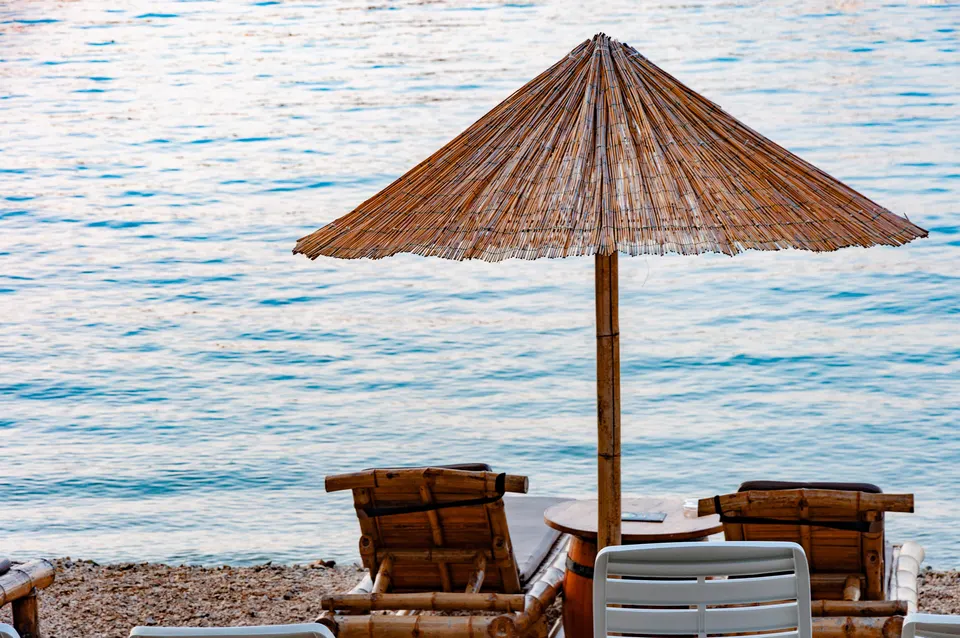
The Adriatic warms slowly. Most swimmers find it comfortable from about mid-June, and it stays warm through September, when it is often at its warmest after a whole summer of sun. July and August are reliable for swimming but also the busiest months. In May and October the sea is fresh: fine for a brave dip on a sunny day, less so for long afternoons on the rocks. Our guides to the best beaches in Istria and Cape Kamenjak will help you choose where.
The best time for food, wine and truffles
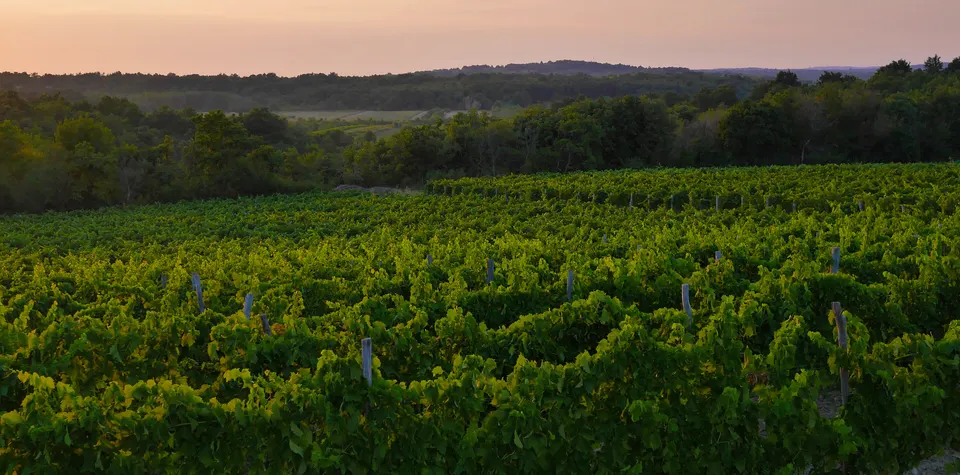
Food lovers should come in autumn. The grape harvest begins in September, the white truffle season in the oak forests of the Mirna valley runs through autumn, and later in the season the olive harvest brings the first green, peppery new oil. Inland restaurants change their menus, and weekend food events fill the calendar. Spring has its own treat: wild asparagus, picked from the scrub and cooked with eggs. See truffle season, Istrian olive oil, wild asparagus and the wines of Istria.
The best time for walking, cycling and the hill towns
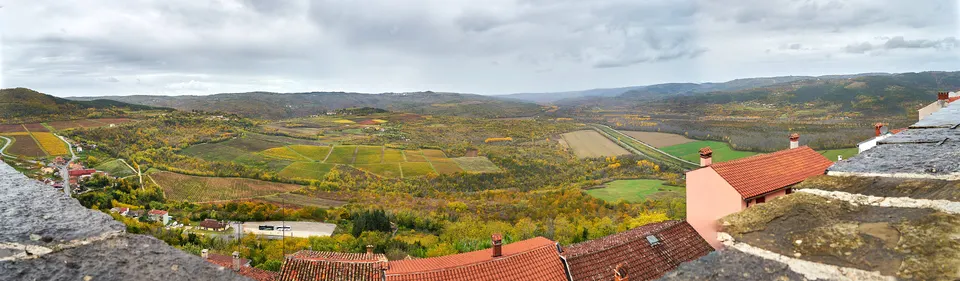
Spring, from April to early June, and autumn, from late September into November, are ideal. The heat of summer makes long walks and climbs uncomfortable in the middle of the day, while in the shoulder seasons the hills are green or golden, the light is soft and the trails are quiet. This is the time for hiking on Učka, cycling the Parenzana and slow days in towns like Motovun and Grožnjan.
Choose your dates by what you want to do, not by when everyone else is on holiday.
When should you avoid Istria?
There is no bad month, but there are weeks that suit some travellers badly. Knowing them helps you plan around them.
- Mid-July to late August, if you dislike crowds. School holidays across Europe overlap, the old towns are busy in the evenings, and you will need to book restaurants and boat trips ahead.
- Around 15 August. The Assumption is a public holiday in Croatia and the heart of the Italian summer break, Ferragosto. It is one of the busiest moments of the year on the coast.
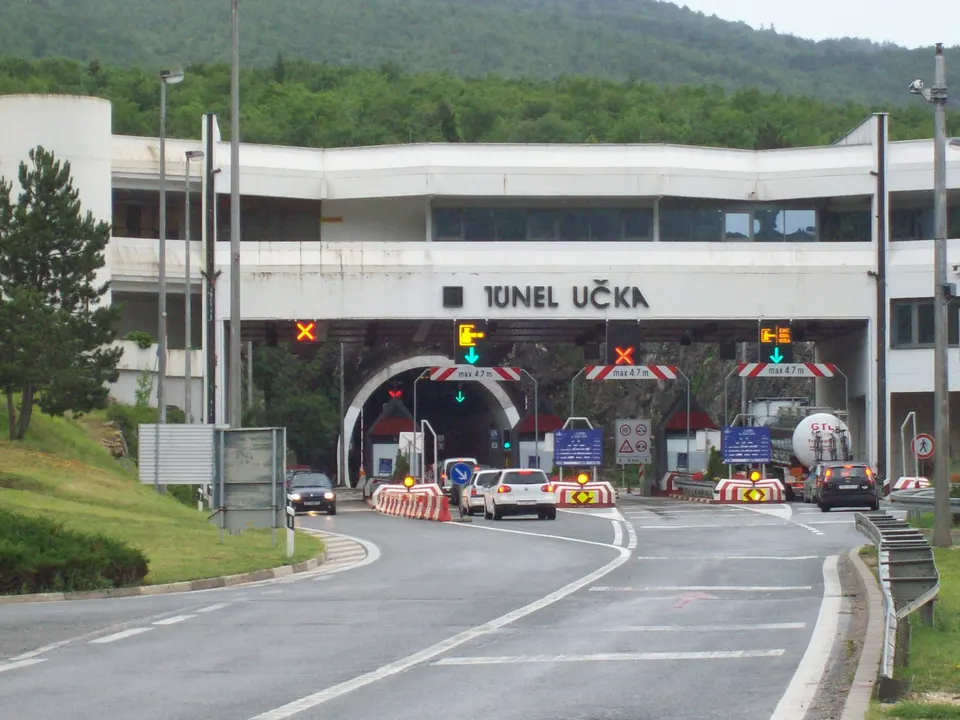
- Summer Saturdays on the road. Many holiday rentals change over on Saturdays, so border crossings, the motorways and the Učka tunnel are at their slowest. Travel midweek, early in the morning or in the evening if you can.
- Long weekends in spring. Holidays around Easter, Ascension, Whitsun and Corpus Christi bring visitors from Austria, Germany, Slovenia and Italy all at once. Pleasant, but book early.
- November to March, if you want a beach holiday. Many coastal hotels, campsites and restaurants close, and the sea is cold. Wonderful for a quiet stay, not for swimming.
What is Istria like in winter?
Quiet, often bright and occasionally wild. The bura, a dry and cold north-easterly wind, can blow for days and clear the sky to a deep blue; the jugo, a humid wind from the south-east, brings grey skies and rain. Late autumn tends to be the wettest part of the year. Towns such as Pula, Rovinj and Poreč stay lived in, with markets, cafés and churches serving residents, and December brings Advent lights. Pack a warm coat and choose accommodation with proper heating; for grey days, our rainy-day ideas are useful.
At a glance: the best time for each kind of trip
- Beach holiday with fewer crowds. Second half of June, or September.
- Family beach holiday. July and August, with an early start each day; see Istria with children.
- Food and wine. September to November.
- Walking and cycling. April to early June, late September to early November.
- Festivals and long summer nights. July and August; see festivals in Istria.
- Peace and local life. November to March.
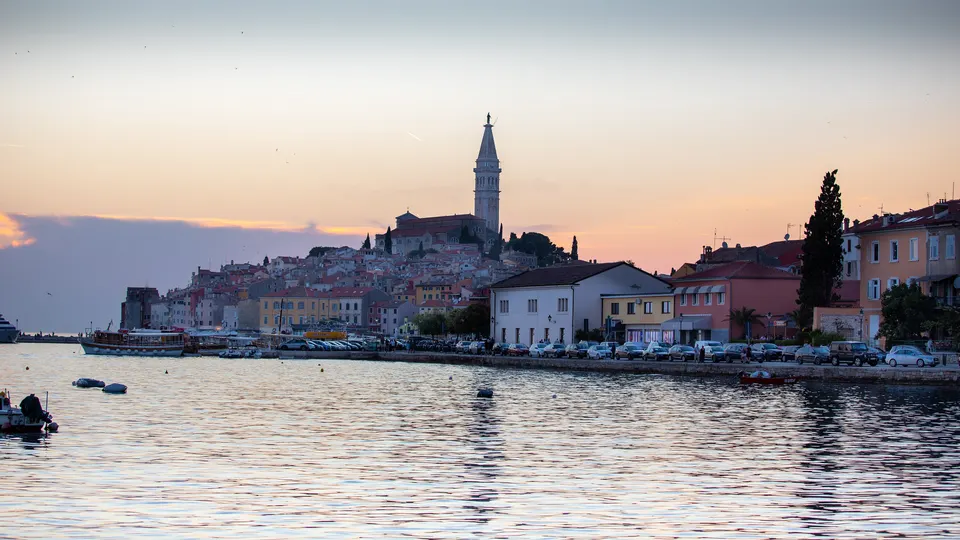
- Sunsets and photography. Spring and autumn, when the light is softer; see the best sunset spots.
Tips for planning your dates
- Check opening times out of season. Restaurants, museums and boat trips keep shorter hours from autumn to spring, and some close for weeks.
- Book the fixed points in summer. Accommodation, Brijuni boats and the best restaurant tables go first.
- Mix coast and interior. Whatever the month, plan at least one day inland. Our three-day and seven-day itineraries show how.
- Plan the journey too. Some flights and sea connections only run in summer; see getting to Istria.
Many people first come in August, fall for the place and return in May or October to see it differently. Some end up wanting to see the whole year, and start looking for a house of their own. If that is you, plan the house for every season too: shade and cool rooms for July, warmth and good light for January.