At the very tip of the peninsula, white rock, low macchia and dozens of coves. How to visit Kamenjak, where to swim and what to bring.
Istria ends in a long, low finger of stone pointing south into the Adriatic. This is Kamenjak, a protected landscape just beyond the village of Premantura, and for many people who know the peninsula well it is the best stretch of coast in Istria. There are no hotels on it, no promenades and very little shade. What there is instead is open sky, the smell of wild herbs, and one cove after another, each with water so clear you can see the stones on the bottom from the cliff above.
What is Kamenjak?
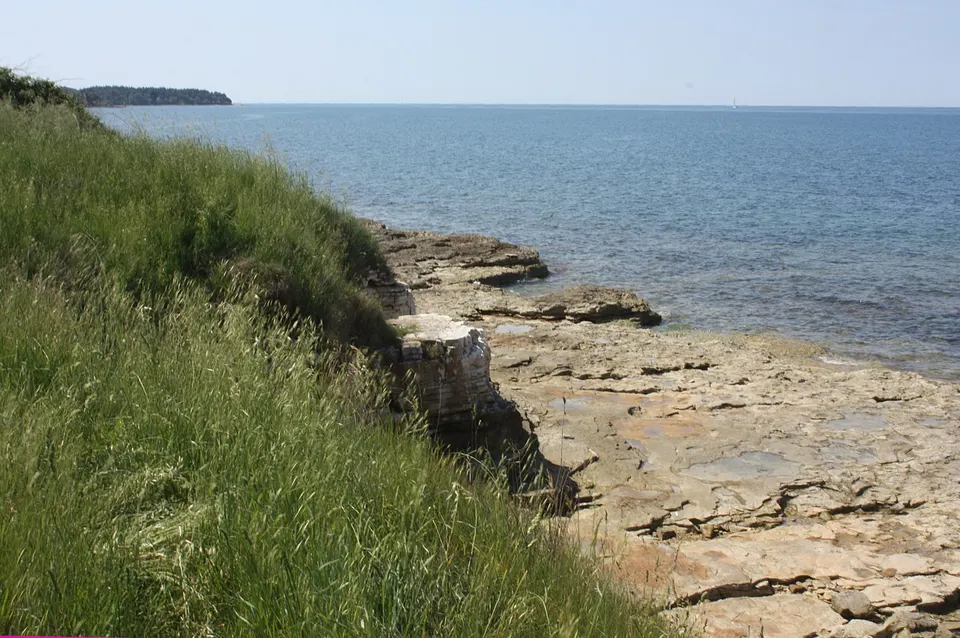
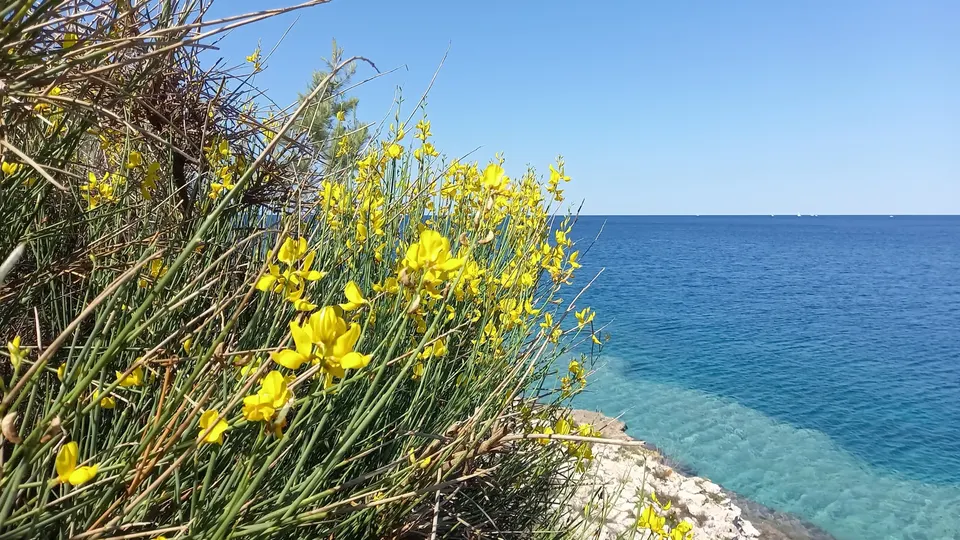
Donji Kamenjak, to give it its full name, is the southernmost tip of the Istrian peninsula, protected together with the nearby Medulin archipelago and managed by a public institution. The landscape is low and rocky, covered in macchia, juniper and patches of pine, with a coastline cut into small bays, points and flat limestone shelves. In spring the cape is known for its wild flowers, including many species of orchid, and botanists come here for the same reason that swimmers do in August: it has been left largely alone.
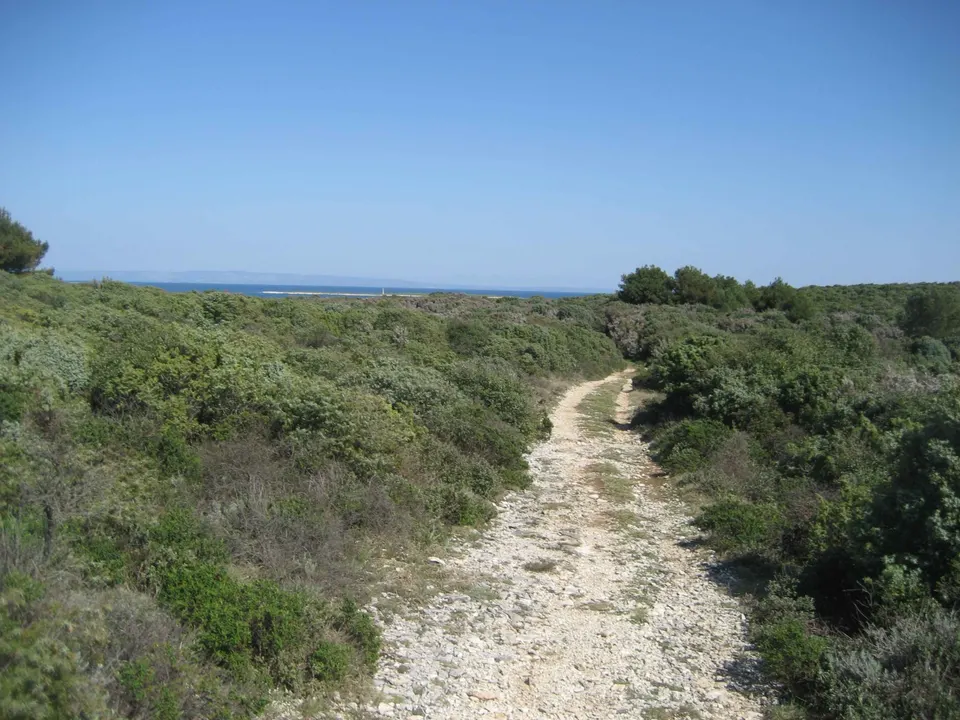
The cape is crossed by a network of unpaved tracks rather than proper roads. You can drive in during the season, cycle, or walk, and the further south you go the quieter it becomes.
Premantura, the gateway
Premantura is a small village a short drive south of Pula and Medulin, and the last settlement before the protected area. It is a practical place to stay if you want early mornings on the cape: a few shops, a bakery or two, rooms and apartments, and a lot of bicycles in summer. From the village the road turns into the entrance to Kamenjak, where in the main season there is an entry point for cars and scooters. Fees and opening arrangements change from year to year, so check the current rules before you go rather than relying on old information.
The best coves and what makes each one different
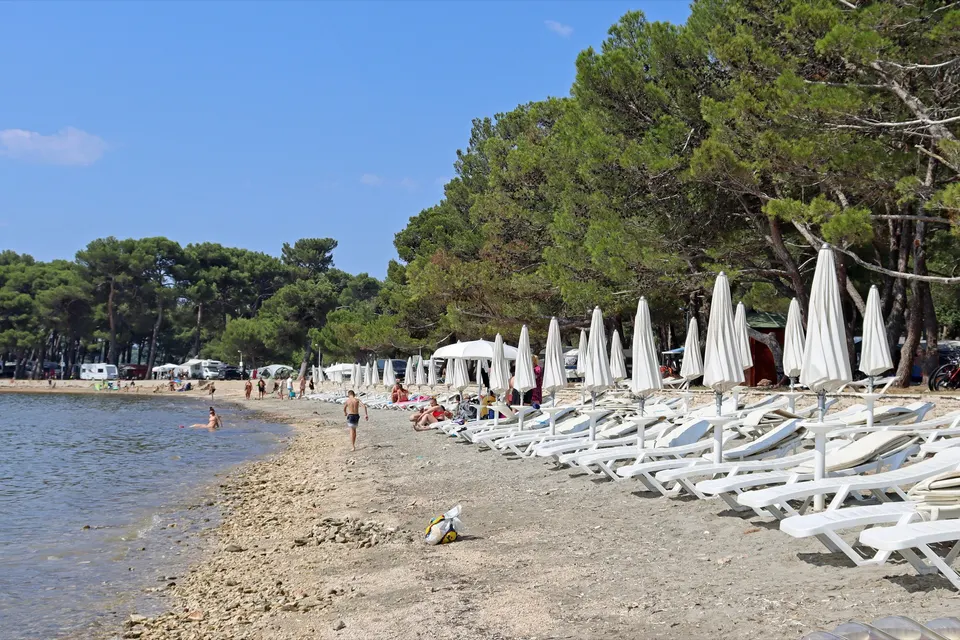
There is no single beach at Kamenjak, and that is the point. The western side of the cape tends to be calmer and better for swimming with children, with shallow shelves and small pebble coves. The southern tip is wilder, more exposed to the open sea and to currents, with higher rocks and deeper water close to the shore. On the eastern side the coast faces the Kvarner, with views across to the islands on a clear day.
- The western coves. Gentle entries, flat rocks for lying on, and the best choice for families and for snorkelling in calm weather.
- The cliffs at the southern tip. The famous spot for cliff jumping, near a sea cave. Only jump where you can see the depth clearly and never alone.
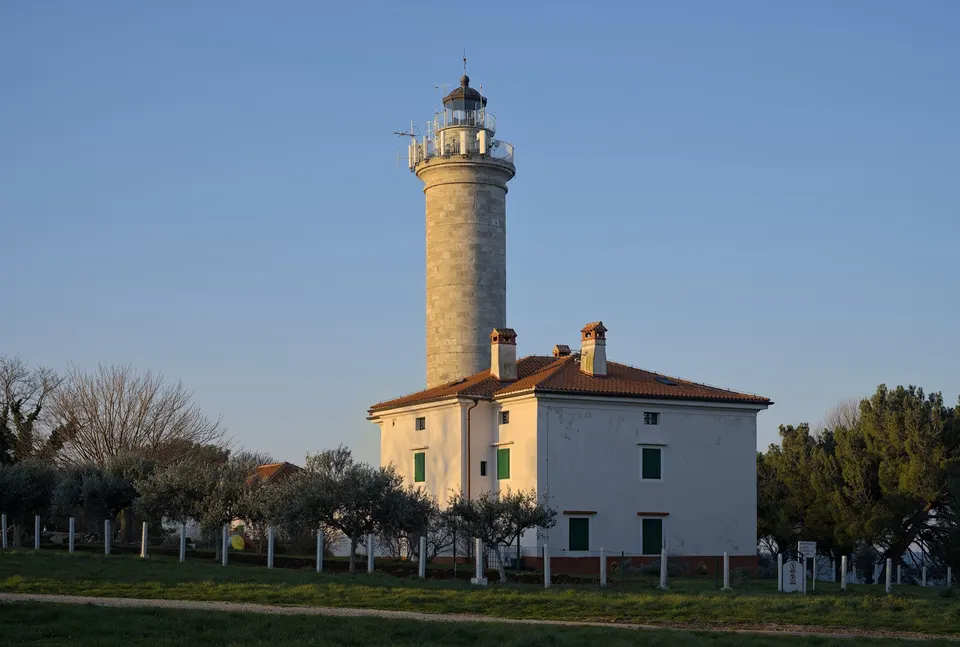
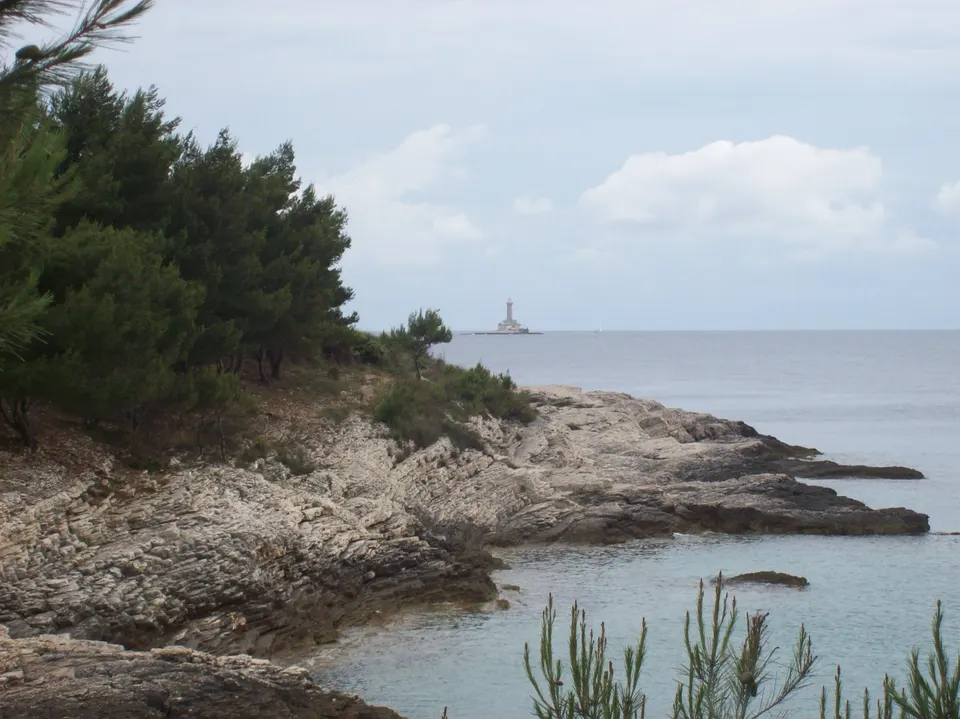
- Views of Porer. The lighthouse on the islet of Porer sits off the very end of the cape and is one of the most photographed sights in southern Istria.
- Mala and Vela Kolumbarica. The bays near the tip, dramatic when the wind pushes waves against the stone shelves.
There is no single beach at Kamenjak, and that is the point.
Dinosaurs, bunkers and a lighthouse
Kamenjak is more than a place to swim. Fossilised dinosaur footprints have been found in the limestone of southern Istria, and on the cape you will find signs pointing to them and to the stories around them. Old military positions and small bunkers are scattered through the macchia, reminders that this exposed tip of land was once watched carefully. And then there is Porer, a single lighthouse tower on a tiny islet, which gives the horizon its focal point at sunset.
When to go
July and August are the busiest months, and on hot afternoons the most accessible coves fill up. Come early in the morning, or late in the afternoon when the light softens and the day visitors begin to leave. June and September are the best months for most people: the sea is warm, the tracks are quieter and the heat is easier to bear on a landscape with very little shade. In spring the cape is at its greenest and full of flowers, and it is a beautiful place to walk long before the water is warm enough to swim.
Pay attention to the wind. When the bura or the jugo blows, the southern tip can be rough, and even strong swimmers should stay in the sheltered coves. Currents around the point can be stronger than they look from the shore.
Good to know before you go
- Shade. There is very little. Bring an umbrella or arrive early enough to claim a spot under the pines.
- Water. Carry more than you think you need. Facilities on the cape are few and seasonal.
- Shoes. The tracks are rough and the shore is rock and pebble. Sandals with a good sole, and water shoes for the sea.
- Tracks. The roads are unpaved and dusty. Drive slowly, and expect cyclists and walkers around every bend.
- Nature. It is a protected landscape. Stay on existing tracks, take your rubbish with you and do not pick the flowers.
- Fire. Summer is dry and the vegetation burns easily. No fires, no barbecues, and be careful with cigarettes.
How to fit Kamenjak into a stay in southern Istria
Kamenjak combines easily with the rest of the south. Spend the morning on the cape, have lunch in Premantura or Medulin, and drive into Pula in the evening for the Arena and the old town; our guide to Pula beyond the Arena has ideas for that part of the day. If you want to compare the cape with the rest of the coast, the best beaches in Istria goes around the peninsula from Savudrija to Rabac.
And if you are lucky enough to have a house in the south, Kamenjak is the reason to keep a cool box, a folding chair and a pair of water shoes permanently by the door. The best days here are unplanned ones: an hour on the rocks before breakfast, or a last swim when the sun drops behind Porer.