A short introduction to the grapes, the places and the habits that make Istrian wine so distinctive.
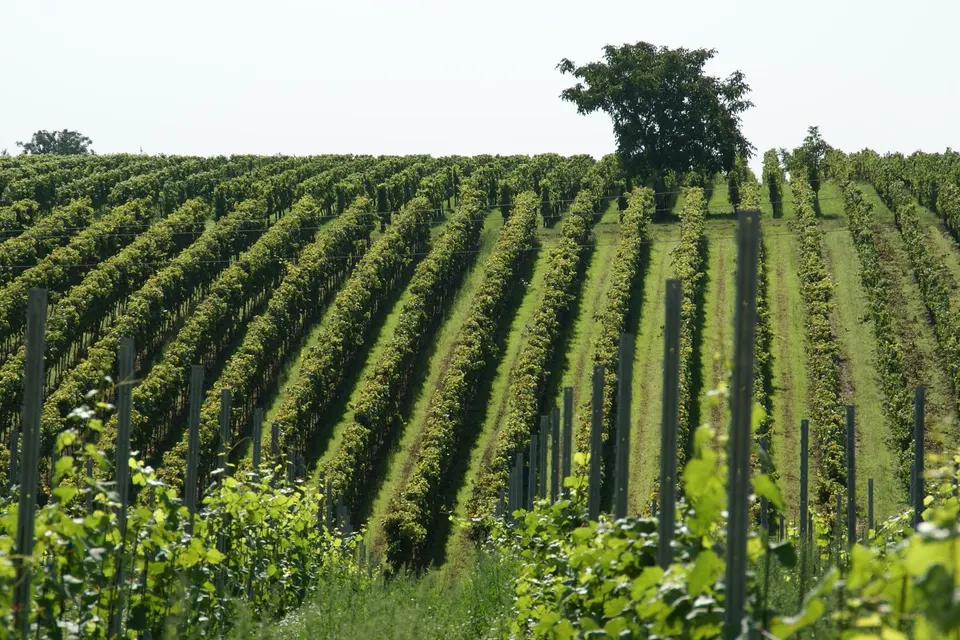
Wine has been made in Istria since antiquity, and today the peninsula is one of the most exciting small wine regions in the Mediterranean. Family estates sit along signposted wine roads from the coast to the hills of the interior, and many of them welcome visitors for tastings in their cellars and courtyards.
Malvazija istarska
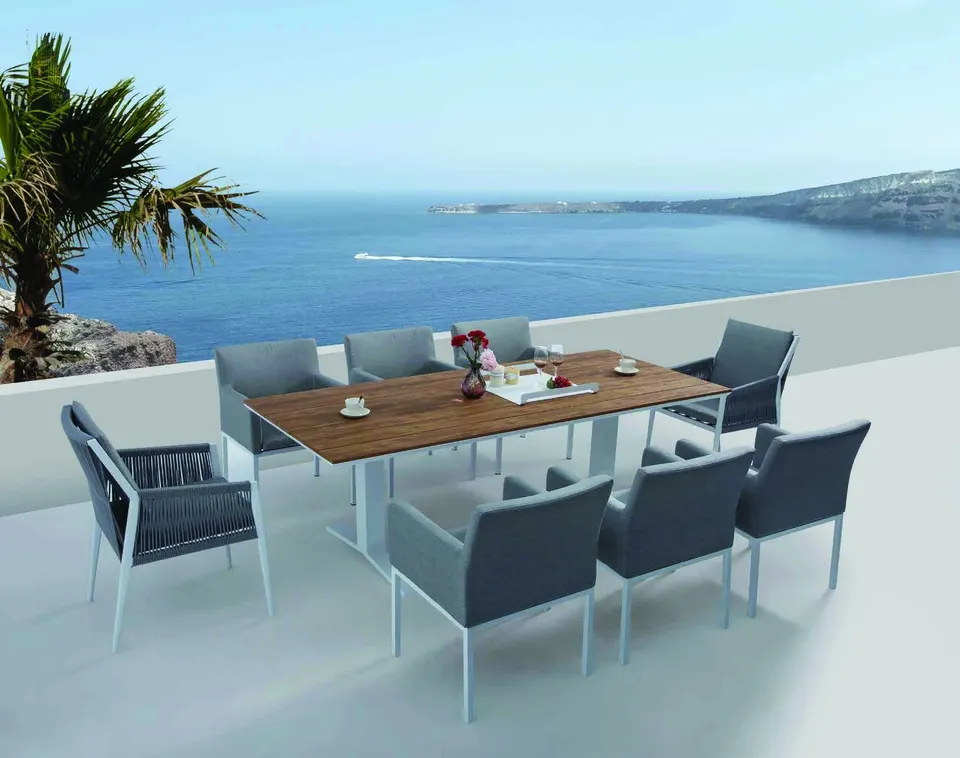
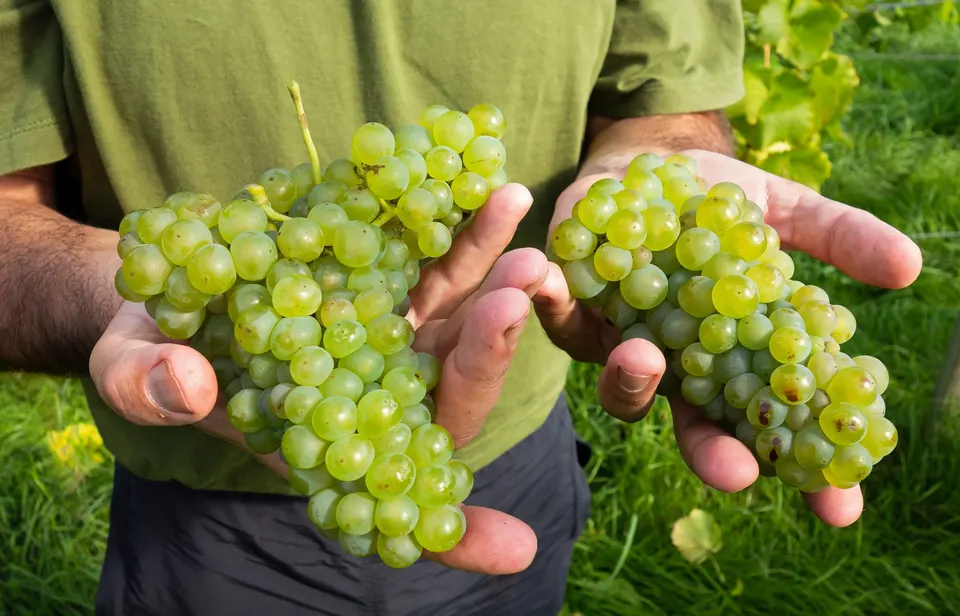
The signature grape of Istria is Malvazija istarska, a white variety that can be made in many styles. Fresh and young, it is light, floral and perfect with seafood on a summer terrace. Aged in wood or in acacia barrels, or macerated on its skins, it becomes rich, textured and complex, a wine to take seriously at the dinner table.
Teran
Teran is the region's characteristic red: deep in colour, high in acidity, with dark fruit and a wild, iron-like edge. It is wonderful with Istrian food, especially with cured meats, game and truffle dishes. Producers have learned to tame its acidity, and the best examples are elegant and age well.
Muškat and others
Around Momjan in the north-west, the Muškat momjanski is a fragrant, often sweet white with a long local tradition. You will also find international varieties such as Merlot, Cabernet Sauvignon and Chardonnay, frequently in blends with the local grapes.
Fresh Malvazija on a terrace; aged Malvazija at the dinner table.
Supa: an old Istrian habit
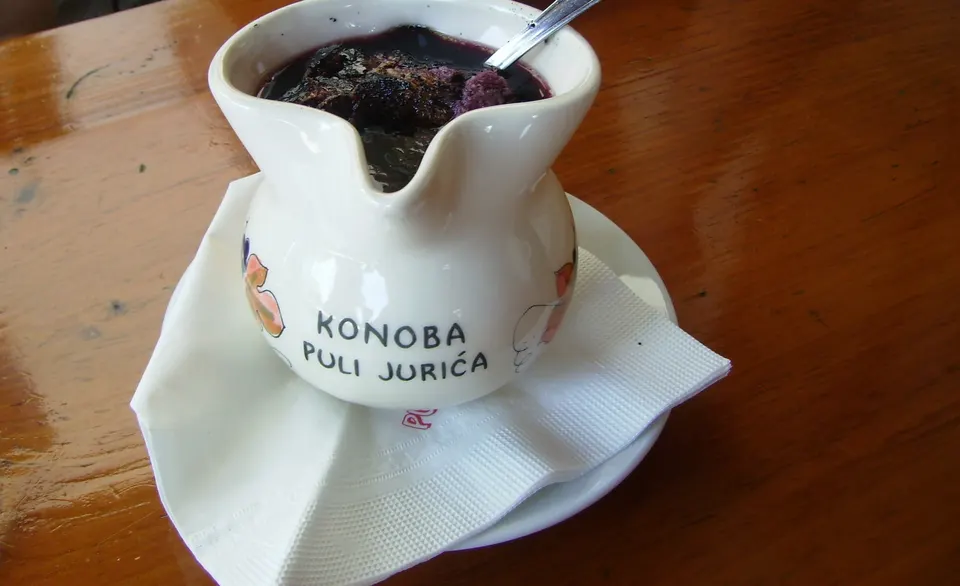
In older Istrian households you may come across supa: red wine, usually Teran, warmed and mixed with olive oil, a little sugar and pepper, served in a traditional jug called a bukaleta and shared from the middle of the table, with toasted bread dipped in. It is as much a ritual as a drink, and if anyone offers it to you, accept.
Visiting
Most estates prefer that you call or write ahead, especially outside the summer. Autumn, with the harvest and the first young wines, is a lovely time to go. And if you are planning a house with room for a wine store, think about it early: a cool, dark, stable space is the best investment any wine lover in Istria can make.
Two kinds of soil
Istrian winemakers talk constantly about soil, and for good reason. The peninsula is often described as having three colours: the red soil of the coastal limestone plateau, the grey flysch of the interior hills, and the white stone that lies beneath it all. Red soils tend to give wines of warmth and generosity; the grey, marly hills of the interior give tension, minerality and freshness. The same grape grown in two places can taste like two different wines, which is part of what makes visiting several estates so rewarding.
Pairing wine with Istrian food
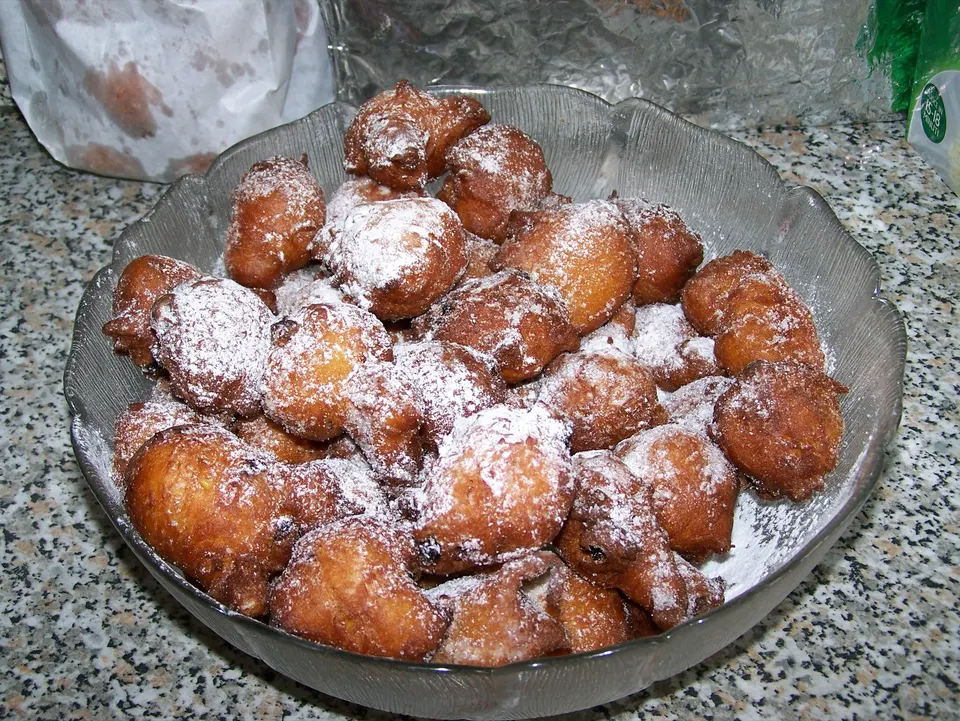
Fresh Malvazija is the natural partner for the coast: grilled fish, shellfish, scampi, light pasta with seafood. Richer, aged or skin-contact Malvazija stands up to truffle pasta, white meat and mature cheeses. Teran loves fat and salt, so serve it with pršut, sausages, boškarin beef and game. Muškat goes beautifully with fritule and other simple pastries. None of these rules are strict; Istrians mostly drink what is open and what the neighbour brought.
A cellar at home
If you are building or restoring a house, a small cellar or wine room is one of the most satisfying spaces you can add. It needs a stable, cool temperature, reasonable humidity, darkness and stillness. Old stone houses often have a semi-underground room that already does most of this. Simple wooden racking, a tasting table and good low lighting can turn it into the room guests remember. Made-to-measure racks can follow irregular stone walls and vaulted ceilings in a way that standard units never will.