A narrow-gauge line that once linked Trieste and Poreč is now a gravel path through tunnels, over viaducts and past hilltop towns. How to ride it.
For a few decades at the start of the twentieth century, a small steam train wound its way from Trieste to Poreč, climbing around hills, crossing valleys on stone viaducts and stopping at villages that had never been connected to anything faster than a cart. The line was called the Parenzana, after the Italian name for Poreč, Parenzo. It did not last long, but its route survived, and today it is one of the most beautiful cycling paths in this part of Europe.
A short history of the line
The narrow-gauge railway opened in 1902, when Istria was part of the Austro-Hungarian Empire. It carried passengers, wine, olive oil, salt and other goods between the inland villages and the ports. The line was never profitable, and after the First World War, under Italian administration, competition from road transport grew. It closed in 1935, and the rails were removed soon afterwards.
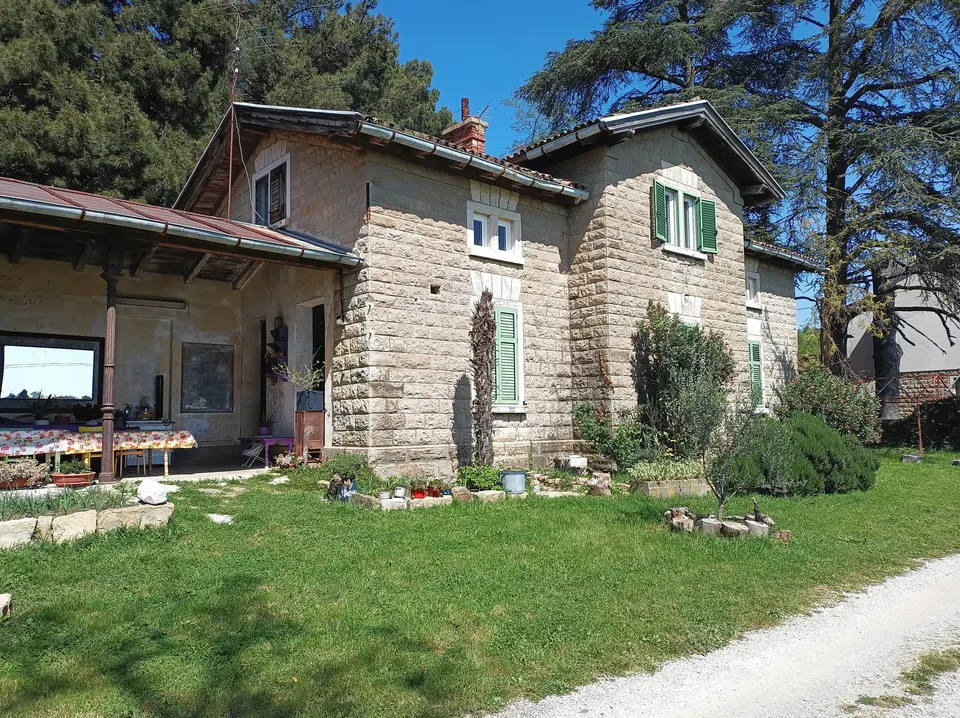
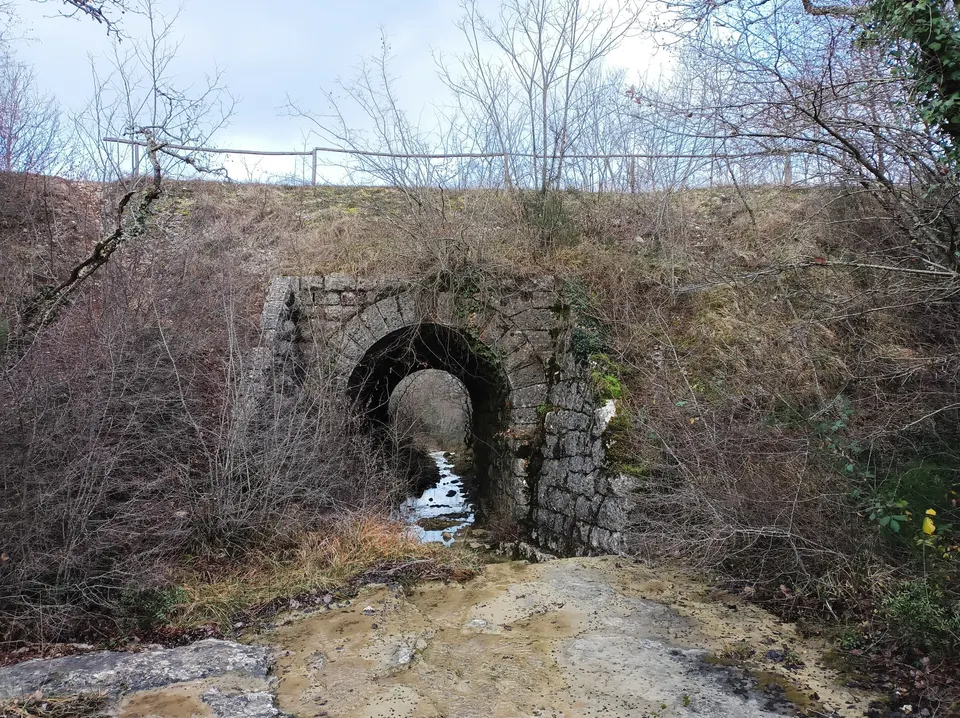
What remained was the trackbed: cuttings, embankments, tunnels, bridges and station buildings, slowly reclaimed by the forest. Over recent decades, the route has been restored as a cycling and walking path across three countries, Italy, Slovenia and Croatia, under the name Parenzana, the Route of Health and Friendship. The Croatian section, the longest, runs through northern Istria from the Slovenian border towards Poreč.
What is the route like to ride?
Because it was built for steam trains, the Parenzana has gentle gradients: no sudden climbs, just long, steady stretches of uphill or downhill. In Croatia the surface is mostly compacted gravel, with some paved stretches near towns. It is not a road bike route, but anyone comfortable on a trekking, gravel or mountain bike can enjoy it.
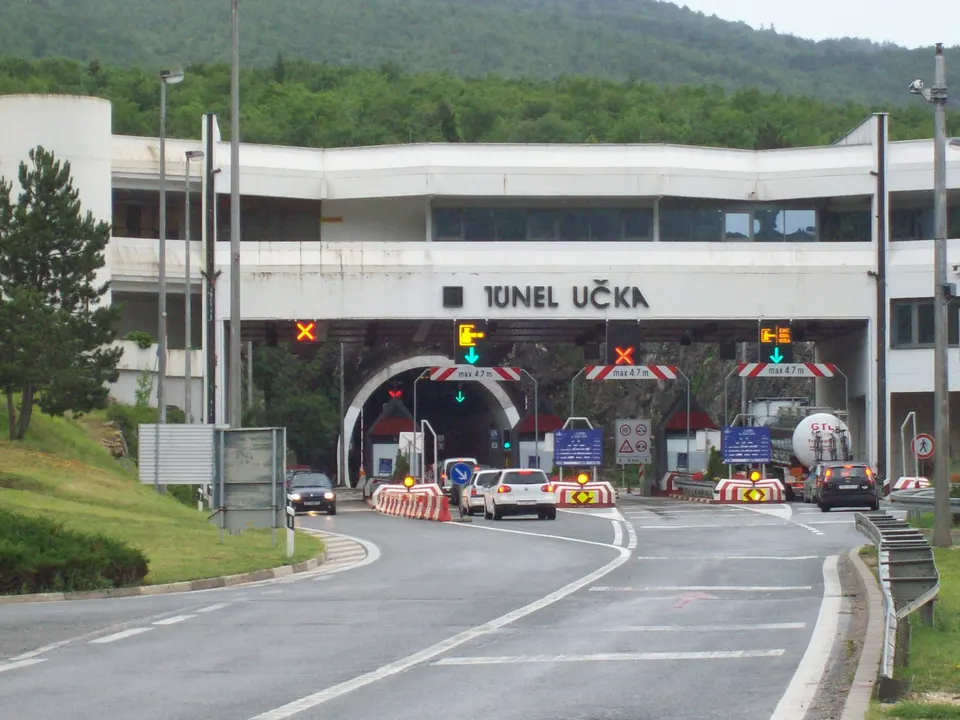
The real character of the ride comes from the engineering. The path passes through tunnels cut in the rock, crosses viaducts high above the valleys and curves around hillsides in long, wide bends. Some of the tunnels are long and dark enough that you need a light. Shade is plentiful in the wooded sections, and views open suddenly over the Mirna valley and towards the hill towns.
The best sections in Croatian Istria
Buje to Grožnjan
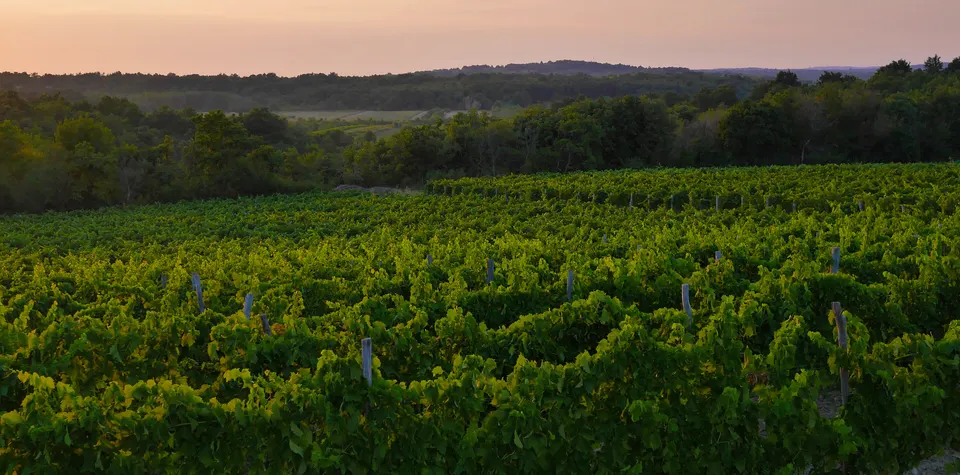
From the area around Buje, the path climbs gently through vineyards and woods towards Grožnjan, the town of artists perched on its hill. The old station sits below the town; it is worth the short detour up to the walls for a coffee and a view. Read more in our guide to Grožnjan.
Grožnjan to Livade and Motovun
This is the section most riders remember. The line descends slowly through tunnels and over viaducts towards the Mirna valley and the village of Livade, the heart of truffle country, where a small museum tells the story of the railway. Ahead, Motovun rises on its hill above the valley. The path itself runs below the town, so reaching the old walls means a steep climb on the road, or a well-earned coffee at the bottom instead.
Motovun to Vižinada and Poreč
South of the Mirna, the route crosses the gentler plateau of central-western Istria, through fields, oak woods and small villages around Vižinada, before descending towards the coast at Poreč. It is a quieter, more open stretch, ideal for finishing the ride with a swim in the sea.
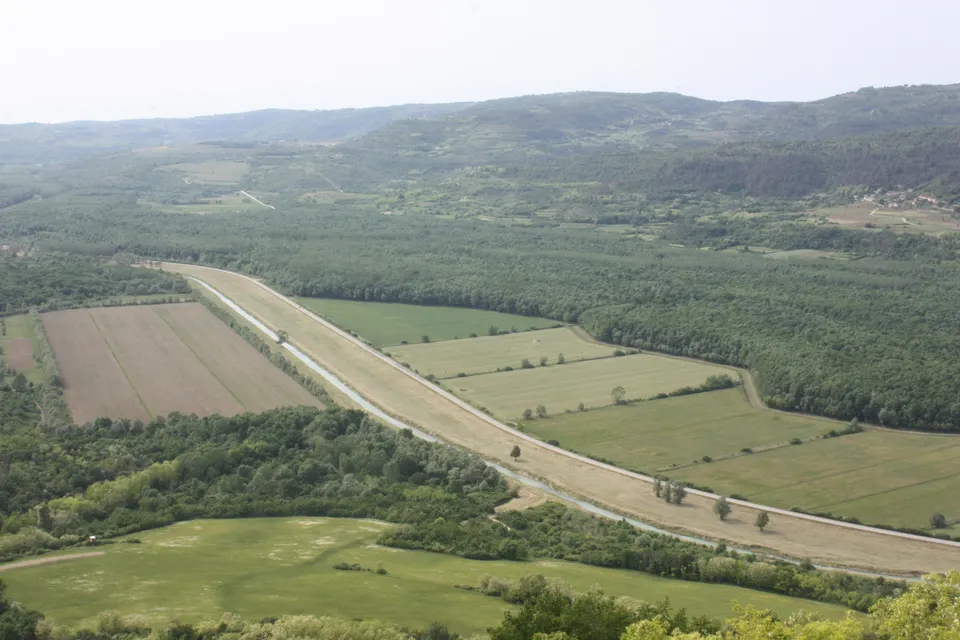
Built for steam trains, the Parenzana climbs slowly and descends gently, which makes it a ride for almost everyone.
How to plan the ride
There is no need to ride the whole route. Many cyclists choose one section for a day, often the stretch from Grožnjan down to Livade and Motovun, and arrange for a pick-up or a lift back to the start. Fitter riders cover the whole Croatian section in a day or two, staying overnight in a hill town. Bike rental and transfer services operate in the region; it is best to book ahead in summer.
Riding downhill is generally easier from north to south through the Grožnjan and Livade section, but on a railway gradient the difference is never dramatic. Spring and autumn are the best seasons: the forest is green or golden, the air is cool and the hill towns are quiet. In July and August, start early and carry plenty of water, because fountains and shops are few between villages.
Checklist for the Parenzana
- Bike. Trekking, gravel or mountain bike with tyres suitable for gravel; e-bikes are popular.
- Light. A front light is essential for the longer unlit tunnels.
- Water and food. Carry enough for the whole section; villages are spread out.
- Repair kit. Spare tube, pump and basic tools; mobile signal can be weak in valleys.
- Map. The route is signposted, but download an offline map in case of detours.
- Season. April to June and September to October are the most comfortable months.
- Respect the path. Share it with walkers, close gates and leave no litter.
Stop for the food
Part of the pleasure of the Parenzana is that it passes through the best eating country in Istria. In autumn, the Mirna valley around Livade and Motovun is the centre of the truffle season, and every konoba near the path has a truffle dish on the menu. Combine a morning ride with lunch and you understand why people return. Our truffle season guide and slow weekend in Motovun are good companions for planning.
More than a cycling route, the Parenzana is a way of seeing northern Istria slowly: its villages, its valleys and the traces of a railway that once tied them together. Ride a section, stop often, and leave time for the views.