Bitter, peppery, green and alive. Why oil from this small peninsula is so highly regarded, and how to choose a good bottle.
For a long time Istria was better known for wine than for olive oil. Over the last decades that has changed. Small family producers have replanted old groves, invested in modern mills and focused fiercely on quality, and international olive oil guides have repeatedly ranked Istria among the finest olive-growing regions in the world.
Why it tastes the way it does
Istria sits near the northern edge of where olives grow well. Cooler nights, stony soil and the bura wind mean small harvests, but they also mean intense oils with high levels of the natural compounds that give fresh oil its bitterness and its peppery bite at the back of the throat. Those sensations are signs of quality, not faults.
The varieties
Istarska bjelica is the best-known local variety: robust, bitter and very aromatic, with notes of green grass and artichoke. Buža is softer and fruitier. Rosinjola, Leccino and others appear in blends or as single-variety oils. Tasting several side by side is the quickest way to learn what you like.
The harvest
Olives are usually picked from October into November, often by hand or with small handheld tools, and taken to the mill within hours. Early harvests give greener, more pungent oils; later harvests give rounder, milder ones. In autumn many producers welcome visitors, and tasting new oil straight from the mill on warm toasted bread is one of the great pleasures of an Istrian autumn.
Bitterness and pepper are signs of quality, not faults.
Choosing a bottle
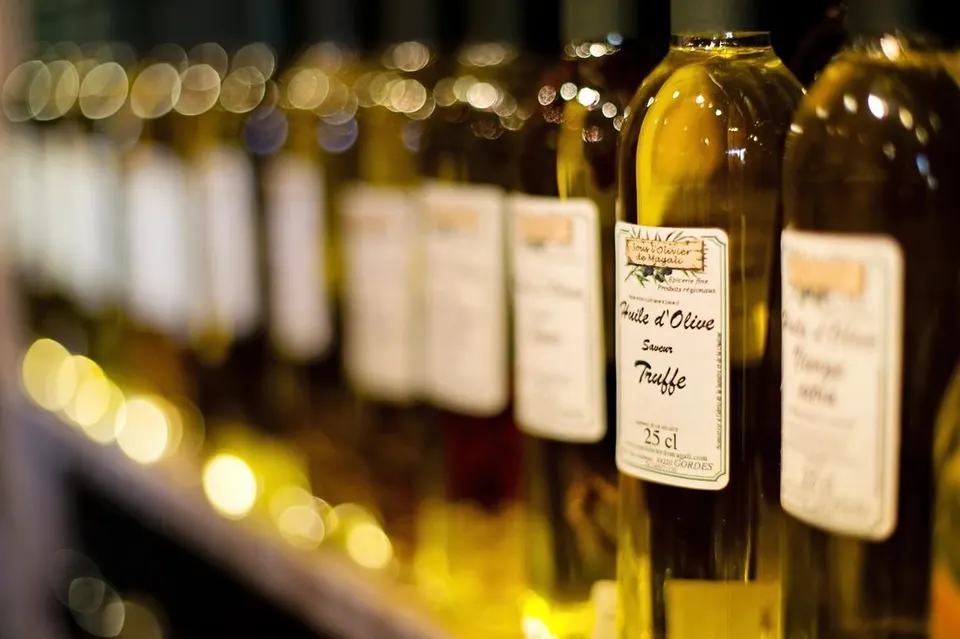
Buy from producers who state the harvest year, and buy oil from the most recent harvest. Dark glass or tins protect oil from light. Store it away from the stove and use it within a year or so of opening; olive oil is a fresh product and does not improve with age. Visiting producers directly, rather than buying from a supermarket shelf, is both the best way to find excellent oil and the best way to support the families who make it.
Using it
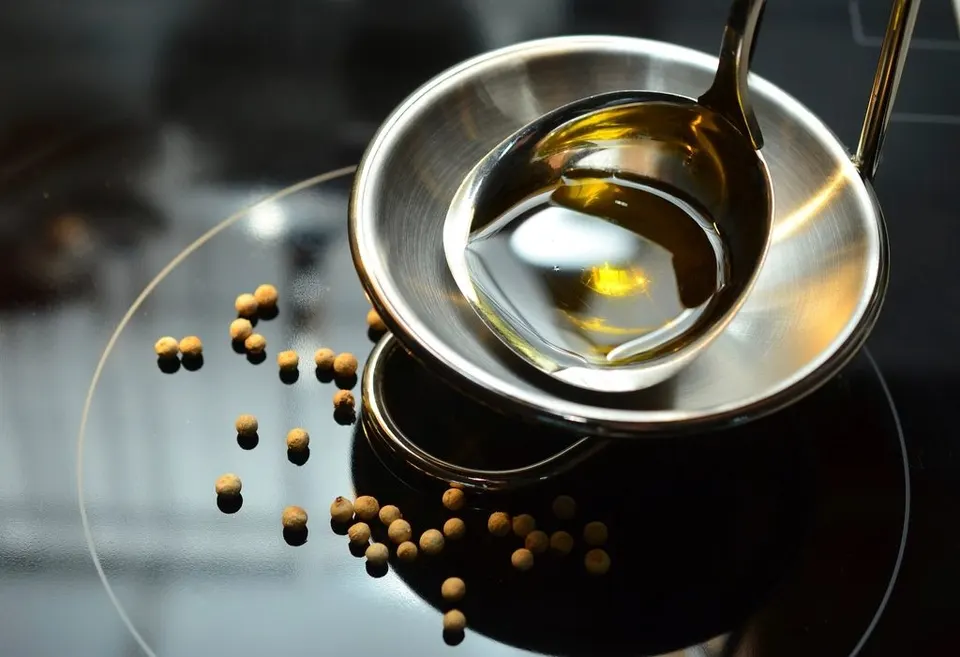
Keep a robust Istrian oil for finishing: raw over grilled fish, vegetables, soups and pasta, or simply with bread and a little salt. Use a milder oil for everyday cooking. And do as Istrians do: pour more than you think you need.
Visiting a mill
During the harvest, the mills of Istria work long hours, and many producers are happy to show visitors how oil is made. Olives are washed, crushed into a paste, gently mixed, and then separated into oil and water in a centrifuge. Modern mills keep the process cool and fast to protect aroma. The oil that runs out is cloudy, bright green and astonishingly fragrant. Tasting it straight from the mill, on warm bread with a little salt, explains in one bite why people become so passionate about it.
How to taste
Professional tasters use small blue glasses so that colour does not influence them, but at home a small glass or spoon will do. Warm the oil in your hand, smell it deeply, then sip a little and draw air through it. Notice fruitiness first, the green notes of grass, leaf, artichoke or almond. Then bitterness on the tongue, and finally the peppery sensation at the back of the throat that sometimes makes tasters cough. In a well-made Istrian oil, all three are present and in balance.
Olive trees at home
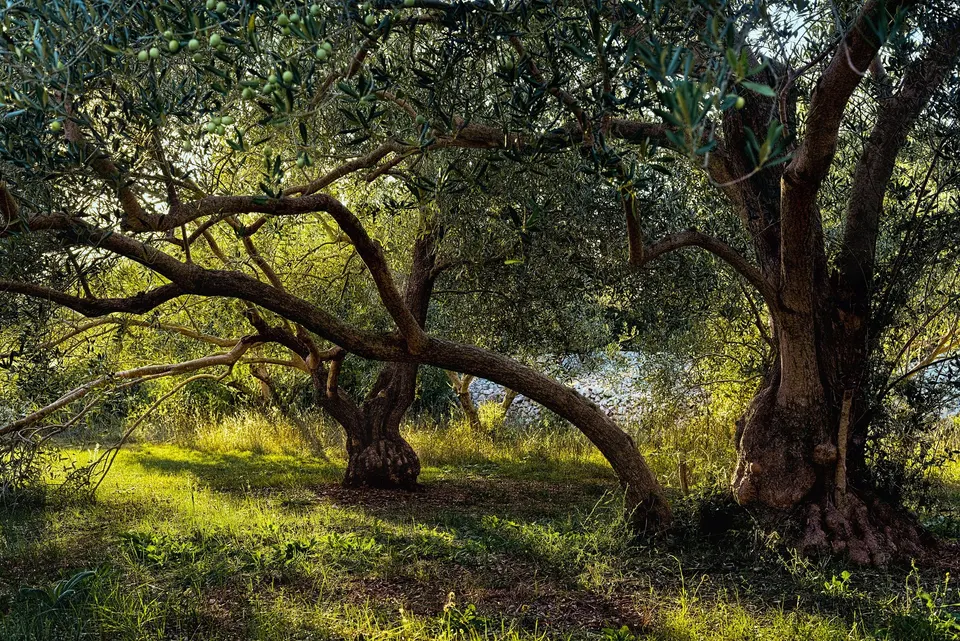
Many houses in Istria come with a few olive trees, and some with a whole grove. Even a handful of trees can produce enough oil for a family, if they are pruned and cared for. Local cooperatives and neighbours often help with harvesting and taking the olives to the mill. Few things feel more Istrian than serving guests oil from your own trees, poured from a simple bottle on a long table under the pergola.