Every autumn, the oak forests of inland Istria give up one of the most expensive foods in the world. A short guide for the curious.
Walk into a restaurant in inland Istria in October and you will smell them before you see them. Truffles, both black and the more prized white, are part of autumn life here, and the forests along the Mirna river and around Buzet are among the most celebrated truffle grounds in Europe.
White and black
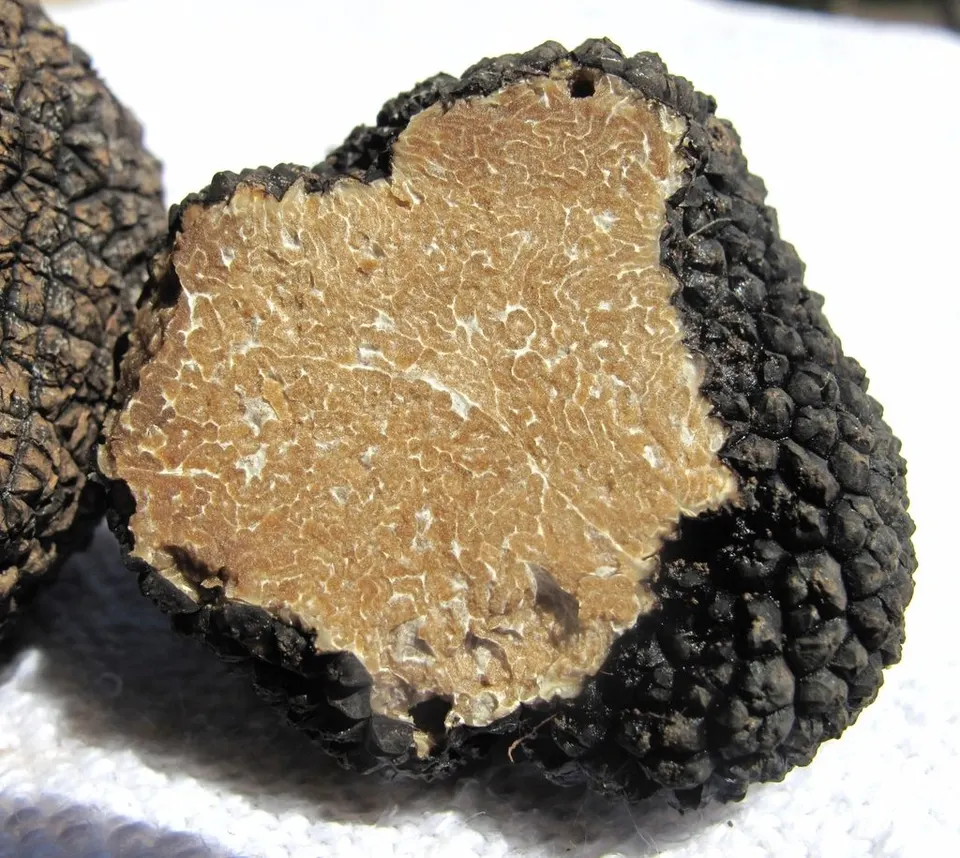
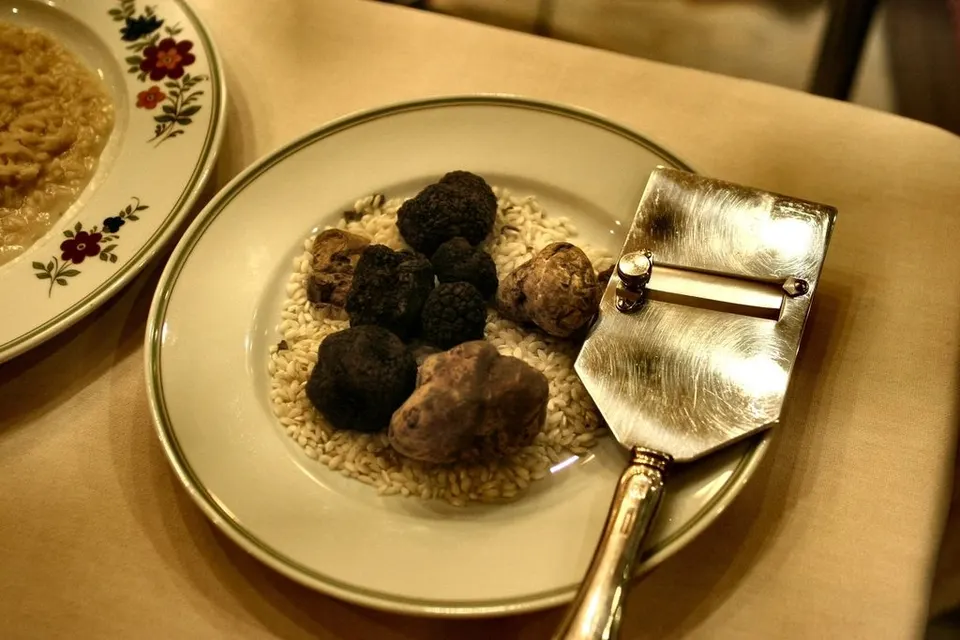
The white truffle is the star: pale, irregular, with an intense, almost garlicky perfume. It cannot be cultivated, grows only in particular soils and conditions, and appears in autumn, from roughly late September into winter. Black truffles are found in other seasons, including the summer black truffle, which is milder and more affordable. Both are worth tasting, but the white truffle season is when the region comes alive.
The hunt
Truffles are found by trained dogs and their handlers, who know the forest intimately and guard their favourite spots carefully. Several families and companies offer truffle hunting experiences, usually in the morning, followed by a tasting. It is a memorable way to spend a few hours, and children love it.
You will smell them before you see them.
How to eat them
The simplest dishes are the best: fresh pasta with butter, soft scrambled eggs, beef carpaccio, polenta. The truffle is shaved raw over the plate at the very last moment, because heat destroys much of its aroma. Be wary of cheap truffle oils, which are often flavoured with synthetic aroma rather than real truffle.
Buying
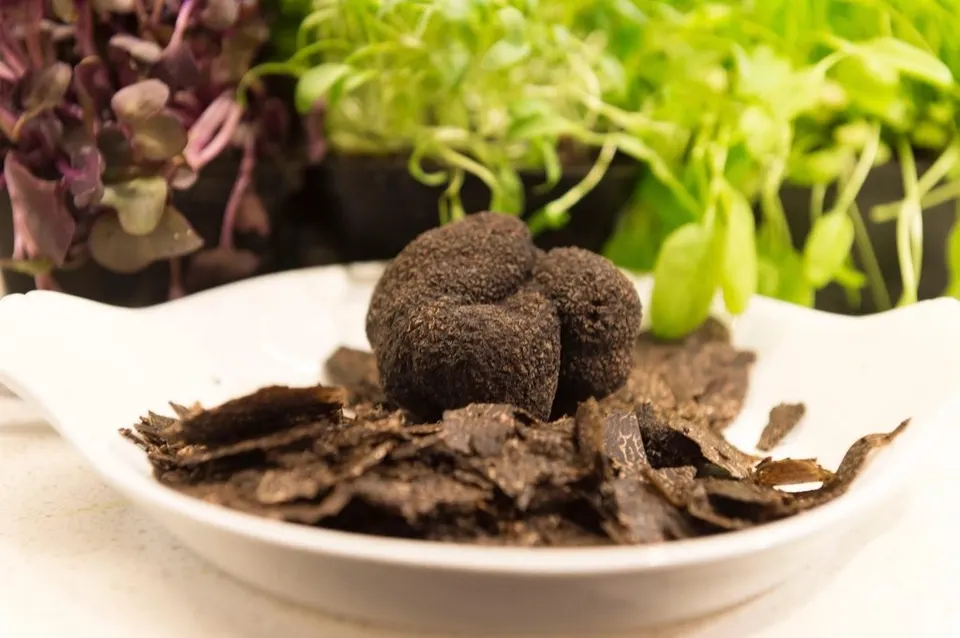
Fresh truffles should be firm, fragrant and bought from someone you trust. Wrap them in paper, keep them in a closed container in the fridge, and use them within a few days; their perfume fades quickly. Autumn truffle fairs in the inland towns are a good place to see, smell and compare.
A morning with the dogs
A truffle hunt starts early, when the forest is cool and the scents are strongest. The dogs, often mixed breeds rather than anything glamorous, work in wide loops through the oaks and along the damp ground near streams, noses down, tails moving faster as they close in. When a dog begins to dig, the handler steps in quickly, calms it, and finishes the job by hand with a small tool so the truffle is not damaged and the ground can be covered again. A good spot can produce for years if it is treated with care, which is why hunters are famously reluctant to say exactly where they were.
For visitors, the experience is less about finding a record-breaking truffle and more about seeing a landscape through the eyes of people who know every hollow of it. It is a good reminder that one of the world's most luxurious ingredients still depends on a dog, a person and a walk in the woods.
Truffles at home
If you have a kitchen in Istria, cooking with fresh truffle is easier than its reputation suggests. Keep the base simple and rich: butter, eggs, cream, fresh pasta, polenta, risotto finished off the heat. Store a truffle in a closed jar with a few fresh eggs for a day, and the eggs will take on its perfume through the shell. Slice the truffle at the table with a proper slicer so everyone gets the aroma at its strongest. A small truffle used generously on one simple dish is far better than a large one spread thinly over many.
Where to taste
Inland towns such as Motovun, Buzet and Livade are the natural places to begin, with restaurants that change their menus as the season arrives and producers who sell fresh truffles, truffle cheeses and preserves. Autumn weekends bring fairs and food events across the interior. Combine a truffle lunch with a walk in the Mirna valley and an evening in a hilltop town, and you have one of the finest days Istria offers.