Asparagus in spring, a warm sea in September, truffles and new olive oil in autumn. A season-by-season guide to choosing the best time to visit Istria.
Ask people when to visit Istria and most will say summer. They are not wrong, but they are missing most of the year. The peninsula changes character from month to month: the coast is lively from June to September, the interior comes into its own in spring and autumn, and winter belongs almost entirely to the people who live here. The right month depends on what you want: swimming, walking, eating, or simply quiet.
This guide walks through the year in order. Weather varies from one year to the next, so treat it as a sense of rhythm rather than a forecast.
January and February: the quiet months
Midwinter in Istria is calm, often bright and sometimes cold. The bura, the dry north-easterly wind, can blow for days, clearing the sky and sharpening every view from the hill towns. Many seaside hotels, campsites and restaurants close for the season, and smaller inland villages can feel almost empty.
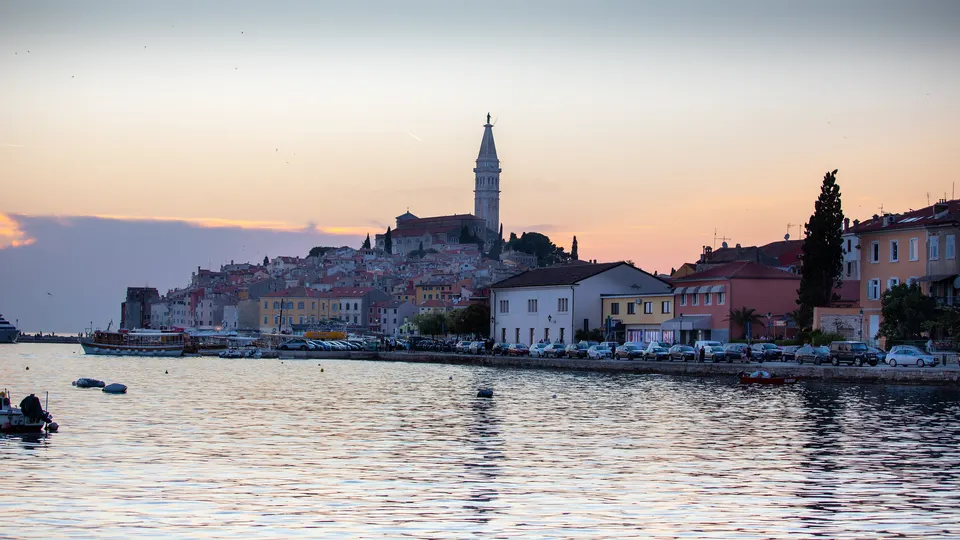
That is exactly the appeal for some visitors. Towns such as Rovinj, Poreč and Pula stay lived in, with markets, cafés and churches serving residents rather than crowds. It is a good time for museums, long lunches and walks along an empty seafront. Pack a proper coat: stone houses are cool, and the wind is sharper than the temperature suggests.
March and April: asparagus and green hills
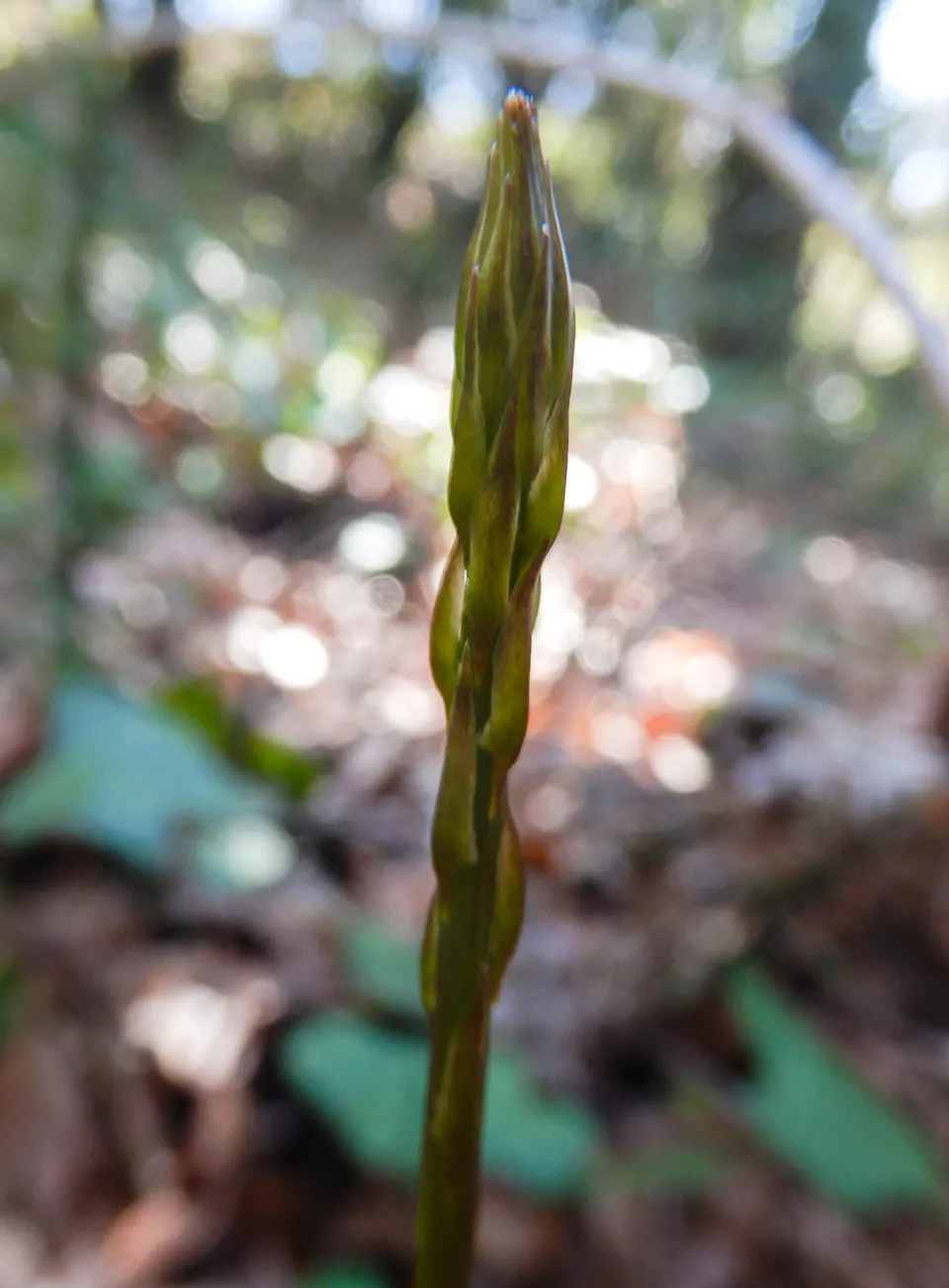
Spring arrives early on the coast. Almond and fruit trees blossom, the hills turn green and the first walkers appear on the trails. This is the season of wild asparagus, which grows in the scrub and along dry-stone walls; locals pick it in bunches and cook it with eggs in a fritaja. We explain more in our guide to wild asparagus season.
Easter often marks the start of the tourist year, when more restaurants reopen and boat trips begin to run again. The sea is still too cold for most swimmers, but the light, the flowers and the empty paths make April one of the most beautiful months for exploring the interior.
May and June: the best balance
If you could choose only one window, many people who know Istria would choose late May to the end of June. Days are long and warm, evenings are pleasant, and almost everything is open, yet the beaches and old towns are not yet at their busiest. The sea warms steadily through June, and by the end of the month swimming is comfortable for most.
These are also good months for cycling and hiking before the real heat, for wine cellars and olive oil tastings, and for hilltop towns such as Motovun and Grožnjan, where the summer programme of concerts and exhibitions begins to take shape.
The coast belongs to summer. The interior belongs to spring and autumn.
July and August: high summer
Peak season brings heat, a warm sea and the full life of the coast: busy harbours, open-air cinema and concerts, late dinners outside and towns that stay awake well past midnight. Summer festivals fill the calendar, from film in Pula's Roman arena to film and music in Motovun. Check the official programmes for the year you travel, since dates change.
The price of all this is crowds and traffic, particularly on weekends when visitors change over. Book accommodation and restaurant tables in advance, swim early or late, and plan inland trips for the morning. The middle of the day is for shade, a long lunch and a siesta, as it is for everyone who lives here.
September: the local favourite
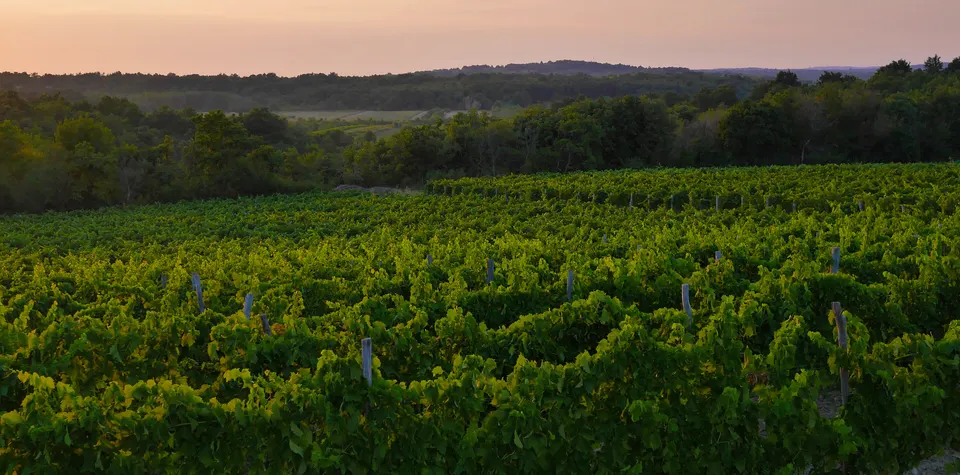
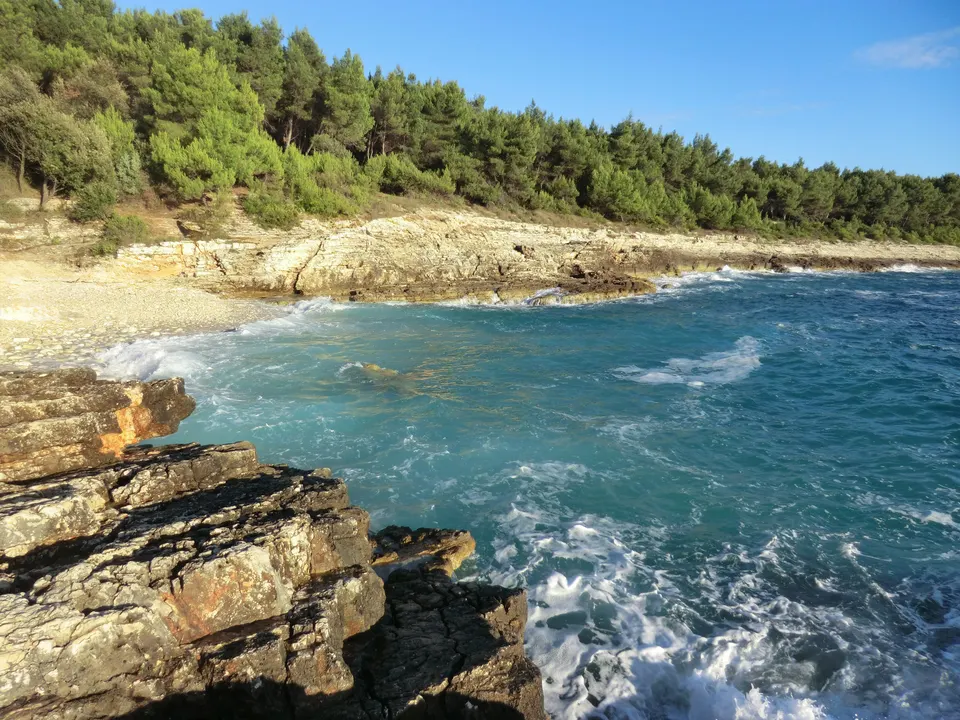
Ask residents for their favourite month and many will say September. The sea is at its warmest after a whole summer of sun, the crowds thin once schools reopen, and the light softens. The grape harvest begins in the vineyards, and the first new wines follow. It is an ideal month for a beach holiday combined with food and wine; see our guide to Malvazija, Teran and the wines of Istria.
October and November: truffles and new oil
Autumn is the season of the interior. The white truffle appears in the oak forests along the Mirna valley, restaurants in the hill towns change their menus, and weekend food events fill the calendar. Our truffle season guide explains what to look for.
Later in autumn the olive harvest begins. Families and producers pick by hand, the mills run day and night, and the first new oil, green and peppery, is one of the great tastes of the year. Around St Martin's Day in November, the new wine is traditionally blessed and tasted. The sea is cooling and many coastal hotels close, but the hills, the forests and the kitchens are at their best.
December: lights and long tables
December is quiet but not dead. Towns put up Advent lights and markets, families gather around long tables, and the inland villages smell of woodsmoke. It is a good month for a short, unhurried stay: walks on clear days, evenings by the fire and food that has been cooked slowly.
At a glance: which month for what?
- Swimming. Late June to mid-September, with September often the warmest sea.
- Fewer crowds. May, June, September and early October.
- Walking and cycling. April to early June, and late September to early November.
- Food seasons. Wild asparagus in spring, the grape harvest in September, truffles and new olive oil in autumn.
- Festivals and nightlife. July and August.
- Quiet and lower prices. November to March, when many seasonal businesses are closed.
- Before you book. Check opening dates for restaurants, museums and boat trips outside summer; many are seasonal.
So, when should you come?
For a classic beach holiday with everything open, choose June or September. For food, walking and the hill towns, choose spring or autumn. For festivals and long summer nights, accept the crowds and come in July or August. And if you simply want to know Istria as the people who live here do, come in winter and let the place slow you down.
Many visitors end up returning in a different season, and some eventually buy or build a house here so that they can see the whole year. Whatever brings you, plan for at least one day inland: the coast is beautiful, but the heart of Istria is in its hills.