Every spring, Istrians head for the hedgerows with a knife and a bag. A guide to the season, the picking and the dishes that follow.
In early spring, before the tourist season has started and while the evenings are still cool, a quiet ritual begins across Istria. People walk slowly along the edges of fields and through low woodland, eyes on the ground, stopping every few metres at a tangle of thorny green. They are looking for wild asparagus, and for many local families the first fritaja of the year is the real start of spring.
What is wild asparagus?
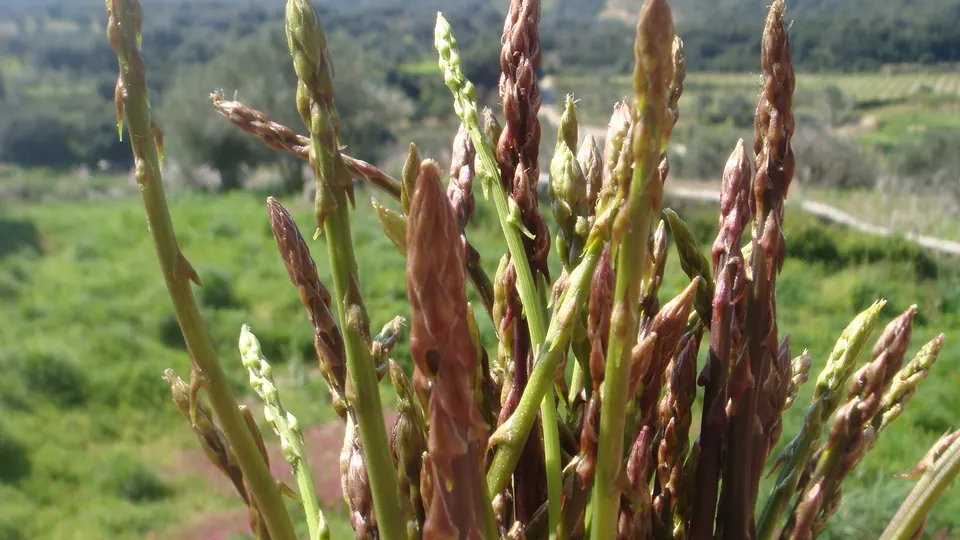
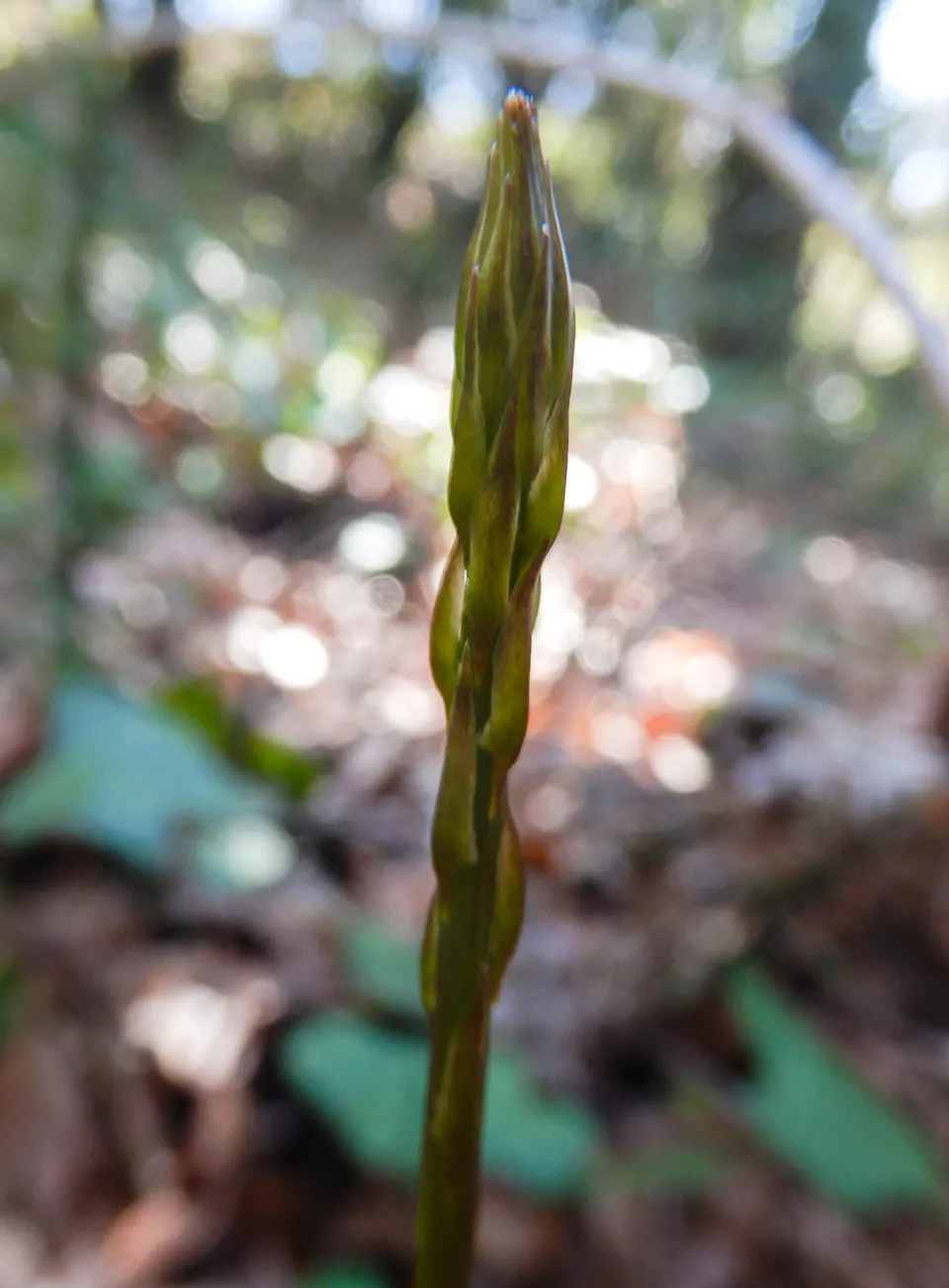
The plant most Istrians pick is Asparagus acutifolius, a spiny, evergreen shrub of Mediterranean scrubland. Most of the year it is a scratchy bush of needle-like leaves that nobody notices. In spring it sends up new shoots, thin as a pencil or thinner, dark green to purple, which are the part people eat. They are much slimmer than cultivated asparagus and taste more intense: grassy, slightly bitter, with a clean, almost nutty finish.
In Croatian it is called šparoga, and in Istria you will often hear it simply as šparoge in the plural, because nobody picks just one.
When is the season?
The season usually runs through the spring, roughly from March into May, though the exact start depends on the weather. A mild, damp late winter brings the first shoots early; a cold or dry spring delays them. Shoots appear first in warm, sheltered spots near the coast and later inland and at higher ground. Locals say the best picking comes after rain followed by a few warm days.
Where does it grow?
Wild asparagus likes the in-between places: the foot of dry-stone walls, the edges of olive groves and vineyards, scrubby oak and juniper woodland, abandoned terraces slowly returning to the wild. It grows across much of the peninsula, from the coastal macchia to the hills of the interior. Once you have learnt to recognise the parent bush, you start seeing it everywhere.
Finding the shoots is another matter. They are the same colour as everything around them and grow at odd angles through the bush. Experienced pickers move slowly and look at the base of each plant rather than the top. The first few minutes are frustrating; then your eye adjusts and suddenly there are three in front of you.
The first few minutes are frustrating; then your eye adjusts and suddenly there are three in front of you.
How to pick responsibly
- Snap, do not pull. Break the shoot where it bends easily, or cut it with a small knife, so the root stays undisturbed and can send up more shoots.
- Leave some behind. Take what you will eat, not everything you can find, so the plant can recover and others can enjoy it too.
- Respect private land. Olive groves, vineyards and gardens belong to someone. Walls and fences are there for a reason, and stone walls are easily damaged by climbing.
- Check local rules. Protected areas such as national and nature parks may restrict or prohibit picking, and rules can change. If in doubt, ask the park or the local tourist office.
- Wear long sleeves and gloves. The bush is genuinely thorny, and spring woodland is also home to ticks.
- Only pick what you know. Other spring shoots are gathered in Istria too, but some wild plants are toxic. Leave anything you cannot identify with complete certainty.
How to cook wild asparagus
Wild asparagus does not need much. Rinse the shoots, then work down each one from the tip, snapping it into short pieces until it stops breaking cleanly; the lower part is woody and best discarded or used for stock. Cook it briefly, because its flavour fades with long cooking, and use plenty of good olive oil.
Fritaja with wild asparagus
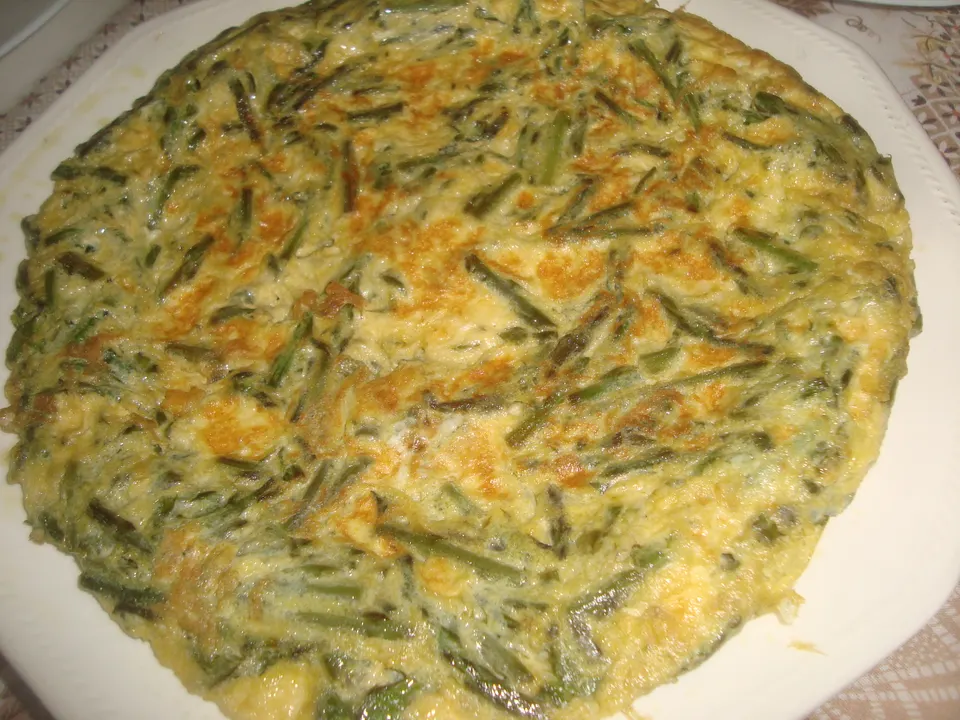
This is the classic, and the reason many people go picking at all. Soften the chopped shoots in olive oil for a few minutes, perhaps with a little garlic or a few cubes of pršut or sausage. Pour over beaten eggs, season, and cook gently until just set, turning or finishing it under a lid. Serve warm with bread and a glass of Malvazija. It is a simple dish that tastes completely of the season, and it is a cornerstone of Istrian home cooking.
Pasta, risotto and more
Wild asparagus also works beautifully with pasta, especially hand-rolled pljukanci or fuži: sauté the shoots with olive oil and garlic, add a splash of the pasta water and finish with grated cheese. In a risotto, add the tips near the end so they keep their colour. Some cooks blanch the shoots briefly and serve them cold with olive oil and a boiled egg, or pair them with scampi or prawns.
Storing and keeping
Wild asparagus is best eaten the day it is picked. If you must keep it, stand the bunch upright in a little water in the fridge, or wrap it in a damp cloth, and use it within a day or two. Some families blanch and freeze small portions so they can make a spring fritaja in the middle of winter, though it is never quite the same.
Tasting it without picking
If you visit in spring but have no time or inclination to forage, look out for wild asparagus on menus, particularly in konobas inland, where it appears in fritaja, pasta and risotto for as long as the shoots last. Some villages and towns celebrate the season with food events, usually announced locally in spring. Market stalls in the larger towns sometimes sell bunches gathered that morning. Our Istria month by month guide is a useful companion for planning a spring visit.
Spring is also the season when Istria is at its most generous to walkers: green, quiet and full of birdsong. Even if you come home with only a handful of shoots, the walk is half the point.