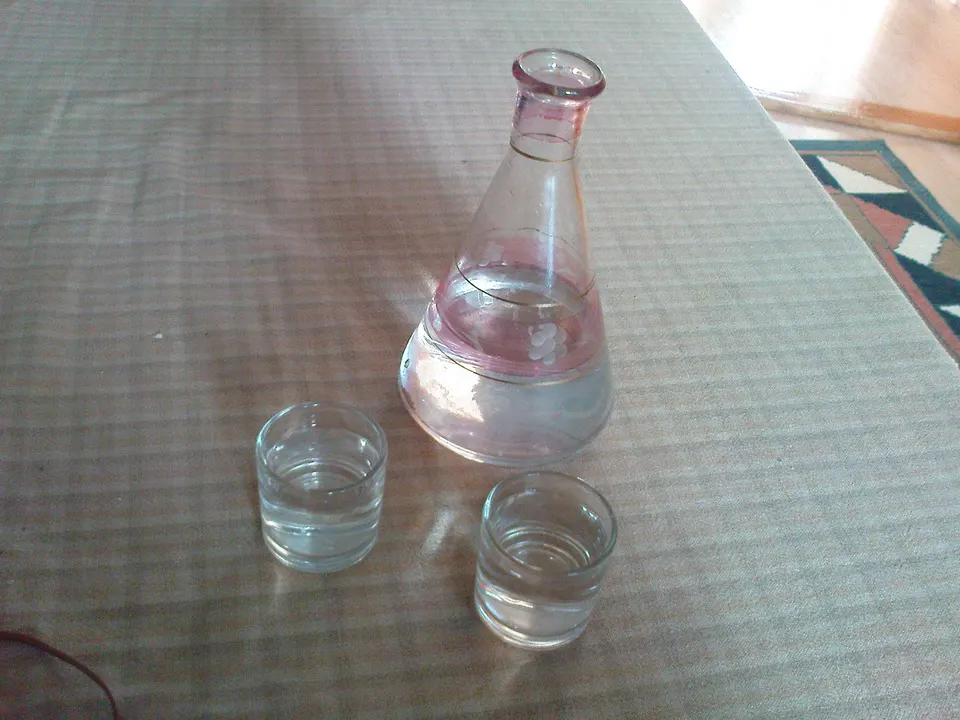
The small glass offered at the end of an Istrian meal can hold many things: grape brandy, herbal travarica, honey-sweet medica or biska, flavoured with mistletoe. A short guide to what is in the glass.
At the end of a long lunch in an Istrian konoba, or on arrival at a farmhouse, someone will often appear with a bottle and a few small glasses. It is a gesture of welcome as much as a drink. What is in the glass varies from house to house, and the names can be confusing: rakija, grappa, travarica, medica, biska. Here is what they mean.
What is rakija?
Rakija is the general word, across Croatia and much of south-eastern Europe, for a strong spirit distilled from fermented fruit. In Istria, as in other wine regions, the most common base is grapes, or more precisely what is left after the wine is pressed: the skins, pips and stems, known as pomace. The result is a clear, strong brandy close to Italian grappa, and in Istria you will hear both words. Rakija is also made from plums, pears, figs, cherries and other fruit.
Plain grape rakija is the base for most of the flavoured versions below. Herbs, fruit, honey or other ingredients are added and left to infuse, and the drink takes on their colour and aroma.
How is rakija made?
In autumn, after the grapes have been pressed, the pomace is left to ferment and then distilled, traditionally in a small copper still heated over a fire. The first and last parts of each run are separated out and only the clean middle part is kept, which is where a careful distiller's skill shows. The spirit is then rested, sometimes in wood, before it is bottled plain or used as a base for herbs, fruit or honey. Late autumn, when the stills are working in villages across the interior, is when the whole countryside smells faintly of it.
What is biska?
Biska is the most distinctive Istrian spirit: grape rakija in which white mistletoe and a mixture of herbs have been steeped. It turns a golden or amber colour and has a gentle bitterness, a herbal aroma and a long, warming finish. It is most closely associated with Hum, the tiny walled town in the green north of Istria, and with the area around Buzet, where it is offered in konobas and sold by small producers. Our article on Hum tells the story of the town.
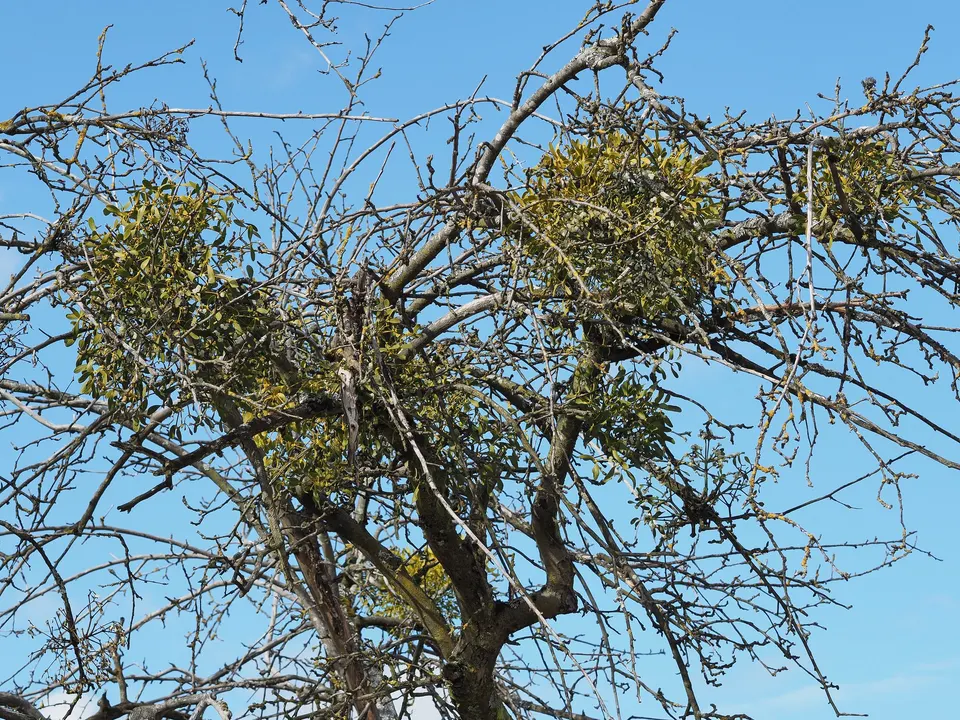
Mistletoe is a plant that grows on the branches of trees, and it has a long place in European folklore. The berries and leaves are poisonous when eaten, so biska is strictly a drink for experienced producers, not a home experiment. Drink it in small amounts, as it is meant to be drunk.
What is medica?
Medica, from the Croatian word for honey, med, is rakija sweetened and flavoured with honey. It is softer, rounder and sweeter than plain rakija, golden in colour, and usually the drink people who do not like spirits end up liking. Each producer has a recipe; some add herbs or a little spice. Because it depends on the honey, a medica made with local acacia or chestnut honey tastes quite different from one made with a mixed blossom honey. Our guide to Istrian cheese and honey explains the honeys themselves.
The small glass at the end of the meal is a gesture of welcome as much as a drink.
Travarica and other flavoured rakijas
Travarica, from trava, meaning grass or herb, is rakija steeped with aromatic herbs, often with a sprig left in the bottle. Recipes vary from family to family and may include sage, rosemary, rue, mint, fennel and other plants. It is drier and more medicinal in taste than medica, and traditionally it was taken as much for the stomach as for pleasure.
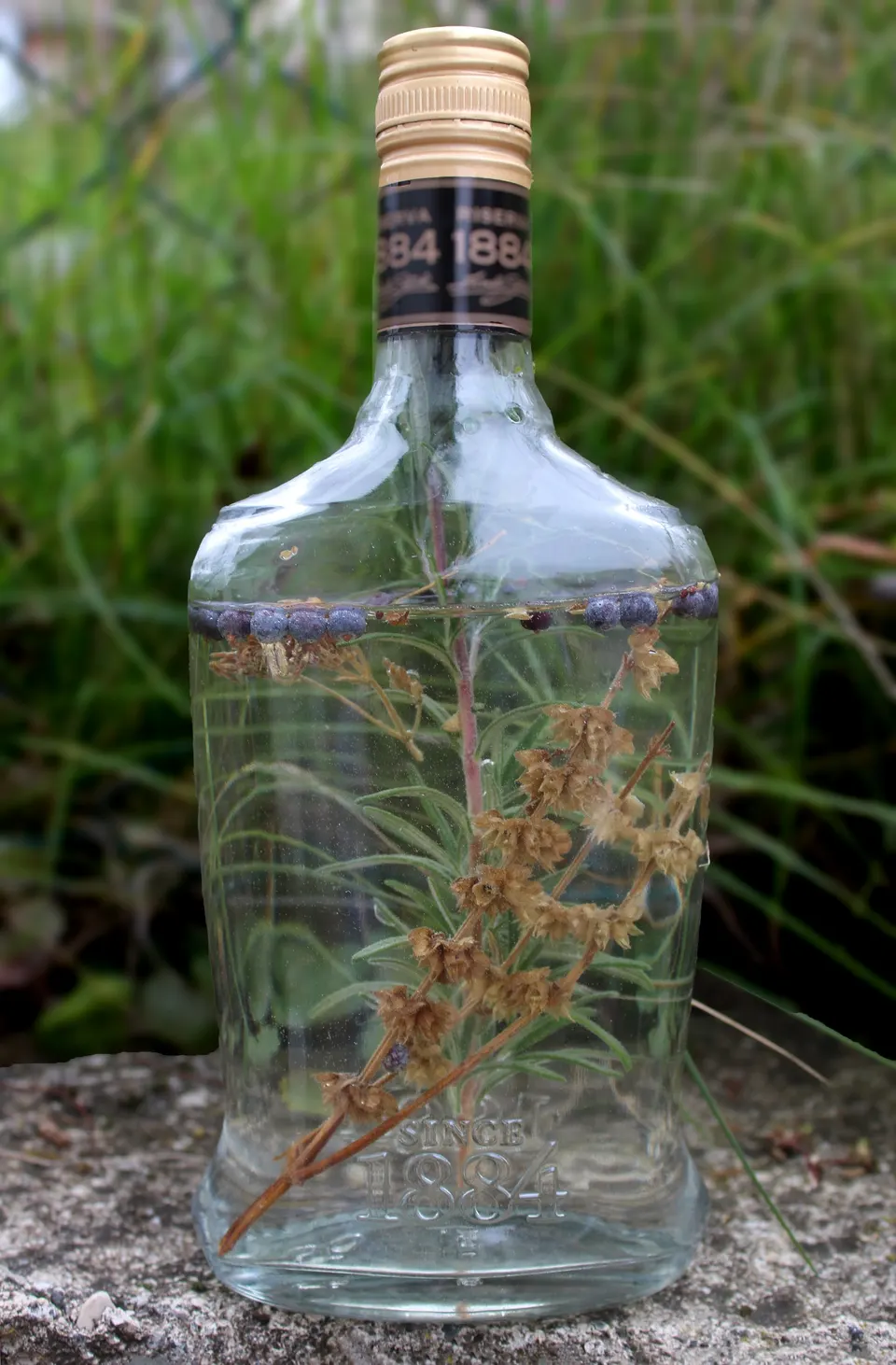
You will also meet fruit liqueurs: walnut liqueur made from green walnuts picked in early summer, cherry and fig liqueurs, and sweet drinks based on Teran wine. Tastes vary from intensely bitter to syrupy sweet, so ask for a little taste before committing to a full glass.
How to drink Istrian rakija
- In small glasses. Rakija is strong and is served in small measures, often at room temperature for aged or flavoured versions and chilled for plain ones.
- Before or after a meal. A small glass is offered as a welcome, as an aperitif, or as a digestif after a long lunch. Sweet medica suits dessert; bitter biska and herbal travarica suit the end of a rich meal.
- Sip, do not shoot. Good rakija is meant to be smelled and sipped slowly, like a fine brandy.
- Saying no is fine. A polite thank you is enough if you are driving or simply do not want it. Nobody expects a guest to drink spirits at lunch.
- Never drive after drinking. Croatia has strict drink-driving rules, and a glass of rakija is far stronger than a glass of wine.
Buying rakija to take home
Biska, medica and travarica are good souvenirs, easy to carry and very much of the place. Buy from producers, shops or markets where the bottle is properly labelled, with the producer and the alcohol content, rather than from unlabelled plastic bottles; home distilling done badly can be harmful. Taste first where you can, because styles vary widely. For flights, wrap glass bottles well in checked luggage, and check the allowances for alcohol at your destination.
Where rakija fits in Istrian food
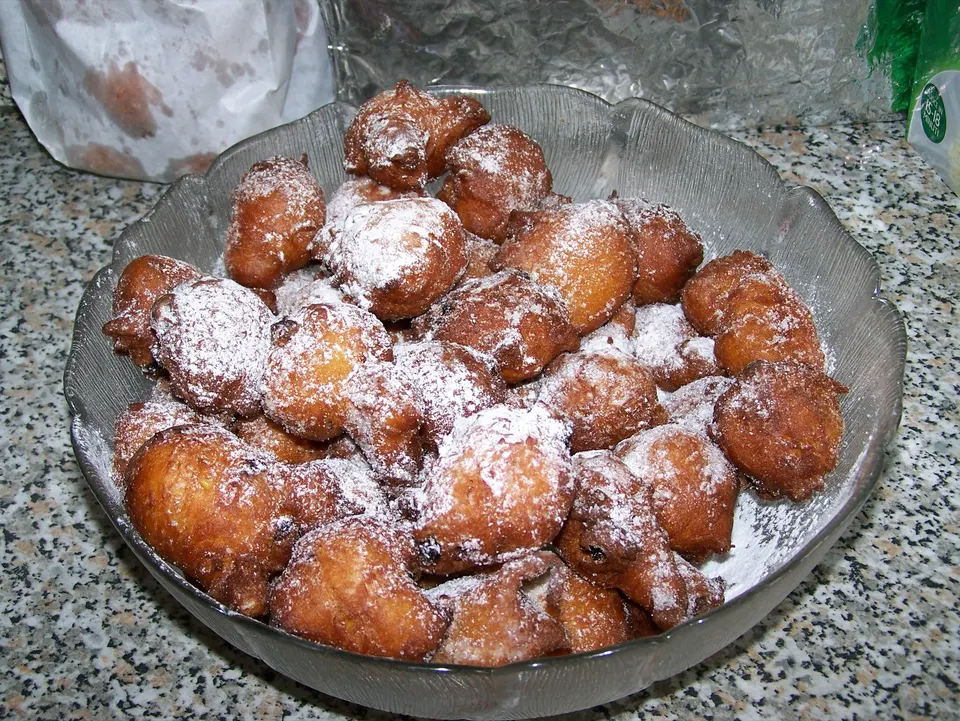
Rakija belongs to the same slow, generous table as pršut, maneštra and fuži. A long meal in a konoba will often begin with pršut and cheese and a glass of Malvazija, move through pasta and meat with Teran, and end with fritule and a small glass of something homemade. For the wines that come before it, see our guide to Malvazija, Teran and the wines of Istria.