The word once meant a stone cellar for wine, oil and ham. Today it means a particular kind of meal. How to tell a real konoba from a tourist trap.
Travel anywhere along the Croatian coast and you will see the word on signs, menus and painted boards by the roadside: konoba. It is usually translated as tavern, but that does not quite capture it. A konoba is a promise of a certain kind of meal: local, seasonal, unpretentious, cooked the way it has been cooked for generations. The best ones keep that promise beautifully. Others only borrow the name.
What does konoba mean?
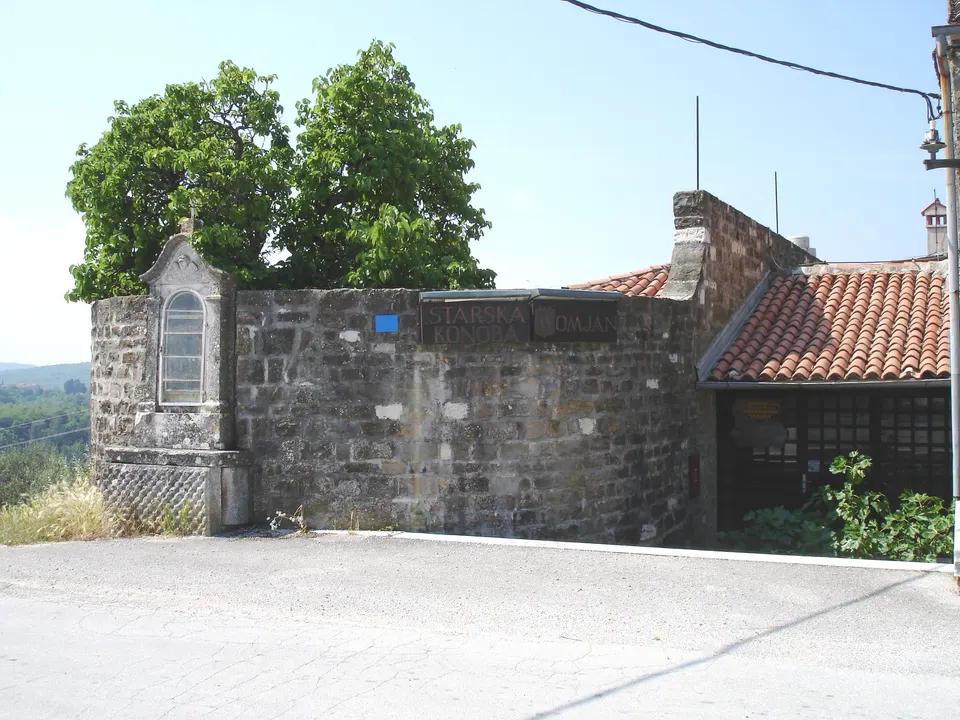
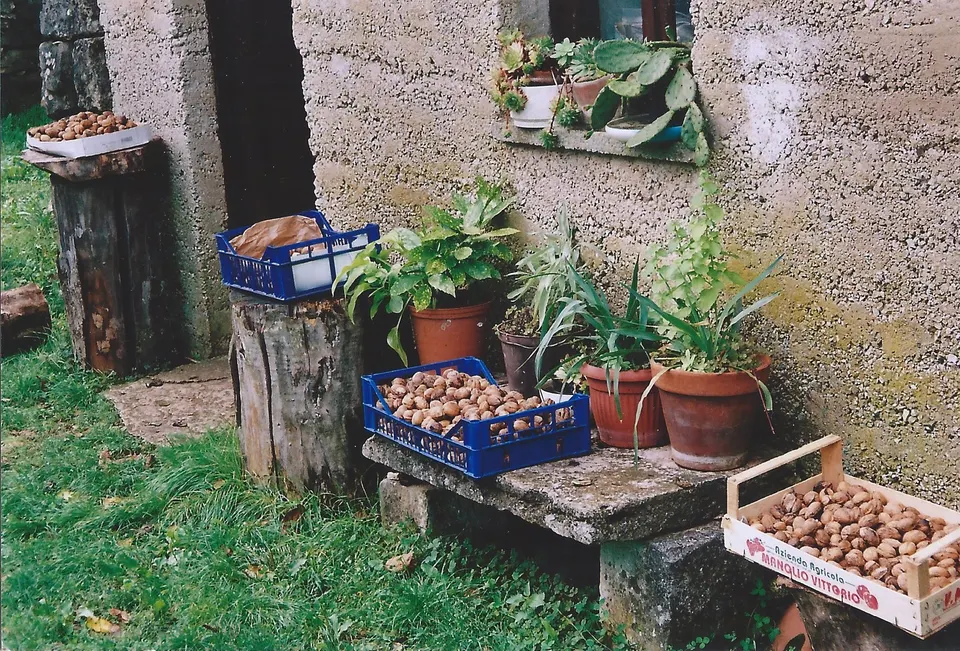
Originally, a konoba was not a restaurant at all. It was the ground-floor or half-underground room of a stone house where a family kept its provisions: barrels of wine, jars of olive oil, hams hanging from the beams, cheese, dried figs, tools. Thick walls and small openings kept it cool through the summer. It was also where the men of the house would sit with neighbours, taste the new wine and eat something simple from the larder.
Over time, especially as visitors began arriving in numbers, many families opened these rooms to guests. The konoba became a small, family-run eating house, serving the food of the home rather than the menu of a hotel restaurant. In Istria, the tradition is strongest in the interior, in villages and hilltop towns, but you will find konobas along the coast too.
What do you eat in a konoba?
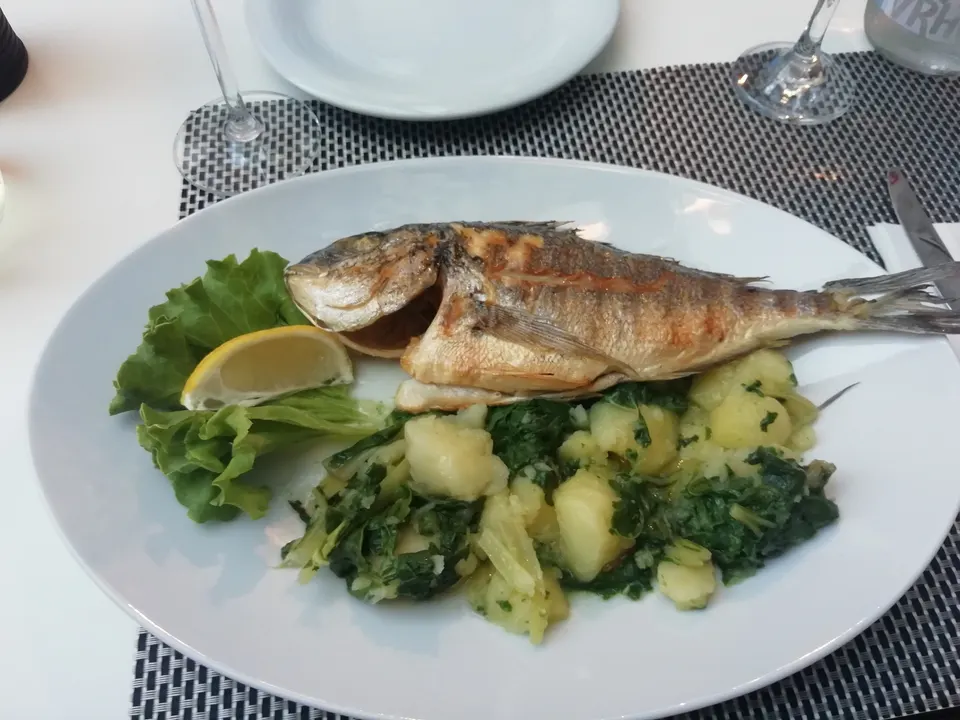
The menu follows the land and the season. In an inland Istrian konoba, a typical meal might begin with a cold plate of pršut, cheese and olives, continue with hand-made fuži or pljukanci with a slow sauce, a bowl of maneštra, or a fritaja with wild asparagus in spring, and end with meat: lamb, veal, boškarin or game, sometimes cooked under an iron bell in the embers of an open hearth. On the coast, grilled fish with chard and potatoes takes centre stage.
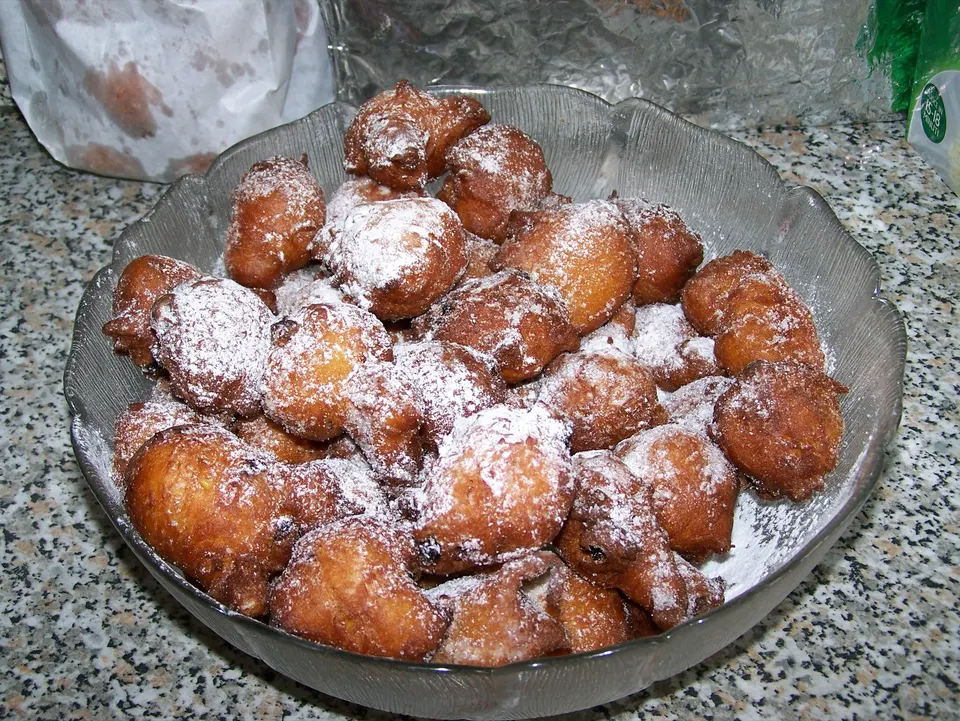
Wine is usually local, often from a nearby family producer, served by the jug or the bottle. Dessert is simple: fritule, kroštule or a slice of homemade cake, perhaps with a small glass of brandy. For an overview of the dishes, see our guide to Istrian cuisine.
A konoba is a promise of a certain kind of meal. The best ones keep that promise beautifully.
How to choose a good konoba
There is no official definition of a konoba, so the word alone guarantees nothing. These are the signs that usually point to a good one.
- A short menu. A handful of dishes, cooked well, is a better sign than a laminated book with pizza, burgers and twenty kinds of pasta.
- The season on the plate. Asparagus in spring, fresh corn and fish in summer, truffles, mushrooms and game in autumn. If the menu looks the same in May and October, be cautious.
- A dish of the day. A board or a spoken list of what the kitchen cooked today usually means fresh, home-style food.
- Local wine and oil. House wine from a nearby producer and good olive oil on the table show a kitchen rooted in its place.
- Locals at the tables. Especially out of season, the best indicator of all.
- Something that needs ordering ahead. Dishes slow-cooked under the čripnja or peka cannot be made in twenty minutes. A konoba that offers them takes its cooking seriously.
- No touts. Good konobas rarely need someone in the street waving menus at passers-by.
Inland or on the coast?
Both have their charm. Inland konobas are often in old stone houses or farm buildings, with fireplaces, wooden tables and views over vineyards and hills. They are the place for pasta, truffles, meat and long lunches. Coastal konobas tend to focus on fish and seafood, ideally bought that morning, and often have a terrace near the water. A good plan is to do both: a long lunch inland, an evening by the sea.
Konoba etiquette and practical tips
- Book in summer. The best-known konobas fill up quickly in high season, especially at weekends. A phone call a day or two ahead is usually enough.
- Check opening days. Many family-run places close one day a week or for part of the winter, and hours can change with the season.
- Ask about fish prices. Fresh fish is often priced by weight. Ask to see it and check the price before it goes on the grill.
- Ask how to pay. Some smaller places may prefer cash. It is simpler to ask when you book.
- Take your time. A konoba meal is not fast food. Courses arrive at the pace of the kitchen, and lingering is expected.
- Tipping. Rounding up or leaving a little extra for good service is appreciated but not obligatory.
What to drink
Ask what the house serves. Malvazija, the fresh white wine of Istria, goes with almost everything from the cold plate to fish; Teran, the deep red, suits meat, game and winter dishes. Many konobas also make or buy local brandies, such as biska, flavoured with mistletoe, or herbal and fruit brandies, offered at the end of the meal. Our guide to Istrian wines has more.
The konoba at home
Many stone houses in Istria still have the room that gave the konoba its name, the cool ground floor with thick walls and a low, beamed ceiling. Restored with care, it can become a wine cellar, a summer kitchen or a dining room for long evenings with friends. If you are bringing one back to life, our article on restoring a stone house is a good place to start.