What an Istrian agroturizam is, what you eat and how you stay, how to choose a good one and how to book, from a single dinner to a week in the countryside.
Some of the best meals in Istria are not served in restaurants at all, but at farmhouse tables in the interior, where the ham was cured in the loft, the wine came from the vineyard behind the house and the vegetables were picked that afternoon. These are the agritourism estates, known locally as agroturizam, and they are one of the most rewarding ways to experience the peninsula, whether for one long dinner or a whole holiday.
What is an agroturizam?
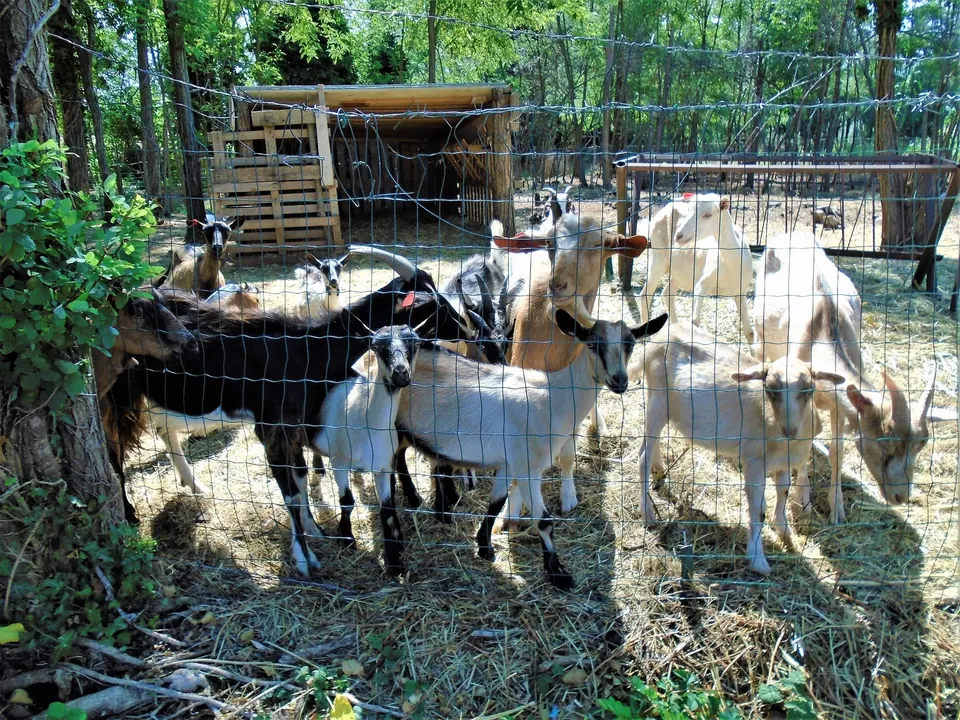
An agroturizam is a working farm that also receives guests. The family grows, raises or makes at least part of what it serves: wine, olive oil, pršut, sausages, cheese, vegetables, fruit, sometimes honey or rakija. Some offer only meals, usually by reservation; others have rooms or apartments in restored stone buildings; many do both. The scale is small and personal. You are a guest at someone's farm rather than a customer in a hotel.
The idea grew in Istria from the end of the twentieth century, as farming families began to restore old stone houses and open their tables to visitors. Today agritourism estates are spread across the interior, from the vineyards of the north-west to the quiet villages of central and eastern Istria.
What do you eat at an Istrian farm?
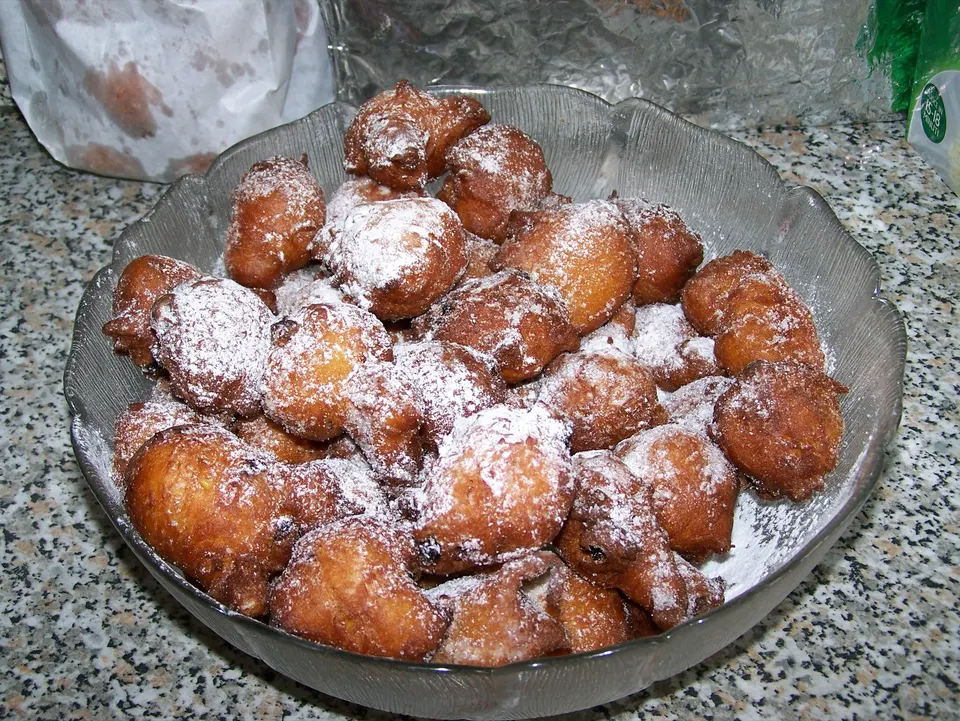
Expect a set menu rather than a long list of choices, built around what the farm and the season provide. A typical evening might start with a plate of home-cured pršut, sausages, cheese and olives, with bread and the farm's own olive oil. Then soup or a bowl of maneštra, hand-made fuži or pljukanci with a slow sauce, game or truffles in autumn, and roast meat or a dish cooked under the iron bell in the embers. Dessert is home-style, and a small glass of biska or medica often closes the meal.
You are a guest at someone's farm rather than a customer in a hotel.
The wine is usually the house's own, Malvazija and Teran poured from a jug or a simple bottle. Portions are generous, and meals are long. This is not fast food in any sense, and that is the pleasure of it.
What is it like to stay on a farm?
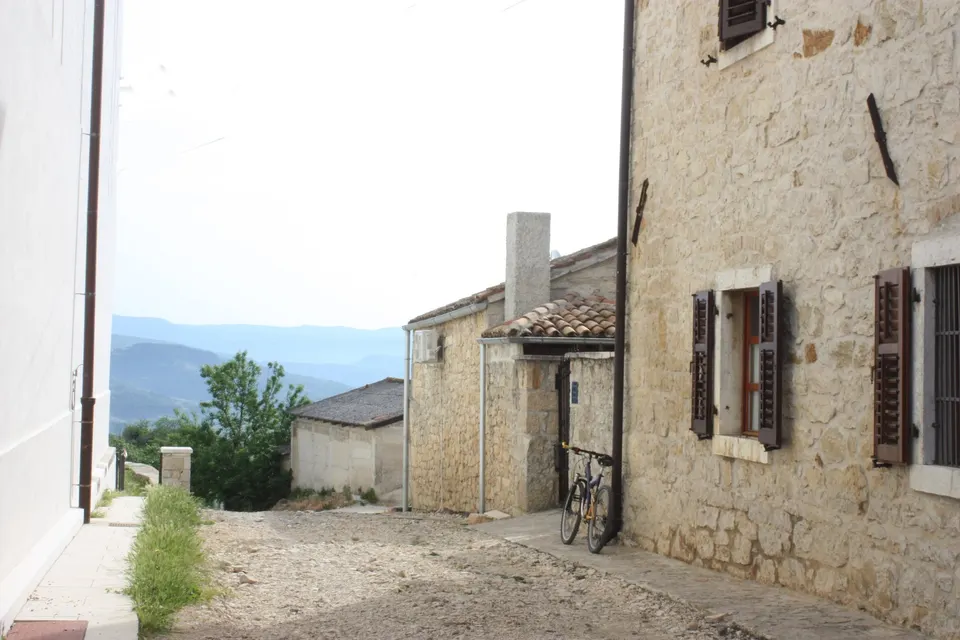
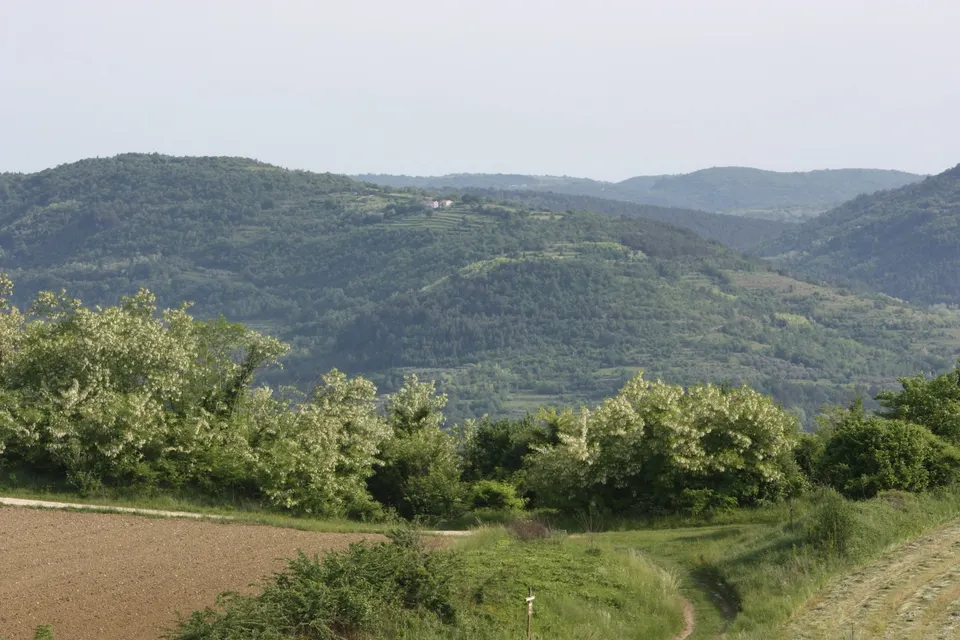
Accommodation ranges from simple rooms above the family kitchen to carefully restored stone houses with a pool. What they share is the setting: quiet nights, birdsong in the morning, views over vineyards and forest, and hosts who can tell you where to walk, which village has a festival this weekend and where the mushrooms are. Breakfast often comes from the farm too: eggs, fresh cheese, jam, honey and fruit.
Depending on the farm and the season, guests can sometimes join in: watching the grape or olive harvest, helping feed the animals, collecting eggs or learning to make fuži. Ask when you book rather than expect it. Farms are working businesses, and what is possible changes with the weather and the calendar.
How to choose a good agroturizam
- Look for what they make themselves. The best farms say clearly what comes from their own land: wine, oil, ham, cheese, vegetables.
- Short menus are a good sign. A fixed or seasonal menu usually means fresh, home-made food.
- Read recent reviews for the food, not the decor. A simple room with a superb table is often the better choice.
- Check the location. Many farms are at the end of narrow country roads. Ask for directions; navigation apps sometimes choose the shortest, not the easiest, route.
- Ask the local tourist office. Tourist boards in the inland towns keep lists of agritourism estates that receive guests.
Good to know before you book
- Always reserve meals. Most farms cook for the guests they expect. Turning up hungry without a booking rarely works.
- Ask about opening days. Many estates open for meals only on certain days or only in season, and some close in winter.
- Mention dietary needs early. Vegetarian guests can usually be looked after with notice; the traditional menu is meat-heavy.
- Plan the drive home. If you are coming for dinner with wine, stay the night, take a taxi or choose a driver who does not drink.
- Ask about payment. Some small estates prefer cash; check when you book.
- Bring a bag. Many farms sell their wine, oil, cheese or honey; see our guide to Istrian cheese and honey.
Is agritourism good for families?
Very. Animals, space to run, a pool on some farms and long, relaxed meals where nobody minds a child leaving the table make farm stays a natural choice for families. Our guide to Istria with children has more ideas. Couples, too, find the quiet a welcome change from the busy coast in high summer, and spring and autumn are the loveliest seasons of all.
When is the best time for a farm stay?
Spring brings wild asparagus, green fields and the first fresh cheeses. Summer is the busiest season, best for families who want a pool and long evenings outdoors. Autumn is the richest time at the table, with the grape and olive harvests, truffles, mushrooms and game. In winter many estates close or open only at weekends, but those that stay open serve their heartiest food by the fire.
Farm table or konoba?
The two overlap. A konoba is a tavern open to anyone, usually with a menu; an agroturizam is a farm that cooks largely from its own produce, often by reservation and with a set menu. Both can be wonderful. For an evening that feels like being invited into an Istrian home, choose the farm. For the wider picture of where to base yourself, see our guide on where to stay in Istria.