Sheep's and goat's cheese from small dairies, acacia, chestnut and sage honey from the hills: a guide to two of Istria's quieter delicacies, and how to buy them well.
Truffles, olive oil and wine get most of the attention, but every Istrian cold plate has two other quiet stars: a firm, nutty cheese cut into thin slices, and, at the end of a meal or at breakfast, a spoonful of local honey. Both are made by small producers, both change with the landscape and the season, and both are among the best things you can take home from the peninsula.
What kind of cheese is made in Istria?
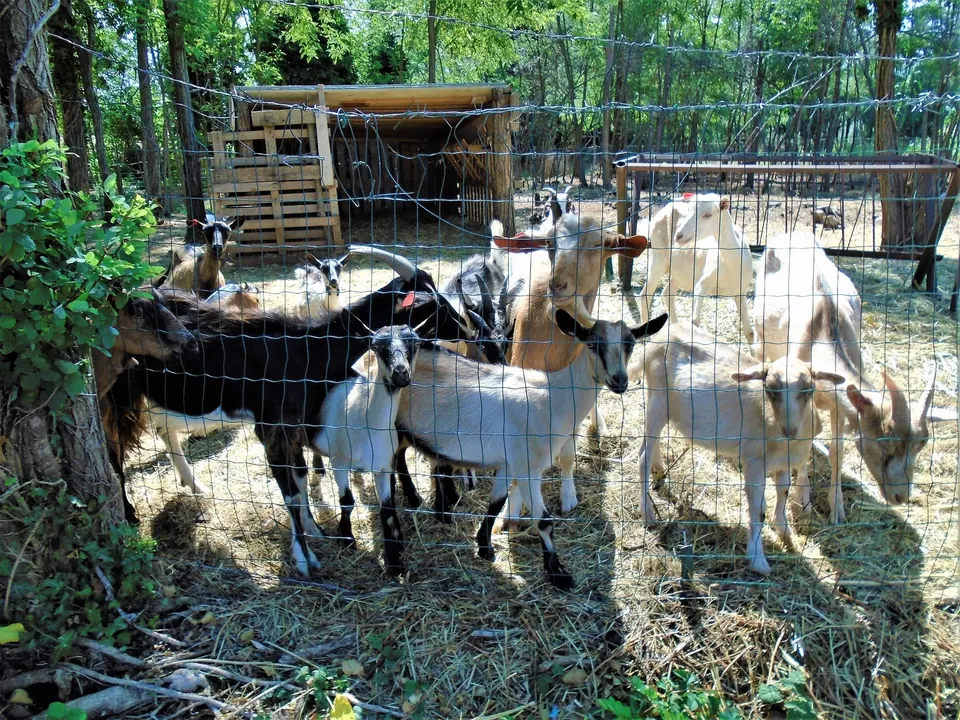
Istria has a long tradition of sheep farming, and its own breed, the Istrian sheep, is a hardy animal suited to stony pastures. Today you will find cheeses made from sheep's, goat's and cow's milk, and mixtures of them, mostly from small family dairies rather than large factories.
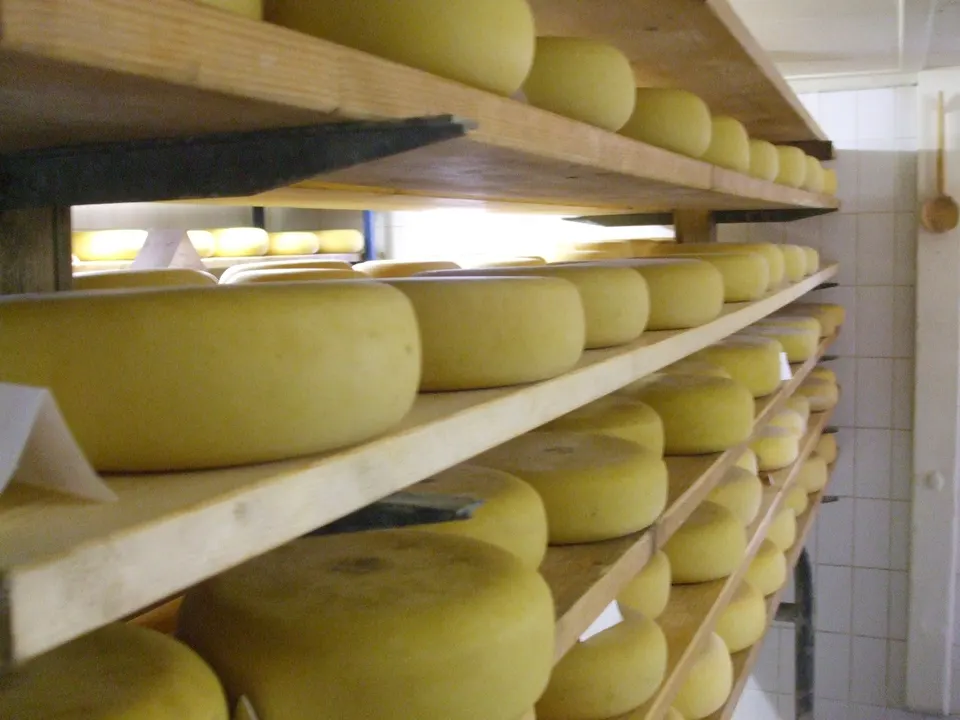
- Sheep's cheese. The classic Istrian cheese: firm, slightly crumbly with age, with a nutty, savoury flavour that grows stronger the longer it matures. Young versions are milder and softer.
- Goat's cheese. From fresh, soft and lemony to aged and firm. Fresh goat's cheese with olive oil and herbs makes a fine summer starter.
- Cow's milk and mixed-milk cheeses. Usually milder and creamier, good for families and for cooking.
- Truffle cheese. Cheese studded with black truffle is a speciality of the inland truffle towns. Quality varies, so taste before you buy and look for real pieces of truffle rather than a strong artificial aroma.
- Fresh curd cheese. Soft, fresh cheeses similar to ricotta appear in home cooking and in sweet pastries.
Some aged cheeses are matured in olive oil, in ash or wrapped in leaves, and producers increasingly experiment with herbs, pepper or wine. Ask what you are tasting and how long it has aged; small producers are usually happy to explain.
How to serve Istrian cheese
The traditional way is the simplest: thin slices of aged sheep's cheese alongside Istrian pršut, olives and bread, with a glass of Malvazija or a young Teran. Take the cheese out of the fridge half an hour before serving so the flavour opens up. Aged cheese is also wonderful grated over fuži or a fritaja, and a slice of young cheese with a few drops of honey and a walnut is a dessert in its own right.
A slice of aged sheep's cheese with a drop of chestnut honey is a dessert in its own right.
Istrian honey: which types to try
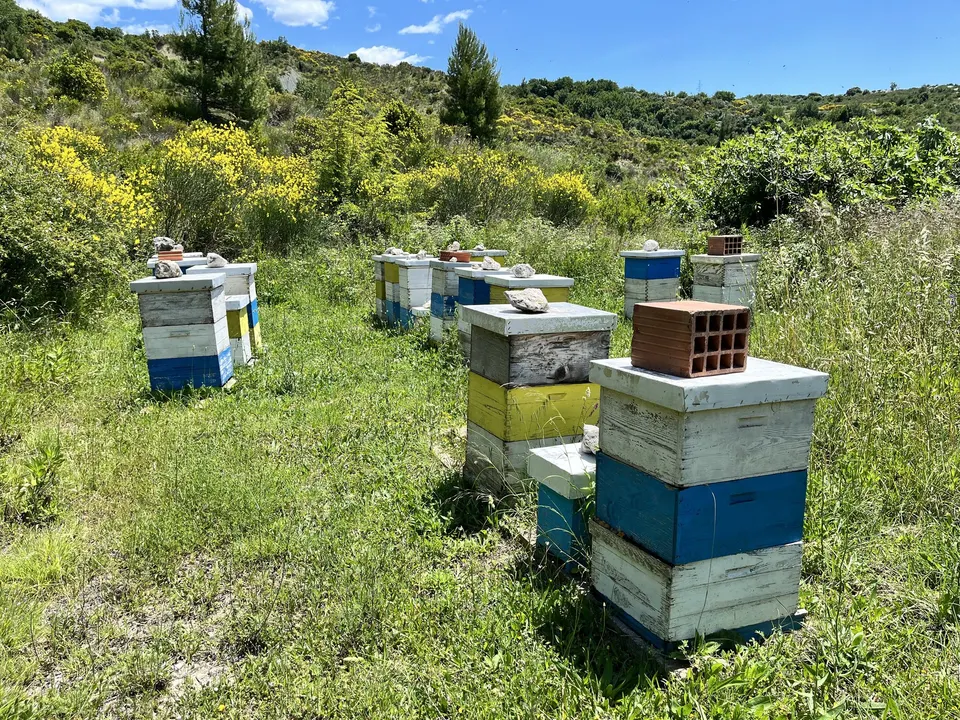
Beekeeping is widespread in Istria, from the green interior to the dry coastal scrub, and the variety of the landscape is reflected in the jars. Most producers sell single-flower honeys as well as mixed meadow honey. The ones worth knowing:
- Acacia (black locust). The best known Istrian honey: very pale, clear and mild, with a delicate floral sweetness. It stays liquid for a long time, which makes it ideal for tea and for children.
- Chestnut. Dark, strong and slightly bitter, from the chestnut woods of the interior. Superb with aged cheese.
- Sage. A Mediterranean honey with a gentle herbal aroma, from sage growing wild on stony hillsides.
- Winter savory. A late-summer honey from a small aromatic herb of dry pastures, with a distinctive, almost spicy fragrance.
- Meadow or mixed flower honey. A blend of whatever is flowering, different from producer to producer and from year to year.
Why has my honey gone solid?
Because it is real honey. Crystallisation is a natural process, and most honeys turn thick and grainy over weeks or months, some faster than others. Acacia honey stays liquid for a long time; meadow honeys may set quite quickly. Crystallised honey is not spoiled. To make it liquid again, stand the jar in a bowl of warm water, not boiling, and stir now and then. Gentle heat keeps the aroma; overheating destroys it.
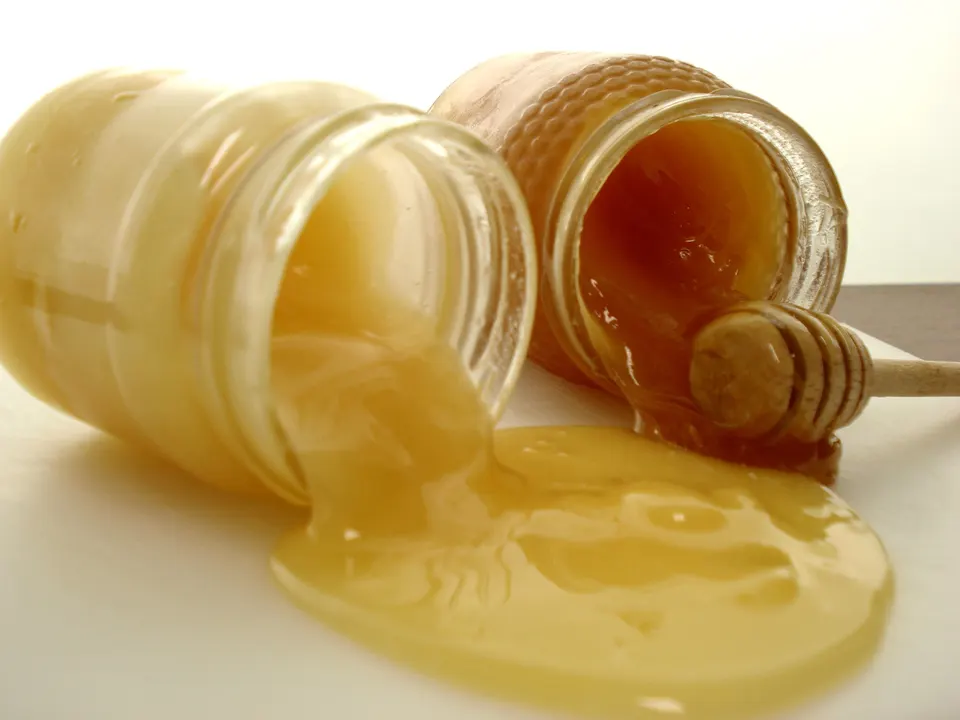
Where to buy cheese and honey in Istria
- Town markets. The covered and open-air markets in the larger towns usually have stalls of local cheese and honey, especially on weekday mornings.
- Directly from producers. Signs by the road in the interior often advertise cheese or honey for sale at the farm. A call ahead is wise.
- Farm stays and konobas. Many agritourism estates make their own cheese and sell honey from nearby beekeepers. See our guide to agritourism in Istria.
- Food fairs. Autumn and spring fairs in the inland towns bring many small producers together in one square.
Good to know
- Taste first. Small producers expect it, and cheese from the same farm can differ a lot with age.
- Travelling with cheese. Ask for aged cheese to be vacuum-packed; it travels well for a few days. Rules on carrying dairy products into some countries are strict, so check before you fly.
- Travelling with honey. Glass jars are heavy and fragile; wrap them in clothes in checked luggage. Liquids rules in hand luggage apply to honey too.
- Storing. Keep cheese wrapped in paper in the fridge, not in cling film. Keep honey closed, at room temperature and away from the sun.
- Honey and babies. Honey should not be given to children under one year old.
Cheese and honey are also the simplest way to bring Istria home: a wedge of aged sheep's cheese and a jar of chestnut honey on a wooden board, with a glass of Teran, will take you straight back to a summer evening on a terrace.