Maneštra is the thick bean soup that fed Istrian families for generations. What it is, how the versions differ, and a clear recipe with corn that works in any kitchen.
Ask an Istrian about maneštra and you will hear about a grandmother, a big pot on the stove and a bowl that was always better the next day. It is not a restaurant dish in origin but a farmhouse one: dried beans, whatever vegetables the garden or the store room offered, a little smoked pork for depth, and a long, slow simmer. It is filling, cheap, generous and deeply satisfying, and it is still cooked in homes and konobas across the peninsula.
This article explains the dish and gives a recipe for the best-loved version, maneštra with beans and corn. For the wider picture of the local kitchen, see our guide to Istrian cuisine.
What is maneštra?
The word comes from the same root as the Italian minestra, simply a soup. In Istria it means something thicker than most soups: closer to a stew, eaten with a spoon and good bread. Beans are almost always the base. Potatoes thicken it, a few vegetables give it sweetness, and smoked meat, often a piece of smoked rib, a bone from a pršut or a little pancetta, gives it its deep, savoury flavour.
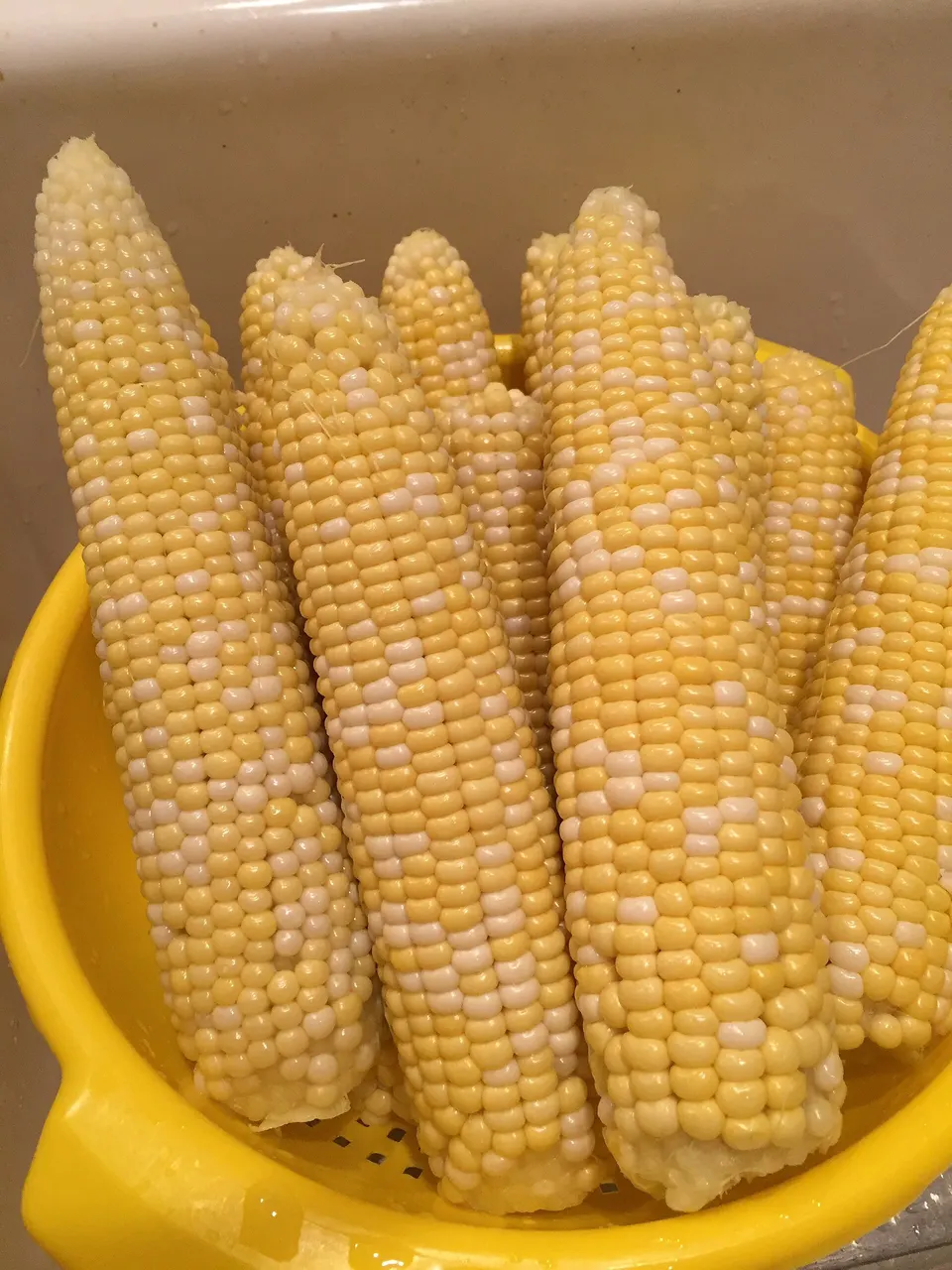
There is no single correct recipe. Every family has its own, and the dish changes with the season. The version most visitors meet in late summer is maneštra od bobići, made with fresh young sweetcorn kernels cut from the cob. Other versions use chickpeas, barley, pasta or seasonal greens. Close to Trieste, a related soup called jota adds sauerkraut.
What is pešt?
Many Istrian cooks finish their maneštra with pešt: pork fat or pancetta chopped very finely, almost to a paste, together with garlic and parsley, then gently fried and stirred into the soup. It sounds old-fashioned, and it is, but it is the step that gives a home-made maneštra its rounded, rich taste. A vegetarian version replaces it with olive oil, garlic and parsley, and is very good in its own right.
Maneštra with beans and corn: the recipe
Serves 6 generously. Start the evening before by soaking the beans. Cooking time is about 2 hours, mostly unattended.
Ingredients
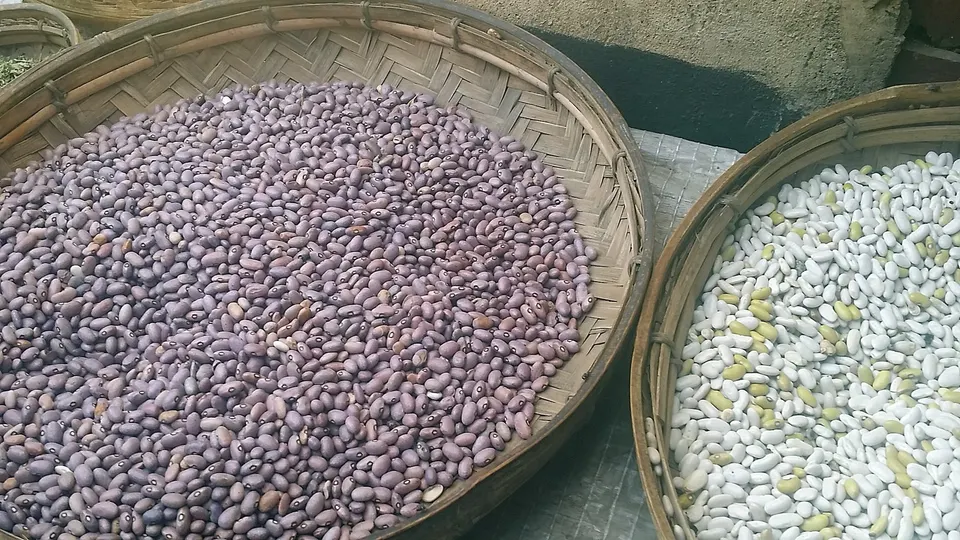
- 400 g dried borlotti beans (or another dried bean that holds its shape)
- 300–400 g smoked pork: a piece of smoked rib, a smoked ham hock or a pršut bone
- 2 bay leaves
- 2.5 litres cold water
- 1 onion (about 150 g), finely chopped
- 1 carrot (about 100 g), diced
- 1 celery stick (about 60 g), diced
- 2 medium potatoes (about 400 g), peeled and cut into 2 cm cubes
- 300 g sweetcorn kernels: from 2 to 3 fresh cobs, or frozen
- For the pešt: 60 g pancetta or smoked bacon, 3 garlic cloves and a small bunch of flat-leaf parsley (about 15 g)
- 2 tbsp olive oil, plus extra to serve
- 1 tbsp tomato purée (optional)
- Salt and freshly ground black pepper
Method
- Soak. Put the beans in a large bowl, cover with at least three times their volume of cold water and leave for 8 to 12 hours, or overnight.
- Cook the beans. Drain and rinse the beans. Put them in a large, heavy pot (5 litres or more) with the smoked pork, the bay leaves and 2.5 litres of fresh cold water. Bring to the boil, skim off any foam, then lower the heat and simmer, partly covered, for about 1 hour, until the beans are nearly tender. Do not add salt yet.
- Add the vegetables. Add the onion, carrot, celery and potatoes. Simmer for another 25 to 30 minutes, until the potatoes are soft and the beans are completely tender. Top up with a little hot water if the soup becomes too thick.
- Add the corn. Stir in the sweetcorn kernels and simmer for 10 to 15 minutes.
- Make the pešt. While the corn cooks, chop the pancetta, garlic and parsley together on a board until very fine, almost a paste. Warm the olive oil in a small pan over a low heat and fry the pešt gently for 3 to 4 minutes, until fragrant but not browned. Stir in the tomato purée, if using, for one more minute.
- Finish. Stir the pešt into the soup. Lift out the smoked pork and the bay leaves. Remove the meat from the bone, chop it and return it to the pot. With the back of a ladle, crush some of the beans and potatoes against the side of the pot to thicken the soup.
- Season and rest. Taste, then add salt and pepper; the smoked meat is salty, so you may need less than you think. Turn off the heat and leave the maneštra to rest for 15 minutes before serving.
Serve in deep bowls with a thread of good olive oil over the top, crusty bread and a glass of Teran. The soup thickens as it cools; when reheating the next day, loosen it with a little water.
Maneštra is always better the next day, which is why it is always made in a big pot.
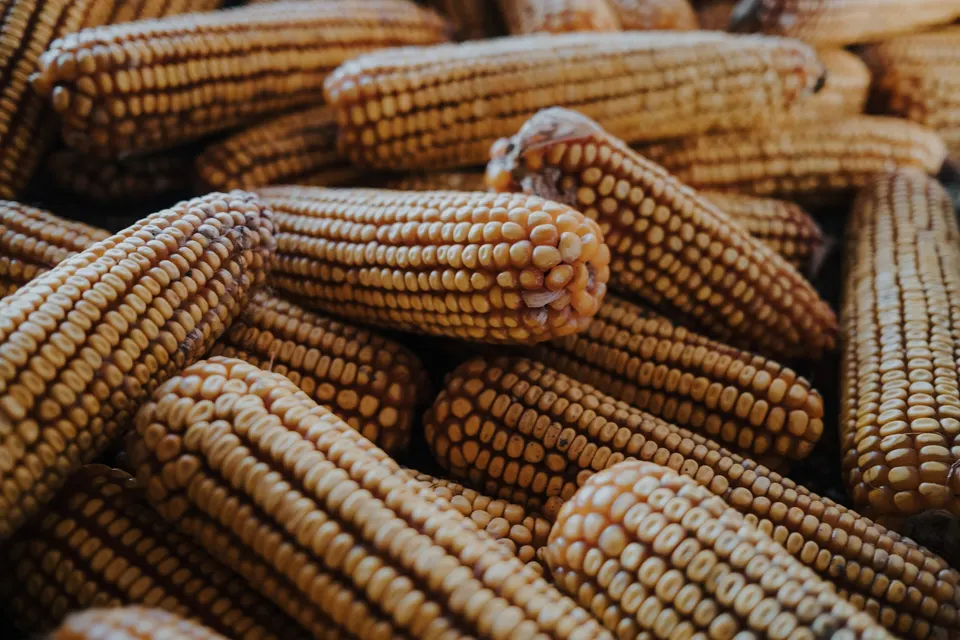
Beans, corn and potatoes all came to Europe from the Americas, and all three became staples of the Istrian countryside. Dried corn was ground for palenta, the local polenta, while the young, sweet cobs of late summer went into the pot for maneštra. That is why this soup tastes so strongly of its season.
Tips and variations
- Cook dried beans thoroughly. Beans must be completely soft before you eat them; undercooked dried beans can upset the stomach. Old beans take longer, so taste rather than trust the clock.
- Tinned beans. In a hurry, use 3 tins of borlotti beans (about 720 g drained weight), add them with the potatoes and cut the first cooking stage to 30 minutes with the smoked meat alone. The result is lighter but still good.
- Vegetarian maneštra. Leave out the meat and pancetta, make the pešt with olive oil, garlic and parsley, and add a pinch of smoked paprika for depth.
- Winter version. Without fresh corn, many cooks use chickpeas or a handful of barley instead, or simply more beans and potatoes.
- Pasta. Some families add a handful of small pasta for the last 10 minutes. Add a little extra water if you do.
- Freezing. Maneštra freezes well for up to three months. Cool it quickly and freeze in portions.
Where to eat maneštra in Istria
Look for it in family-run konobas in the interior, especially in autumn and winter, often as a dish of the day rather than on the printed menu. In late summer, ask whether there is maneštra with fresh corn. Our guide to konobas explains how to find a good one. A bowl of maneštra followed by a plate of Istrian pršut and cheese, with a jug of red wine, is about as honest a meal as Istria offers.
Which wine? A young Teran is the classic choice, its fresh acidity cutting through the richness of beans and smoked pork. Our guide to Malvazija, Teran and the wines of Istria has more.