How Istria's signposted wine roads work, which areas to explore, how to book a cellar visit and how to plan a relaxed tasting day without driving after drinking.
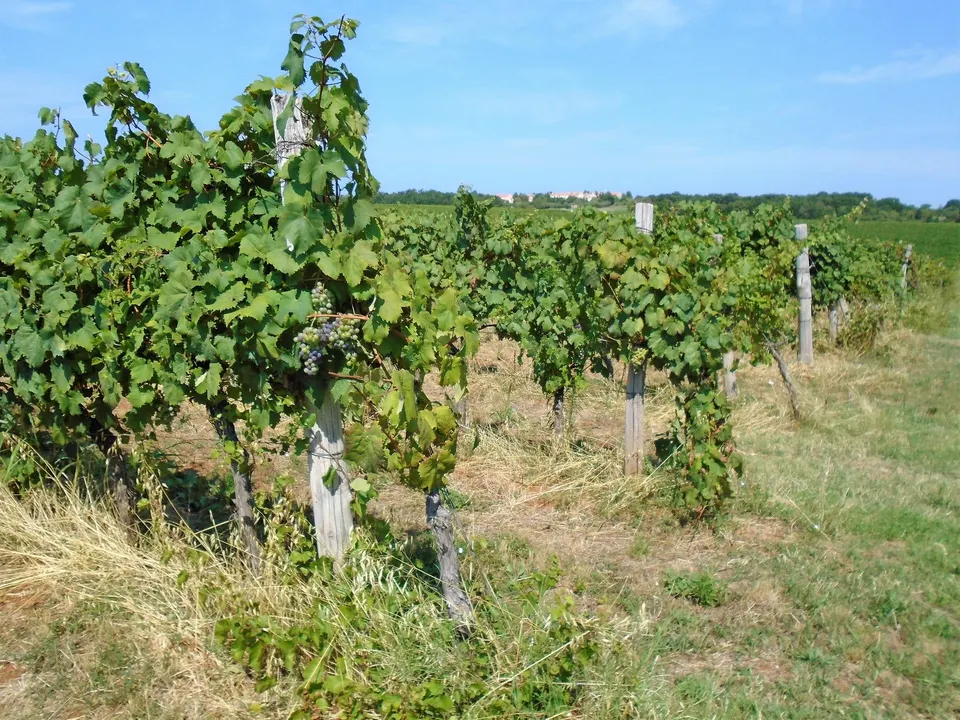
Istria is a small wine region with a big number of cellars. Most of them are family estates, some with a modern tasting room, many with nothing more than a table under a pergola and a cellar beneath the house. Roadside signs point the way from the main roads into the vineyards, and following them is one of the most pleasant ways to spend a day on the peninsula.
This guide is about the practical side: how the wine roads work, where to go, how to arrange visits and how to plan the day. If you want to know the grapes first, start with our guide to Malvazija, Teran, Muškat and Refošk.
What are the Istrian wine roads?
The wine roads are not a single route but a network of signposted country roads that link wine-producing villages and estates across the peninsula. Cellars that receive visitors are marked with roadside signs, and the regional tourist board and local tourist offices publish maps that show where they are. Think of the network as a framework: you choose two or three cellars in one area and let the day unfold around them, with lunch in between and a hill town for the evening.
Which areas are best for wine tasting?
Good wine is made all over Istria, but the cellars are not spread evenly. A few areas have so many within a short drive that they are natural bases for a tasting day.
- The north-west: Buje, Brtonigla, Momjan and Grožnjan. The densest cluster of estates on the peninsula, on rolling hills between the coast and the Mirna valley. Momjan is the home of the golden Muškat momjanski.
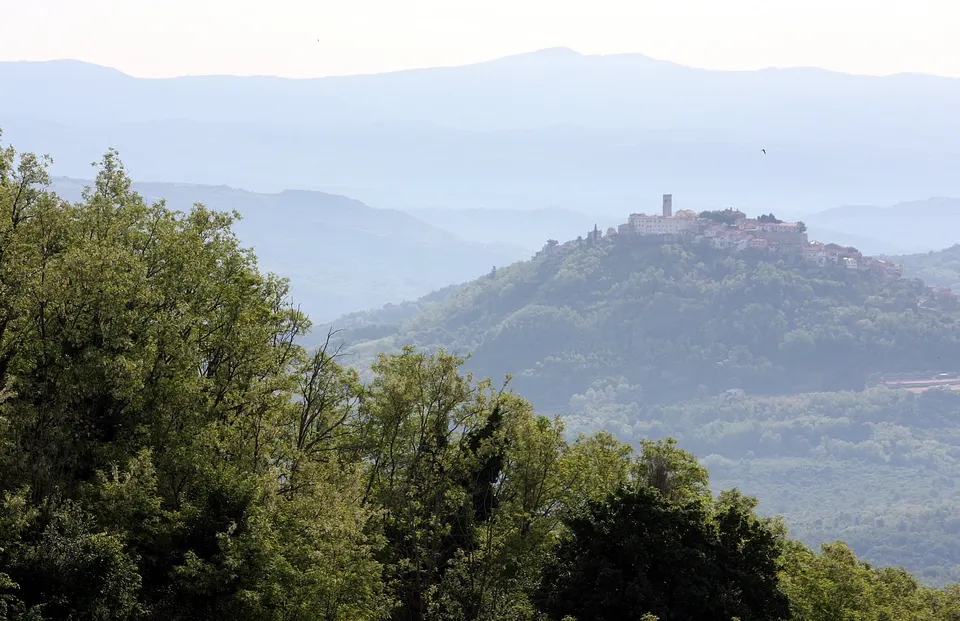
- The Motovun and Vižinada area. Vineyards on the slopes above the Mirna valley, with the hill town of Motovun in view for much of the day. Easy to combine with truffles in autumn.
- The west coast hinterland: Poreč, Višnjan and Vrsar. Red-soiled vineyards a short drive from the beaches, practical if you are staying on the coast.
- The south: Vodnjan, Bale and the area around Pula. Known above all for olive oil, but with cellars too, often on estates that make both.
- Central Istria: Pazin, Žminj and Svetvinčenat. Fewer estates, quieter roads and some of the most rural landscapes on the peninsula.
Do you need to book a winery visit?
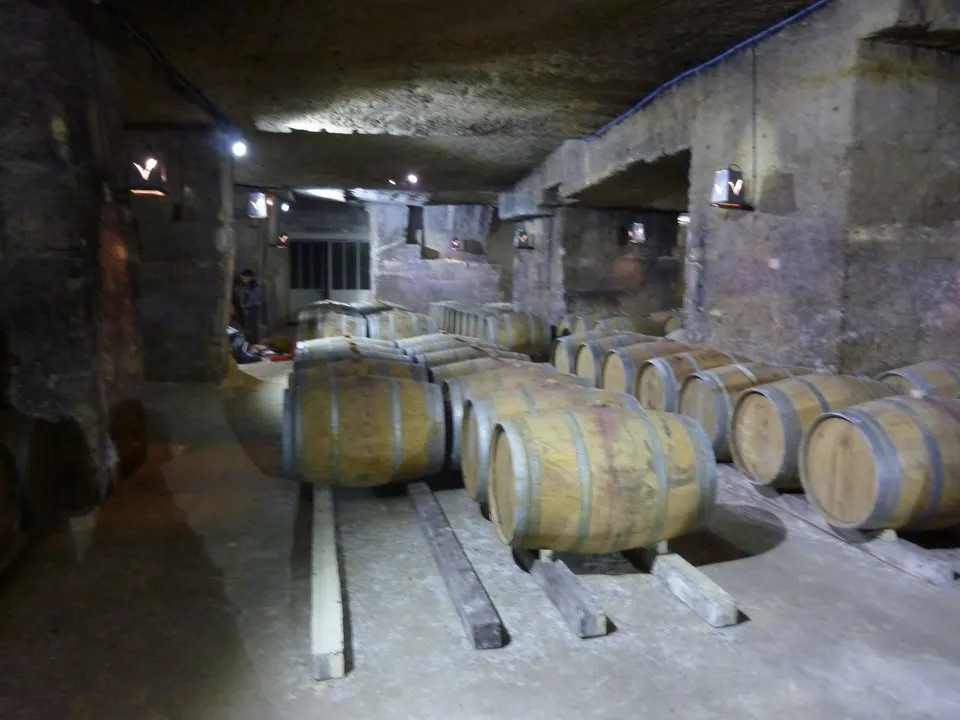
Usually, yes. A few larger estates keep regular opening hours for their shop and tasting room in summer, but most Istrian cellars are run by families who are also working the vineyard, the cellar and often a few olive trees and a kitchen garden. A message or call a day or two ahead is polite and practical: someone will be there to meet you, and the tasting can be prepared properly. Outside the summer season, booking is essential.
When you book, ask what the visit includes. Formats vary a great deal, from a quick taste at the counter before you buy, to a guided tasting of several wines with pršut, cheese and olive oil, to a walk through the vineyard and cellar. Prices and durations vary too, so it is worth asking rather than assuming.
What happens at a tasting?
A typical tasting moves from fresh to rich: a young Malvazija first, then an older or barrel-aged one, perhaps a rosé, then reds such as Teran or Refošk, and sometimes a sweet Muškat to finish. Many estates serve bread, olive oil, cheese or pršut alongside, and the conversation is half the pleasure. The person pouring is often the person who made the wine.
The person pouring the wine is very often the person who made it.
It is perfectly acceptable to taste and not drink everything. Spittoons or buckets are normal at serious tastings, and nobody is offended if the driver tastes only a sip, or simply smells the wines. Buying a few bottles at the end is a natural way to say thank you, though at a paid tasting it is not an obligation.
When is the best time to visit Istrian wineries?
Every season has something. Late spring is lovely: the vines are green, the roads are quiet and the new white wines are just released. Istria also traditionally holds a day of open cellars in late spring, when many estates welcome visitors at the same time. Summer is the busiest season, when tasting rooms are most likely to be open, though midday heat makes long vineyard walks less appealing. September and October bring the harvest, the most atmospheric time of all, but families are working long days, so be flexible and accept that a visit may be shorter. Winter is quiet, and with an appointment it can be the most personal time to visit.
How to plan a wine day without driving
Croatia has strict drink-driving rules, and the roads to many cellars are narrow and winding. The simplest plan is to have a driver who does not drink. Other good options are a guided wine tour with transport, a taxi or private driver for the day, or choosing accommodation within walking or cycling distance of one or two estates. Some cellars in the north-west sit close to cycling routes, and a slow ride between two tastings, with water and a proper lunch, is a fine way to spend a day. Our guide to driving in Istria covers the roads themselves.
Good to know
- Two or three cellars a day is plenty. More than that and the wines start to blur, and you lose the time to talk.
- Eat in the middle. Plan lunch in a konoba between visits. Our guide to konobas explains what to look for.
- Ask about olive oil. Many wine estates also press their own oil, and a combined tasting is common.
- Mind the heat. Wine in a hot car spoils quickly. Bring a cool bag if you plan to buy, and take bottles indoors at lunch.
- Shipping and travel. Some producers can ship abroad; others cannot. Rules for carrying wine across borders differ by country, so check before you buy a case.
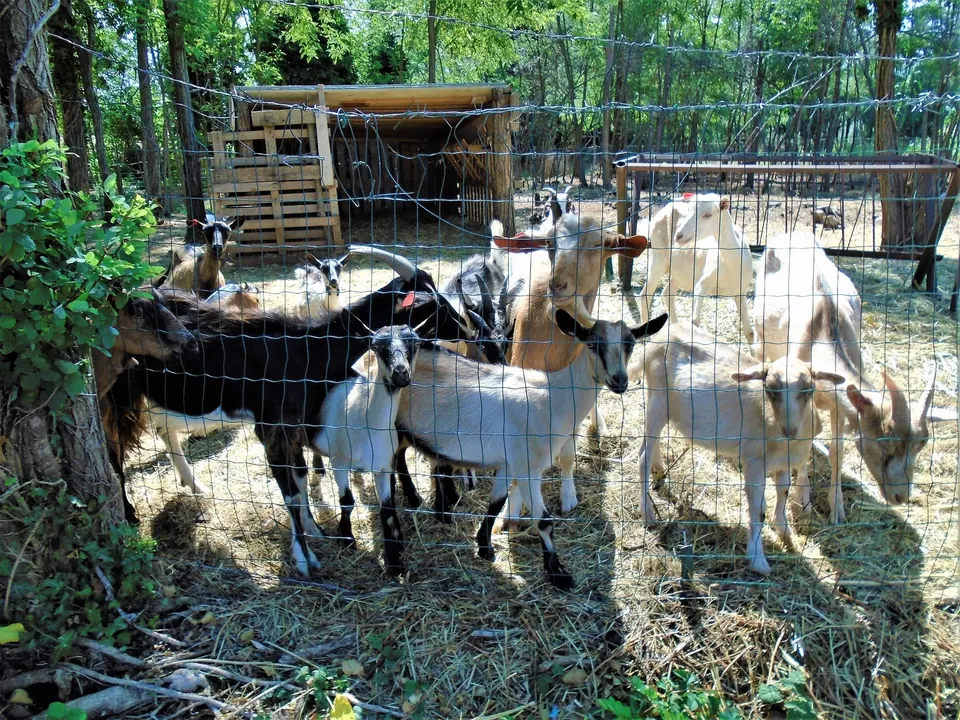
- Children are usually welcome. Many estates are family homes with gardens and animals; ask when you book.
A sample day on the wine roads
Start mid-morning in the north-west with a first tasting focused on Malvazija, fresh and aged side by side. Drive a few minutes to a second cellar for Teran and perhaps a sweet Muškat. Lunch late and long in a village konoba, with pršut, fuži and a jug of house wine for those not driving. Spend the late afternoon in Grožnjan or Motovun, walking the walls as the light turns gold over the valley. Our article on the wines of Istria has more on soils and styles to discuss along the way.
And if the day leaves you dreaming of a house with a cool cellar and a long table for friends, you will not be the first.