A clear guide to the grapes behind Istrian wine: what each one tastes like, how to read a wine list in a konoba, and what to drink with what.
Sit down in almost any konoba in Istria and the wine list will be short, local and, for many visitors, full of unfamiliar names. Malvazija, Teran, Refošk, Muškat: these are the grapes that define the peninsula, and once you know what each one does, ordering becomes a pleasure rather than a guess. This guide goes grape by grape, with notes on style, food and the questions worth asking at a cellar door.
For a broader introduction to the region's wine culture, its soils and the old habit of supa, see our earlier piece on Malvazija, Teran and the wines of Istria. Here we focus on the grapes themselves.
What is Malvazija istarska?
Malvazija istarska is the white grape of Istria and by far the most widely planted variety on the peninsula. The name links it to the large and loosely related family of Malvasia grapes around the Mediterranean, but the Istrian variety is its own grape, with its own character.
In its most common style it is a fresh, dry white: pale straw in colour, with aromas of acacia blossom, pear, apricot and sometimes almond, and a gentle bitterness on the finish that makes it very good with food. It is the wine you will be offered with fish, shellfish, pršut and pasta, and it is rarely expensive.
But Malvazija is also surprisingly versatile. Many producers now make more serious versions: wines aged on the lees, wines matured in acacia or oak barrels, and macerated whites, where the juice stays in contact with the skins for days or weeks. These skin-contact wines are amber in colour, more textured and slightly tannic, and they age far longer than the fresh style. If you see two or three Malvazijas from the same producer on a list, they are probably not repetitions but different styles.
What does Teran taste like?
Teran is the red grape most closely tied to Istria's identity. It thrives on the iron-rich red soil, the terra rossa, of the western and central peninsula, and it produces deeply coloured wines with bright, lively acidity, flavours of red and dark berries, and a slightly wild, earthy edge.
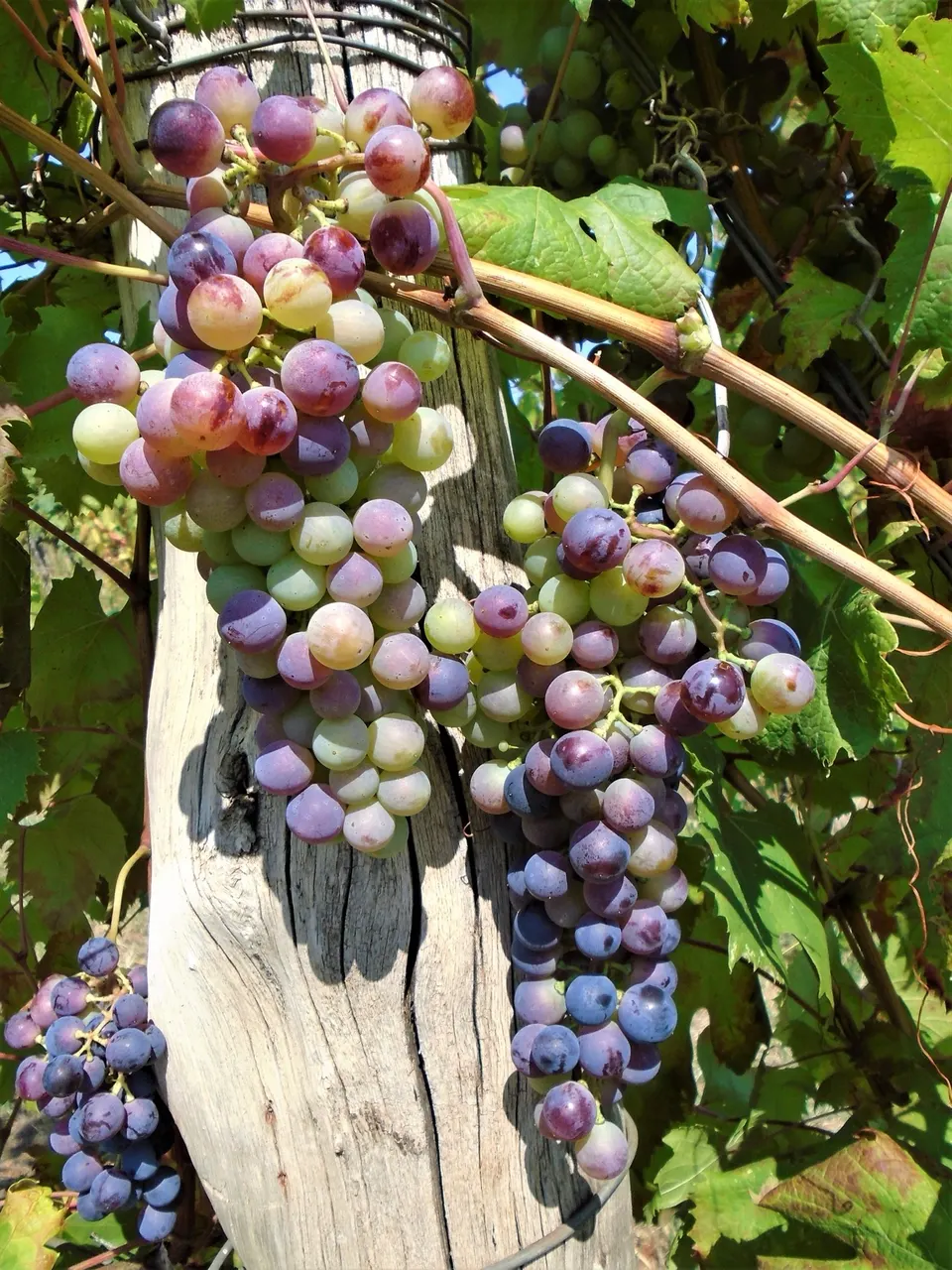
Young Teran can be sharp, almost rustic, and that is part of its charm with fatty, salty food. Aged Teran, especially from good vintages, softens into something more velvety while keeping its freshness. It is the natural partner for pršut, game, boškarin and the rich meat sauces that go with fuži. The grape's name has also been the subject of a long-running labelling dispute between Croatia and Slovenia, which is why you may see different wording on bottles from different sides of the border.
Teran and Refošk: are they the same grape?
No, although they are often confused, and even locals sometimes use the names loosely. Refošk belongs to the wider family of Refosco grapes found across north-eastern Italy and the Slovenian coast. In Istria it is generally a little softer and rounder than Teran, with similar dark fruit but less of Teran's bite. Both are worth trying side by side if a cellar offers them; the difference is easier to taste than to describe.
If you see three Malvazijas from the same producer, they are not repetitions but three different wines.
Muškat momjanski and Muškat ruža
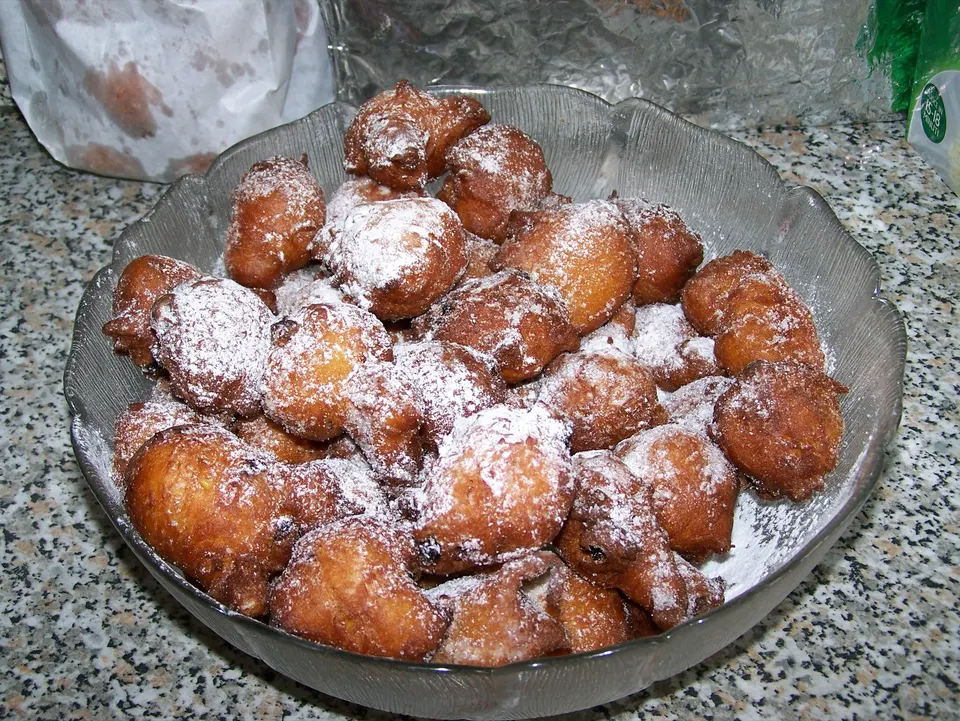
Istria has two muscats worth knowing. Muškat momjanski is a golden white muscat associated with the hills around Momjan in the north-west of the peninsula. It is intensely aromatic, with scents of orange blossom, sage and ripe stone fruit, and it is made in styles from dry to sweet. The sweeter versions are lovely with fritule, cakes and blue cheese.
Muškat ruža, often called Muškat ruža porečki after the Poreč area, is a rarer, pink-skinned muscat with a striking scent of roses. It is usually made as a sweet or semi-sweet wine in small quantities, and it is a fine thing to end a long dinner with. For more on what to eat with it, see our guide to Istrian sweets.
Other grapes on Istrian wine lists
Istrian wineries also grow international varieties, and some of them do very well here. Merlot and Cabernet Sauvignon appear both as single-variety wines and in blends with Teran. Chardonnay and Pinot varieties are common among the whites. You may also meet a few older local names:
- Borgonja. The Istrian name for Blaufränkisch, a red grape with a long history on the peninsula, usually medium-bodied and fruity.
- Hrvatica. An old local red variety, rarely seen, usually light and fresh.
- Blends. Many producers make a red blend that combines Teran's acidity with the softness of Merlot. If you find young Teran too sharp, this is a good place to start.
Why does Istrian wine taste the way it does?
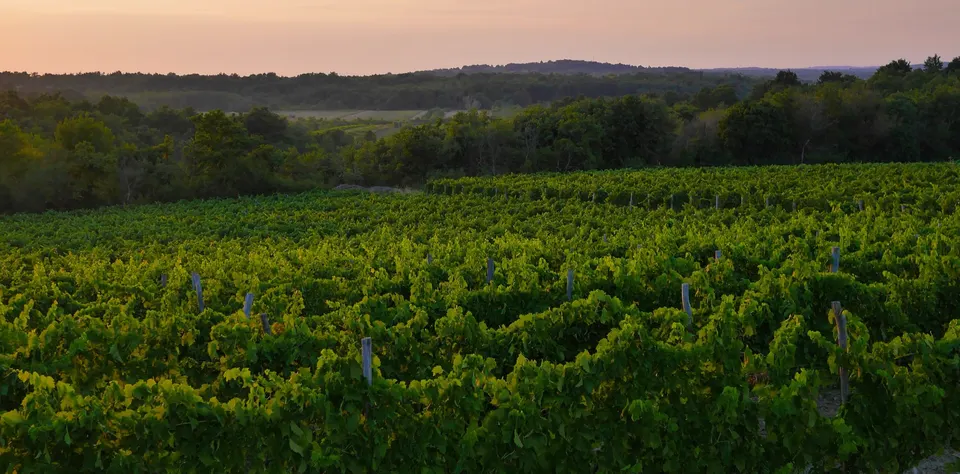
Two things matter most: soil and the meeting of sea and hills. Istria is often described in terms of colour. The red terra rossa lies over limestone in the west and south, close to the sea; the paler grey and white soils, based on flysch, cover much of the hilly interior in the north and centre. As a rule of thumb, Malvazija from the cooler, higher interior tends to be finer and more mineral, while wines from the warm red soil near the coast are often riper and rounder. It is a generalisation, but a useful one when choosing between two bottles.
Which wine with which dish?
- Fish, shellfish and scampi: fresh, young Malvazija. With grilled squid or buzara it is almost always the right answer.
- Pršut, cheese and the cold plate: Malvazija, or a young Teran if you prefer red.
- Fuži with truffles: an aged or barrel-matured Malvazija. Our fuži with truffles recipe explains the dish.
- Game, boškarin and meat sauces: Teran or a Teran blend.
- Desserts and fritule: a sweet Muškat momjanski or Muškat ruža.
Visiting a winery: good to know
Most Istrian wineries are family businesses, and many welcome visitors for tastings, often in a cellar under the house or a small tasting room beside the vineyard. Signposted wine roads run through the main wine areas, which makes it easy to plan a day around two or three cellars.
- Call or write ahead. Smaller cellars often work by appointment, especially outside the summer season.
- Ask for the range. Tasting a fresh and an aged Malvazija side by side is the quickest way to understand the grape.
- Mind the harvest. In September and October, families are busy in the vineyard and the cellar. Visits are still possible, but be flexible.
- Designate a driver. Distances are short but roads are winding; many cellars will happily pack bottles for you to take home.
- Buy at the door. Small producers sell much of their wine directly, and some of the best bottles never reach the shops.
Once you know the four main names, an Istrian wine list stops being a puzzle. Start with a cool glass of Malvazija, move on to Teran with the meat, finish with a little Muškat, and you have tasted the peninsula in one meal.