Green hills and truffles, or islands and Roman palaces? An honest comparison of Croatia's two most popular holiday regions, from travel time and beaches to food, culture and pace.
Ask anyone who knows Croatia where to go on holiday and you will usually hear two names: Istria and Dalmatia. Both have clear sea, old stone towns and excellent food. Both are wonderful. But they are also very different places, and the right choice depends on how you like to travel, how far you want to drive and what you want to do once you arrive. Here is an honest comparison to help you decide.
Where are Istria and Dalmatia?
Istria is the heart-shaped peninsula in the far north-west of Croatia, bordering Slovenia and close to Italy. Its best-known towns are Rovinj, Poreč, Pula and the hilltop villages of the interior such as Motovun and Grožnjan. Dalmatia is the long, narrow coastal region in the south, stretching roughly from Zadar to Dubrovnik, with Split in the middle and hundreds of islands offshore, among them Hvar, Brač, Korčula and Vis.
Getting there: which is easier?
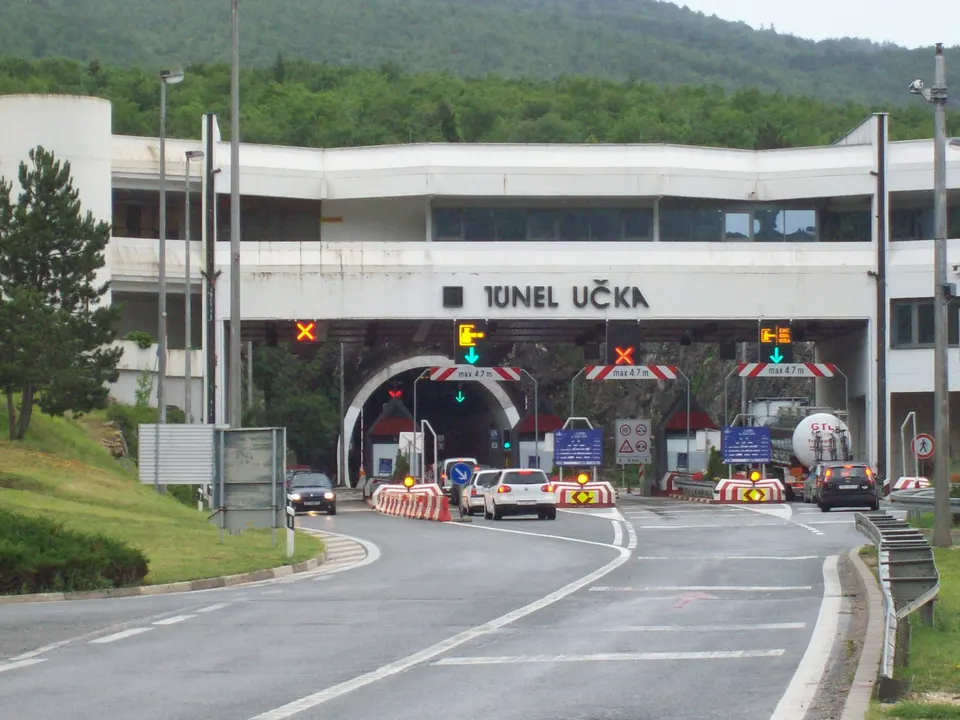
For travellers from Central Europe, this is often the deciding factor. Istria is within a day's drive of much of southern Germany, Austria, Slovenia and northern Italy, so many visitors simply come by car. Dalmatia is much further south, and from most of Europe it usually means a flight to Split, Zadar or Dubrovnik, or a long drive. Within Dalmatia, getting around often involves ferries and catamarans, which need planning in high season. Our guide to getting to Istria covers the routes in detail.
Landscape and character
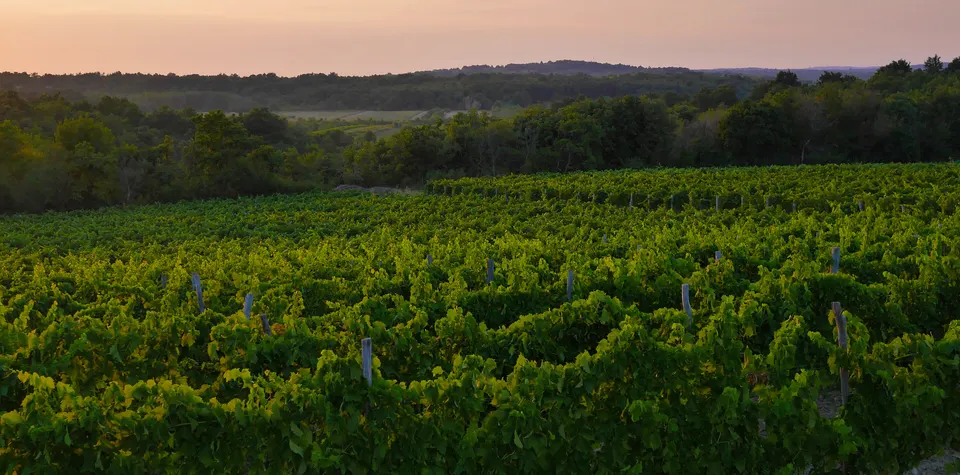
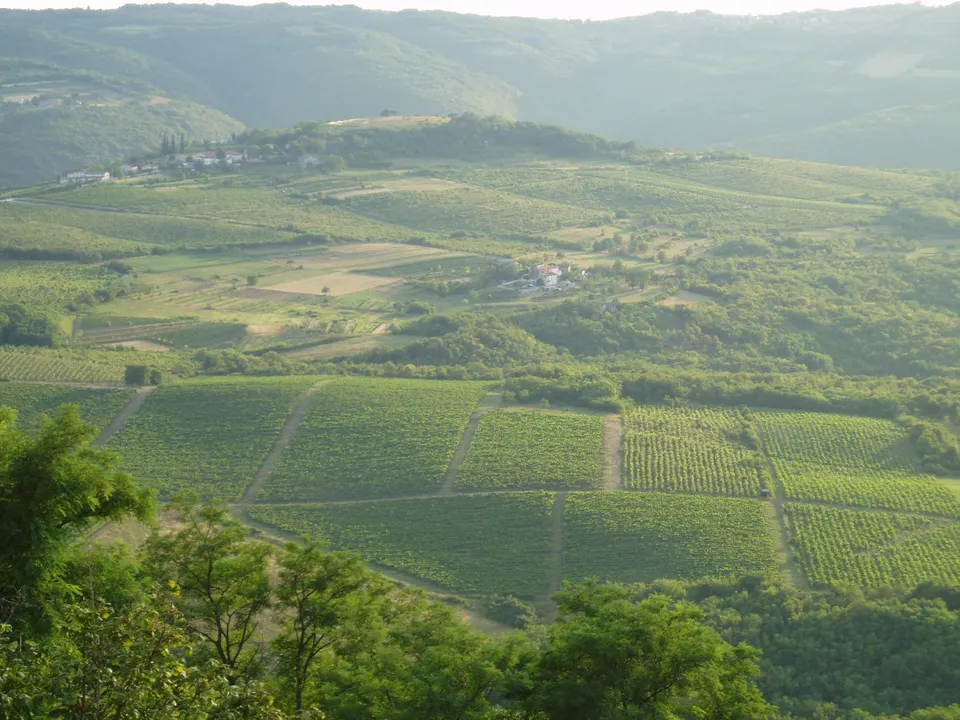
Istria is green. Its interior is a gentle landscape of hills, oak woods, vineyards and olive groves, crowned by medieval hilltop towns. The coast is mostly low and rocky, backed by pine forest. Centuries of Venetian rule and a long connection with Italy have left their mark: many towns are officially bilingual, street names appear in Croatian and Italian, and the atmosphere can feel close to that of northern Italy.
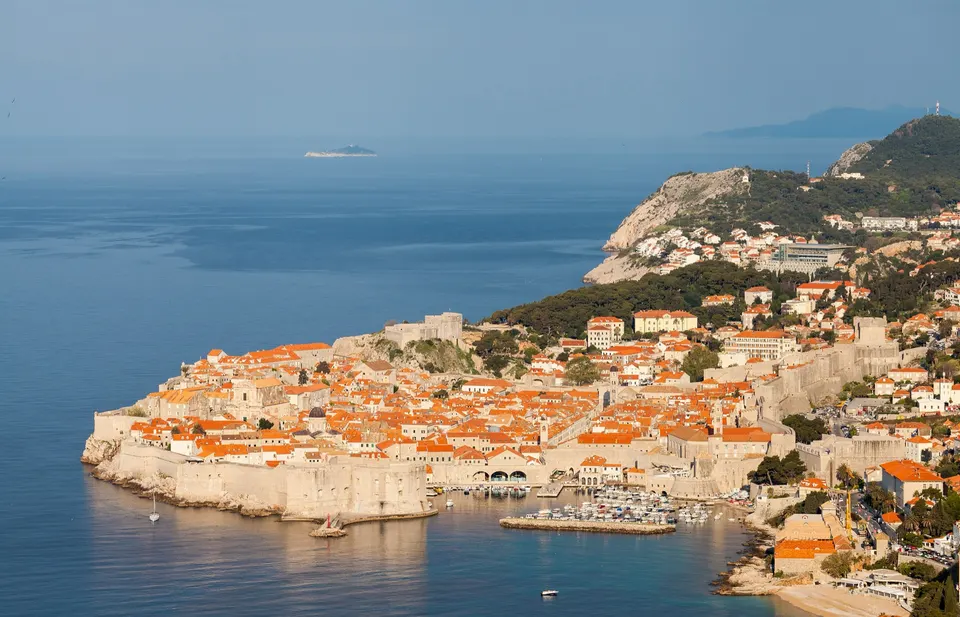
Dalmatia is drier, rockier and more dramatic. Bare limestone mountains rise straight behind the coast, the light is harsher and the summers are hotter. Its towns are grand in a different way: Split grew inside the Roman palace of Emperor Diocletian, and the walled old town of Dubrovnik is one of the most famous sights in the Mediterranean. Both are UNESCO World Heritage Sites, as are Trogir and the Šibenik cathedral. Istria has its own UNESCO site, the Euphrasian Basilica in Poreč, and a remarkable Roman amphitheatre in Pula.
Beaches and islands
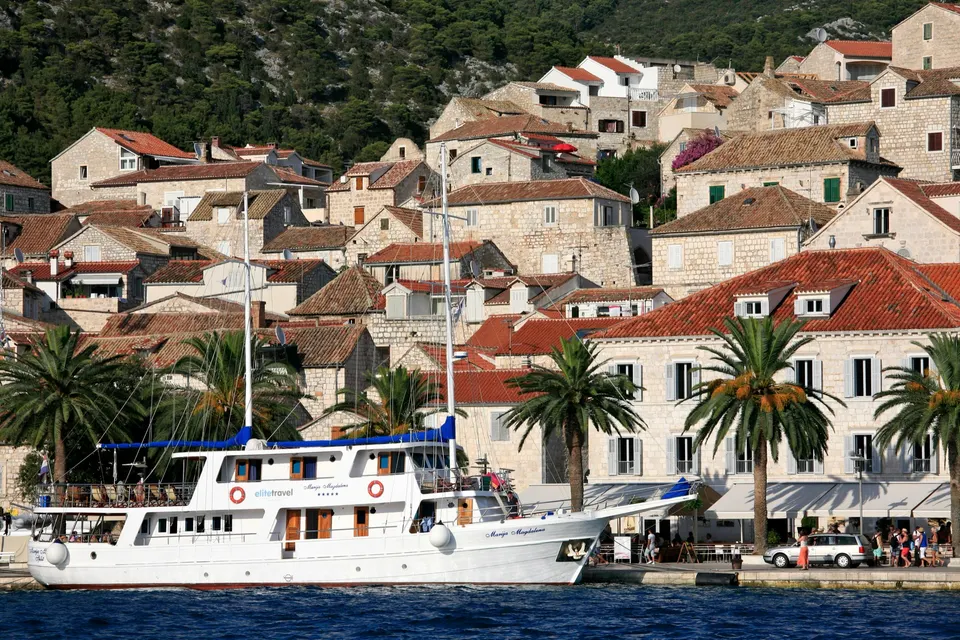
Neither region is famous for long sandy beaches. Both have mostly pebble and rock shores with very clear water. Istria's coast is gentler, with many shaded coves and pine woods close to the water, and plenty of easy access for families. Dalmatia's great advantage is its islands: if your idea of a holiday is hopping from one island harbour to the next, swimming in a different bay every day, Dalmatia is hard to beat. Istria has only a few islands of its own, notably the Brijuni archipelago, a national park.
Food and wine
Istria is Croatia's gourmet region. It is known for truffles, award-winning olive oil, homemade pasta such as fuži and pljukanci, pršut, and wines such as white Malvazija and red Teran. Inland, family-run konobas serve hearty, seasonal food. Dalmatia's cooking is simpler and closer to the sea: grilled fish, octopus, black risotto, dishes slow-cooked under a bell called a peka, smoked pršut and robust red wines made from Plavac Mali. Both are delicious; Istria is the stronger choice if food is the main reason for your trip. Our guide to Istrian cuisine is a good start.
Choose Istria for green hills, short drives and long lunches; choose Dalmatia for islands, Roman stones and hot, bright summers.
Weather and season
Both regions have a Mediterranean climate with hot, dry summers. Dalmatia, being further south, is generally warmer, and its swimming season tends to last a little longer into autumn. Istria is slightly milder in midsummer and greener all year, which makes spring and autumn especially pleasant for walking, cycling and food trips. In July and August, both are busy; for quieter travel, consider June or September.
Crowds are worth thinking about too. The most famous sights of Dalmatia, above all Dubrovnik's old town and the harbours of the best-known islands, can be very busy in high summer, especially when cruise ships are in port. In Istria the pressure is spread more evenly: the coastal towns fill up, but a short drive inland usually brings quiet villages and empty country roads. See our guide to the best time to visit Istria for month-by-month advice.
Which one suits you?
- Choose Istria if you are travelling by car from Central Europe, you want short distances between towns, you love food and wine, or you are travelling with small children.
- Choose Istria if you like combining the sea with inland villages, cycling, hiking and slow afternoons in hilltop towns.
- Choose Dalmatia if island hopping, sailing between harbours and long summer evenings by the water are your idea of a holiday.
- Choose Dalmatia if you want to see Roman Split and walled Dubrovnik, and do not mind flying or longer journeys.
- Combine both if you have two weeks or more. The drive between the two regions is long, so plan at least one overnight stop on the way.
Living there, not just visiting
Many people who holiday in Croatia eventually think about a house of their own. Istria's closeness to Central Europe, its year-round life in the interior and its strong food culture make it particularly popular with buyers from Germany, Austria, Slovenia and Italy. If that is where your thoughts are heading, read our guides to where to stay in Istria and buying property in Croatia as a foreigner.