EU or not, buying a house in Istria is very possible. What matters is knowing which checks to make, which professionals to involve and in what order.
Every year, people from across Europe and further afield decide that their next home, or their second one, should be in Istria. The good news is that buying property in Croatia as a foreigner is well established and entirely possible. The less romantic news is that the process rewards patience and careful checking far more than speed.
What follows is a general overview to help you ask the right questions. It is not legal advice, and the rules can change. For any real purchase, work with an independent lawyer who practises property law in Croatia.
Can foreigners buy property in Croatia?
Yes, but the route depends on where you come from. Citizens of the European Union and the wider European Economic Area can, in general, buy real estate in Croatia on the same terms as Croatian citizens. Agricultural land and some protected areas follow their own rules, so a plot described as 'land with a view' needs a closer look.
For buyers from outside the EU, the starting point is usually reciprocity: whether Croatian citizens can buy property in your country under similar conditions. Purchases by non-EU citizens typically require approval from the competent ministry, which adds a step and some time. Some buyers choose to purchase through a company instead; that has its own tax and accounting consequences and is a decision to take with a lawyer and an accountant, not on instinct.
What you will need first
Before you can buy, you will need a Croatian personal identification number, known as an OIB, which is used for almost every official transaction. A local bank account is often practical too. If you do not speak Croatian, plan for an interpreter or certified translations of key documents; signing something you do not fully understand is the most avoidable mistake there is.
The checks that matter most
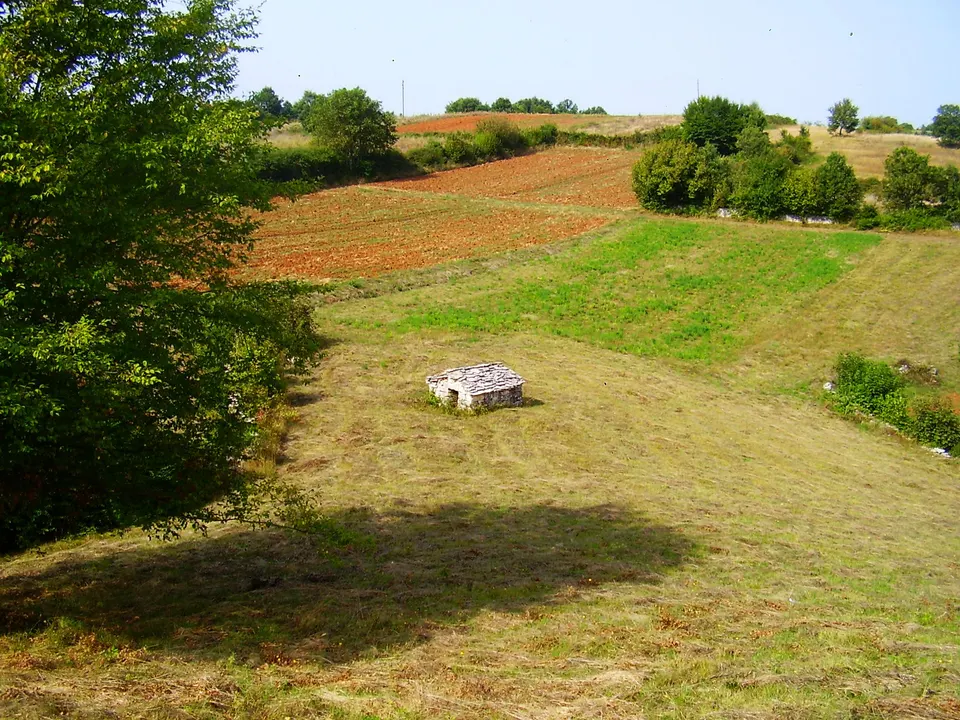
Croatian property records live in two places: the land registry, which records ownership and any rights or burdens on the property, and the cadastre, which records the land's shape, size and use. In some places the two do not fully match each other, or the reality on the ground. Your lawyer's job is to make sure that the person selling actually owns what they are selling, that there are no mortgages, liens or disputes attached, and that the boundaries are what you think they are.
For houses, the other key question is legal status. Was the building constructed with the proper permits, does it have a use permit, or was it later legalised? Extensions, extra floors and pools added over the years are worth checking individually. An energy certificate is also required when a property is sold.
Signing something you do not fully understand is the most avoidable mistake there is.
Buying land to build on
If you are buying a plot rather than a house, ask an architect to read the spatial plan for that exact parcel before you commit. Whether it lies in a building zone, what can be built there and how it connects to roads and utilities will decide its real value. Our guide to the building permit process in Croatia explains what happens next.
How the purchase itself works
In outline, buyers often sign a preliminary contract with a deposit, followed by the main sale contract once the checks are done and any approvals are in place. Signatures are certified by a notary, and the contract is then used to register the new owner in the land registry. Registration is the moment ownership is properly recorded, so make sure it actually happens.
If an estate agent is involved, remember who they work for and who pays them. A good agent can be a real help with finding properties and arranging viewings, but the legal checks should be done by your own lawyer, not left to the person whose fee depends on the sale going through.
There are taxes and costs on a property purchase, including a property transfer tax in many cases, as well as fees for the lawyer, the notary and possibly an agent. Ask for a clear written estimate of all of them before you agree a price, so the total is known rather than discovered.
Checklist before you sign
- Your own lawyer. Independent of the seller and the agent, and experienced in Croatian property law.
- Land registry and cadastre. Ownership, burdens and boundaries checked against what you are buying.
- Legal status of the building. Permits, use permit or legalisation, including later additions.
- A technical survey. An engineer or architect looks at structure, damp, roof and installations.
- The spatial plan. For land, confirmation of what may actually be built.
- All costs in writing. Taxes, notary, lawyer and agent fees before the price is agreed.
- Registration. Confirm the transfer has been entered in the land registry.
After the keys
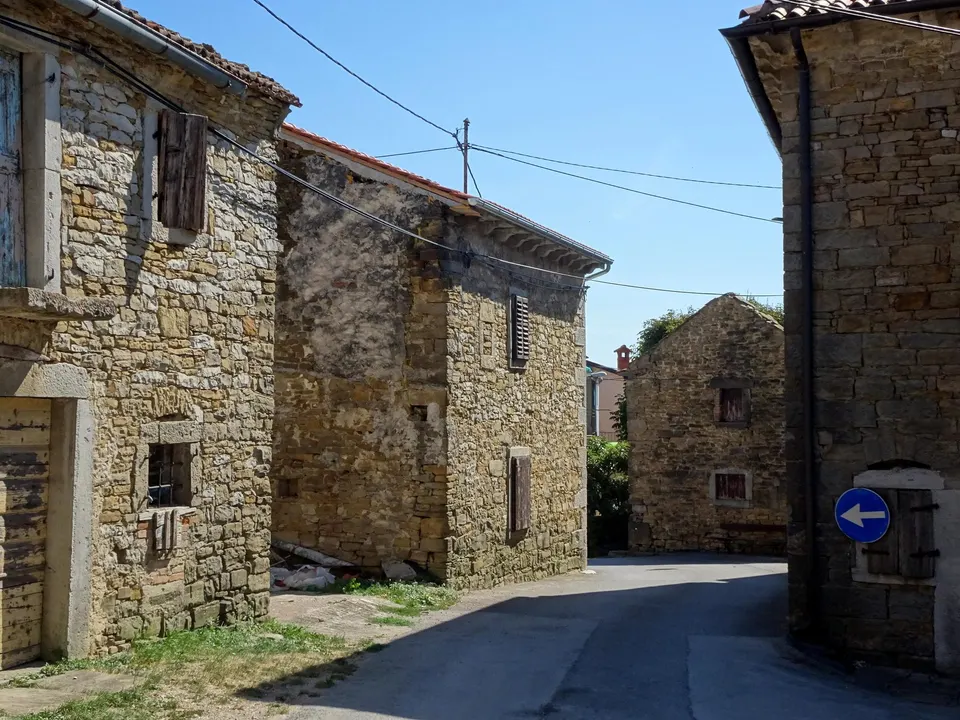
Many buyers then face a second project: renovating and furnishing a house they may only visit a few times before it needs to be ready. Older houses in particular reward a careful approach, as we describe in restoring a stone house. If you plan to rent the property to guests, think early about what holds up to a busy season.
The atelier Lampisa works with many owners at exactly this point, often remotely: you send a moodboard and floor plans, the atelier prepares a 3D render of each room, and once you approve it, the furniture is made in plywood and installed. You can read more in the furnishing timeline after buying a house in Istria.