The final payment is the last moment you have real leverage. Here is how to inspect the work, record what is unfinished and close the job properly.
The end of a building job comes in a rush. The builder wants to move on to the next site, you want to move in, and the final invoice arrives with the last van. It is tempting to pay and be done. But once the final payment has gone, getting someone back to fix a dripping tap or a cracked tile becomes a favour rather than an obligation. A calm, careful handover protects both sides.
In Croatian contracts and quotes, handover is called primopredaja, and the written record of it is the zapisnik o primopredaji. The same document usually lists anything unfinished or defective. What follows is a practical checklist; the legal side of guarantees and retentions depends on your contract, so take advice from a lawyer for anything significant. If you are still at the quote stage, make sure the final clean, testing and handover documents are in the price at all; our free builder's quote check gives a rating and up to three items furthest above the market. The basic result is free; warnings, hidden costs and every item compared are in a more detailed check, a paid extra.
Before the handover day
- Reread the contract and the quote. The handover is checked against what was agreed, including any written changes.
- Ask for the site to be cleaned first. Dust hides defects. Inspect a clean house.
- Choose good light. Daylight, with the lights on as well. Bring a torch to look along walls and floors.
- Bring help. Your architect or supervising engineer if you have one, or someone with a good eye.
- Bring tools. A torch, a spirit level, a phone charger to test sockets, masking tape to mark defects, and a notebook or phone for photos.
What to check, room by room
Walls, ceilings and floors
Shine a torch along each wall at a low angle: bumps, patches and uneven glet show immediately. Check paint at corners, around sockets and along skirting. Walk every floor and listen for hollow tiles or creaking boards. Check that tile joints are even, that cut tiles sit where they are least visible, and that thresholds between rooms are neat.
Bathrooms and kitchen
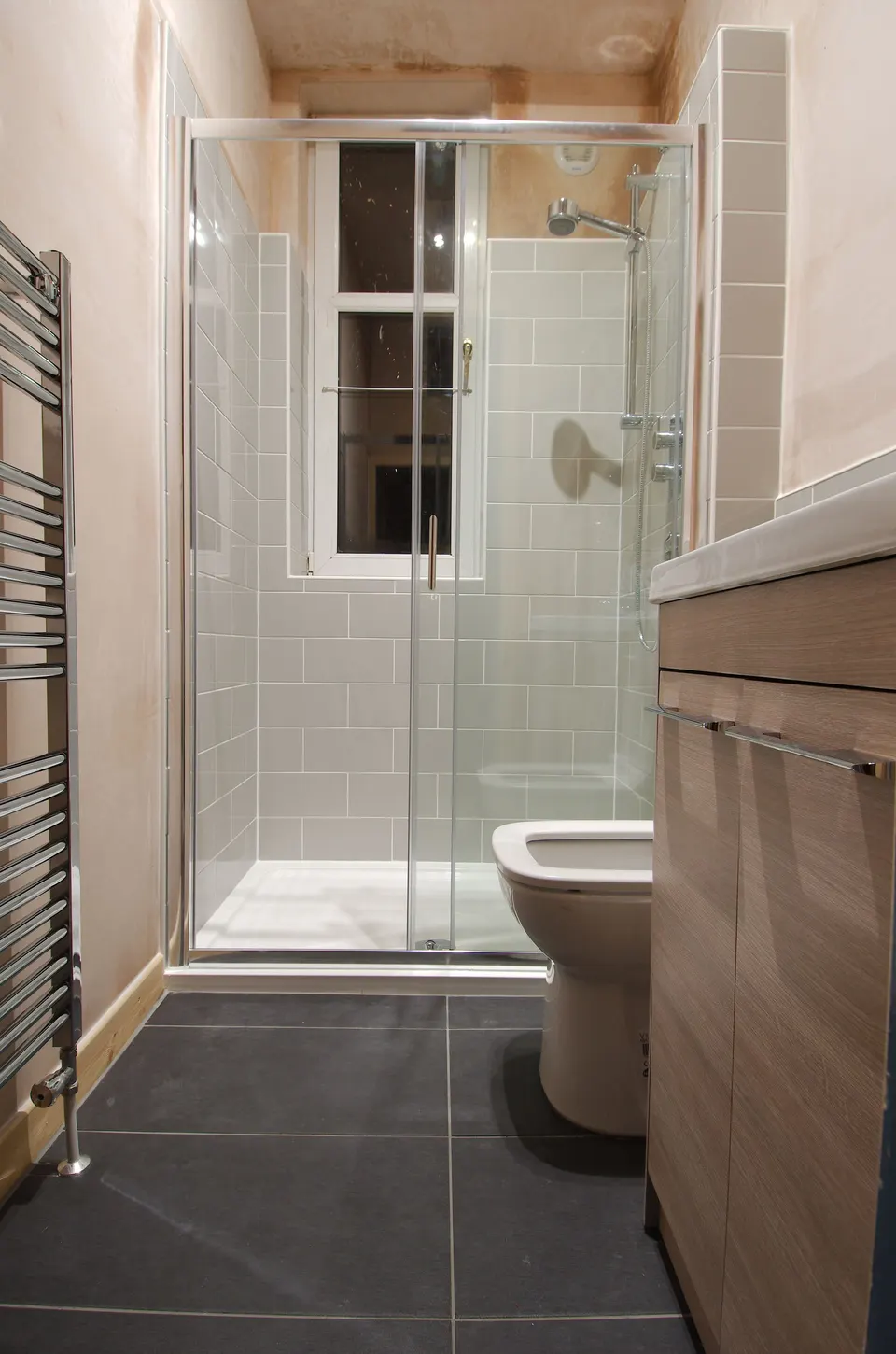
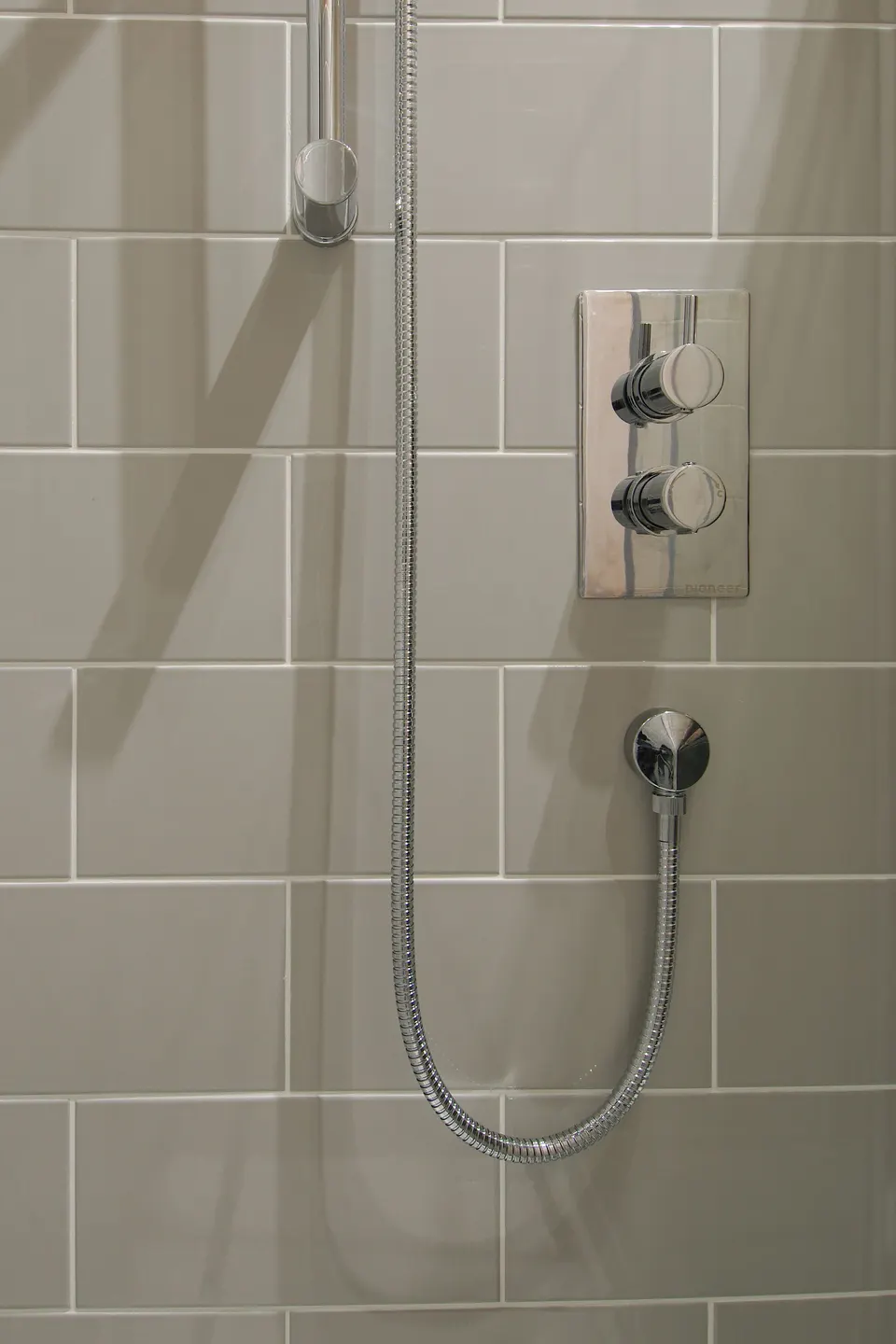
Run every tap, hot and cold, for a few minutes. Fill and drain the bath, run the shower and watch where the water goes: it should flow straight to the drain, not pool in a corner. Flush each toilet several times. Look under basins and sinks for drips, and check silicone joints for gaps. Our article on bathroom renovation step by step explains what should be under the tiles.
Electrics, heating and cooling
Switch every light on and off. Test every socket. Run the extractor fans, the heating and the air conditioning, and ask the builder to show you the fuse board and what each circuit controls. Ask for the documentation the electrician is required to provide for the installation; your architect or engineer can tell you what that should include for your type of work.
Doors, windows and joinery
Open and close every door and window, and lock and unlock each one. Check that shutters move freely and that seals are continuous. Look for scratches on frames and glass, which are easy to miss once the protective film comes off.
Outside
Look at the facade, the gutters and downpipes, and where rainwater goes. Check that terraces fall away from the house, that the garden has been cleared of rubble and that any damage to paths, walls or the neighbour's property has been made good.
The snagging list
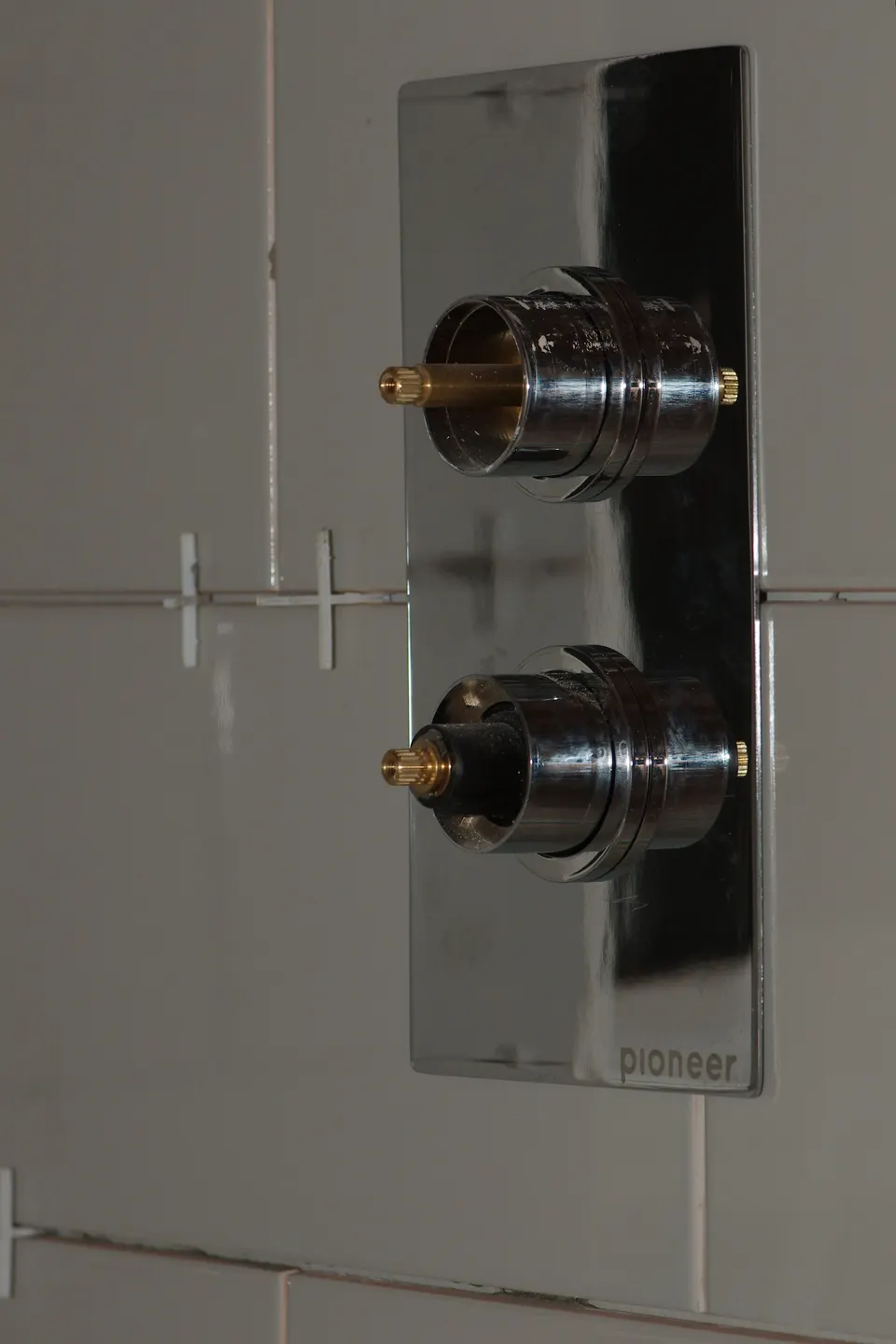
Everything you find goes on one written list: what the problem is, where it is, a photo, and who will fix it by when. Builders call it different things, but in English it is usually a snagging list. Attach it to the handover record and have both sides sign. A short list of small defects is normal on almost every job. What matters is that each item is written down and agreed before the money moves.
Be specific. Crack in wall is hard to act on; hairline crack above the bedroom door, left side, about the length of a hand, is not. Mark each defect with a small piece of masking tape so the builder can find it again, and keep the photos with the list. If the builder disagrees that something is a defect, write that down too, so the disagreement is recorded rather than forgotten.
Once the final payment has gone, a dripping tap becomes a favour rather than an obligation.
Documents to collect
- The signed handover record with the snagging list.
- The final account (okončana situacija) showing the agreed price, any agreed changes and what has already been paid.
- Guarantees and manuals for windows, boilers, heat pumps, air conditioning and appliances.
- Any certificates or test records for the installations, as advised by your architect or engineer.
- As-built information: where pipes and cables actually run. Your first-fix photos are useful here too.
- Contact details for the builder and the main subcontractors for guarantee work.
Making the final payment
Check the final account line by line against the contract, the agreed changes and the payments already made. If the job was priced on measured quantities, ask how the final figures were measured. Your contract should say how unfinished items are handled at the end: some contracts hold back part of the final payment until the snagging list is cleared, others rely on the guarantee. Our contract checklist and guide to payment schedules cover this. Ask your lawyer what is usual and enforceable before you sign the contract, not at the end.
After handover
Keep a note of anything that appears in the first months, especially the first heavy rain and the first winter. Report defects in writing and promptly. And if you are planning your next project, start with the numbers: our renovation calculator gives an indicative cost before you ask for quotes, and the quote check reads the quotes once they arrive.
Handover is also the moment the house becomes a home. If the rooms are ready for furniture, the Lampisa atelier makes made-to-measure plywood pieces for the spaces as they were actually built, not as they were drawn.