How you pay a builder matters as much as how much. Advances, stage payments, retentions and the final payment: a plain guide to paying for work that has been done, not promised.
Most disputes between owners and builders are, in the end, about money paid at the wrong moment. Pay too much too early and you lose your influence over the job. Pay too late and a good builder cannot buy materials or keep a team on site. The aim is simple to state: money should follow work that has been done and checked, with a little held back until the very end.
What follows is a general framework, not legal or financial advice; the details belong in a contract reviewed by a lawyer. And before you agree how to pay for a quote, make sure the quote itself is complete. The builder's quote check gives you a free first read (a rating and up to three items furthest above the market), and its paid detailed check adds warnings and hidden costs.
The advance: what it should pay for
Builders often ask for an advance (predujam or avans) before they start. There are legitimate reasons: windows and doors made to measure have to be ordered, suppliers want deposits, and setting up a site costs money. The right question is not “how much?” but “what does it pay for?”. An advance tied to specific orders is easy to understand and easy to check. An advance tied to nothing in particular is a loan from you to the builder.
There is no single correct size. It depends on the project and on what has to be ordered early. On larger jobs, an advance is sometimes secured with a bank guarantee for its repayment; ask your lawyer whether that makes sense for yours.
Stage payments linked to finished work
The safest structure pays in stages, each one tied to a piece of work that is finished and can be checked. In Croatia builders usually invoice through interim statements called situacije: a list of the items completed so far, with quantities and amounts taken from the agreed quote or bill of quantities. On a project with a supervising engineer (nadzorni inženjer), the engineer checks each statement before you pay it. A typical sequence for a new house might look like this:
- Foundations and ground slab. Measurable, and photographable before it is covered.
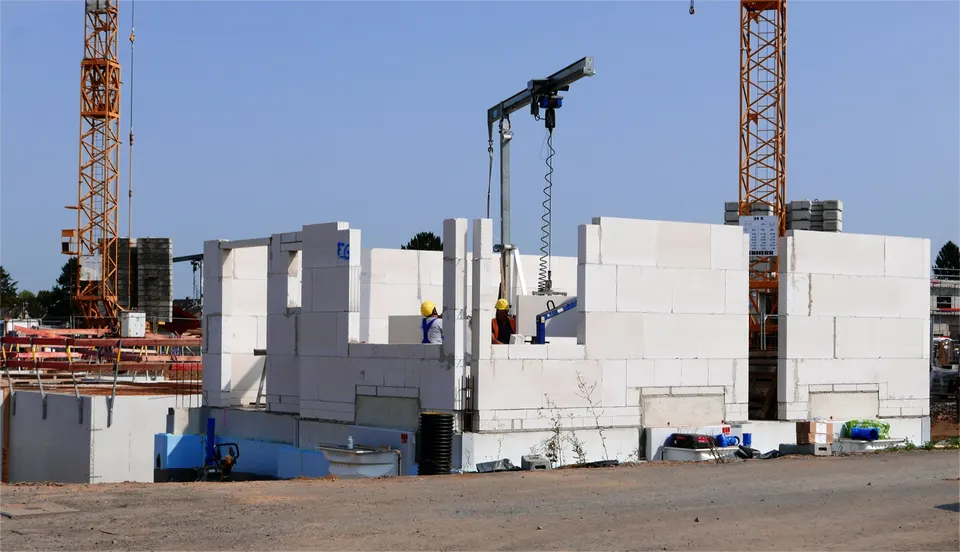
- Shell. Walls and floor slabs complete.
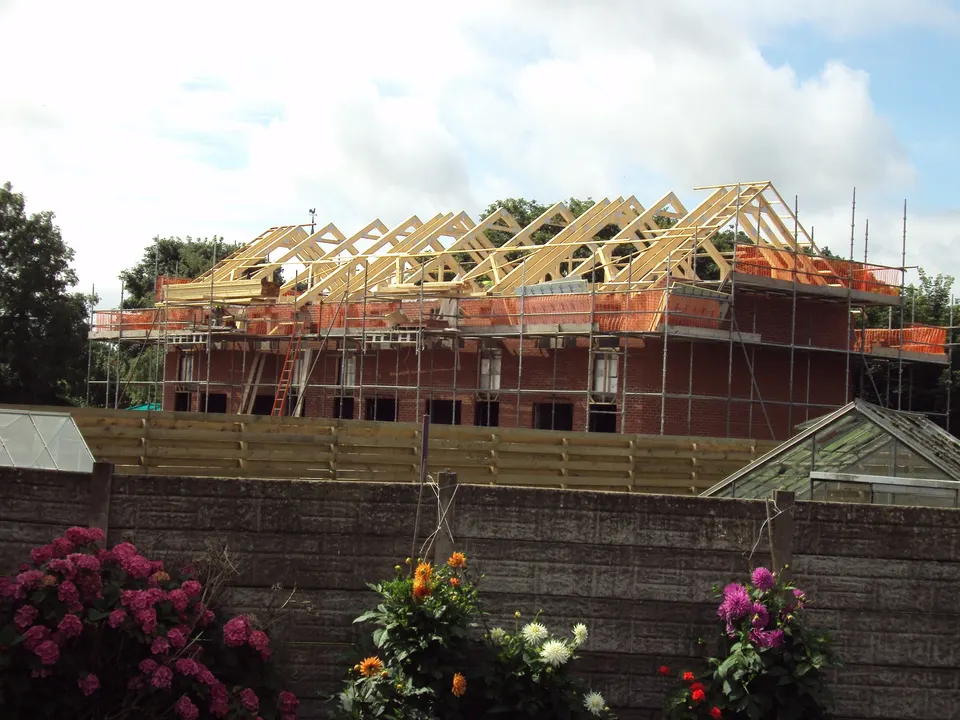
- Roof closed. Structure, waterproofing and covering done, so the house is dry.
- Windows and external doors fitted.
- First fix installations. Pipes, cables and ducts in place, tested, before plaster and screed hide them.
- Plaster and screed.
- Finishes. Floors, tiling, painting, sanitaryware.
- Handover. With part of the money held back until defects are fixed.
Link payments to stages rather than dates. A schedule that says “second payment on 1 March” pays the same whether the roof is on or not.
What to check before each payment
Compare the statement with the quote: are the items listed actually finished, and do the quantities match what is on site? If you live abroad, ask your supervising engineer or architect to confirm it in writing, and ask the builder for dated photographs. Be especially careful with anything about to be covered. Underfloor heating, pipes in walls and waterproofing under tiles are invisible a week later, and so are any mistakes.
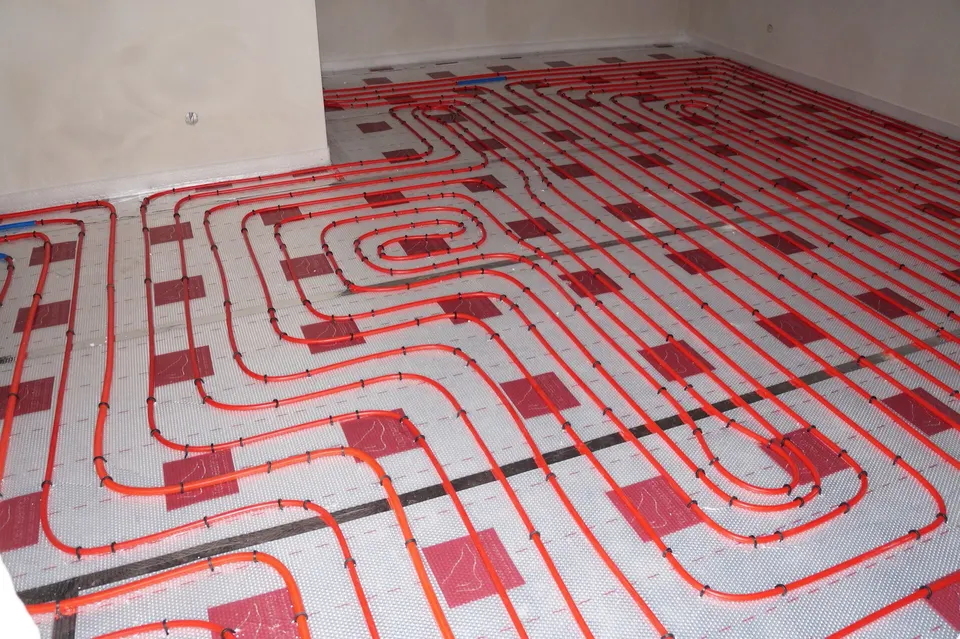
Pay for what you can see, and photograph what you are about to stop seeing.
Holding back the final payment
Keep part of the price until the job is handed over and the snag list is cleared. This retention is the most effective way to make sure small defects get fixed, because it gives the builder a reason to come back. The contract should say how much is held, what releases it and what happens if defects are not repaired. For larger projects, a guarantee for the defects period is another tool your lawyer can advise on. Our guide to what to check at handover lists what to look at before releasing the last payment.
Paying from abroad: keep it clean
- Bank transfers only, to the company account named in the contract.
- An invoice for every payment, referring to the contract and to the stage or statement it covers.
- No cash, whatever discount is offered for it.
- One record of everything. Quote, contract, statements, invoices and payments in one place, so you always know what you have paid and what is left.
For that last point, a spreadsheet works, or the My project area of the Atrij tools, which keeps quotes, invoices, payments and deadlines together (for now in Croatian only). If you do not have a budget to measure payments against yet, the renovation calculator gives an indicative, item-by-item starting figure.
If you buy some materials yourself
Some owners buy tiles, sanitaryware or flooring themselves and pay the builder for labour only. It can make sense, especially for finishes you care about, but it changes the payment picture. You pay suppliers directly, you are responsible for ordering the right quantities and for delivery on time, and a delay on your side can hold up the builder. Agree in writing who checks deliveries for damage, who stores materials on site, and who is responsible if something fails: the product or the way it was fitted. Before you buy, compare material prices at the large retailers with the figures in the builder's quote, so you know whether supplying them yourself is actually worth it.
Warning signs
- A large payment requested before anything has been ordered or started.
- Requests to pay in cash, or into a personal account.
- Pressure to pay for the next stage before the current one is finished.
- Invoices that do not say what they are for.
- Reluctance to show you the work, or to let your engineer see it.
None of these proves bad intent, but each is worth a calm question before you transfer money. For the bigger picture of choosing and working with a contractor, see how to choose a builder in Croatia, and before agreeing any schedule, run the quote behind it through the quote check.
The same logic applies to furniture. With from moodboard to render, the approved 3D render is a natural milestone: it fixes what will be made before production starts. Whoever makes your furniture, ask what any deposit pays for and when the balance is due.