Most overruns are not bad luck. They come from the same few places, and most of them can be seen coming. Here is where the money goes and how to hold some back.
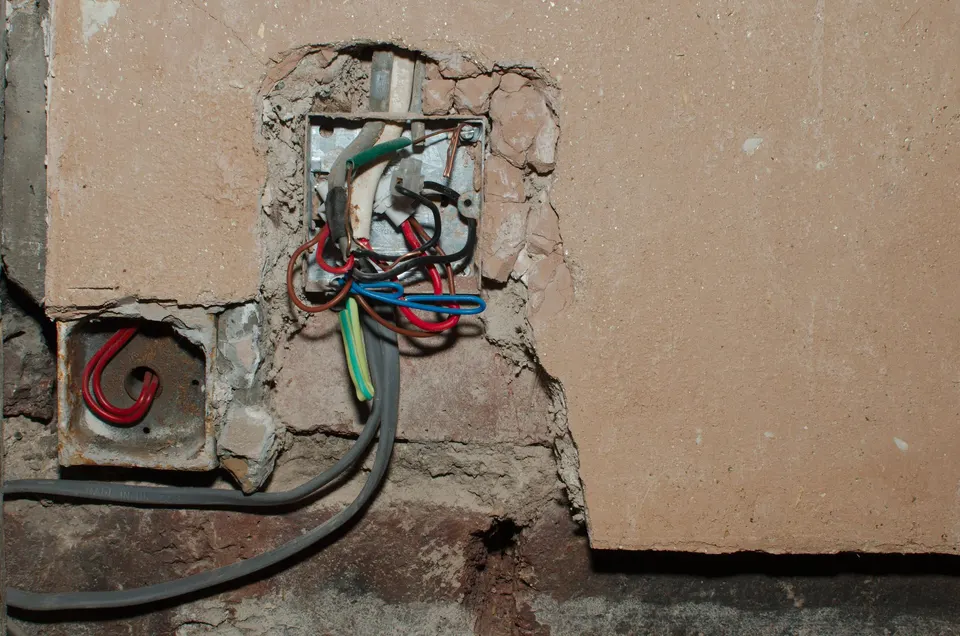
Almost everyone who has renovated a house has a story about the moment the budget stopped making sense. The wall that turned out to be rotten behind the tiles. The wiring that had to be replaced throughout. The kitchen that grew by two metres. Each decision felt reasonable at the time, and together they added up to a bill nobody planned for.
Overruns are common enough that they should be treated as part of the plan, not a failure of it. The good news is that they come from a handful of predictable places. If you understand them, you can reduce most of them and keep a reserve for the rest. A useful first step is to know what the job should roughly cost: our free renovation calculator gives an indicative cost for a flat or house, broken down item by item, after a few minutes of questions.
Where do overruns come from?
1. What the walls reveal
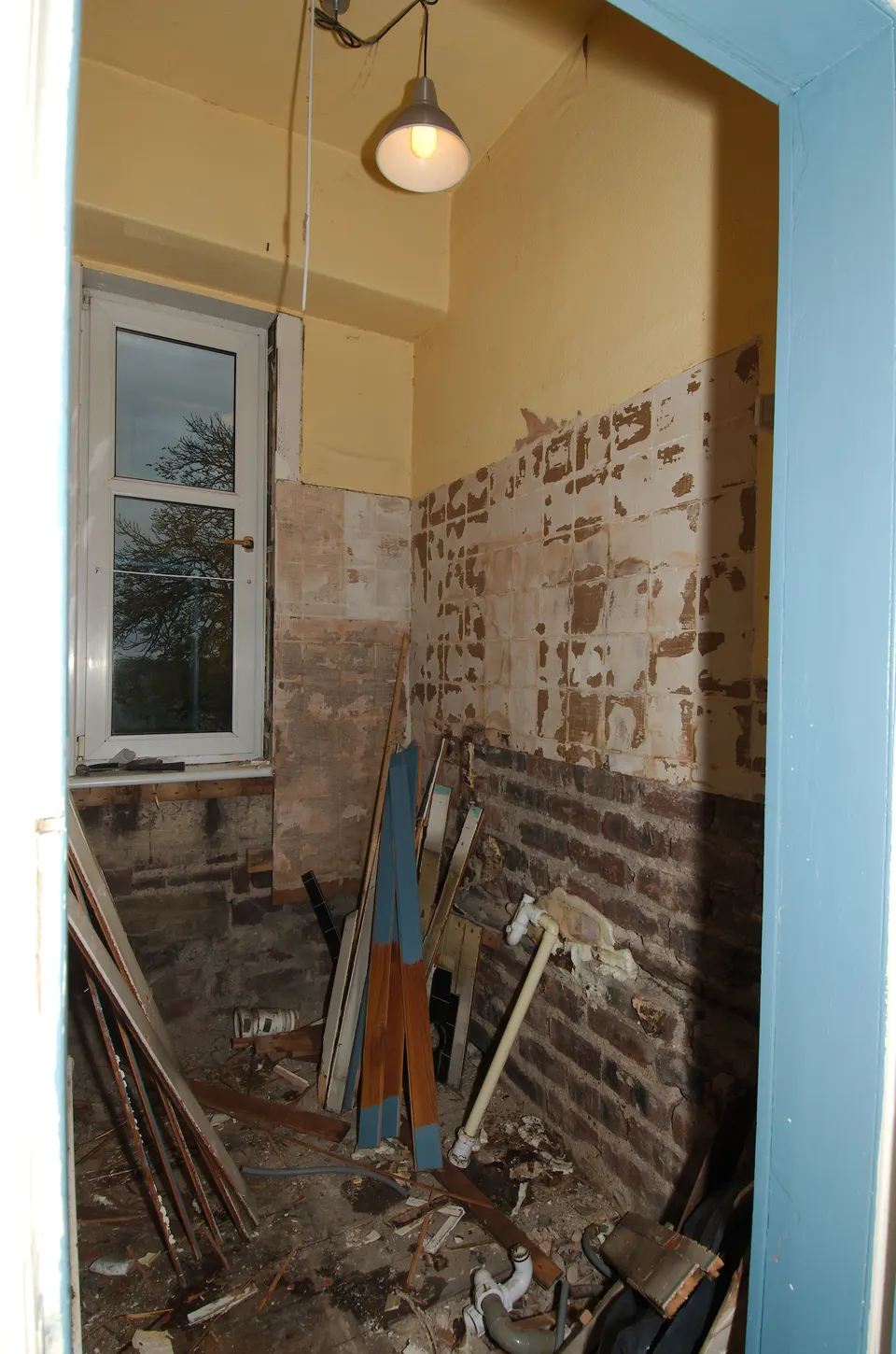
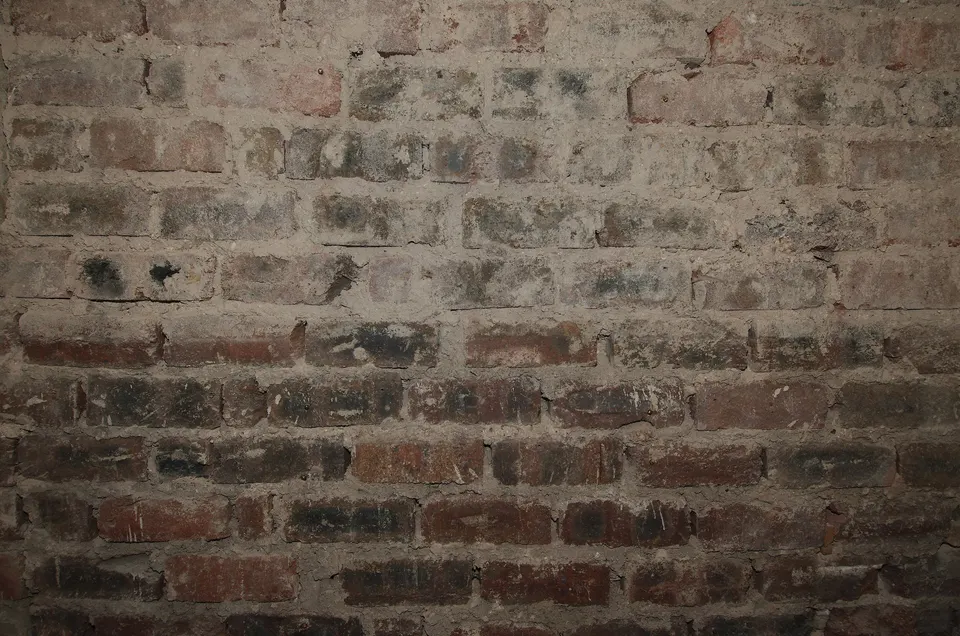
In an older house, and especially in a stone house in Istria, nobody knows exactly what is behind the plaster until it comes off. Damp in the walls, timber beams softened at the ends, old pipes, wiring that does not meet current standards, floors laid straight onto earth. A careful survey before you start reduces the surprises, but it cannot remove them. Our guide to what a stone house renovation costs explains why these buildings need extra margin.
2. A quote that did not describe the job
If the quote is vague, the extras will be specific. Lines such as bathroom, complete, or electrical works, as required, leave room for very different interpretations. When something turns out not to be included, it comes back as an additional item. A detailed brief and a bill of quantities with measured items are the best protection. Before you sign, run the quote through our builder's quote check: the free result gives a rating and up to three lines furthest above the market, and the paid detailed check adds warnings and hidden costs, so you can ask about them while you still have leverage.
3. Things nobody priced
Some costs sit outside the builder's quote altogether: the architect, the engineer, permits and fees, connections to water and power, furniture, curtains, lighting, appliances, moving and storage, and the rent you pay while you cannot live in the house. They are easy to forget because no single invoice is large, but together they matter. Write them down from the start.
4. Changes of mind
This is the overrun owners cause themselves, and it is often the largest. A wall moved after the plumbing is in, a different tile chosen after the first one has been delivered, an extra socket after the plaster is finished. Each change costs the new work plus the undoing of the old. The cheapest place to change your mind is on paper, and the second cheapest is in a 3D render, which is why we encourage owners to settle layouts and furniture early. The from moodboard to render process with the Lampisa atelier exists for exactly this reason.
The cheapest place to change your mind is on paper. The most expensive is after the plaster has dried.
5. Time
Delays cost money even when no one sends an invoice for them: a longer rental, a lost season of bookings, materials ordered again because the first batch was damaged on site. In Istria, coastal municipalities often restrict noisy building work during the summer season, so a job that slips can lose months rather than weeks. Our article on building season rules in Istria explains the general picture; check the rules for your own municipality.
How big should the reserve be?
There is no single correct figure. A newer flat with a clear scope needs less margin than a stone house that has stood empty for decades. Ask your architect or engineer to suggest a reserve for your specific building once they have seen it, and treat their figure as a minimum, not a target. What matters most is that the reserve exists, that it is separate from the builder's quote, and that it is not spent on upgrades.
It also helps to decide in advance what you would cut if the reserve runs out. A list of things that can wait, such as a garden wall, a second bathroom upgrade or some of the furniture, makes a hard conversation much easier in the middle of a job, when every decision feels urgent.
How to manage the reserve during the work
- Keep it in a separate line. Do not add it to the builder's price, or it will be spent.
- Agree how extras are approved. Every additional item should be priced and agreed in writing before the work is done. Your contract should say how; see our contract checklist.
- Ask for the reason. Is it something hidden, something left out of the quote, or a change you asked for? Each has a different conversation.
- Record everything. Photos of what was found, dated messages, signed changes.
- Do not use the reserve for upgrades. If you want nicer tiles, take the difference from elsewhere in the budget.
- Review it at each stage. If little has been spent by the time the walls are closed, the riskiest part is usually behind you.
What you can do before the work starts
Most overruns are decided before the first wall is opened. Commission a survey, especially for an older building. Get a clear brief and measured drawings. Ask several builders to price the same thing, and compare their quotes fairly. Decide the finishes, the furniture and the lighting early, so the plumber and electrician know where everything goes. And keep an honest list of the costs that sit outside the builder's quote.
Once you have a rough figure from the renovation calculator and a real quote in hand, compare the two. If the quote is far below the indicative cost, something may be missing. If it is far above, ask why. Either way, you start the work knowing where the money is going.