Two stone houses of the same size can cost very different sums to renovate. The difference is rarely in the finishes. It is in the walls, the roof, the access and the decisions made in the first month.
Ask anyone who has renovated a stone house in Istria what it cost, and the honest answer usually starts with "more than we thought". Not because builders are dishonest or owners naive, but because an old house hides most of its problems until the plaster comes off. The good news is that the things that drive the cost are well known. If you understand them before you budget, the surprises become smaller and fewer.
This guide does not give prices. They change from year to year, from village to village and from one team to the next, and any figure printed here would mislead more than it helps. Instead it explains where the money goes, so that the quotes you receive make sense and you can compare them properly.
Why is every stone house renovation different?
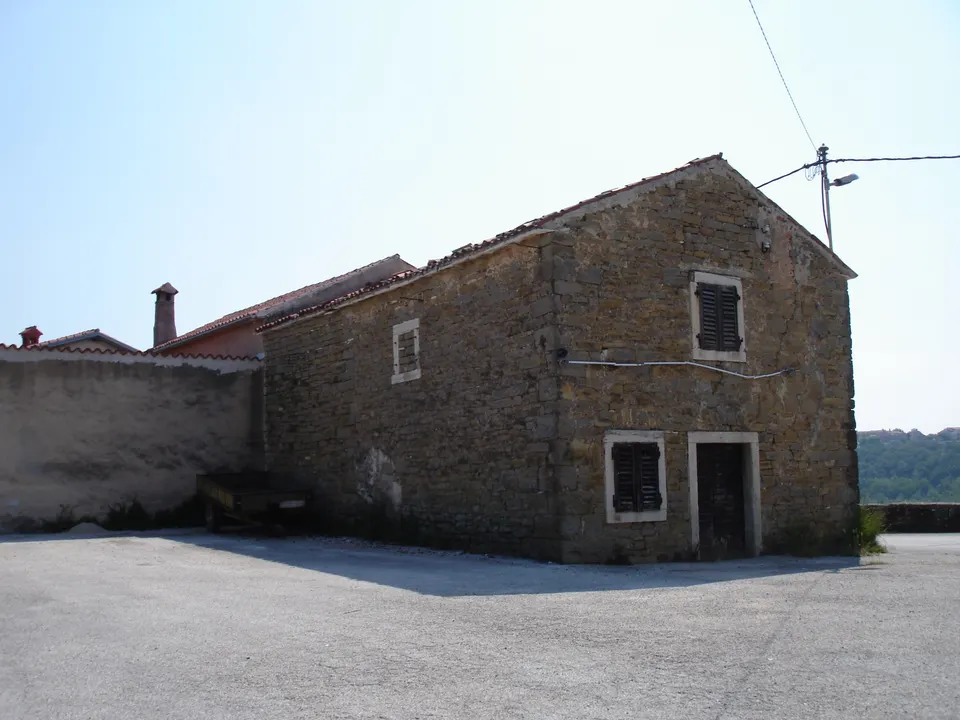
Traditional Istrian houses were built with local stone, lime mortar, timber floors and clay roof tiles, often over several generations. One wall may be two hundred years old, the extension next to it fifty. Some houses were lived in until recently; others have stood empty with a leaking roof for decades. The starting condition matters far more than the floor area, which is why a price per square metre is a poor guide for this kind of project.
1. The structure: walls, floors and foundations
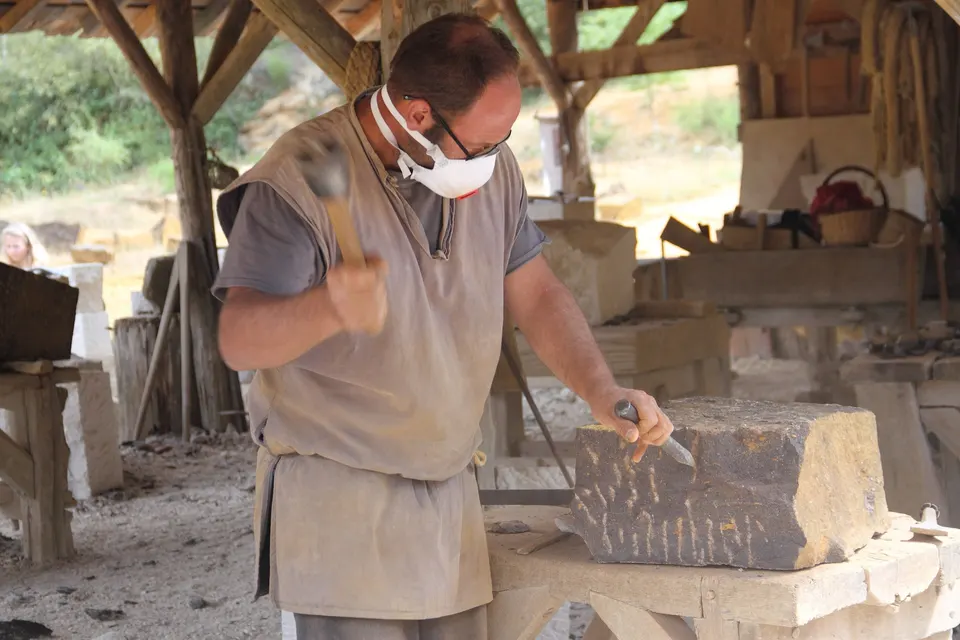
The biggest single factor is the state of the load-bearing structure. Thick stone walls are often sound, but they may have cracks, bulges, loose cores or missing stones where water has worked its way in for years. Timber floors and beams may be rotten at the ends where they sit in damp walls. In some houses the walls have no real foundations at all, simply resting on the rock or compacted earth.
None of this is unusual, and most of it can be repaired. But repair by hand, stone by stone, takes time and skilled masons. A structural survey by an engineer who knows traditional construction is the first money you should spend, ideally before you buy. It turns a vague worry into a list of specific works.
2. The roof
The roof protects everything else, and in an abandoned house it is usually the first thing to fail. Whether the existing timber structure can be kept, partly replaced or must be rebuilt makes a large difference. So does insulation: an old roof without it will make the upper floor unbearable in August and cold in January. Reusing the old clay tiles keeps the character of the house, but sorting, cleaning and supplementing them is labour too.
3. Damp and how it is treated
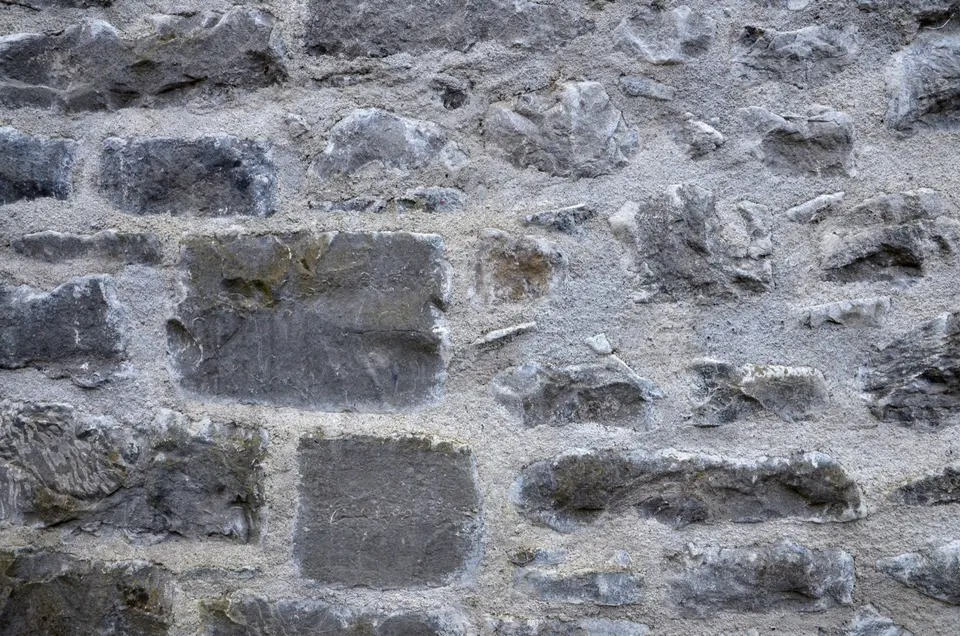
Rising damp, poor drainage around the house and cement renders applied in the last century are the usual causes of wet walls. The right answer is rarely a single product. It is often a combination of better drainage, removing cement plaster, repointing with lime and letting the walls breathe again. The approach chosen affects the cost, and a cheap fix that traps moisture will cost more later. Our guide to lime plaster and breathable walls explains why.
4. Services: water, drainage, power and heating
Many rural houses have old or improvised connections, or none at all. Bringing in mains water and electricity, solving drainage where there is no public sewer, and fitting heating and cooling into thick walls all add up. Underfloor heating under stone floors, a heat pump and good ventilation are what make a stone house comfortable all year, but they need planning before the walls are closed. Whether connections are available at a given plot, and on what terms, is something to check with the utility companies and the local authority early.
5. Access and logistics
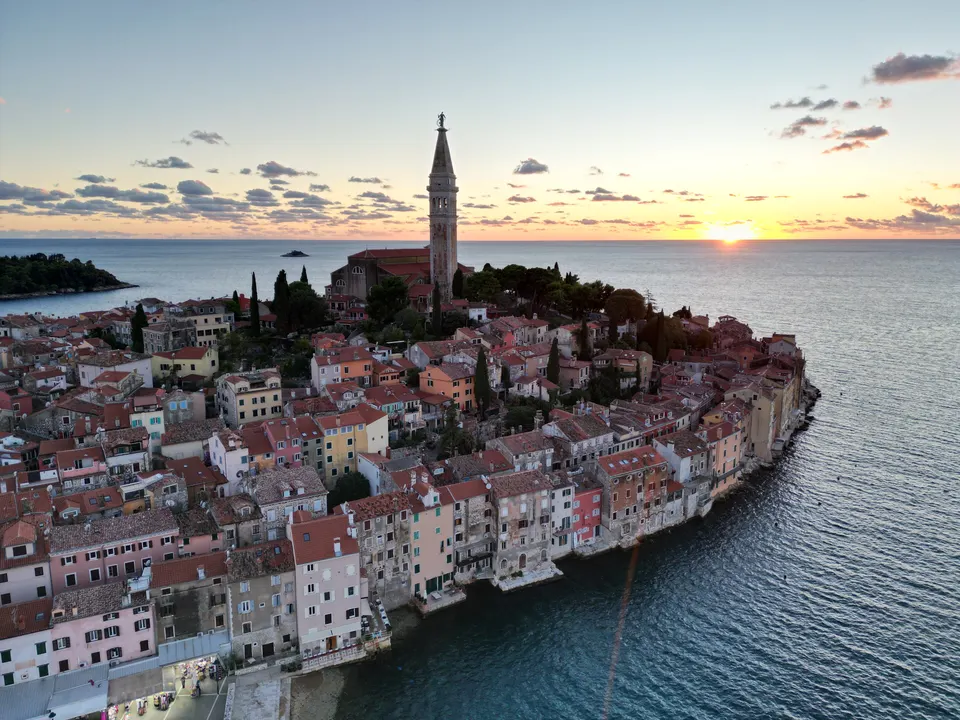
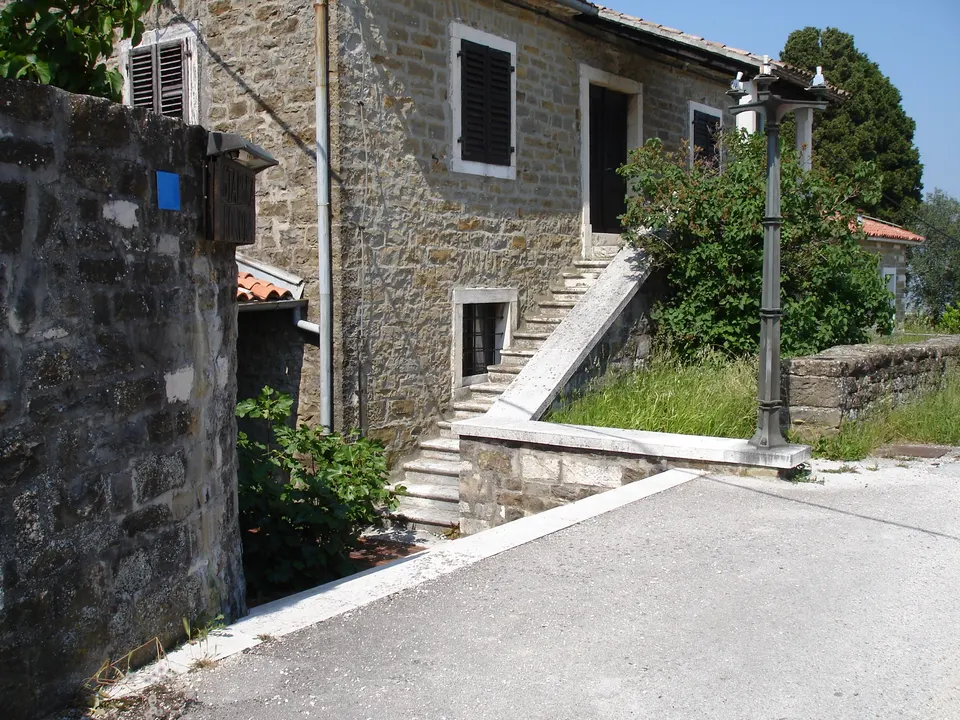
A house on a narrow lane in a hill village is a very different site from one on an open plot by the road. If a lorry cannot reach the door, materials are moved by smaller vehicles or by hand. Scaffolding is harder to place. Skips may need special arrangements. The tourist season can also limit when noisy work is possible in some places, which stretches the timeline. Our article on building season rules in Istria covers this in more detail.
6. Permits, conservation and design
Depending on what you plan to change and where the house is, you may need a permit or other approval, and in historic centres conservation requirements can apply to windows, roofs, façades and materials. These shape what can be done and therefore what it costs. Architect and engineer fees are part of the budget too, and they are money well spent. The rules are specific and change over time, so we do not summarise them here; your architect and the local authority are the right sources. Our general overview of building permits in Croatia is a starting point.
The cheapest stone house renovation is the one that was surveyed properly before anyone picked up a hammer.
7. The level of finish, and what you keep
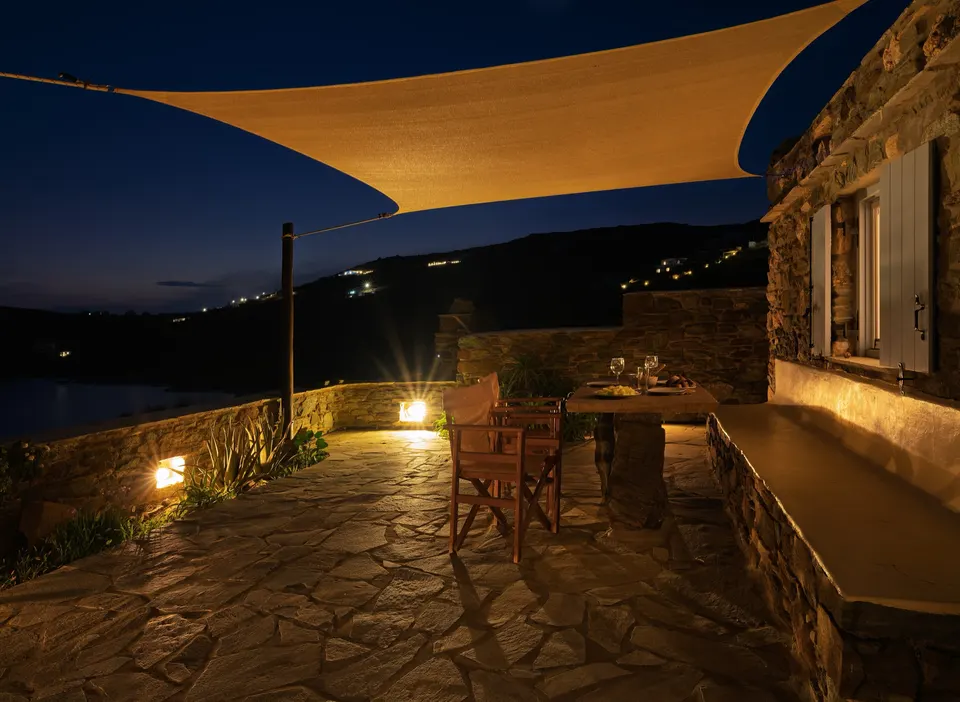
Only after the structure, roof, damp and services does the level of finish come in: stone or terracotta floors, windows and shutters, bathrooms, the kitchen, joinery. Here you have the most control. Keeping and repairing original elements, such as stone sinks, lintels, old doors and beams, is often less expensive than replacing them and always better for the character of the house. Where something must be new, simple and well made beats elaborate and imitation-old.
Fitted furniture is part of this stage, and in a stone house it does a lot of work. Walls are not straight and alcoves are deep, so wardrobes, kitchens and shelving made to measure use space that standard units waste. Against walls that may stay slightly damp, the board inside matters: our partner atelier, Lampisa, builds with plywood rather than particleboard, which swells and crumbles when moisture gets in. With its from moodboard to render service you see the furniture in a 3D render of your rooms before anything is made, which helps you budget this part precisely.
Checklist before you ask for quotes
- Structural survey. By an engineer with experience of stone buildings, ideally before purchase.
- Measured drawings. Accurate plans let builders quote the same scope, so you can compare like with like.
- Permit status. Ask your architect what approvals your plans need and how long they may take.
- Services. Check water, power and drainage options for the specific plot.
- Access. Walk the route a delivery lorry would take, and note any limits.
- A list of what to keep. Beams, stone frames, floors, doors: decide early, so they are protected.
- A contingency. Agree with your architect a reserve for what the walls will reveal.
Comparing quotes fairly
Quotes for the same house can differ widely because they describe different work. One includes scaffolding and waste removal, another does not; one prices lime mortar, another assumes cement. Ask each builder to price the same written description, prepared with your architect, and ask what is excluded. Our guide on how to choose a builder in Croatia goes through the questions worth asking.
A stone house renovation is rarely the fastest or cheapest way to get a home in Istria. Done carefully, it is one of the most rewarding. Knowing where the money goes is what lets you spend it on the things that matter.