In many coastal towns, noisy building work is restricted in summer. Here is how the season shapes a construction or renovation timeline, and how to plan around it.
Anyone who has tried to sleep next to a building site in August will understand why many Croatian tourist towns limit construction work in summer. For a region whose economy leans so heavily on tourism, a jackhammer next to a holiday apartment is not a small matter. For owners planning a build or a renovation, however, it means the calendar is part of the project from day one.
This article explains the general picture. The exact rules are set locally and can change from year to year, so always check with the town or municipality where your property is, and with your contractor.
Is construction restricted in summer?
In many coastal and tourist municipalities in Croatia, including in Istria, local decisions restrict certain construction works during the main tourist season. The details differ from place to place: which months are covered, which areas of the town, which types of work, and what exceptions exist. Typically the focus is on noisy and disruptive works, such as excavation, demolition, concrete work and heavy machinery, and on activity that blocks roads or public spaces.
Quieter interior works are often treated differently, and some municipalities allow exceptions in particular cases, for example for urgent repairs or public infrastructure. Do not rely on general knowledge or what a neighbour did last year; ask the municipal office for the decision that applies to your address, or have your architect or contractor confirm it in writing.
What about renovations and smaller jobs?
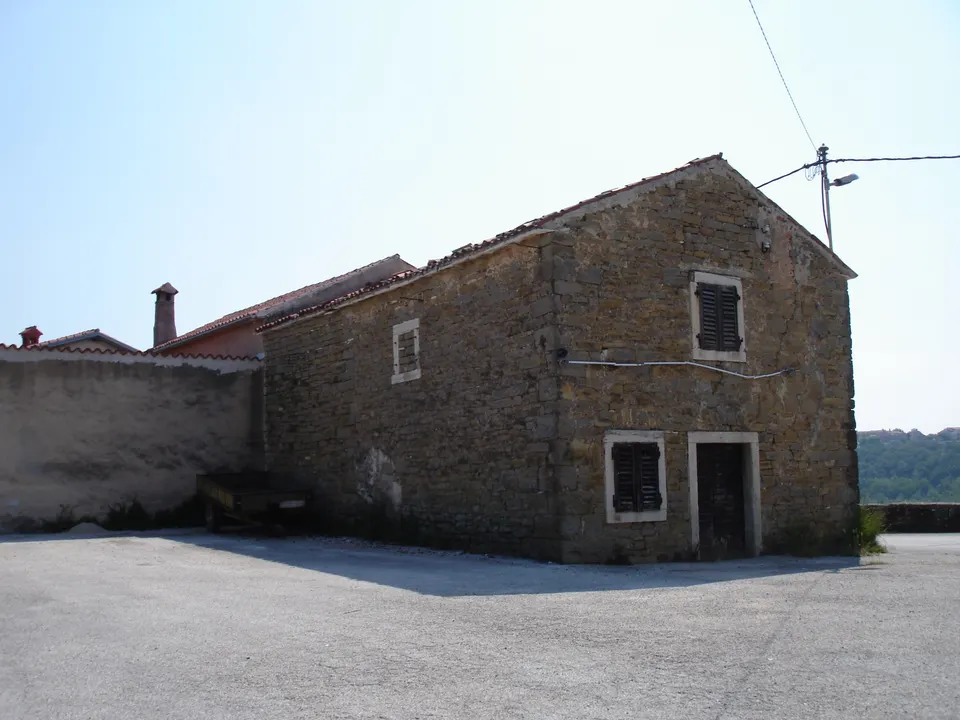
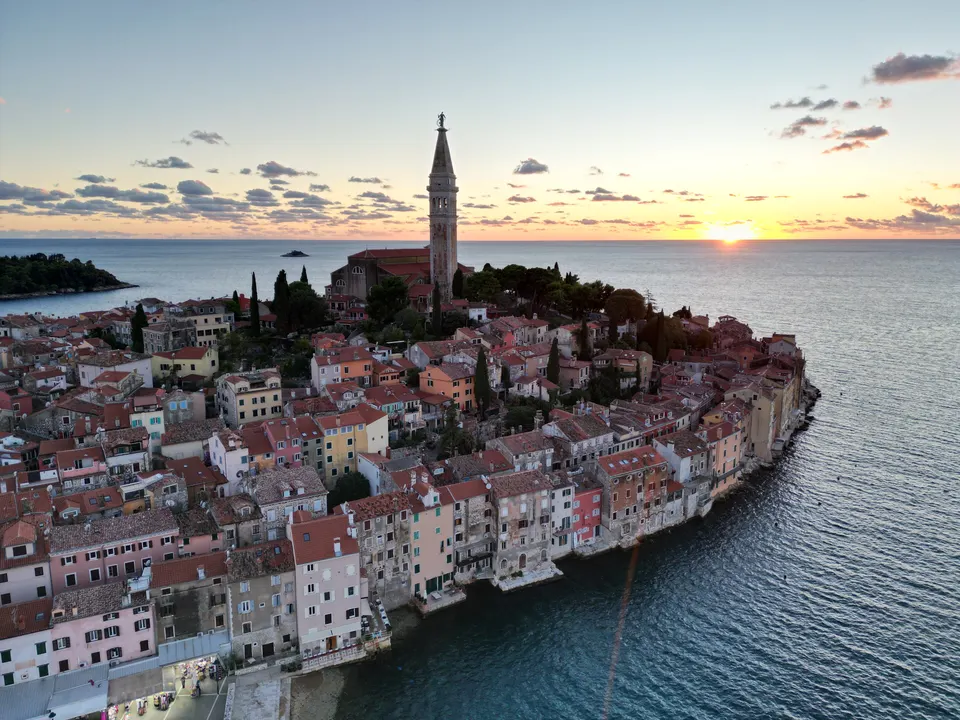
Restrictions on summer works are not only a concern for new villas. Renovating a kitchen in an old town apartment, replacing a roof or adding a terrace can all involve exactly the kind of noise and deliveries the rules are meant to limit. In narrow historic centres such as Rovinj's old town, access for vans and materials is difficult at the best of times, and in summer streets are full of visitors.
If you own a rental property, there is also a commercial logic: summer is when the house earns, so it should be finished, not half-built. Owners who plan a renovation usually aim to start straight after the last guests leave in autumn and finish before the first bookings of the following year. That window is shorter than it looks once holidays, weather and lead times are counted in.
Why the season shapes the whole timeline
If the noisy part of a build cannot happen in summer, then the year divides itself naturally. Autumn, winter and spring are the main building seasons for structural work. Summer becomes the time for design, paperwork and quieter interior jobs, or simply a pause. A project that slips by a few weeks in spring can therefore lose several months, because the next window for heavy work only opens again after the season.
Weather plays its part too. Autumn can bring heavy rain, winter brings the cold bura, and concrete, plaster and paint all have conditions in which they behave best. Good contractors plan around both the calendar and the weather, and they are booked accordingly, often well in advance.
A project that slips by a few weeks in spring can lose several months.
A realistic year, in outline
Every project is different, but a sensible rhythm often looks something like this. Use the summer to finalise the design and prepare or complete the permit process; we explain the steps in building a house in Croatia. Start groundwork and structure as soon as the season ends. Close the building up, with roof and windows, before the worst of the winter. Use late winter and spring for installations, plaster and interior finishes. Then aim to have the house ready, furnished and photographed before the next season begins, especially if you plan to rent it.
For renovations of older houses, where surprises are part of the job, it helps to leave even more room. Our guide to restoring a stone house explains why.
Planning checklist
- Ask the municipality. Get the local decision on summer works for your exact location.
- Confirm with your contractor. Make the season part of the contract schedule, not an afterthought.
- Use summer for paper. Design, permits, tenders and interior planning.
- Heavy work outside the season. Excavation, structure and roof in autumn and winter.
- Close up before winter. Roof and windows in place before the worst weather.
- Order early. Windows, kitchens and furniture have lead times; plan them so they arrive when the house is ready.
- Respect the neighbours. Even outside the restricted period, a short note and reasonable hours go a long way.
Furniture and the final weeks
The most common bottleneck at the end of a build is not the structure but everything that goes inside it. Kitchens, wardrobes and made-to-measure furniture need accurate measurements, production time and installation, and they all compete for the last weeks before the season opens. Planning them during the summer pause, while builders are quiet, is one of the smartest moves an owner can make.

This is where the atelier Lampisa fits naturally into the calendar. Starting from your moodboard and the architect's plans, the atelier prepares a 3D render of each room. Once you approve it, the pieces are built in plywood, never particleboard, and installed when the house is ready. Read about from moodboard to render, or see the furnishing timeline for owners who have just bought.