In Croatia, most serious building work is priced from a troškovnik. What a bill of quantities is, who prepares it, what a good one contains and how it protects your budget.
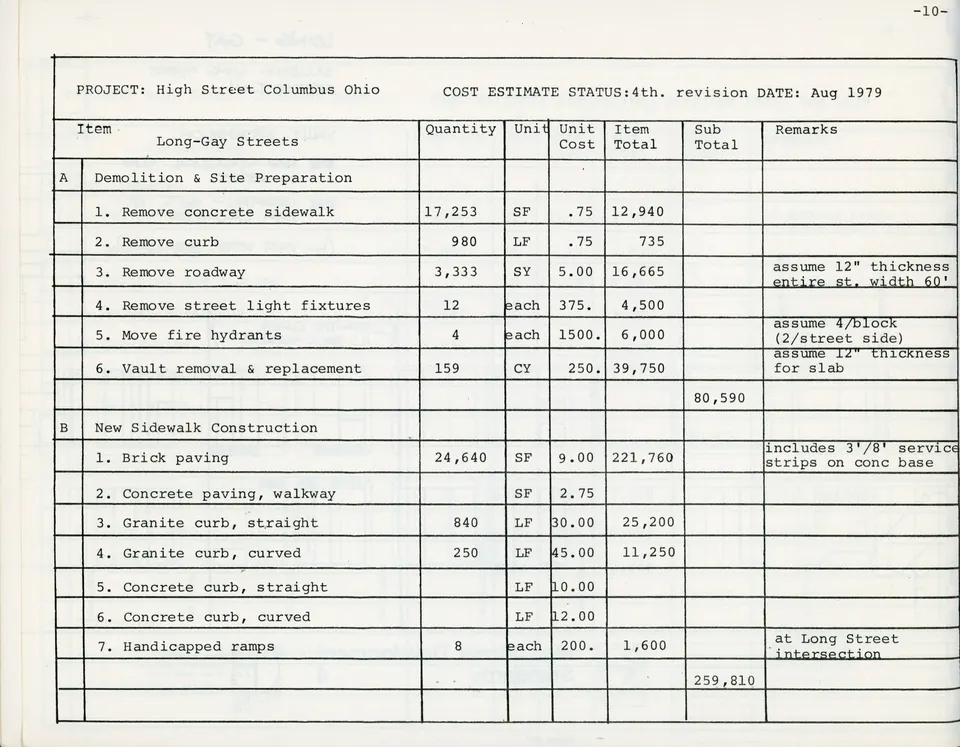
Ask a Croatian architect or builder how much a job will cost and sooner or later you will hear the word troškovnik. Literally it means a list of costs. In practice it is a bill of quantities: a document that lists every item of work, describes it, gives its unit and quantity, and leaves the prices blank for builders to fill in.
It is the single most useful document for controlling the cost of a build or renovation, and many owners from abroad have never seen one. If you already have a priced troškovnik or quote from a builder, the builder's quote check reads it in Croatian and gives you a free basic result in English: a rating and up to three items furthest above the market range for the region, with every item, the warnings and questions to ask in the paid detailed check.
What a troškovnik looks like
It usually opens with general conditions (opći uvjeti) that say what every unit price must include, such as transport, scaffolding, protection and cleaning. Then come the works, grouped by trade. Building works (građevinski radovi) cover preparation, earthworks, concrete, masonry and insulation. Craft works (obrtnički radovi) cover roofing and metalwork, joinery, tiling, flooring and painting. Installations (water, drainage, electrics, heating and cooling) usually have their own sections, often prepared by the engineers who design them.
Every item has a number, a description, a unit (m², m³, running metre, piece, kg or a lump sum), a quantity, and two empty columns: unit price and amount. A summary at the end adds up each group.
Who prepares it
On a project designed by an architect, the troškovnik is normally prepared by the architect's office together with the structural and building services engineers, from the same drawings that go into the design. On larger projects a specialist cost consultant may do it. It is a piece of professional work, so ask at the start whether it is part of your architect's service or an extra. A good troškovnik is updated when the design changes; a document measured from an early version of the drawings will be priced against a house that no longer exists.
Why you need one
- Comparable quotes. When every builder prices the same list, differences in price are real differences, not differences in what was included. See how to compare builder quotes fairly.
- A fixed scope. The contract can point to the troškovnik and say: this is the work.
- A basis for payments. Interim statements (situacije) list completed items and quantities straight from it, so each payment can be checked line by line.
- Fair pricing of changes. If quantities grow, the agreed unit prices already exist, and new work can be priced in the same structure.
- An early budget. Your architect can price it with typical figures before you go to builders, so you know whether the design fits the money.
When every builder prices the same list, differences in price are real differences.
What a good troškovnik contains
Precise descriptions that name the material, its class or thickness and whether the item is supply and fix (dobava i ugradnja). Quantities measured from the current drawings, not rounded guesses. Site setup, scaffolding and waste removal as items in their own right, or clearly included in the general conditions. Allowances for finishes you have not chosen yet, marked as allowances and stated per unit. And installations covered completely, from the connection point to the last socket.
Common weaknesses
- Copied templates. Items from another project that do not apply, and items your project needs that are missing.
- Lump sums for big jobs. A paušal for “electrical installation” cannot be checked or compared.
- “To the owner's choice” without an allowance. A line with no basis for its price.
- Out-of-date drawings. Quantities measured from a design that has since changed.
When the priced copies come back
Builders return the troškovnik with the blank columns filled in. Before comparing totals, check that each one priced every line, that nobody has quietly changed a description or a quantity, and that no line has been left empty or marked as zero without explanation. If a builder wants to offer a cheaper material or a different method, ask for it as a separate alternative, priced next to the original item, rather than written over it. Otherwise the copies stop being comparable, which was the whole point of preparing one.
Look at the unit prices as well as the totals. On contracts paid by measured quantities, a line priced unusually high on an item that tends to grow can matter more than the difference in totals.
Smaller jobs without an architect
For a bathroom or a flat renovation you may not have an architect, but you can still work the same way. Go room by room, measure floor and wall areas, and write one line for each job: remove old tiles, waterproof, tile, replace pipework, and so on. Give that list to every builder you ask. The renovation calculator gives you an indicative, item-by-item cost for a flat or house to check the list against, and building material prices show what the materials cost at the large retailers. For bathroom-specific advice, see small bathroom ideas.
Where the troškovnik usually stops
Most bills of quantities end with painting and sanitaryware. Kitchens, wardrobes and built-in storage are often left out, or appear as one line. If you want them planned with the same care, treat them as their own package. Our partner atelier makes furniture to measure in plywood, never particleboard, and the approved 3D render does the job of a description: it fixes what will be made before production starts.
Whether your troškovnik comes from an architect or from your own tape measure, read the priced versions carefully when they come back. Our guide on how to read a builder's quote line by line explains each column, and the quote check is a quick, free first pass, with a more detailed paid check if you want one.