Thick stone walls, small windows and a few square metres to share. A coastal apartment rewards careful planning more than any villa does.
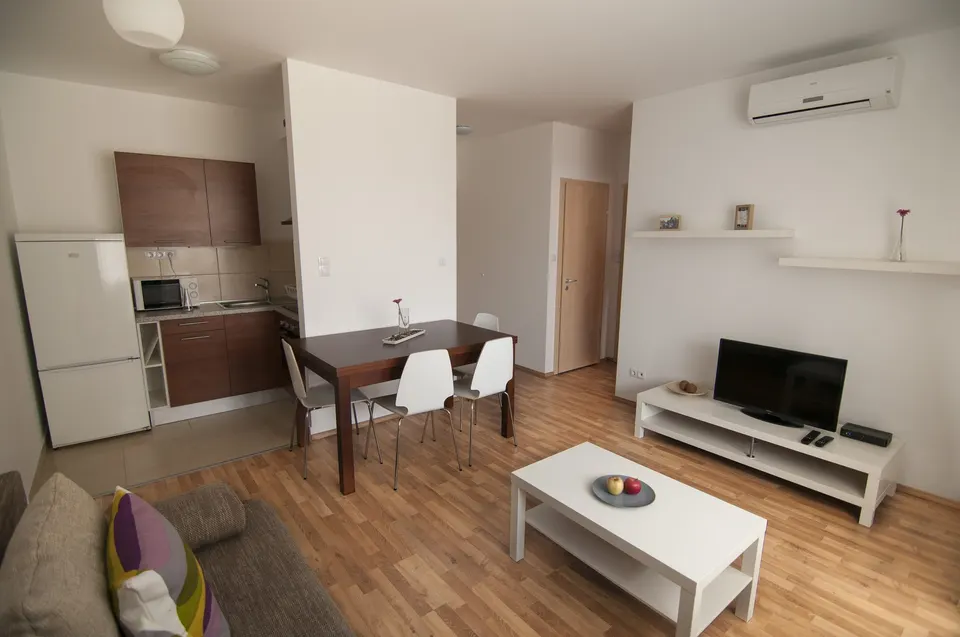
Many of the most loved homes on the Istrian coast are small. A flat on the second floor of an old town house in Rovinj or Piran, a studio above a former shop in Novigrad, a two-room apartment in a newer building a short walk from the sea. They are bought for the location, not the floor area, and they are often asked to do a great deal: house a family for August, earn their keep as a rental in June and September, and still feel like a home when the owners come for a quiet week in October.
A small apartment forgives nothing. A wardrobe a few centimetres too deep blocks a door. A sofa in the wrong place cuts the room in two. But the same constraint is also its charm. When every piece is chosen for its place, a small space can feel calmer and more generous than a large one filled with things that happened to fit.
Where should you start: the plan or the furniture?
Start with the plan, and start with how you will live. Before choosing a single chair, write down who sleeps there and when, where wet towels and beach bags will go, where suitcases will live for a week, and where people will eat when it rains. In a small apartment, those everyday questions decide the layout far more than style does.
Then measure everything, including what is easy to forget: the swing of every door and window, radiators and sockets, the depth of window reveals in thick stone walls, the height of beams. Old coastal houses are rarely square, and walls that look straight often are not. A plan drawn from real measurements is the cheapest mistake you will ever avoid.
Why built-in furniture makes such a difference
Freestanding furniture is made in standard sizes for standard rooms. A small coastal apartment is rarely standard. The gap between a standard wardrobe and an uneven wall becomes a dust trap; the space above it collects boxes. Built-in furniture made to measure uses the full height and width of a wall, follows the irregular lines of an old house and turns awkward corners into storage.
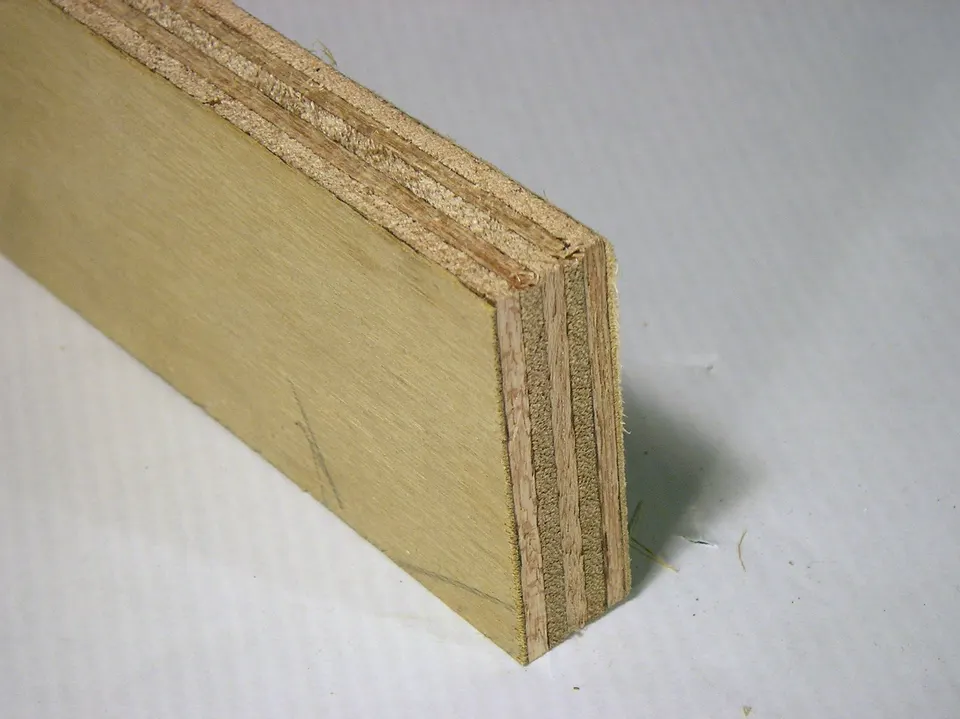
This is where our partner atelier, Lampisa, does much of its work. It builds fitted furniture in plywood rather than particleboard, which matters in a flat a few streets from the sea: plywood copes better with humidity and its fittings keep holding after years of use. It also offers a service it calls from moodboard to render: you bring a moodboard, the atelier prepares a 3D render of your rooms and furniture, and nothing is built until you have approved it. In a small space, seeing the room before it exists is particularly useful.
In a small apartment, every piece of furniture should either earn its place or leave.
Which pieces work hardest in a small space?
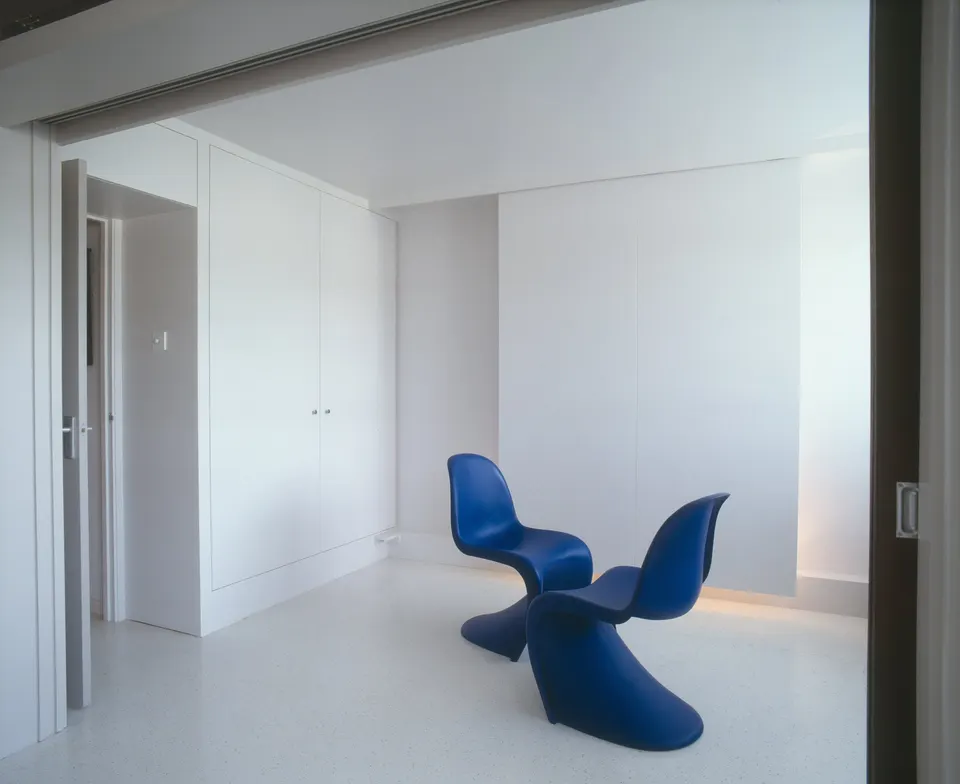
- A full-height wardrobe wall. Floor to ceiling, with the top section for suitcases and winter bedding, takes less visual space than two separate pieces.
- A bed with drawers or a lifting base. Spare linen, beach towels and pillows disappear under the mattress.
- A bench instead of chairs. Along a wall or in a window recess, it seats more people and can hide storage under the seat.
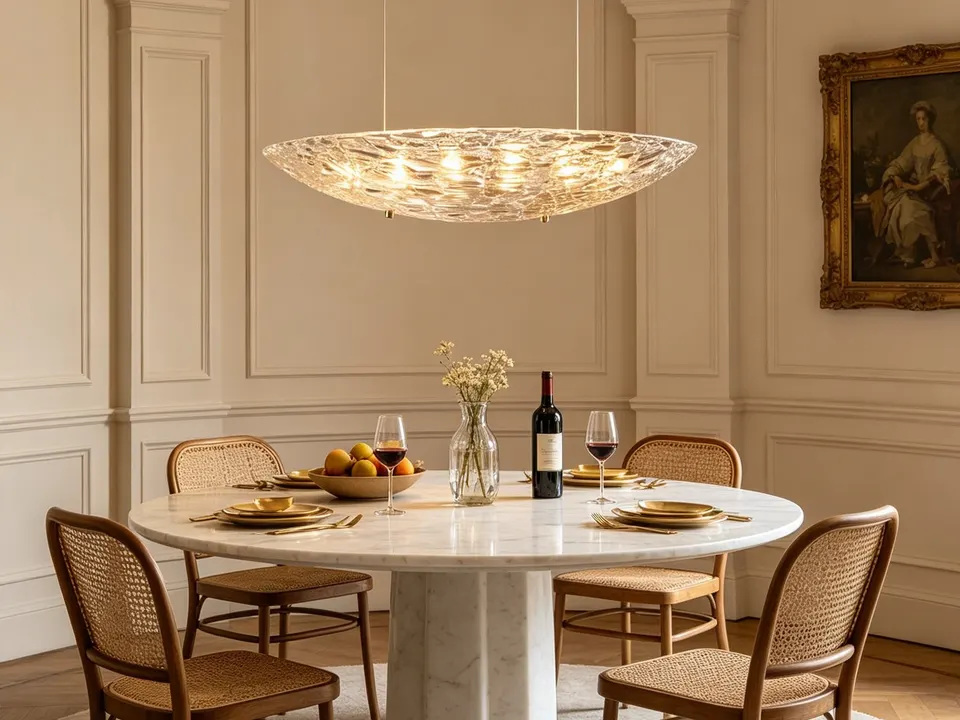
- An extending or round table. A round table is easier to walk around; an extending one serves two on a weekday and six on a Sunday.
- Shelves above doors and windows. The space nobody uses becomes a place for books, glasses or baskets.
- A narrow console by the entrance. Keys, sunglasses and post have one place to land, so they do not take over the kitchen counter.
How do you make the most of light in thick-walled houses?
Old coastal houses were built to keep the sun out, and they do it well. Windows are small and set deep in the wall. Rather than fighting that, work with it. Paint window reveals a light colour so they reflect daylight into the room. Keep curtains light and hang them wide of the window so they do not cover the glass when open. Place a mirror where it catches the view or the brightest wall, not opposite a dark corner.
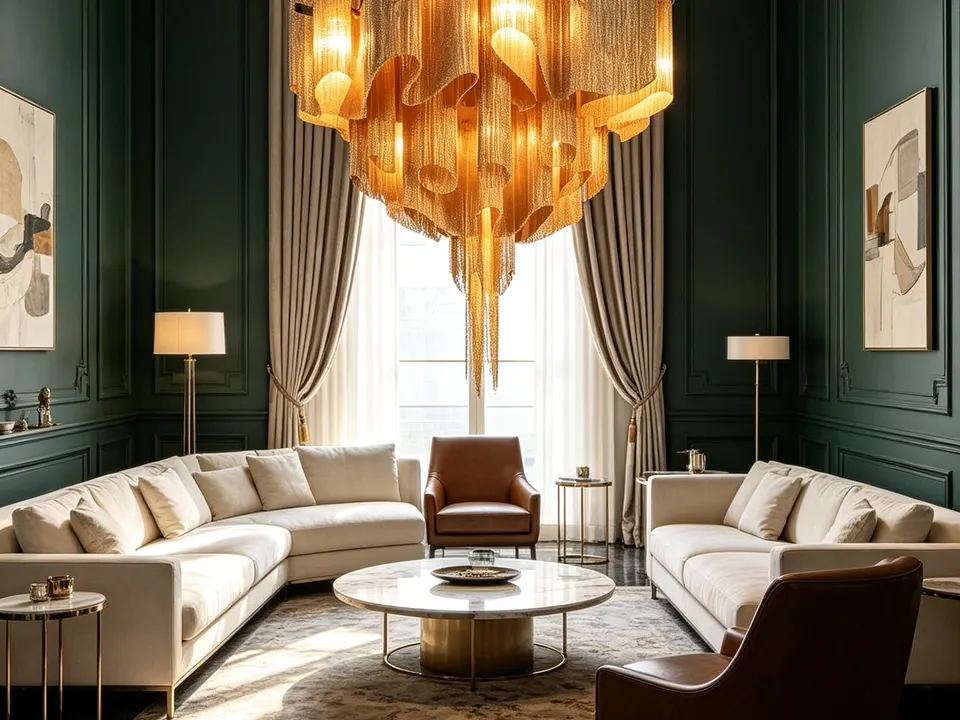
Artificial light matters even more. A single ceiling light makes a small room look smaller, because it flattens everything. Several low sources at different heights, a pendant over the table, a reading lamp, a light inside a niche, give the room depth in the evening. A pendant also marks out a dining area without needing a wall. For more on this, see our guide to lighting a home room by room; most of it applies just as well to a two-room flat.
What colours and materials suit a small coastal flat?
A calm, limited palette makes a small space feel larger. That does not mean all white. Warm off-whites, stone and sand tones, pale wood and one deeper accent, perhaps the blue of a door or the green of shutters, give a room character without visual noise. Using the same floor throughout, with no thresholds, also helps the eye read the apartment as one space.
Materials should be chosen for the sea air as much as for looks. Humidity is a constant in coastal flats, especially those closed for part of the year. Furniture with a core that does not swell, finishes that can be wiped, and fabrics that can be washed will look better after five seasons than delicate pieces chosen for one photograph. Our article on materials that live with sea salt and sun goes into this in more detail.
What if the apartment is also a rental?
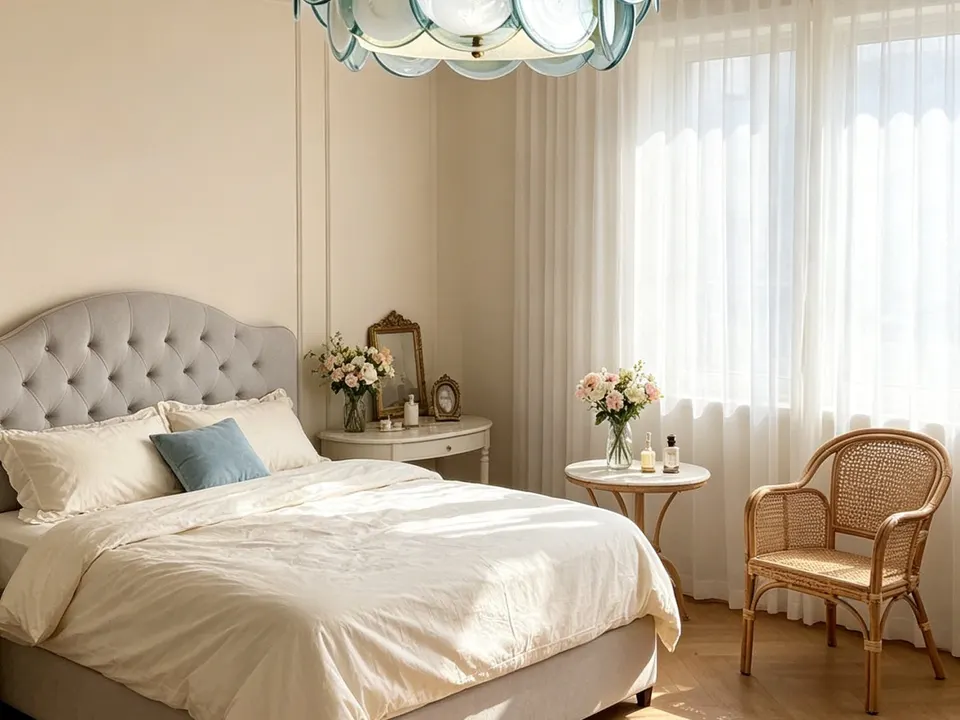
If the flat will host guests part of the year, plan for two kinds of storage. One for guests: empty hanging space, a few free drawers, a place for suitcases and an obvious spot for beach gear. One for you: a lockable cupboard where your own things stay during the season. Owners who skip the second one end up packing and unpacking their life every June.
Durability matters more than in a home used by one family. Guests are not careless, but they do not know the house. Hinges, drawer runners and edges will be tested every week. Before you list the apartment, check the local rules on short-term letting with the tourist board or a local adviser; the requirements change and depend on the property, so it is worth getting them confirmed for your case. Our guide to renting out a holiday home in Croatia covers the practical side.
A short checklist before you furnish
- Measure every wall, door swing, window reveal and beam, and draw a plan.
- Decide where luggage, beach gear and wet towels will go before choosing any furniture.
- Use full wall height for storage; leave floor space as open as you can.
- Choose one floor, one calm palette and one accent colour.
- Plan at least three light sources per room, at different heights.
- Ask what every board and fitting is made of, especially near the kitchen and bathroom.
A small apartment by the sea will never have room for everything. That is the point. Decide what really matters, give it a proper place, and the rest of the space can simply breathe.