Before the first guest arrives, a holiday villa in Croatia needs approval, a category and a few routines. A plain-English overview of how it works, and who to ask.
Istria has become one of the best-known holiday villa regions in Europe. For many owners, renting out the house for part of the year is what makes owning it possible. For others, the villa is an investment from the start. Either way, the step from a private home to a property that takes paying guests involves rules, paperwork and routines that are worth understanding before you open the calendar.
This article is a general overview, not legal or tax advice. Rules in Croatia change from time to time, and details depend on your situation: whether you are a resident, an EU or non-EU citizen, how many guests you host and how you own the property. Use it to know which questions to ask, then ask them of the right people.
Who to talk to first
Two contacts will save you a great deal of time. The first is the local tourist board (turistička zajednica) of the town or municipality where the villa stands. Tourist boards register guests in the national system, deal with tourist tax and are used to explaining the process to new hosts. The second is an accountant who works with holiday rentals in Croatia, ideally one who also advises foreign owners. They can tell you which tax regime applies to you and what it will mean in practice. If the property is held through a company, or you are not resident in Croatia, a lawyer is worth involving as well.
Approval and categorisation
In Croatia, a house or apartment cannot simply be listed online and let to tourists. It first needs approval to provide accommodation services, issued by the competent administrative office of the county. As part of that process, the property is categorised: it is inspected and given a star rating based on the size of the rooms, the equipment, the bathrooms, the outdoor areas and the services offered.
The category matters beyond the paperwork. It appears in your listings, shapes guest expectations and influences what you can reasonably charge. Before the inspection, it is worth going through the requirements for the category you are aiming for with the tourist board or a consultant, so that furniture, equipment and bathrooms are planned with it in mind rather than corrected afterwards.
Guest registration and tourist tax
Every guest staying in tourist accommodation in Croatia must be registered, and this is done through the national online system, eVisitor. Once your property is approved, the tourist board will help you get access. Guests are registered on arrival and checked out on departure, and the same system is used to calculate tourist tax, which is charged per guest and night or as a flat annual amount depending on how you are registered.
Hosts also usually pay a tourist board membership fee. Amounts, deadlines and exemptions are set locally and nationally and change over time, so check the current figures with your tourist board rather than relying on what a neighbour paid a few years ago.
Tax: which regime applies to you?
Croatia has a simplified flat-rate tax regime for private hosts renting a limited number of rooms or beds in their own property, and a different treatment for larger operations or for renting through a company. Which applies to you depends on the size of the property, how you hold it and your residence status. There may also be implications in the country where you are tax resident. This is precisely the question for an accountant, and it is worth asking before you buy furniture, not after the first season.
Ask the tourist board how it works, and the accountant what it means for you.
The practical side of a good rental
Once the paperwork is in place, the work becomes practical, and this is where reviews are won or lost.
- A local contact. Someone who can let guests in, solve a problem with the hot water on a Sunday and check the house between stays. Many owners use a property manager; others rely on a trusted neighbour or cleaner.
- Cleaning and linen. Plan for quick changeovers on busy Saturdays: enough sets of linen and towels, storage for them, and furniture that is easy to clean around.
- A house guide. Wi-Fi, how the air conditioning and shutters work, where the bins go, beaches and shops nearby, emergency numbers. Short, clear and in several languages.
- Insurance. Make sure your policy covers paid guests, not just private use. Ask specifically about liability around the pool.
- Safety. Smoke detectors, a fire extinguisher, first-aid kit, secure pool access for families with young children, and lighting on outdoor steps.
- Maintenance. A spring check before the season and an autumn one after: pool, air conditioning, shutters, outdoor furniture and anything that suffered over the summer.
Furnishing for guests, not for a photo
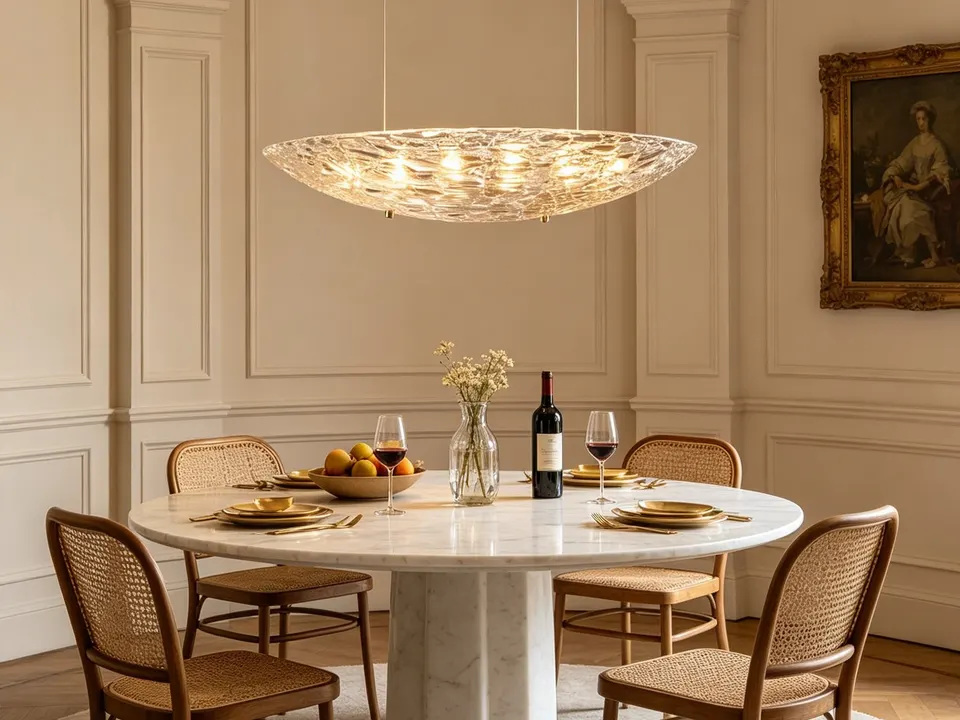
The listing photos sell the first booking. Everything that follows depends on how the house holds up. Guests move chairs onto the terrace, sit on the edge of tables, leave wet swimwear on wardrobe shelves and pull beds apart to make two singles. Furniture that looks good in the photos but swells, wobbles or chips by August will cost you in repairs and in reviews.
This is the part where our partner atelier, Lampisa, can help. It builds in plywood rather than particleboard, so wardrobes, beds and kitchen units keep their shape through humid summers and repeated use, and it plans the whole house with you from moodboard to render before anything is made. We have written in more detail about furniture that survives the season and about how interiors affect the nightly rate and reviews. If you are buying with renting in mind, see also our guide to furnishing for investors.
A simple order of steps
- Talk to an accountant about the tax regime and, if needed, a lawyer about ownership structure.
- Ask the local tourist board how approval, categorisation and registration work in your municipality.
- Plan furniture, equipment and bathrooms with the target category in mind.
- Apply for approval and categorisation, and arrange insurance for paid guests.
- Set up guest registration, a house guide and your local support before the first booking.
Renting out a villa in Istria is not complicated once the structure is in place. Most of the difficulties owners run into come from doing the steps in the wrong order. Ask early, plan the house for the way guests really live in it, and the season takes care of much of the rest.