Istria is not the cheapest corner of the Mediterranean, but it rewards people who travel smart. When to come, where to stay, how to eat well and what costs nothing at all.
Istria has a reputation as one of the more expensive parts of Croatia, and in the middle of August, in a harbour-front restaurant, it can certainly feel that way. But much of what makes the peninsula special costs little or nothing: the sea, the light, the hill towns, the walks, the markets and a long lunch in a family-run konoba. With a bit of planning you can enjoy it fully without overspending.
We have deliberately left out prices, which change every season and vary widely from place to place. What follows are the choices that make the biggest difference to what you spend.
When is Istria cheapest?
Timing matters more than anything else. Accommodation is at its most expensive in July and August, especially around the middle of August, and on summer weekends. June and September offer much of the same weather, a warm sea in September and noticeably lower rates in many places. From November to March prices are lowest of all, though many seasonal businesses close; our guide to the best time to visit Istria explains the trade-offs.
If you have to travel in high summer, book early, stay a little longer (many hosts are more flexible for a week than for two nights) and travel midweek if you can, when roads and rentals are less in demand.
Where to stay for less
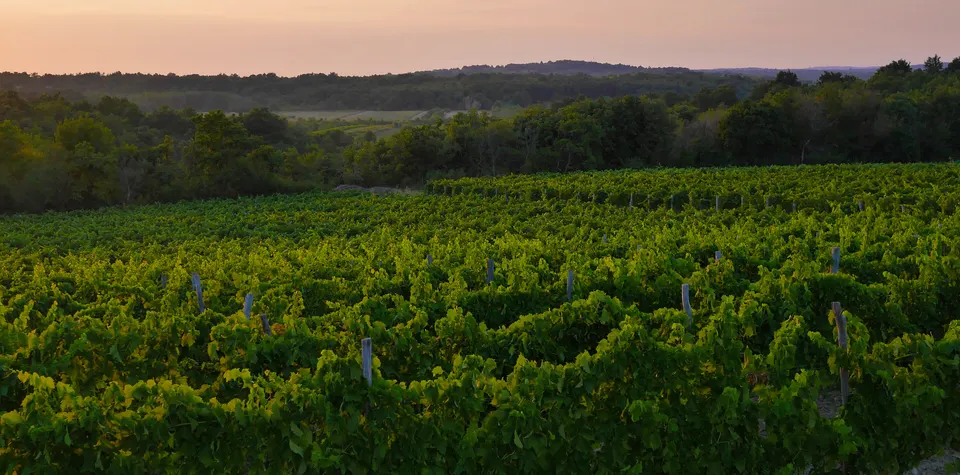
Private apartments and rooms are the backbone of Istrian tourism and usually better value than hotels, particularly if they have a kitchen. Staying a few kilometres inland rather than on the waterfront can make a real difference, and the interior has its own charm: stone villages, quiet nights and views over the vineyards. Towns that are lived in all year, such as Pula, Labin, Pazin or Buzet, are often better value than the busiest resorts.
Camping is the other classic budget choice, and Istria has a long camping tradition along the coast. A tourist tax is charged per person per night wherever you stay, so ask whether it is included in the price you are quoted.
How to eat well for less
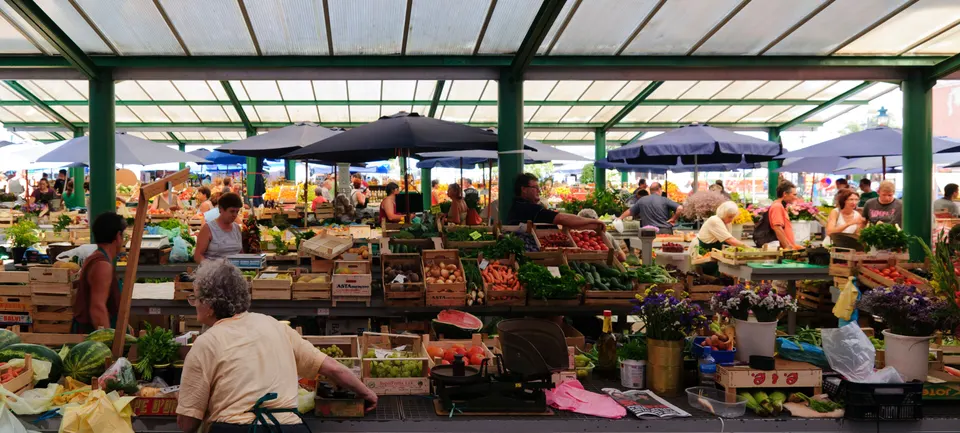
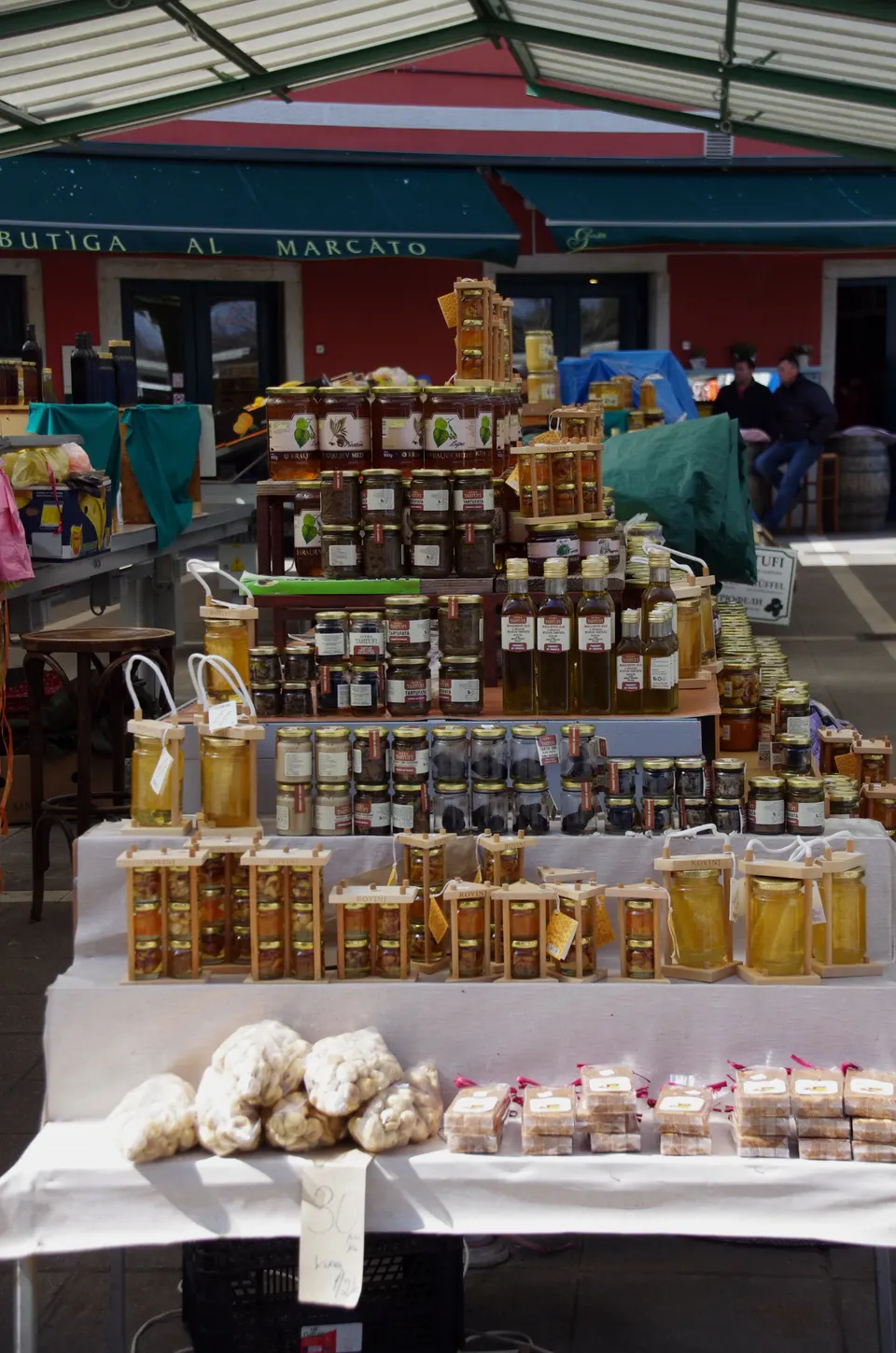
This is where Istria is generous. Start the day at a town market: Pula, Rovinj, Poreč and other towns have markets where local growers sell fruit, vegetables, eggs, cheese, honey and olive oil. Add bread from a bakery and a little pršut, and you have a picnic better than most restaurant lunches.
When you eat out, go inland and go at lunchtime. Family-run konobas in the villages cook simple, seasonal food, often in generous portions, and are usually more reasonable than tourist-facing places on the harbour fronts. Ask what is fresh today, order the house wine, which in many konobas is local and perfectly good, and share a few dishes. Our guide to the konoba explains how they work and what to order.
- Cook some meals. A kitchen in your apartment pays for itself in a week, especially with a market nearby.
- Eat the main meal at lunch. Many locals do, and simple lunchtime dishes tend to cost less than an evening menu.
- Drink local. Malvazija and Teran from the region, by the glass or carafe, are part of the experience and rarely the expensive choice.
- Picnic on the rocks. Bread, cheese, tomatoes, olives and fruit from the market, eaten in pine shade by the sea.
- Drink the tap water. Tap water is generally safe to drink in Istria; carry a refillable bottle, especially in summer.
Much of what makes Istria special costs little or nothing at all.
Free things to do in Istria
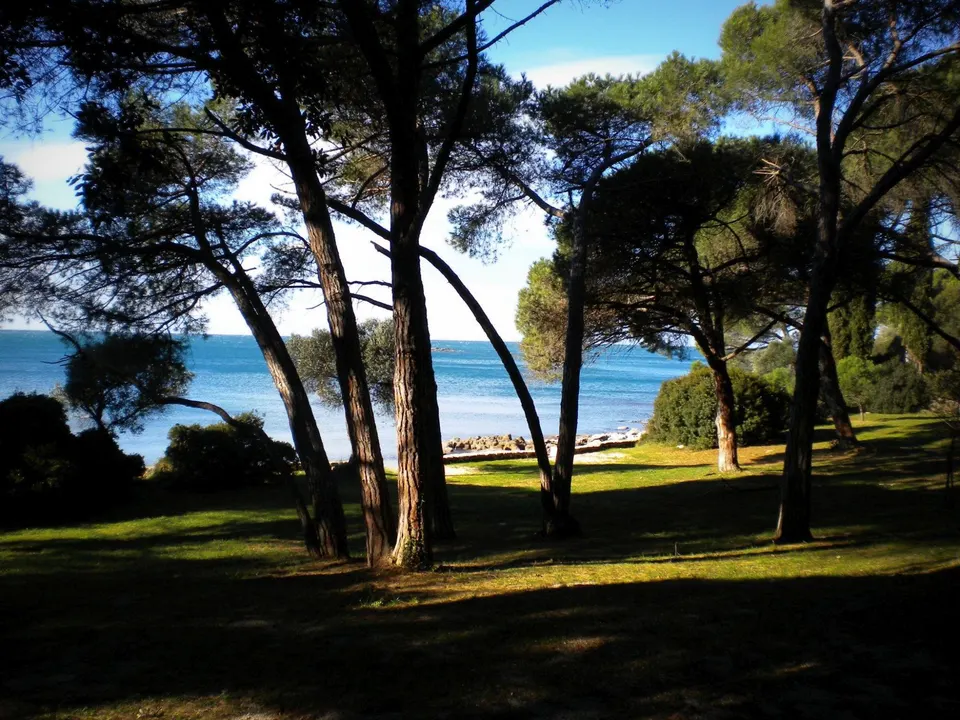
Beaches are the obvious start. Access to the sea is generally public in Croatia, so you can swim from almost any rock or pebble beach without paying; loungers and umbrellas are usually rented separately, and a towel and a bit of shade from the pines are all you really need. Our guide to the best beaches in Istria will help you choose.
- Wander the old towns. Rovinj, Poreč, Novigrad, Vodnjan, Bale and the hill towns are open-air museums of Venetian streets, squares and churches.
- Walk and cycle. The Parenzana trail, coastal paths and forest parks cost nothing; bring your own bike or hire one for a day.
- Watch the sunset. The west coast faces the evening sun; a harbour wall or a rock is the best seat in town.
- Look for village feasts. Summer fešte on patron saints' days often have free music and dancing, with simple food sold on the spot.
- See the Roman heritage from outside. In Pula you can walk around the amphitheatre, the Arch of the Sergii and the Forum without a ticket.
Getting around for less
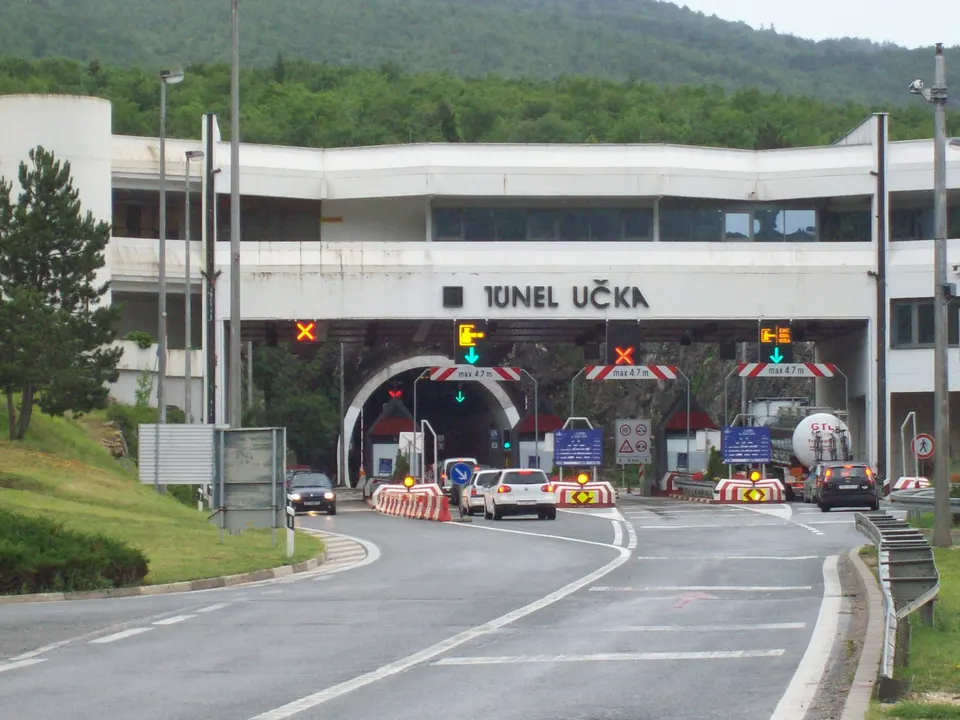
A car gives you the most freedom, especially for the hill towns, which public transport serves poorly. If you rent one, compare offers early and check what fuel and insurance are included. Parts of the motorway, including the Učka tunnel, are tolled, and the old roads are often slower but free and more beautiful. Parking in the old towns in summer is limited and can be costly, so park on the edge and walk in.
Without a car, buses connect the main coastal towns and Pula reasonably well, and a single base with good connections, plus a bicycle, can be enough for a relaxed holiday. Some protected areas charge an entry fee, particularly for cars in summer, so check before you go. Our guide to getting to Istria covers flights, trains and buses.
Where it is worth spending
Saving on the everyday leaves room for one or two things that are genuinely worth the money: a truffle lunch in autumn, a boat trip to the Brijuni islands or along the Lim Bay, a tasting with a winemaker, a night in a good stone house in the hills. Choose one or two, and enjoy them properly.
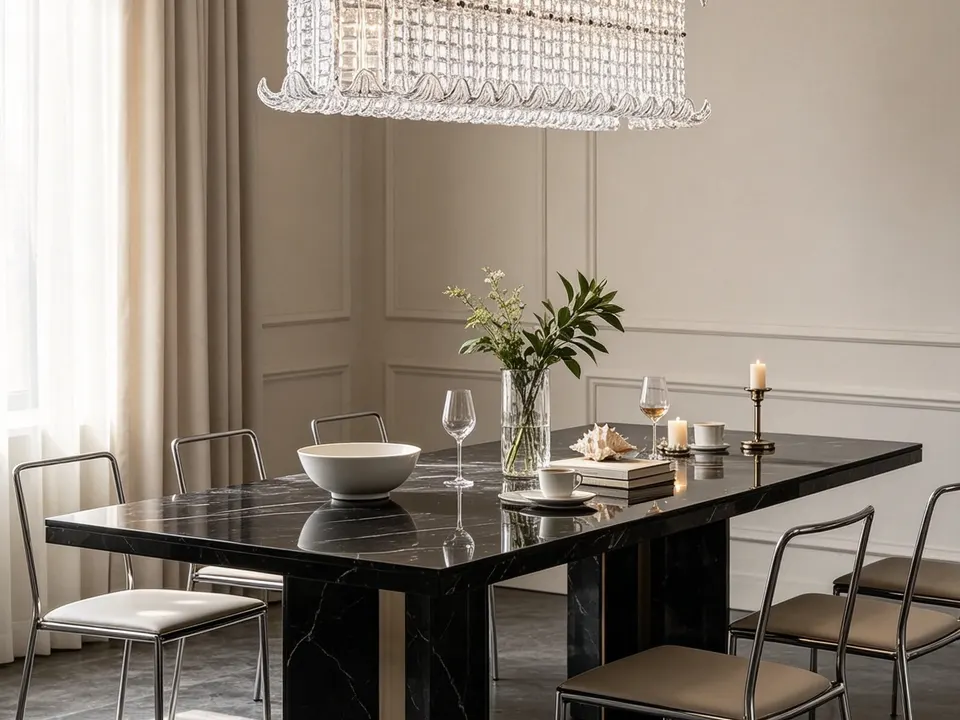
The same thinking applies to anyone furnishing a house or apartment here. Spending a little more on fewer, better-made pieces usually costs less over the years than replacing cheap ones every season. It is also why we believe good furniture does not have to be only for the wealthy: see made to measure, not made for millionaires.