Custom furniture has a reputation for being expensive. Here is where the money in a piece of furniture actually goes, and why local craft changes the equation.
There is a persistent idea that furniture made to measure belongs to a different world: private jets, interior decorators, invoices nobody reads. In reality, the word 'bespoke' has been borrowed so often by luxury brands that it has drifted away from its plain meaning. It simply means that a piece was made for a particular person and a particular place.
Whether that is expensive depends less on the fact that it is custom, and more on how many people stand between you and the person who makes it.
Where the price of a branded piece goes
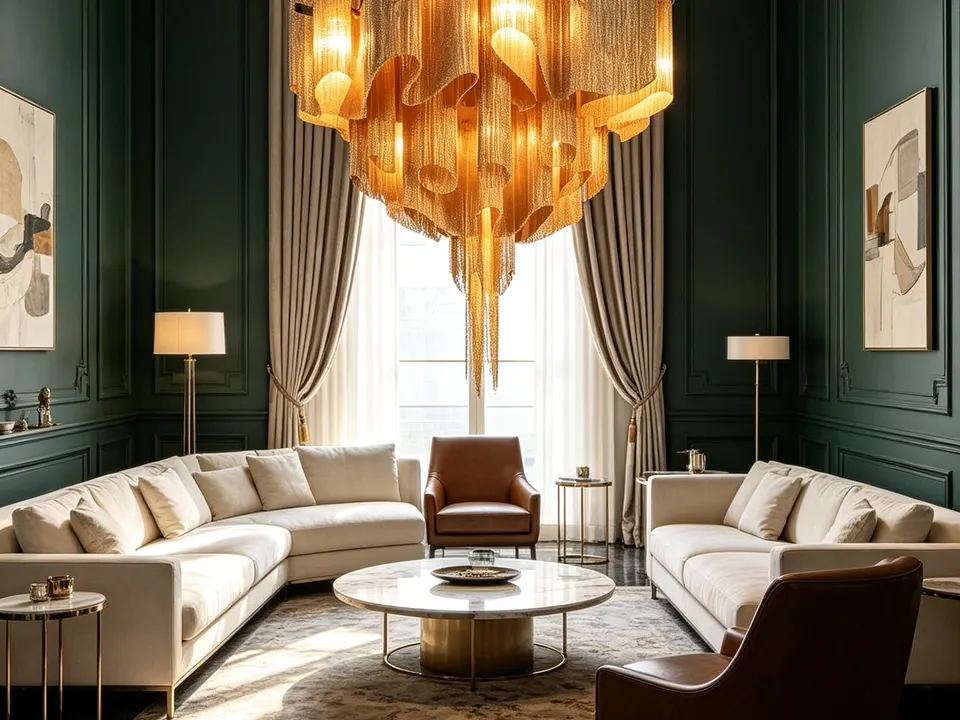
When you buy a famous design from a showroom, you pay for far more than materials and craft. There is the design licence or brand value, the factory's margin, transport across Europe, the distributor, the showroom's rent and staff, and often a decorator's percentage on top. None of that is wrong, and some of it pays for genuinely good design. But it explains why a table can cost the price of a small car.
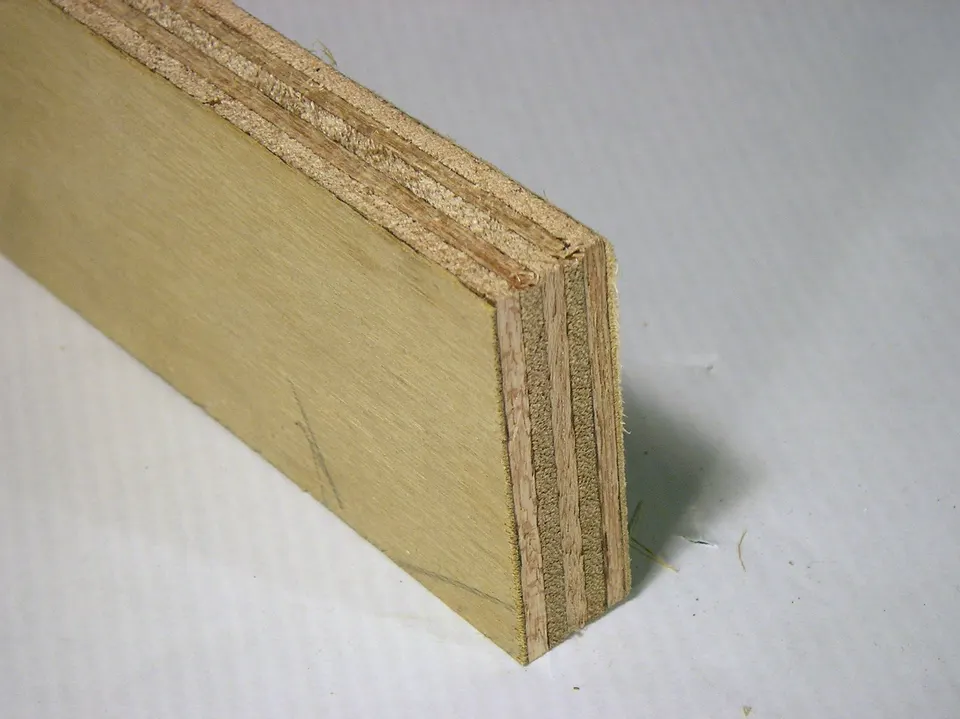
When a piece is designed and built locally and sold directly, most of those layers disappear. What remains is material, time, skill and a fair margin for the workshop. The material is where to be strict: plywood rather than particleboard, because it keeps its shape and its fittings.
Where custom can cost less than you think
Built-in pieces are the clearest example. A wall of wardrobes made to fit an alcove exactly often costs less than filling the same space with freestanding units, and it gives you every centimetre of the room back. Kitchens follow the same logic: a kitchen built for your walls avoids filler panels, awkward corners and the compromises that come from fitting a modular system into an old house.
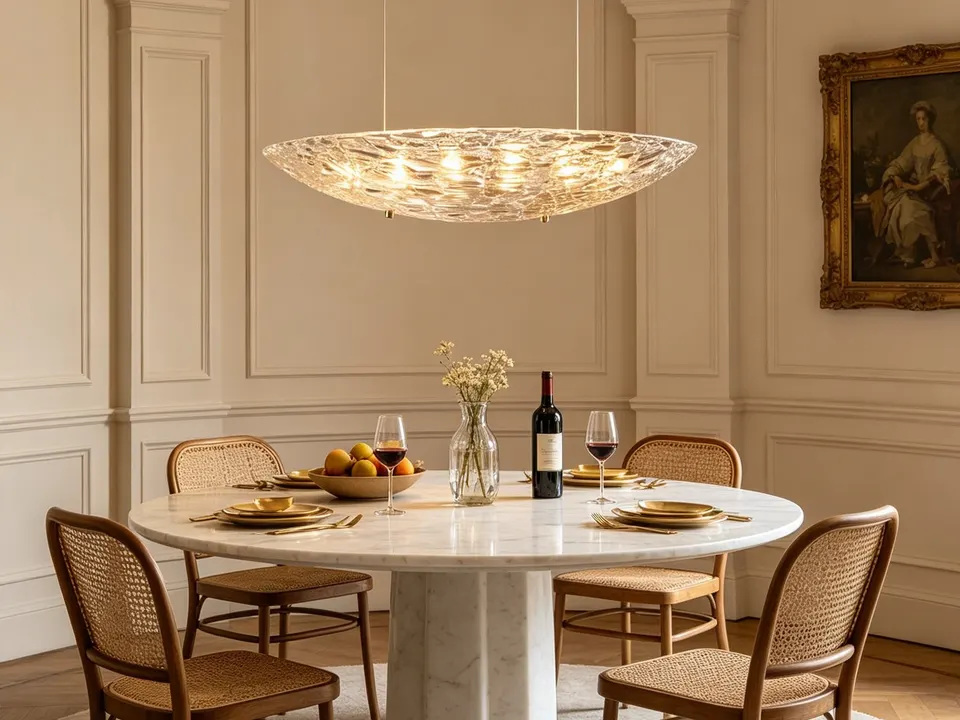
Dining tables are another. A table built on a plywood structure, finished in the veneer or colour you choose and made to the exact length your dining room needs, is one of the most rewarding things you can commission. It is used every day, it stays flat and stable through the seasons, and it is rarely more expensive than a branded equivalent of lower quality.
You are paying for material and skill, not for three layers of distribution.
Where it is fair to spend more
Upholstery is where costs rise quickly, because good frames, springs and fabrics are expensive, and because a sofa is a lot of handwork. Rare veneers, natural stone tops and complex details also add up. The honest answer is to decide where quality will be felt every day and to spend there, while keeping secondary pieces simple.
How to brief a maker
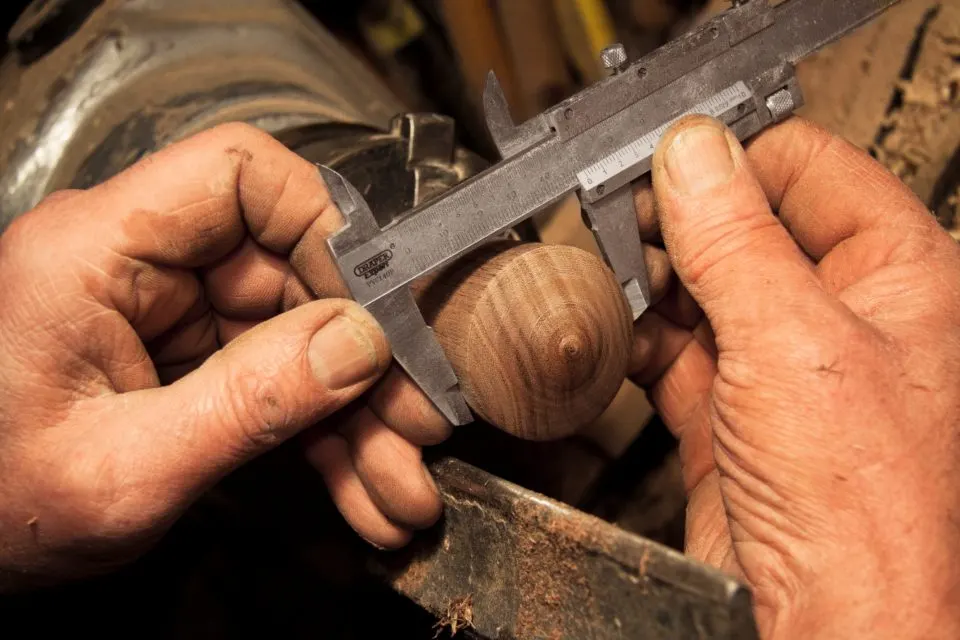
You do not need drawings to start. Photographs of the room, a floor plan or rough measurements, a few images of pieces you like (a moodboard, if you have one) and an honest budget range are enough. A good maker will tell you where your budget goes furthest and where it will be stretched. The atelier then returns with a drawing, material samples and a firm quote, so you know the price before anything is cut.
The long view
The cheapest piece of furniture is the one you only buy once. A well-made table can have its surface refreshed; a well-built bed frame can be re-upholstered; a fitted wardrobe moves with the house when it is sold. Replacement parts remain available, so a worn part means a repair. Measured over twenty years rather than one, made-to-measure furniture is often the sensible choice rather than the extravagant one.