Quiet towns, bright cold days, slow-cooked food and the last of the truffles. A practical guide to visiting Istria between November and March.
Most people know Istria as a summer place: warm sea, busy harbours, long evenings outside. Between November and March it becomes something else. The crowds go home, many seaside hotels close, and the peninsula returns to the people who live here. What is left is quieter, slower and, for the right traveller, deeply rewarding: clear skies after the wind, empty stone lanes, smoke from chimneys in the hill villages and kitchens cooking for neighbours rather than for coach parties.
This guide explains what winter is really like, what you can expect to find open, and how to plan a trip that makes the most of the off season. For the rhythm of the whole year, see our Istria month-by-month guide.
What is the weather like in Istria in winter?
Mild by northern European standards, but not tropical. The coast rarely freezes, and many winter days are bright and calm, good for walking in a light coat. Two winds shape the season. The bura, a dry and cold north-easterly, can blow for days; it is sharp and gusty, but it sweeps the sky clean and gives the hill towns their clearest views of the year. The jugo, a humid wind from the south-east, brings grey skies, rain and a rough sea. Late autumn and early winter tend to be the wettest stretch.
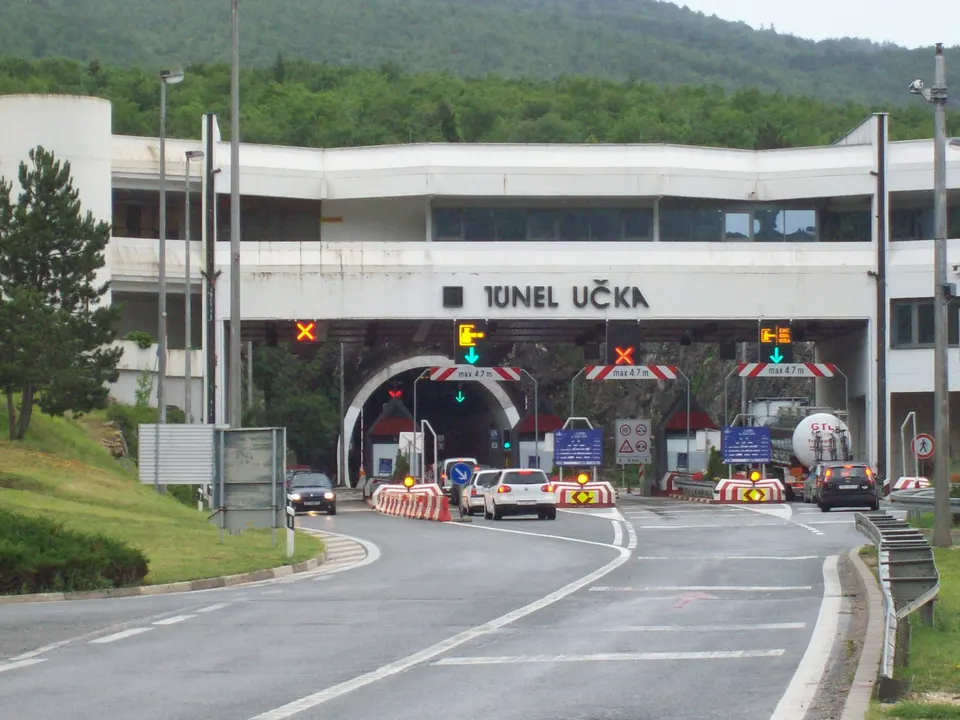
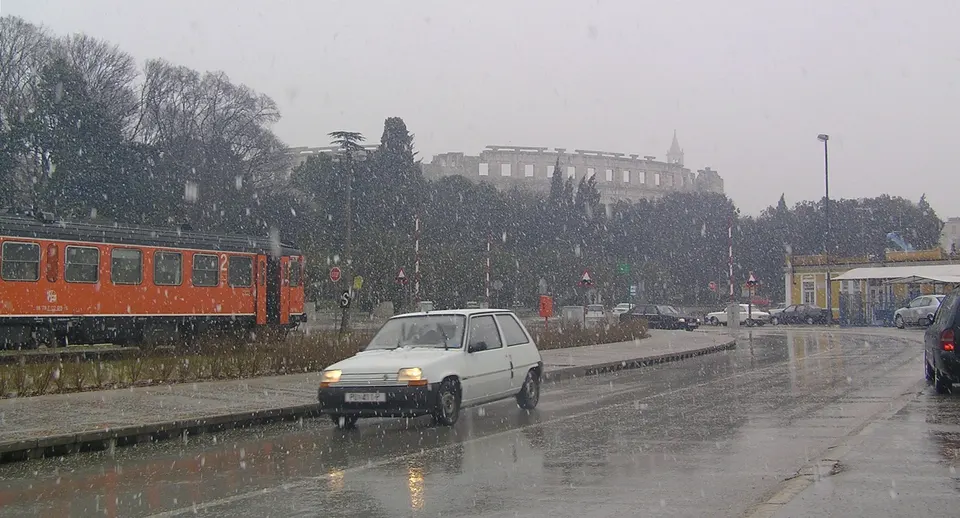
Snow on the coast is rare and rarely lasts more than a day, but it does happen, and Učka and the higher ground inland see it more often. Stone houses stay cool, so the most important thing to pack is not a heavy coat but a warm layer for indoors, and the most important thing to check when booking is the heating.
What is open in Istria in winter?
Less than in summer, more than people expect. The larger towns, Pula, Rovinj, Poreč, Umag, Labin, Pazin and Buzet, are lived in all year. Shops, markets, cafés, pharmacies and supermarkets keep working, and so do a good number of restaurants, especially those that cook for locals. What closes are the businesses built around the summer: many campsites, beach bars, seasonal hotels and some restaurants in resort areas, along with most boat excursions.
In the hill towns the picture varies. Some konobas close for a few weeks in midwinter so that their owners can rest; others stay open, at least at weekends, and are warm, unhurried and full of local families. Museums and galleries often keep shorter hours outside the season. None of this follows a fixed calendar, so the golden rule is simple: check before you drive.
- Usually open. Town markets, cafés, bakeries, supermarkets, pharmacies, churches, most town museums and a fair number of year-round restaurants.
- Often closed or reduced. Campsites, beach bars, many seaside hotels and resort restaurants, boat trips and some smaller attractions.
- Worth checking. Konobas in the hill towns, wineries and olive oil producers (call ahead for a tasting), national and nature park services.
Why visit Istria in winter?
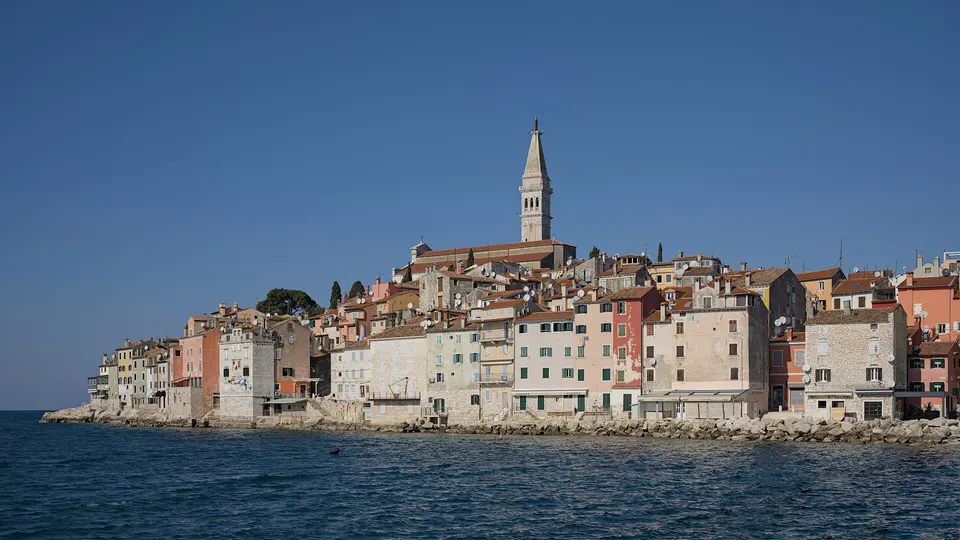
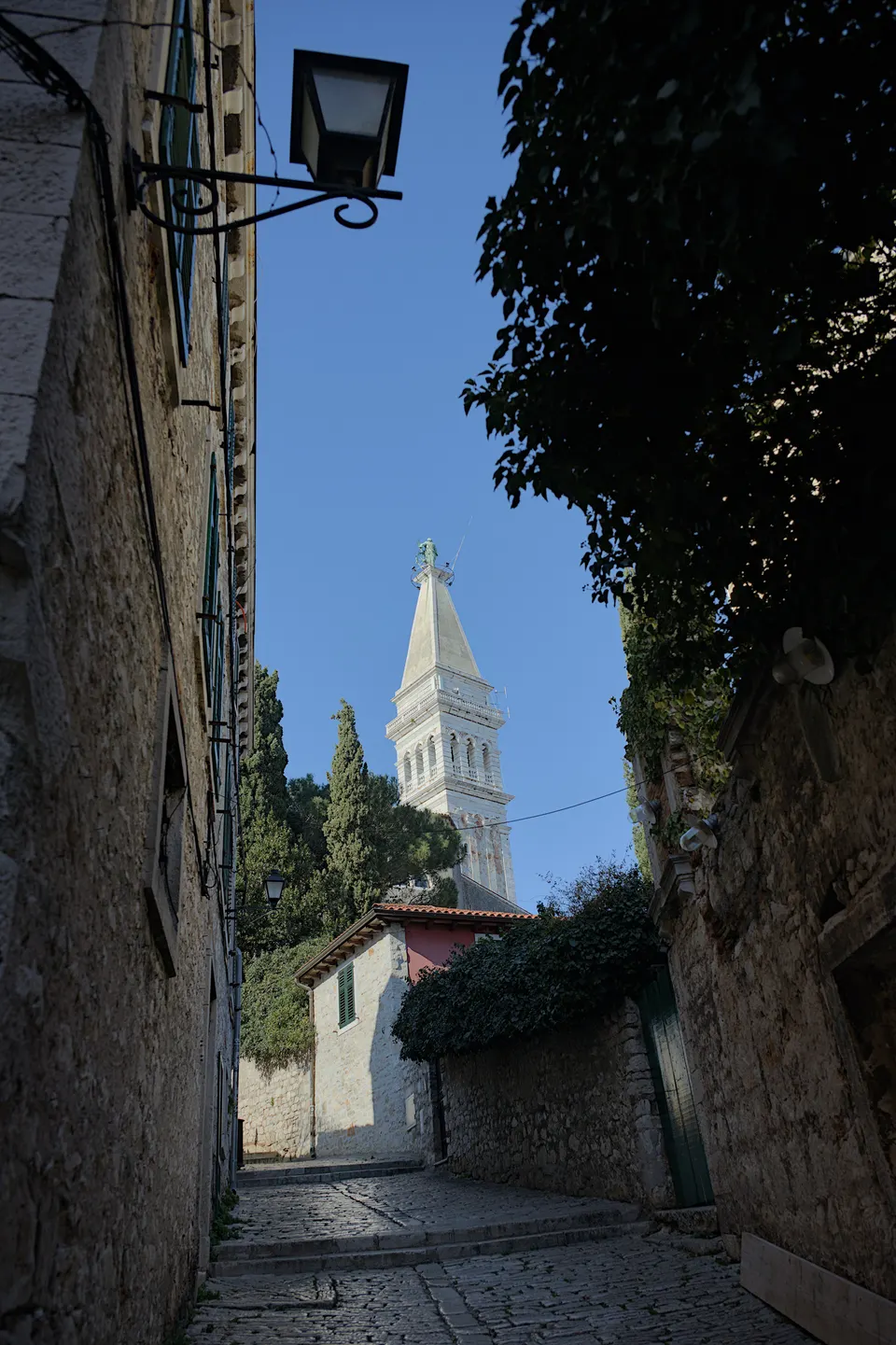
Because you see the place as it is. In Rovinj, the steep lanes of the old town belong to cats, neighbours and the occasional painter. In Pula, the Roman amphitheatre stands in a city going about its daily business. Hill towns such as Motovun, Grožnjan and Hum feel almost private on a weekday, and on a bura day you can see across the green and brown folds of the interior to the mountains.
On a bura day the sky is scrubbed clean and the hill towns can see for miles.
Winter is also the season for walking. The heat that makes long hikes hard in summer is gone, the paths are quiet, and routes such as the Parenzana, the old narrow-gauge railway line, are pleasant on foot or by bike on a dry day. Coastal paths and forest parks near the towns are good for short walks between lunch and an early dusk.
What to eat in Istria in winter
Winter food in Istria is the cooking of the interior: slow, generous and built around what keeps. Look for maneštra, the thick soup of beans, vegetables and often corn or barley; sausages, cured meats and dishes with sauerkraut; hand-rolled fuži or pljukanci with a rich meat sauce; and polenta beside almost everything. Game appears on some menus, and the white truffle season runs on into the early winter, so the first weeks are still a fine time for a truffle lunch; our truffle season guide explains what to look for.
Late autumn and early winter also bring the new olive oil, green and peppery, which many families taste on warm bread the moment it comes from the mill. Around Christmas and carnival, kitchens fry fritule, small sweet doughnuts. And in a konoba with a fire burning, a plate of pršut, cheese and a glass of Teran is a perfect way to spend a grey afternoon.
Winter traditions worth catching
December brings Advent lights, small markets and concerts to the towns, and long family meals to the villages. In late winter comes carnival, known locally as pust, still celebrated in many Istrian towns and villages with masks, processions and the trial and burning of a straw figure who carries the blame for the past year. Programmes change from year to year, so look at the local tourist board for current information.
Practical tips for a winter trip
- Book heated accommodation. Ask specifically about heating in bedrooms and bathrooms. Stone houses with good heating are wonderful in winter; without it, they are cold.
- Rent a car. Public transport between the hill towns is thin all year and thinner in winter. The roads are quiet, though the bura can make some exposed stretches unpleasant.
- Call ahead. For restaurants, wineries and museums, a quick message or call saves a wasted drive.
- Plan for short days. Dusk comes early; put the drive and the walk before lunch, and the long meal after.
- Pack for indoors and wind. A warm layer, a windproof jacket and shoes with grip for polished stone lanes.
- Have a rainy-day plan. Our rainy-day ideas are useful when the jugo sets in.
Is winter the right time for you?
If you want to swim, sit in beach bars and dine by the sea every night, no. If you want space, honest food, long walks and the feeling of being a guest rather than a tourist, winter may be the best time of all. Our guide to the best time to visit Istria compares the seasons side by side.
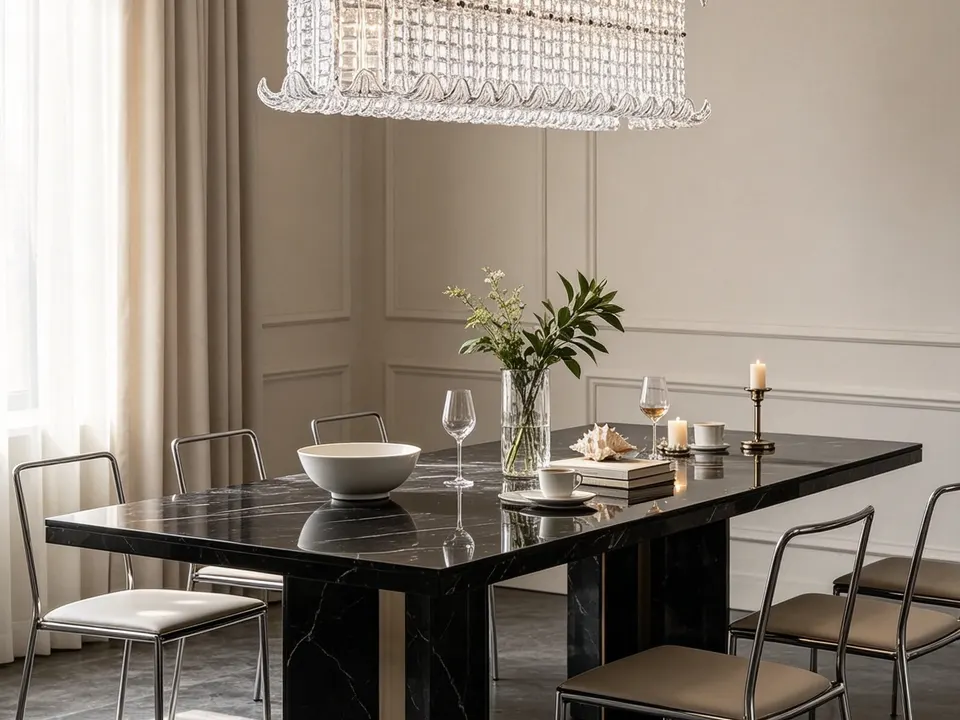
Winter is also when many people who own or plan a house here look at it with new eyes. A villa that is perfect in August can feel bare and chilly in January. Warm light, rugs, a fireplace corner and furniture made for a house that is lived in all year make the difference between a summer house and a home.