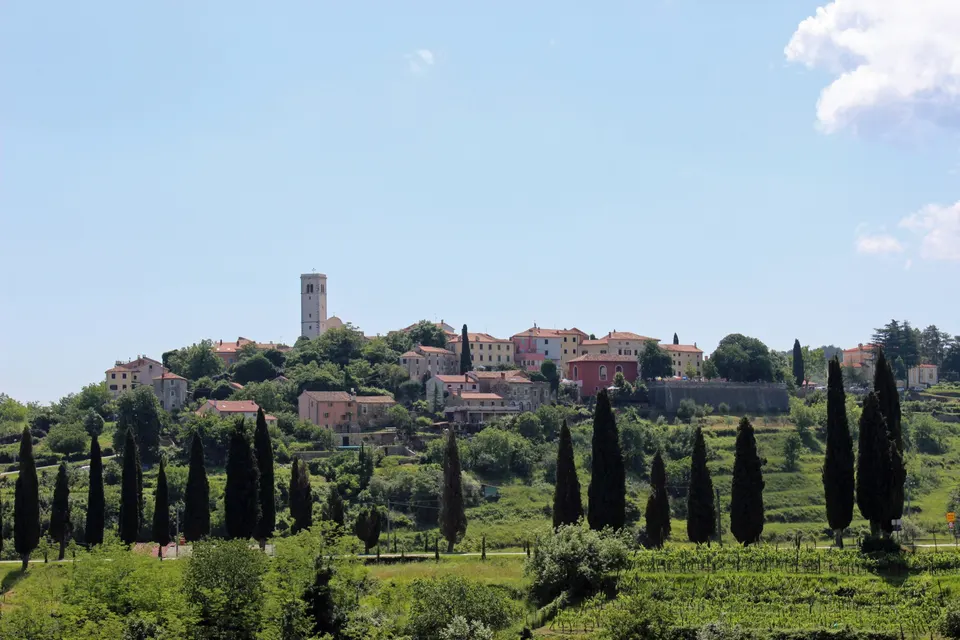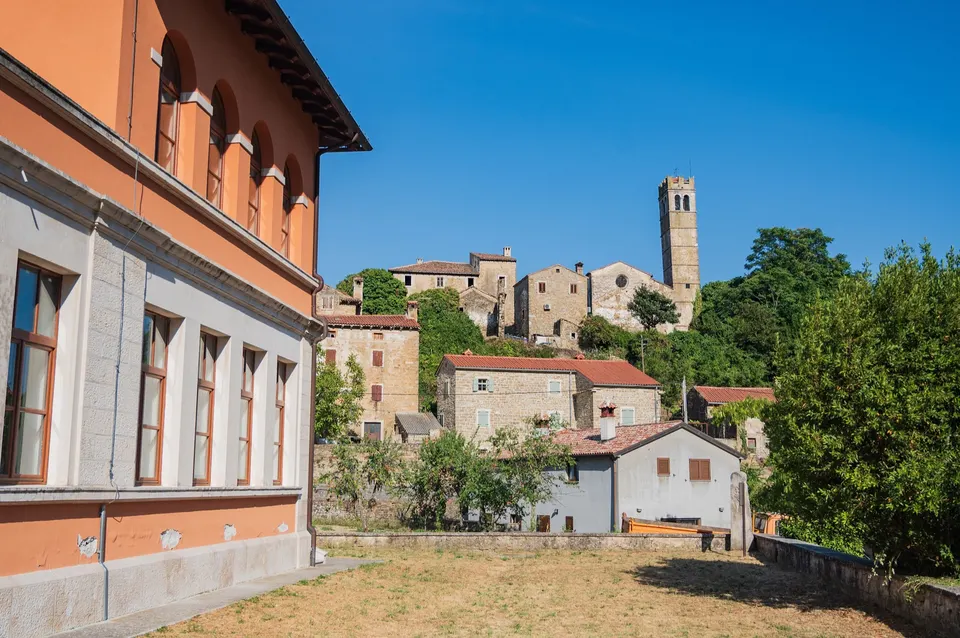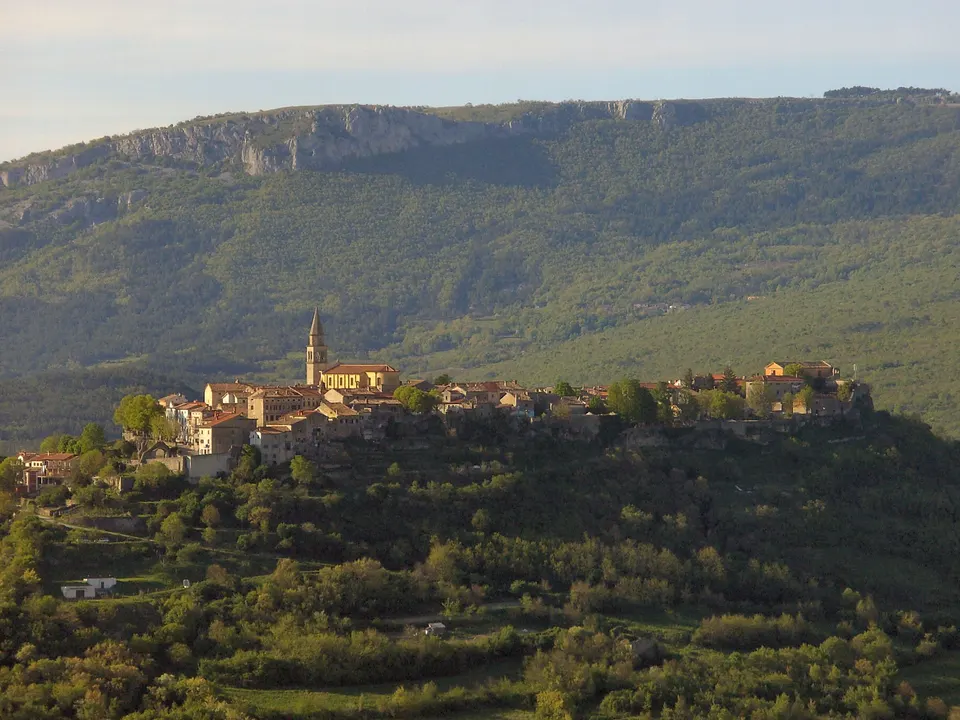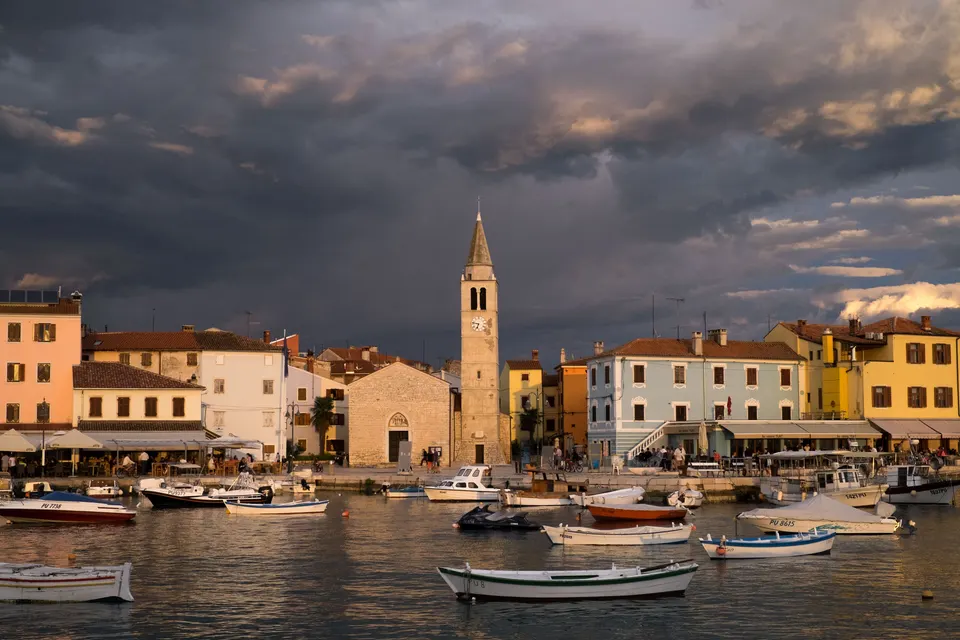
Colourful houses, fishing boats and sardines on the grill. A small harbour town north of Pula that is far more than the departure point for Brijuni.
Many visitors meet Fažana only briefly: they park, buy a ticket and step onto the boat to Brijuni. That is a pity. Fažana, Fasana in Italian, is one of the most charming small towns on the south-west coast of Istria, with a working fishing harbour, a waterfront of pastel houses and a long tradition of living from the sea. It is worth an evening of its own, and for many people it becomes the base for a whole holiday.
Where is Fažana?
Fažana lies on the coast a short drive north-west of Pula, facing the Fažana channel and the green islands of the Brijuni National Park. Behind it, the land rises gently towards Vodnjan and its olive groves. The setting is sheltered and calm, with the islands breaking the open sea and creating a quiet stretch of water that has always been good for small boats.
A fishing town with a long memory
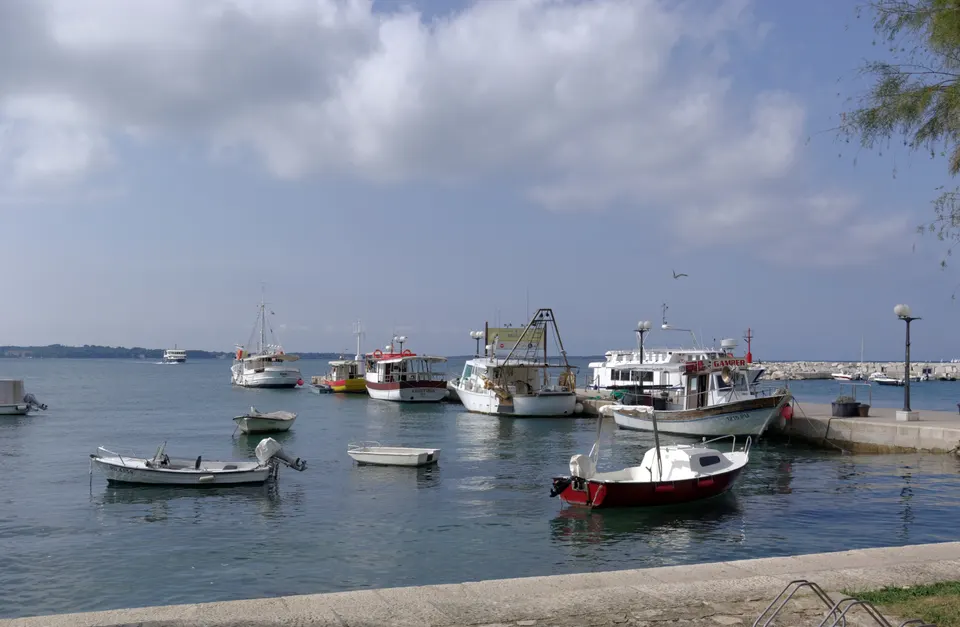
Fishing has shaped Fažana for centuries, and the sardine is its emblem. Small blue fish, caught at night and brought into the harbour in the early morning, were once the backbone of the local economy, salted and preserved for trade. The fishing boats are still here, moored along the quay alongside excursion boats and pleasure craft, and in the morning you can still see nets being sorted and repaired.
The story goes back much further. In Roman times, the Fažana area was home to workshops producing amphorae, the clay jars used to transport olive oil and wine across the empire. The fertile hinterland, the olive groves and the sheltered coast made it a natural place for trade.
What to see in Fažana
Fažana is small, and its pleasures are simple. The waterfront promenade, the riva, is the heart of town: a line of cafés, restaurants and benches looking straight across to Brijuni. Behind it, a few narrow lanes lead into the old centre, with stone houses painted in soft yellows, pinks and blues, green shutters and small squares.
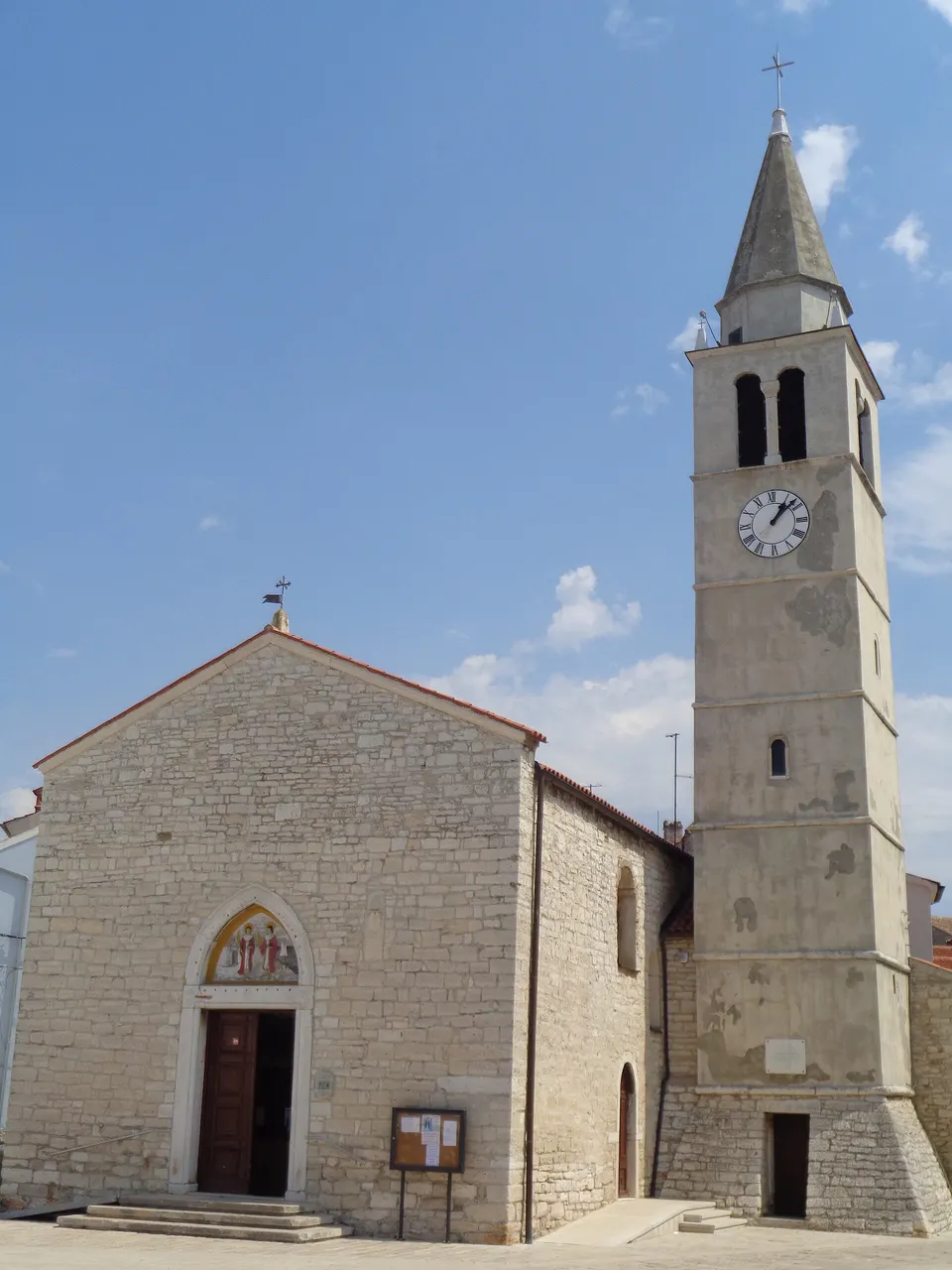
The parish church of Saints Cosmas and Damian, with its tall bell tower, stands close to the harbour and is the town's most recognisable landmark. A little way from the centre, the small church of Our Lady of Carmel is known for its medieval wall paintings. Both are reminders that this was a settled, prosperous community long before tourism arrived.
A plate of grilled sardines, a glass of white wine and the islands turning dark across the water.
Sardines and seafood
If there is one thing to eat in Fažana, it is sardines. Grilled over embers with a little salt, olive oil and a slice of bread, they are one of the simplest and best dishes on the coast. Fažana celebrates them with a popular summer sardine festival, when the waterfront fills with grills, music and long tables. Outside festival time, many of the restaurants along the riva serve fresh fish, shellfish and Istrian classics. Ask what came in that morning, and order a glass of local Malvazija to go with it. For a wider view of local food, see our guide to Istrian cuisine.
To eat sardines the local way, keep it simple: whole fish, straight from the grill, eaten with your fingers, head and bones left on the side of the plate. A few drops of good olive oil from the Vodnjan hills, a pinch of salt and a piece of bread to wipe the plate are all you need. The same goes for other small fish from the channel. In Fažana, the freshness of the catch matters far more than any sauce, and the best meals are often the plainest ones.
Beaches around Fažana
The coast around Fažana is low and gentle, with a mix of pebble beaches, rocky shores and pine shade. Beaches stretch along the shore on either side of the town, and the shallow water makes the area popular with families. For quieter swimming, walk or cycle along the coastal paths away from the centre, where you will find small coves among the pines. Sunset from the shore, with the light falling behind Brijuni, is one of the best free shows in southern Istria.
Visiting Brijuni from Fažana
Fažana is the gateway to the Brijuni National Park. The park's boats leave from the harbour, and visits are booked through the park, which has its office on the waterfront. In summer it is wise to book ahead. Plan your day so that you visit the islands in the morning, return in the afternoon and stay on for an evening meal on the riva. Our Brijuni guide covers what to see once you land.
Good to know
- Getting there. Fažana is a short drive from Pula and Vodnjan; there are also local buses from Pula.
- Parking. In high season the centre fills up quickly; arrive early or use the larger car parks on the edge of town.
- Brijuni. Boats to the national park leave from the harbour; book with the park in advance in summer.
- Events. Summer brings festivals, concerts and fish nights on the waterfront; check the local programme for dates.
- Out of season. Spring and autumn are calm and pleasant, with the fishing life of the harbour more visible.
- Getting around. The coastal path is flat and good for walking and cycling.
Why Fažana works
Fažana has kept its proportions. It is busy in summer, but it has not lost the feeling of a real harbour town, where fishermen and visitors share the same quay. It is close to Pula, Vodnjan and the beaches of the south, but quieter than the larger resorts. For a holiday base, or simply a long evening by the water, it is hard to beat. Combine it with a day in Pula and you have the best of southern Istria within a few kilometres.