The romance of a stone house in a hill village is real. So are the questions about ownership, structure, access and permits. Here is what to check, and who to ask, before you commit.
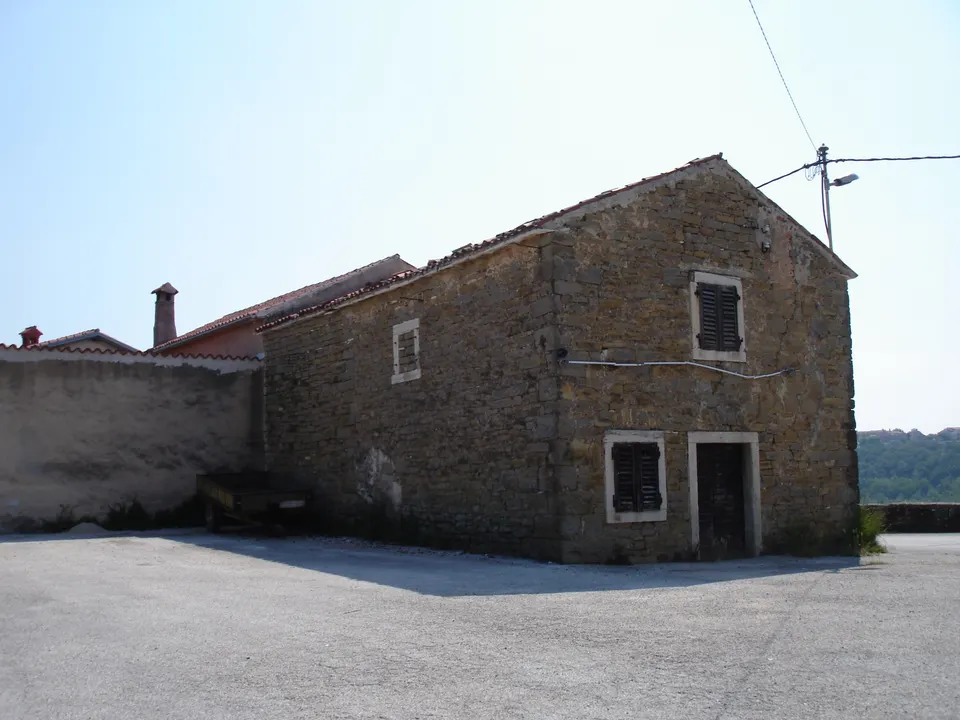
Many people fall in love with Istria through a single house: two storeys of weathered stone, green shutters, a fig tree by the door and a view over the valley. Buying it can be the start of something wonderful. It can also be the start of years of paperwork and unexpected repairs. The difference is almost always made before the contract is signed.
This is a general guide, not legal advice. Property law, taxes and procedures in Croatia are specific, and the rules for buyers from abroad depend on your citizenship. Work with a lawyer who handles property transactions in Croatia and, for the building itself, with an architect and an engineer. Our guide to buying property in Croatia as a foreigner covers the wider process.
1. Who really owns it?
Old houses in Istrian villages have often passed down through several generations, and ownership can be split between many heirs, some of whom live abroad. The records may not match what is on the ground: an extension that was never registered, a boundary that follows an old wall rather than the cadastral map, a courtyard shared with the neighbours. Your lawyer should check the land registry and the cadastre, confirm that everyone who needs to sign can sign, and look for mortgages, easements or other claims on the property. Do not pay a deposit until this is clear.
2. Is the building legal as it stands?
Ask whether every part of the house, including later additions, has the documents it needs. Unregistered or unauthorised parts can complicate a sale, a renovation permit and future insurance. An architect can compare the building with the official records and tell you what, if anything, needs to be regularised, and whether that is realistic.
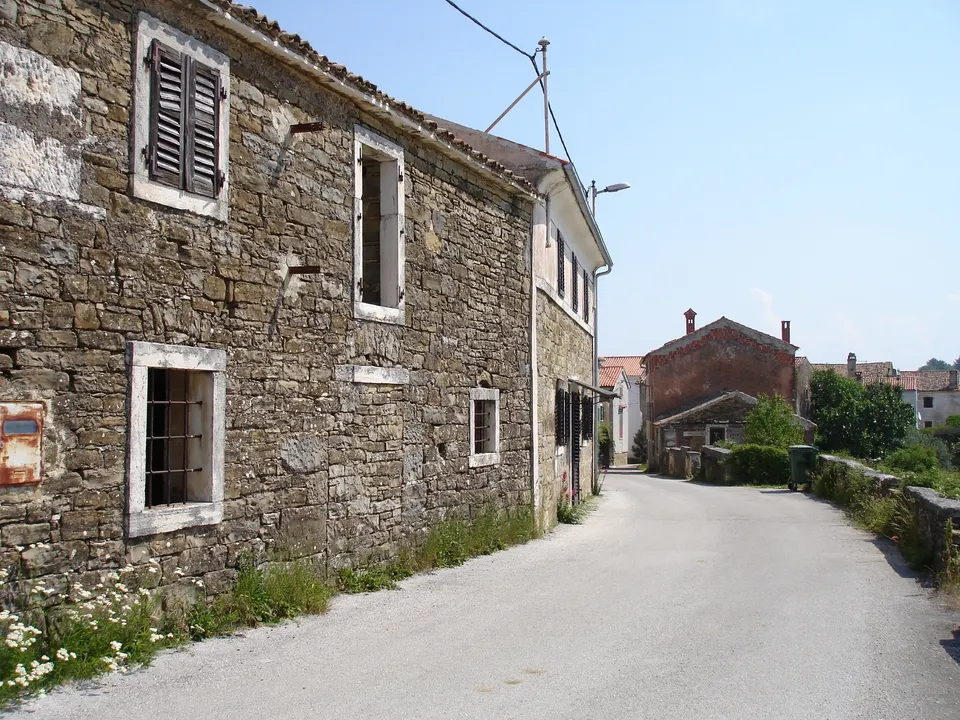
3. What condition is it really in?
Have an engineer who knows traditional stone construction survey the house before you commit. Look in particular at:
- The roof. Sagging ridges, slipped tiles and stains on the ceilings below suggest water has been getting in for a while.
- The walls. Cracks, bulges and missing stones, especially at corners and around openings.
- Timber. Beam ends where they sit in the walls, floors that bounce, signs of rot or insects.
- Damp. Tide marks low on the walls, cement render that traps moisture, poor drainage around the house.
- Neighbouring buildings. In a village, walls are often shared; a collapsing house next door is your problem too.
A survey will not tell you the final cost of a renovation, but it will tell you what you are buying. Read what drives the cost of renovating a stone house to understand how the findings translate into a budget.
Fall in love with the house, then ask the engineer to look at it without love.
4. Access, parking and utilities
Check how you reach the house, legally as well as physically. Is the access road public, or does it cross someone else's land? Can a car park nearby, and can a delivery lorry reach the site during a renovation? Find out whether water, electricity and a sewer or another drainage solution are connected or available, and what connecting them would involve. In remote hamlets these questions can make the difference between a simple project and a very complicated one.
5. What can you build, and what must you keep?
Many buyers plan to extend, add a pool or open up the ground floor. Whether that is allowed depends on the spatial plan for the area, the size of the plot and, in historic settlements, conservation requirements that can cover façades, roofs, windows and materials. Ask an architect to check the planning documents before you buy, not after. If your plans depend on a permit, your lawyer may be able to reflect that in the timing or conditions of the purchase. Our overview of building permits in Croatia explains the general steps.
6. The purchase itself
In general terms, a property purchase in Croatia involves a written contract, verification of signatures by a public notary and registration of the new owner in the land registry, with taxes and fees to pay along the way. The details, the order of steps and the costs depend on your situation, so rely on your lawyer and notary for them. Make sure you understand every document you sign; if you do not read Croatian, ask for a certified translation or an explanation clause by clause.
Before-you-sign checklist
- Land registry and cadastre checked by your lawyer.
- All owners identified and able to sign.
- No undisclosed mortgages, easements or claims.
- Building documents checked against what actually stands.
- Structural survey by an engineer who knows stone houses.
- Legal access and parking confirmed.
- Utilities and drainage options understood.
- Planning and conservation rules checked by an architect.
- A realistic renovation budget with a reserve for surprises.
After the keys
Once the house is yours, take your time. Spend a season in it if you can. You will learn where the morning light falls, where the wind comes from and where you really want to eat. Then plan the renovation and the interior together. Stone houses are full of irregular walls, deep alcoves and low ceilings, and furniture made to measure turns them into features. Lampisa, our partner atelier, builds in plywood rather than particleboard, which suits old walls that may never be perfectly dry, and shows every room in a 3D render before anything is made. Our article on restoring a stone house is a good next read.