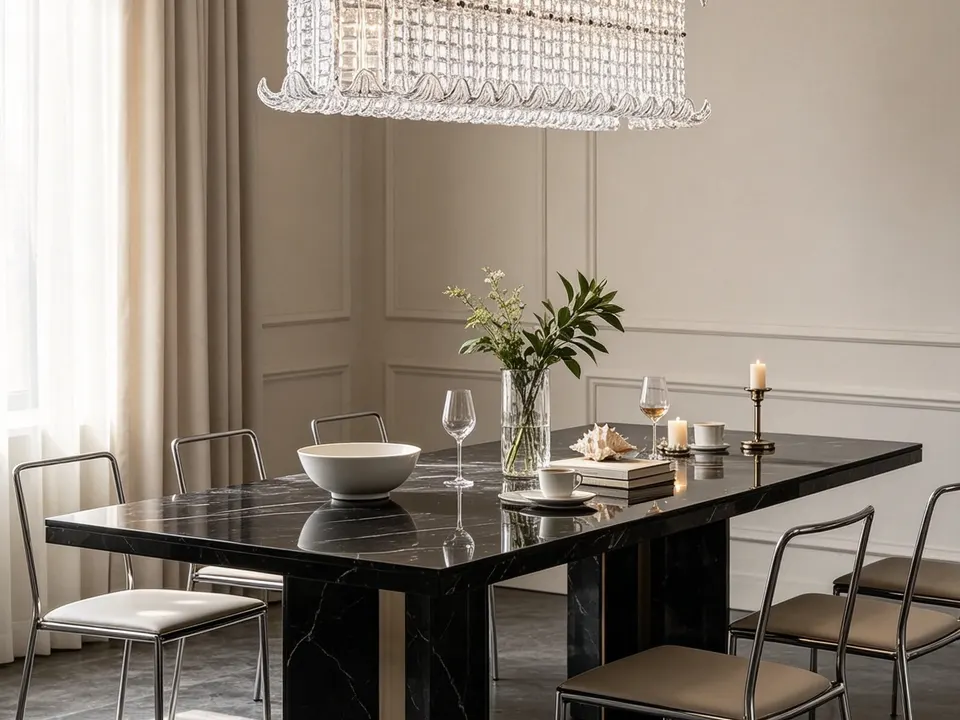
From signing to the first summer evening on the terrace: when to plan, when to order, and what to leave until you have lived there for a while.
Most owners we speak to have the same regret: they started thinking about furniture too late. The purchase took months, the renovation took longer than planned, and then suddenly the builders were leaving and the first guests or family were arriving in three weeks. The result is a rushed drive to the nearest retail park and a house furnished in a weekend.
A little planning avoids that. Here is a timeline that works for most houses, whether you are renovating an old stone house or moving into a finished new build.
Before you sign
Walk through the house with furniture in mind. Measure the rooms you care about most, photograph every wall, and note where the light falls at different times of day. Pay attention to access too: narrow staircases, low doors and village streets decide what can be delivered in one piece and what must be built in place.
During the design or renovation phase
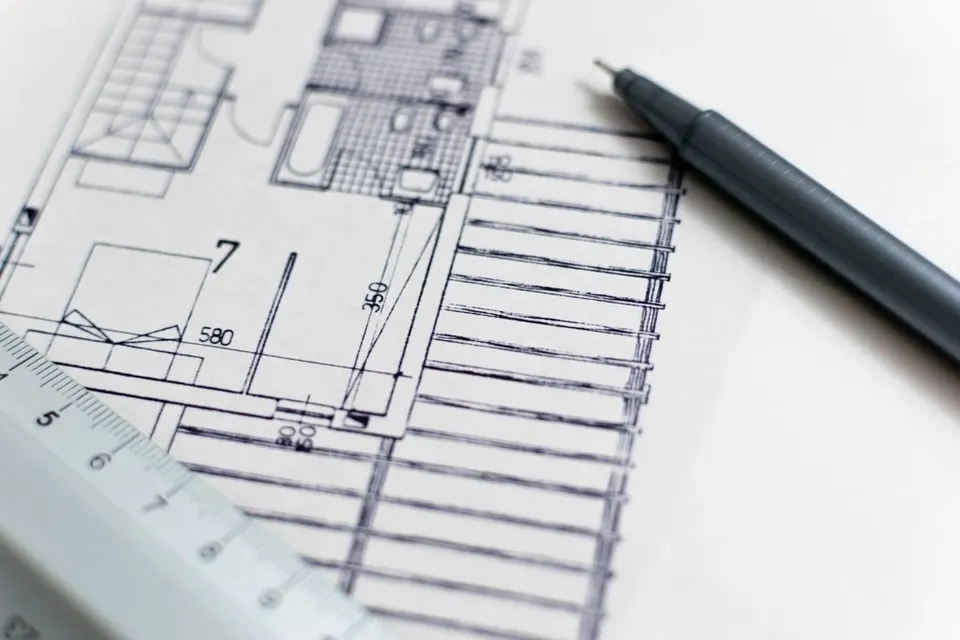
This is the moment to decide on built-in furniture: kitchen, wardrobes, bathroom vanities, window seats and shelving. These pieces affect where sockets, lights and plumbing go, so they belong in the architect's drawings, not after them. If your architect works with a coordinated model, the atelier can design against it directly.
Three to four months before you move in
Commission the pieces with the longest lead times and the greatest impact: the dining table, beds, the main sofa and any outdoor furniture. Approve materials from samples, not screens. Agree delivery and installation dates around the end of the building works, with a little margin, because renovations rarely finish exactly on time.
Order the pieces you will use every day first. Leave the decorative ones until you know the house.
The first weeks
Live with the essentials for a while. Notice where you actually sit in the evening, where the sun is too strong, which corner always collects bags and shoes. Secondary pieces such as side tables, extra storage and reading chairs are much easier to get right after a few weeks in the house.
If you do not live in Croatia
Many owners manage the whole process from Germany, Austria, Italy or Slovenia. It works well when there is one point of contact for the furniture, decisions are made by video call with physical samples sent ahead, and installation is handled by the people who built the pieces. Ask for photographs of each piece before delivery, and for a short walkthrough video after installation.
Budgeting for furniture
Furniture is one of the items most often under-budgeted in a house purchase, because it comes last and the renovation tends to consume any contingency. Set aside a realistic figure from the start, and split it between built-in pieces, everyday furniture that you will use constantly, outdoor furniture and finishing touches. Decide where you want quality that lasts decades and where simpler solutions are fine. Then protect that budget from the inevitable surprises of the building works.
Holiday home or permanent home?
The answer changes everything. A permanent home needs storage for a full life, a proper home office perhaps, winter comfort and furniture chosen for daily routines. A holiday home can be simpler and more relaxed, but needs to be easy to close up for the winter and easy to open again in spring. A house that will also be rented needs robust materials and a lockable owner's storage. Be honest about how the house will really be used, because furnishing for the wrong life is the most expensive mistake of all.
Working with a property manager
Many owners who live abroad rely on a local property manager or caretaker. Involve them in furnishing decisions: they know which materials survive cleaning routines, where guests cause damage and what is difficult to maintain. They can also receive deliveries and supervise installation. A short meeting between the atelier and your property manager at the start avoids many small problems later.