The old stone houses of inland Istria are some of the most beautiful homes in Europe. Restoring one well is a balance between respect and modern life.
Few things in Istria are as tempting as a ruined stone house on the edge of a hill village. Thick walls, an old fireplace, a courtyard with a fig tree. Many of the most loved homes in the region began as exactly that. Many of the most disappointing ones did too.
The difference usually lies in a single question asked at the very start: what is it about this house that we must not lose?
Understand what you have
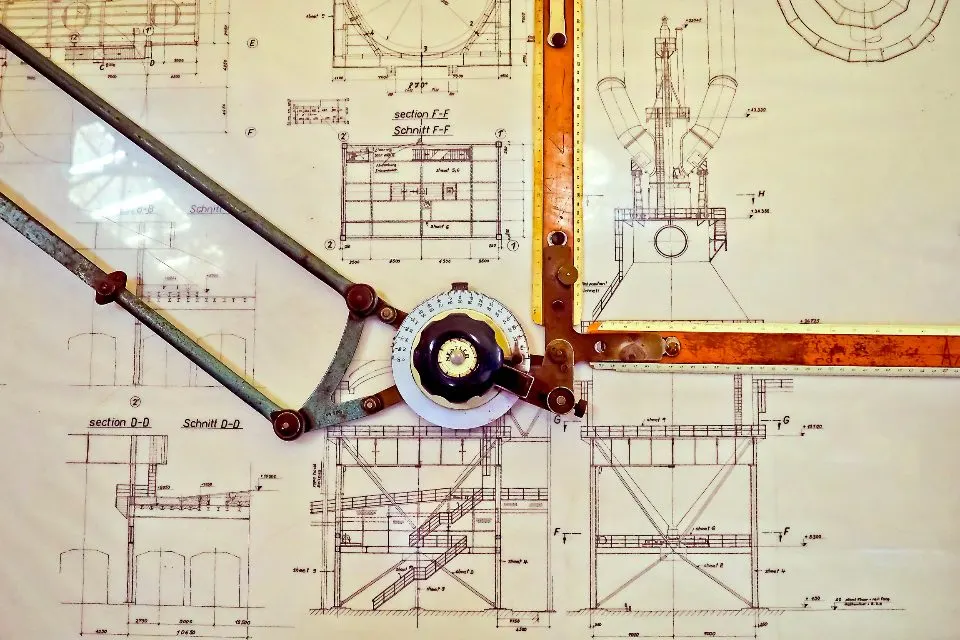
Before any design, have the building surveyed properly. Old stone walls, timber floors and roofs need assessment by people who know traditional construction. In historic village centres, conservation rules may apply to windows, roofs, façades and materials; your architect should check this early, because it shapes everything else.
Keep the character
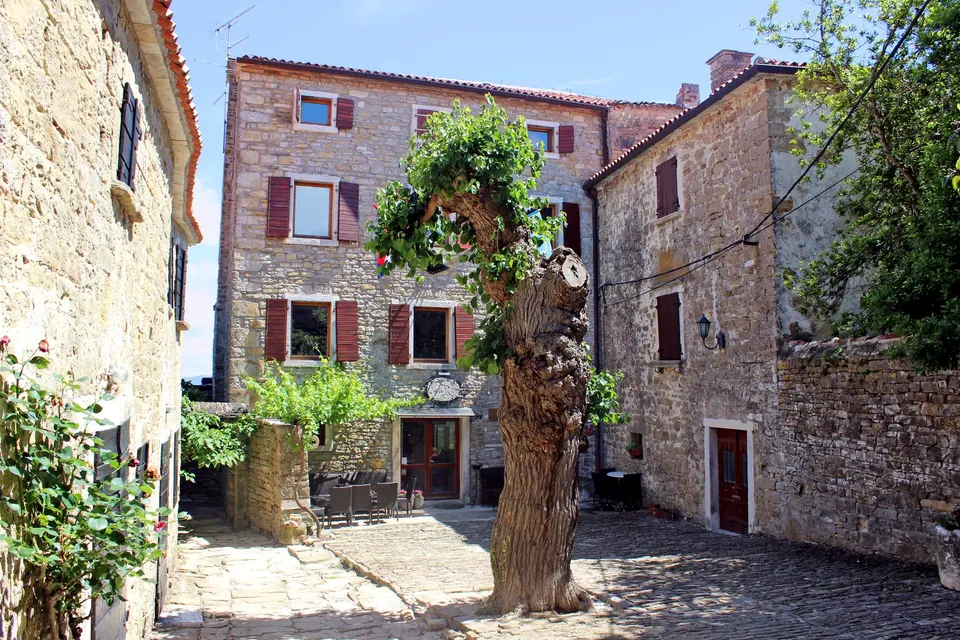
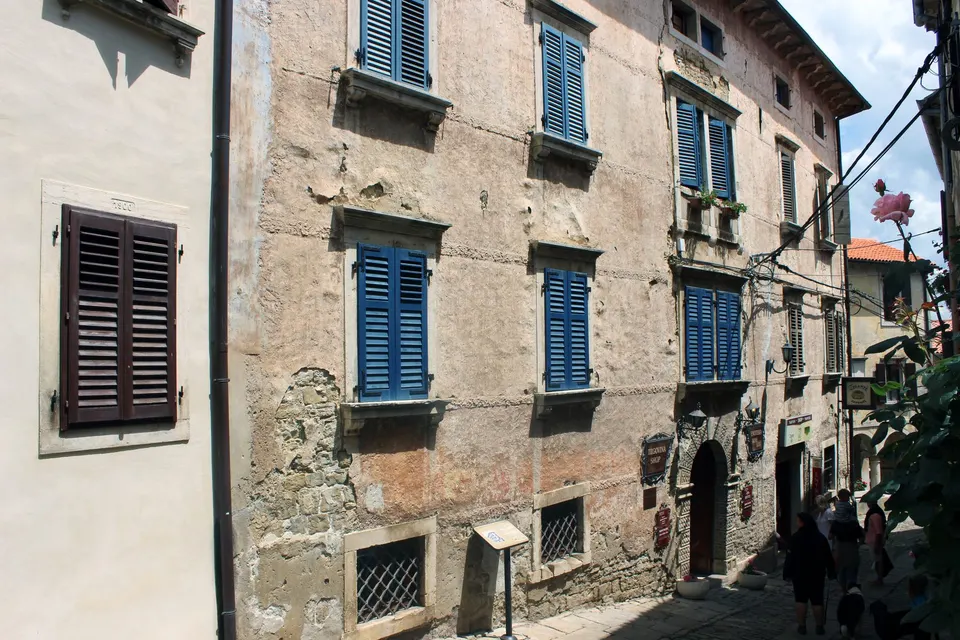
The character of a stone house lives in a few elements: the thickness of the walls, the depth of the window openings, stone thresholds and lintels, old beams, the irregularity of surfaces. Keep those wherever possible. Repair rather than replace. Where something must be new, let it be honest and simple rather than imitation-old.
Upgrade what you cannot see
Comfort lives in the hidden parts: insulation in the roof, underfloor heating beneath stone floors, careful damp-proofing, discreet ventilation, good wiring. These are the things that let you enjoy the house in February as well as August. They are also the reason coordination between architect, engineers and installers matters so much in a renovation.
Ask first: what is it about this house that we must not lose?
Furniture for old houses
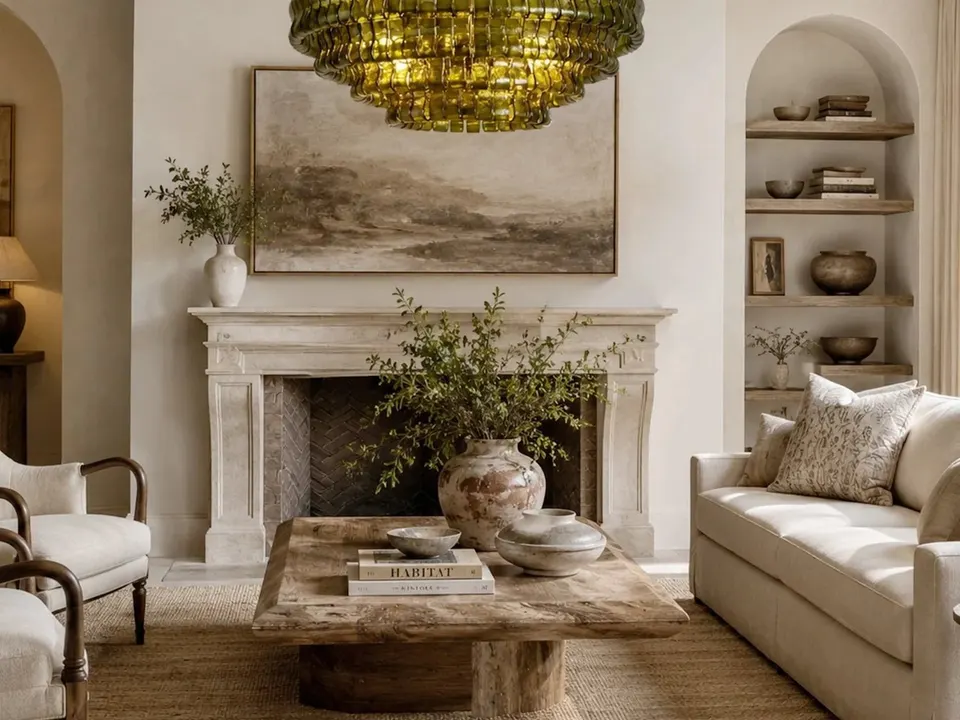
Stone houses are where standard furniture struggles most. Walls are not straight, floors slope, ceilings are low under the roof, and doorways are narrow. Built-in pieces made to measure turn these irregularities into features: a wardrobe that follows the slope of the roof, shelving set into a thick wall, a kitchen built around an old stone sink. Against old walls, where a little damp is normal, they should be plywood with sealed edges rather than particleboard. Freestanding pieces should be generous but not bulky, with surfaces that sit naturally next to stone: oak or walnut finishes, linen, iron.
Take your time
The best restorations are rarely the fastest. Living in a house for a season before finishing it often reveals where you really want to sit, eat and read. If you can, complete the structure and the essentials first, and furnish slowly.
Choosing the team
A stone house restoration needs an architect who has done this before, builders who know traditional techniques such as lime mortars and stone repointing, and engineers who will not simply propose concrete for every problem. Ask to see restorations the team has completed, and talk to their clients. Good restorers are often booked well ahead, so start conversations early, ideally before the purchase is finished.
Materials that belong
Lime plaster rather than cement lets old walls breathe and avoids damp problems. Reclaimed stone and old terracotta tiles can often be sourced locally to match what was lost. New timber should be chosen to sit comfortably next to old beams; oak is the natural partner. Ironmongery, such as hinges, latches and handles, makes a surprising difference to how authentic a restoration feels, and is worth choosing with care.
Living with imperfection
The charm of a stone house lies in its irregularity, and a restoration that tries to make every line straight will lose it. Walls lean, floors dip, windows sit at slightly different heights. Furniture and joinery made to measure can embrace this rather than fight it: a bench that follows a sloping floor, shelves that step with a wall, a kitchen that sits comfortably beside an old stone arch. The result feels settled, as if it had always been there.