The small practical things that make a trip to Istria easier: paying, drinking the tap water, tipping in a konoba, finding a pharmacy, and the local manners worth knowing.
Istria is an easy place to travel. It is safe, well organised and used to visitors from all over Europe, and most of what you need to know you will pick up in the first day. Still, a few practical details save time and small misunderstandings, especially on a first visit. This guide collects them in one place.
Things like opening hours, fees and rules change, so we keep to what stays broadly the same. For current details, the regional and local tourist boards are reliable sources.
What currency is used in Istria?
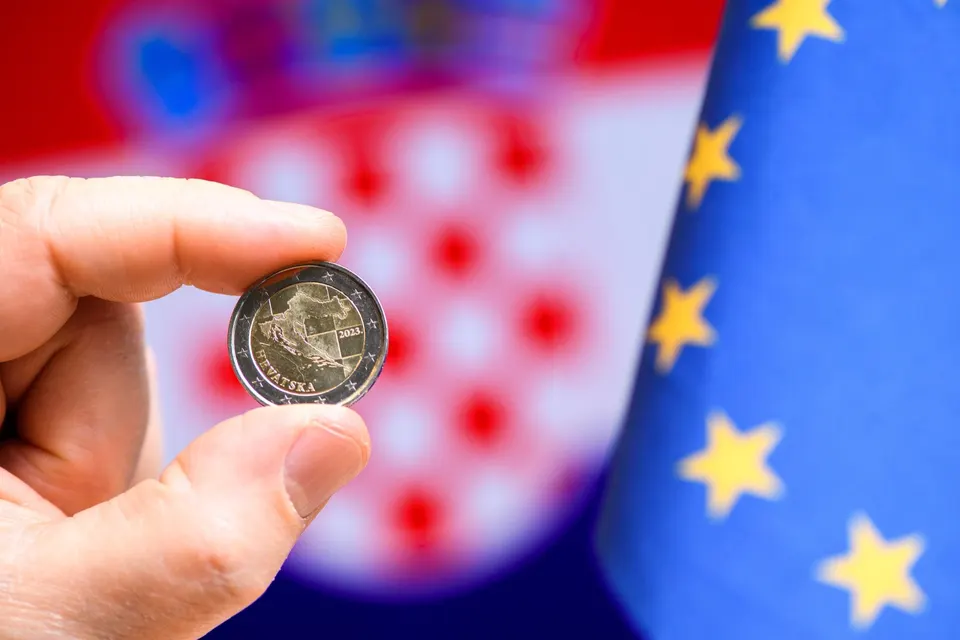
Croatia adopted the euro at the start of 2023, so Istria uses the euro, like Slovenia and Italy next door. You may still see old prices in kuna on faded signs or in older guidebooks; ignore them.
- Cards. Cards and contactless payment are accepted in most shops, restaurants, petrol stations and hotels.
- Cash. Carry some anyway. Small konobas, market stalls, farm shops, some parking machines and beach kiosks may prefer or need cash.
- ATMs. Easy to find in towns, rarer in villages. Bank machines are usually the safer choice. If a machine or a card terminal offers to charge you in your home currency, choosing euros is usually the better deal.
- Receipts. In Croatia, businesses must issue a receipt for every sale, so it is normal to be handed one, even for a coffee.
Can you drink the tap water in Istria?
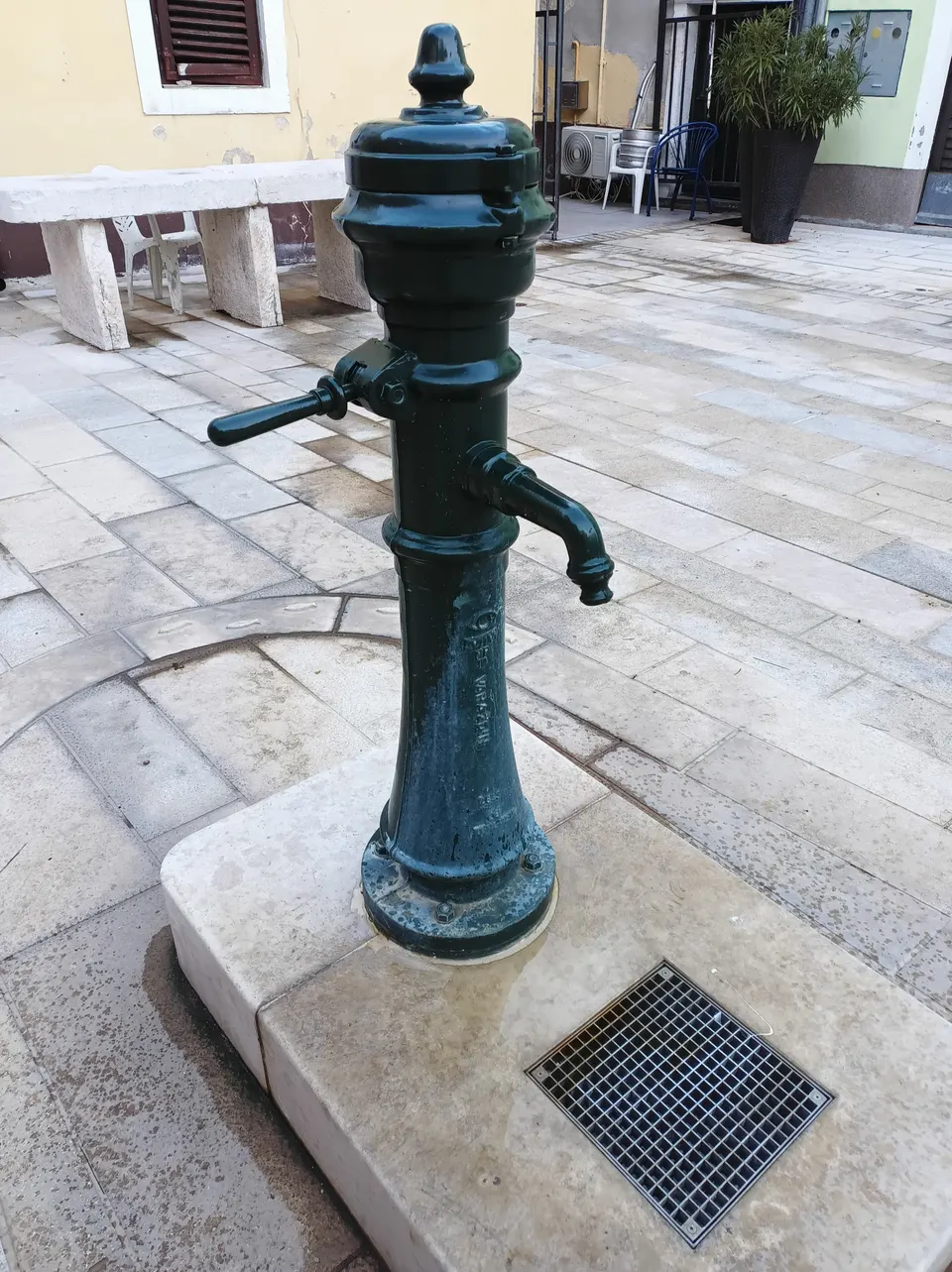
Yes. Tap water in Istria is generally safe to drink, and in many towns you will find public drinking fountains in squares and along promenades. Carry a refillable bottle, especially in summer and on walks or rides inland. If you are staying in an old rural house with its own cistern or well, ask your host whether the water is meant for drinking.
Tipping in Istria
Tipping is appreciated but not obligatory, and service is not normally added to the bill. In restaurants and konobas, people usually round up or leave a little extra when they are happy with the service. In cafés, leaving the small change is common. Taxi drivers, guides and boat crews also appreciate a tip for good service. If you pay by card and want to tip, it is often easiest to leave the tip in cash on the table.
Pharmacies, health and emergencies
- Pharmacies. Look for the word ljekarna and a green cross. Pharmacists are helpful with minor problems such as sunburn, insect bites, stomach upsets and jellyfish stings.
- Out of hours. In larger towns, one pharmacy is usually on duty at night and at weekends. The rota is posted on pharmacy doors and is available from the local tourist office.
- Doctors. In summer, many coastal resorts have a tourist medical clinic. In an emergency, go to the nearest hospital or emergency centre.
- Insurance. Visitors from the EU should bring their European Health Insurance Card. Everyone should have travel insurance.
- Emergency number. Call 112 for police, ambulance or fire. It works from any phone.
- Sun and heat. The summer sun is strong. Avoid the midday hours on the beach and drink plenty of water.
- Ticks. Inland, in long grass and woodland, check yourself and your children after a walk.
Language and the bilingual coast
Croatian is the official language, and in many Istrian towns Italian is official too, a reminder of the region's long history; see Venetian heritage in Istria. That is why you will see bilingual street signs and place names, such as Rovinj and Rovigno, or Poreč and Parenzo. English is widely spoken in tourism, and German and Italian are very common. A few words of Croatian are always appreciated: dobar dan (good day), hvala (thank you), molim (please, or you're welcome).
A few words of Croatian, a slower lunch and a cover-up in town: that is most of Istrian etiquette.
Etiquette: dress, churches and the beach
- Swimwear is for the beach. In town centres, cafés and shops, people expect you to cover up. Some towns have rules about walking around in swimwear; it is simplest to follow local custom.
- Churches. Cover your shoulders and knees, keep your voice down and avoid visiting during a service unless you are attending.
- Naturism. Istria has a long naturist tradition, but only on beaches and in campsites marked as such.
- Greetings. It is polite to greet people when you enter a small shop or a konoba.
- Pace. Meals are not rushed. In a konoba, you usually ask for the bill when you are ready; no one will hurry you out.
- Fire. In summer, the risk of wildfire is high. Never light fires outdoors and never throw cigarette ends from a car.
Shops, markets and opening hours
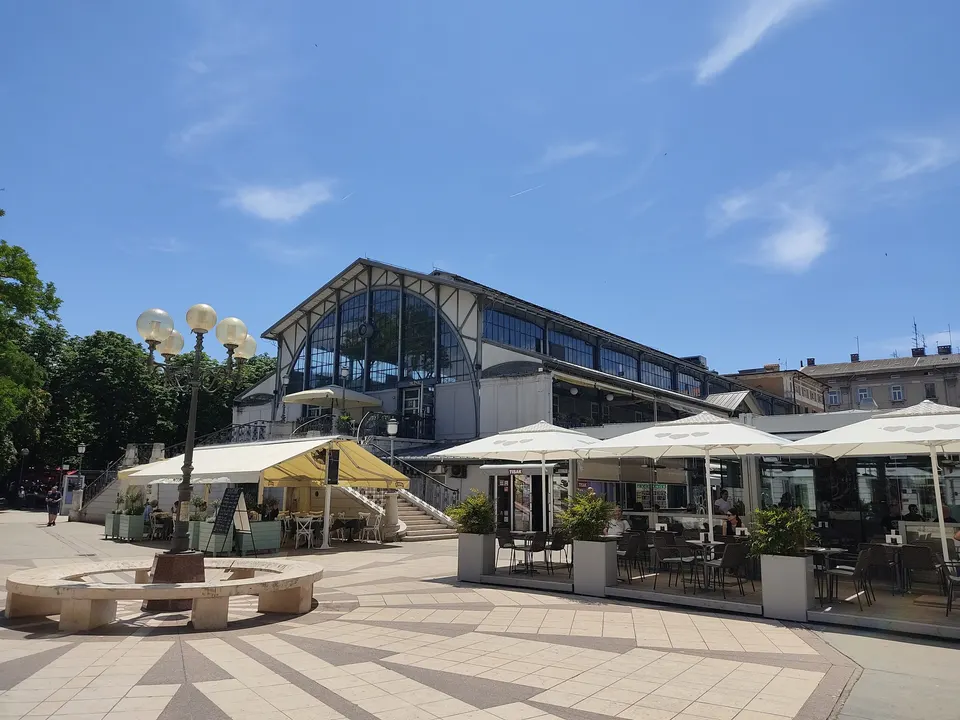
Supermarkets in towns open early. On Sundays and public holidays, many shops have shorter hours or are closed, so do your shopping the day before. Morning markets, such as the one in and around Pula's market hall, are the best places for fruit, vegetables, cheese, olive oil and honey; go early for the best choice. Outside the summer season, some restaurants, konobas and shops in resort towns close or open only at weekends, so check before you set off. See Istria month by month for what to expect in each season.
Good to know
- Borders. Croatia has been part of the Schengen area since 2023. There are no routine checks at the Slovenian border, but carry your passport or ID card.
- Registration. All accommodation, from hotels to private rooms, registers guests with the authorities, so you will be asked for your ID on arrival. A tourist tax is charged per night and is usually included or added to your bill.
- Mobile data. EU roaming rules apply in Croatia. Visitors from outside the EU should check their plan.
- Plugs. Croatia uses the standard continental European two-pin plugs.
- The sea. Much of the coast is rocky. Water shoes help, and they protect against sea urchins.
- Getting around. A car makes the interior far easier to explore; see driving in Istria.
- When to come. If you can avoid the peak of summer, you will find Istria calmer and kinder; see the best time to visit Istria.
None of this is complicated, and Istrians are patient with visitors who make the effort. Slow down a little, carry some cash and a bottle of water, and say hvala. The rest takes care of itself.