A Croatian building quote is a list of items, units, quantities and unit prices. Here is how to read each column, what the small print means and what to ask before you sign.
The quote arrives as a PDF, a spreadsheet or a photo of a printed page, usually in Croatian, with a total at the bottom. Most people scroll straight to that total. It is the least useful number on the page. What you are really buying is described in the lines above it, and that is where good and bad quotes part company.
This guide explains how a typical Croatian quote (ponuda) is built and how to read it column by column. It is general advice, not legal or tax advice. If you would like a second pair of eyes straight away, Atrij's builder's quote check reads a quote in Croatian and tells you in English how it rates and which items, up to three, sit furthest above the market range for the region. The basic result is free; every item, the warnings and questions to ask are in the paid detailed check.
What a Croatian quote usually looks like
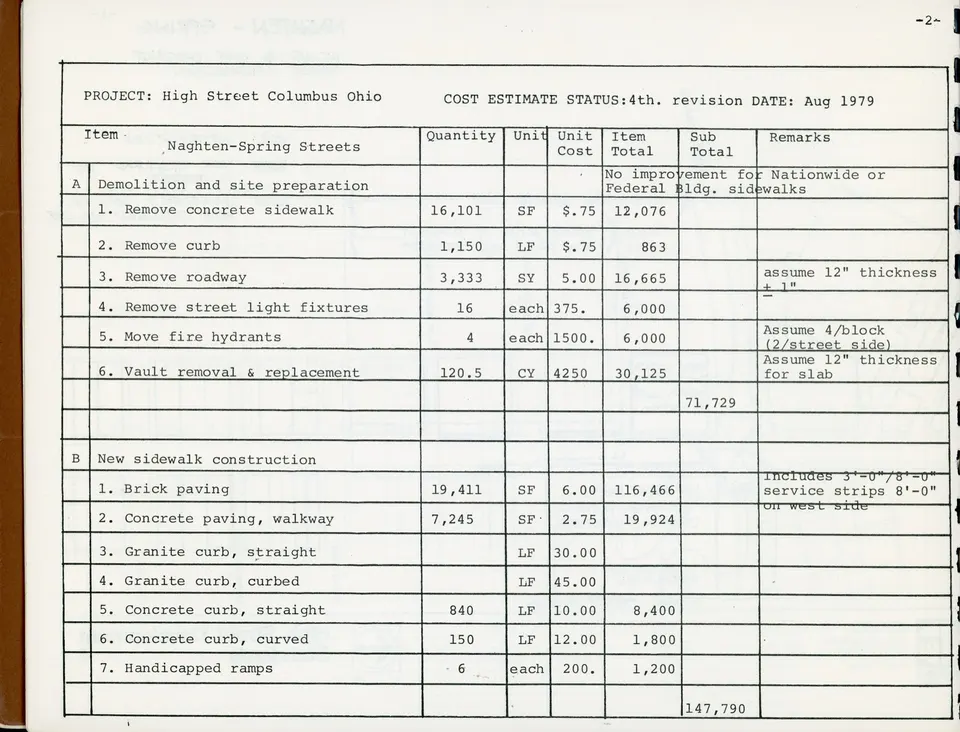
Most quotes are tables. Each row is one item of work, and the columns are nearly always the same: an item number (redni broj), a description (opis), a unit (jedinica mjere), a quantity (količina), a unit price (jedinična cijena) and an amount (iznos). Items are grouped by trade, for example preparatory works, earthworks, concrete, masonry, roofing, installations and finishes, and the groups are added up in a summary at the end (rekapitulacija).
If your architect prepared a bill of quantities and the builder priced it, the rows will match the architect's document exactly. That is the best case, and our guide to the bill of quantities (troškovnik) explains why. If the builder wrote the quote from a site visit, the descriptions are his own, and they deserve a closer read.
Start with the description, not the price
The description defines what you are paying for. A good one names the material, its thickness or class, how it is fixed and what is included. Look for the phrase dobava i ugradnja, supply and fix, which means the builder provides the material and installs it. An item that says only ugradnja is labour; the material is yours to buy. Both are fine, as long as you know which one you are looking at.
Be wary of descriptions that are short and vague: “tiling, bathroom”, “electrical works”, “according to agreement”. They are hard to compare with another quote and even harder to hold anyone to later.
Units and quantities
The common units are m² for areas such as plaster, tiling and painting; m³ for volumes such as excavation and concrete; m' (running metre) for skirting, pipes and gutters; kom (piece) for things like doors, windows and sockets; kg for reinforcement; and sat for hourly work. Then there is paušal, a lump sum with no quantity at all.
Check the quantities against your drawings. If the floor area of the house is known, the screed, flooring and painting quantities should make sense next to it. A lump sum is reasonable for a small, clearly defined job. For a large one it is a warning sign, because nobody can check it.
Unit prices and the total
Each amount should equal the quantity multiplied by the unit price. Check the arithmetic, including the subtotals in the summary; mistakes happen, and they rarely work in your favour by accident.
Unit prices matter more than the total suggests. Many contracts are paid by the quantities actually carried out (obračun po stvarno izvedenim količinama), so the final bill is measured quantities times the quoted unit prices. A builder who prices low on items that rarely grow and high on items that often do can look cheap on paper and turn out expensive. To get a feel for what the materials alone cost, see building material prices at the large retailers; labour, transport and the builder's overheads come on top.
VAT, validity and payment terms
Check whether prices are shown without VAT (bez PDV-a) or with it (s PDV-om). How VAT applies depends on the builder's status and the kind of work, so ask your accountant rather than assuming. Look for how long the quote is valid (rok valjanosti ponude), any stated timeline, and the payment terms. An advance tied to nothing in particular deserves a question; our guide to deposits and payment schedules explains why.
Read what is not on the quote
Look for a line or a note saying what is excluded (nije uključeno). Often there is none, and the gaps only show when you compare quotes side by side. Scaffolding, waste removal, site setup, making good after the electrician and final cleaning are the usual absentees. We list them in detail in what builders often leave out of a quote.
The total is the least useful number on a quote. What you are buying is described in the lines above it.
Questions to ask before you sign
- Supply and fix, or labour only? Ask item by item if the descriptions do not say.
- Which drawings? Ask which plans and which revision the quantities were measured from.
- Fixed or measured? Is the price fixed for the described work, or will you pay for the quantities actually done?
- Changes. If quantities change, do the quoted unit prices still apply? How is new work priced?
- Exclusions. Are scaffolding, waste removal, site protection and cleaning included?
- VAT. Are prices with or without VAT?
- Materials of your choice. Where tiles, sanitaryware or flooring are “to the owner's choice”, what is the allowance per unit?
- Payments. Are payments linked to finished stages of work rather than to dates?
Getting a second opinion
The best second opinion is your architect or a supervising engineer who knows the project. For an independent first read, upload the quote to the builder's quote check: a PDF, a photo or an Excel file, in Croatian if that is how you received it. Tell it where the property is, since prices differ between counties, and you get a basic result free: a rating and up to three items furthest above the market range. Every item, the warnings and questions to ask come with a more detailed check, a paid option. It does not replace a professional who has seen the site, but it helps you go into that conversation with the right questions.
One more line worth finding: fitted furniture. If a kitchen or built-in wardrobes appear as a single lump sum, price them separately. Our partner atelier makes furniture to measure in plywood, not particleboard, and shows it to you as a render before anything is made. For the wider picture of where money goes, see what drives the cost of building a villa.