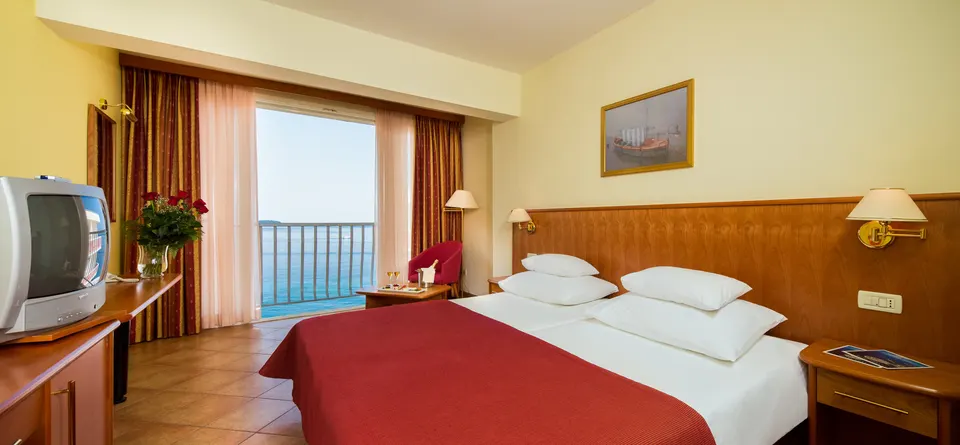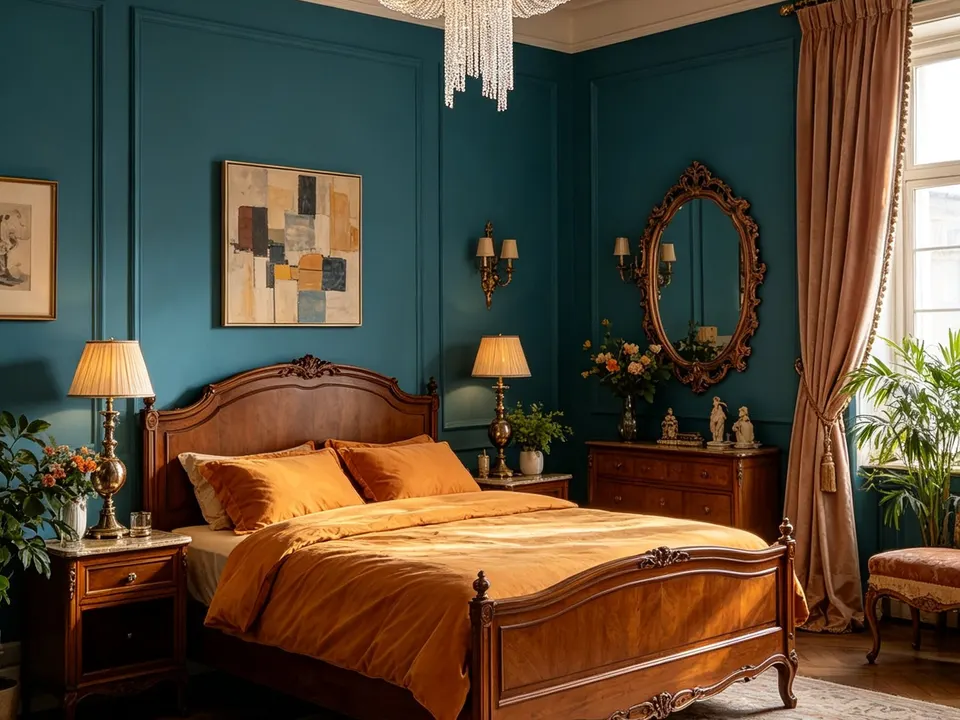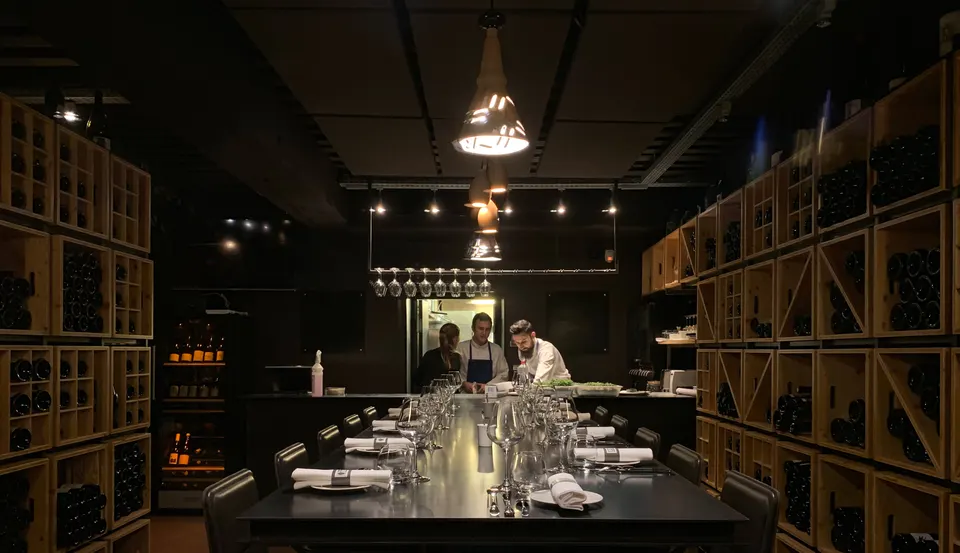
Guests forget the room number but remember the light in the bar, the weight of the door and the view from the bed. Small hotels win on details.
A boutique hotel cannot compete with a large resort on size, facilities or price. It competes on feeling. Guests choose it because it seems to belong to a place and to have been made by someone with an opinion. Interior design is one of the main ways that opinion is expressed, and in a small hotel every decision is visible.
Istria has many buildings that suit this kind of hotel: stone houses in old towns, former palaces, farmhouses inland. Whether you are converting one of them or building new, the principles of a memorable interior are the same.
What makes a boutique hotel memorable?
A clear idea. The best small hotels can be described in one sentence: a stone house with a modern Istrian kitchen, a quiet place for readers in an old town, a seaside hotel with a 1960s spirit. That sentence guides every choice afterwards, from the colour of the plaster to the shape of the bedside lamp. Without it, a hotel ends up as a collection of nice things that say nothing in particular.
The story should come from the building and the place, not from a trend. Local stone, the light of the coast, the rhythm of an old town and the colours of the landscape are all better starting points than an image from a design magazine. Our guide to the Mediterranean interior without clichés has more on how to do this without falling back on anchors and blue stripes.
Where should the budget go?
No hotel can make every space spectacular, and it should not try. Spend on the places guests see first, use most and photograph: the entrance and reception, the bar or lounge, the dining room and the bed. Elsewhere, choose well-made, quiet pieces that support the main idea without competing with it.
- The arrival. The first thirty seconds set expectations: the door, the scent, the light and where the guest is asked to stand.
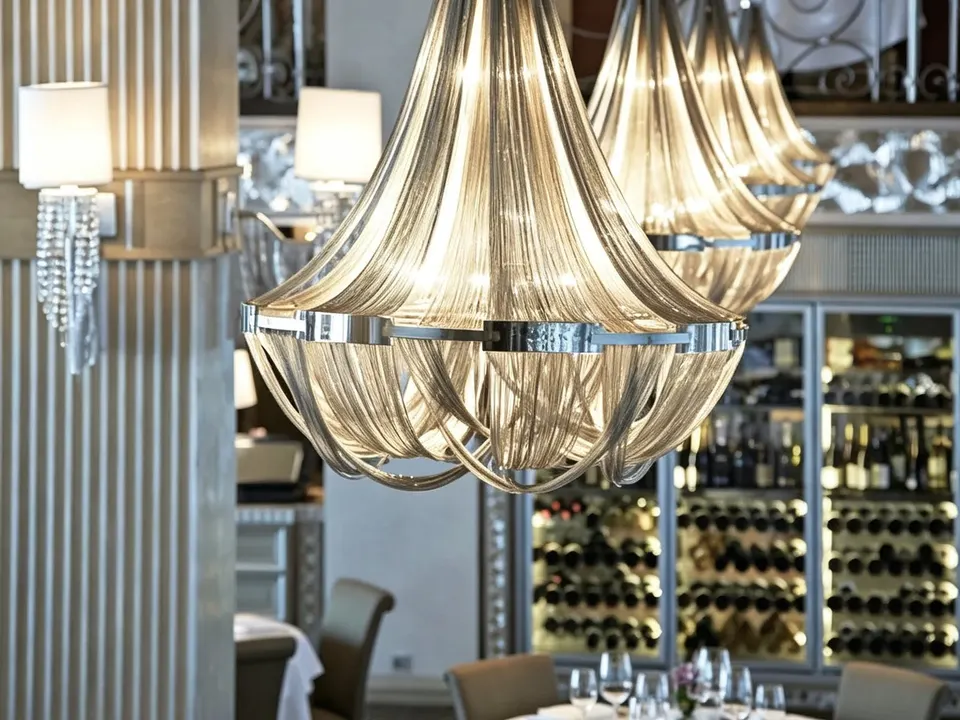
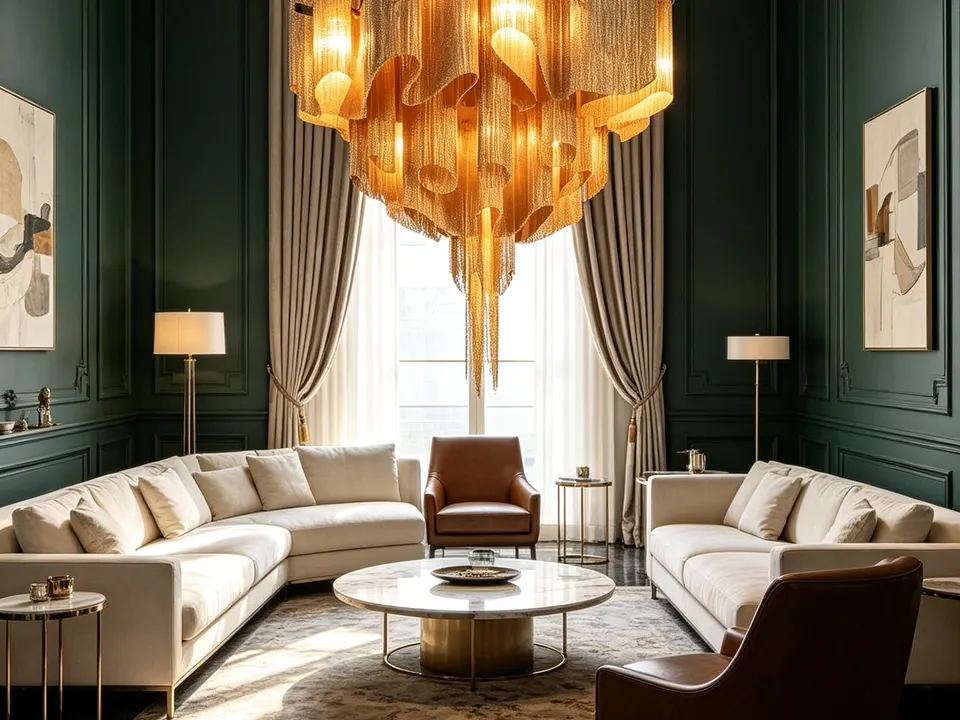
- One signature piece. A chandelier, a long bar, a large table or a staircase that becomes the image of the hotel.
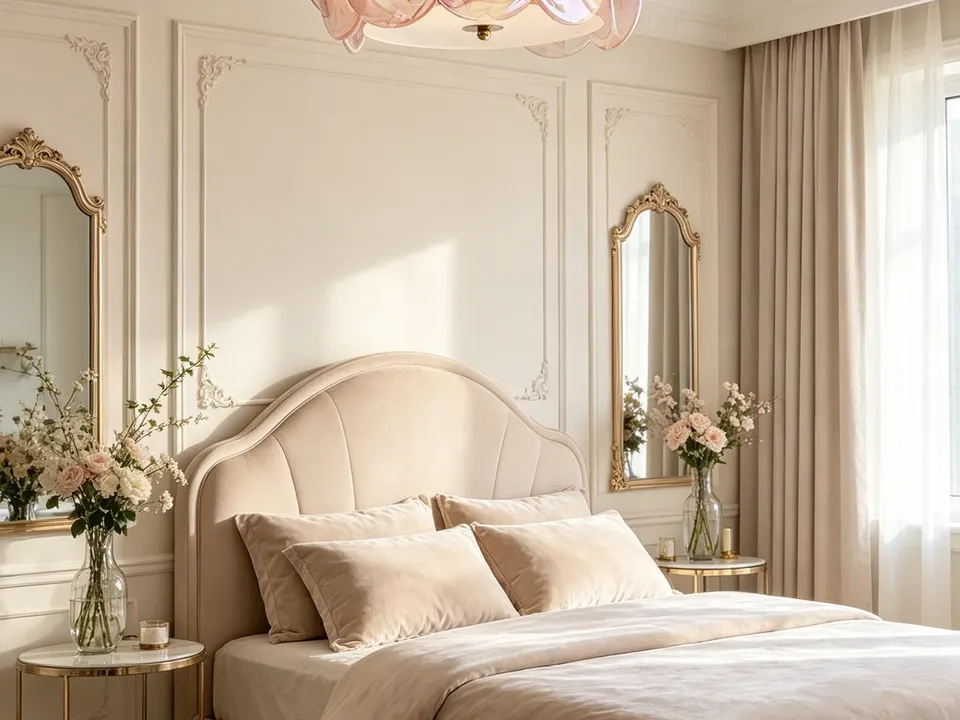
- The bed. The single most important object in the building. Mattress, linen, headboard and the lamp beside it.
- The bathroom. Good light at the mirror, enough space for two people's things and materials that look clean after years.
Why lighting matters more than almost anything else
Lighting changes a hotel more than any other single element, and it costs less to do well than most people think. A lobby lit evenly from the ceiling feels like an office. The same room lit with a statement chandelier, wall lights at eye level and lamps on tables feels like a home that happens to welcome strangers. In rooms, guests need a few simple things: a light they can switch off from the bed, a reading light that does not disturb a partner, and soft night lighting to the bathroom.
A striking light fitting is also one of the most efficient ways to give a hotel a signature. Murano glass chandeliers, for example, bring colour, craft and a connection to the Adriatic tradition. Our partner atelier, Lampisa, offers Murano glass lighting in its catalogue and can plan lighting together with furniture. For more on the material, see Murano glass lighting.
Guests do not remember the room number. They remember the light in the bar and the weight of the door.
Rooms that sleep well
A memorable room is first of all a restful one. Blackout that really works, quiet air conditioning, a comfortable chair by the window, a desk that is also a dressing table, and enough hanging space for a week's stay. Small hotels often have irregular rooms in old buildings, which is a gift if the furniture is made to fit: a bench in a deep window reveal, a wardrobe built under a sloping ceiling, a headboard that frames an uneven wall. Our article on hotel-level sleep goes into the details.
Durability: the hidden part of hotel design
A hotel room is used by hundreds of different people a year. Suitcases hit wardrobe doors, chairs are dragged, drawers are pulled out to their stops. Furniture that looks perfect at the opening and tired after two seasons is a hidden cost: it means repairs, replacements and, worse, reviews that mention wear.
This is why the material under the finish matters. Lampisa builds in plywood rather than particleboard, so hinges and screws hold after years of use, panels resist humidity better and damaged parts can be repaired or replaced instead of throwing away the whole piece. For an owner, that is the difference between a renovation every few years and furniture that ages well. Our piece on furnishing for nightly rate and reviews looks at this from the investor's side.
Seeing the hotel before it is built
In a hotel, mistakes repeat themselves room after room. That is why it pays to see the result before production starts. Lampisa's moodboard to render process works well here: the hotel brings its idea and references, the atelier produces 3D renders of rooms and public spaces with the furniture in place, and only after approval does production and installation begin. Changes on a render cost nothing compared with changes in twenty finished rooms.
Checklist for a boutique hotel interior
- Write the hotel's idea in one sentence, and test every choice against it.
- Invest in arrival, one signature piece, the bed and the bathroom.
- Plan lighting in layers, with at least one fitting guests will photograph.
- Use furniture made to fit irregular rooms rather than forcing standard pieces in.
- Ask what every piece is built from, and whether parts can be replaced.
- Approve renders of a sample room before ordering for the whole hotel.
A boutique hotel is a promise that someone cared about every detail. The interior is where guests check whether that promise was kept.