Istria's villas are well built. Too often, what is inside them is not. Guests notice, and they no longer accept sleeping worse than they do at home.
Drive through the hills above Poreč or the villages around Svetvinčenat in summer and you will pass pool after pool. Istria now has thousands of holiday villas, an estimated seven thousand of them. Most of them are well built: thick walls, good windows, stone, terraces, views. The architecture has caught up with the best of the Mediterranean.
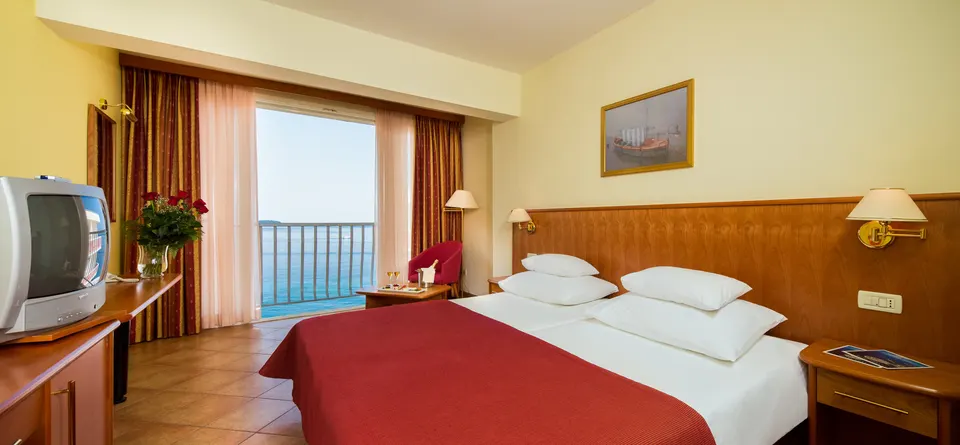
Step inside, though, and the picture is often different. A bed that creaks when you turn over. A wardrobe door that has dropped on its hinge. A bathroom cabinet with swollen edges. A sofa chosen because it was available in May. The house is premium. The furniture is a compromise.
The guest has changed
Twenty years ago, a holiday house was allowed to be a little worse than home. That was part of the deal: you came for the sea and the sun, not for the mattress. That deal has quietly ended. The families who rent a villa in Istria for a week often live in well-furnished homes in Munich, Vienna, Milan or Ljubljana. They sleep on good beds, use solid kitchens and expect drawers to close softly. They will not pay a premium nightly rate to sleep worse than they do at home.
The same goes for the bathroom. A guest who has a walk-in shower and a well-lit mirror at home notices immediately when a villa has neither. They may not complain. They simply do not come back, and they say so, politely, in the review.
Nobody remembers the pool tiles. Everybody remembers the bed.
What premium actually means
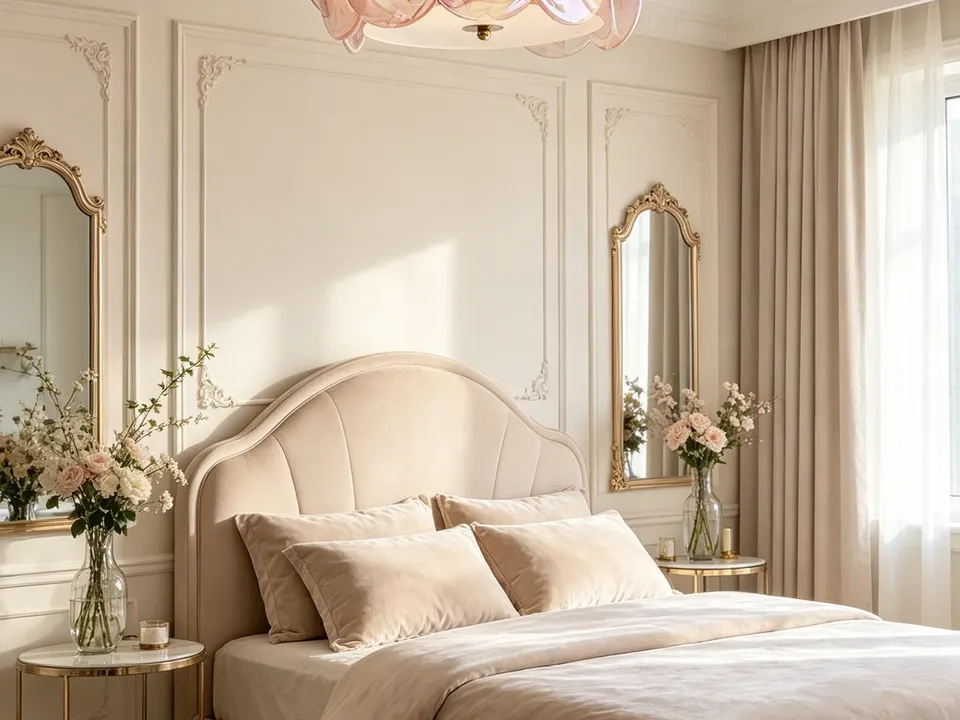
Premium is often confused with expensive-looking. Gold taps, mirrored furniture, a chandelier in every room. Guests who travel well are not impressed by any of it. What they notice is quieter, and it is mostly about how things behave rather than how they look.
- Materials. Wood that feels like wood, linen that feels like linen, stone that is stone.
- Solidity. A bed that does not move, a table that does not wobble, a wardrobe that stays square.
- Silence. No creaking frames, no rattling doors, no drawers that bang shut at midnight.
- Consistency. The fifth bedroom is as good as the first. The children's room is not where the leftovers go.
- Details. Somewhere to put a suitcase, a reading light on both sides of the bed, hooks where wet towels actually end up.
Bedrooms: start with the bed
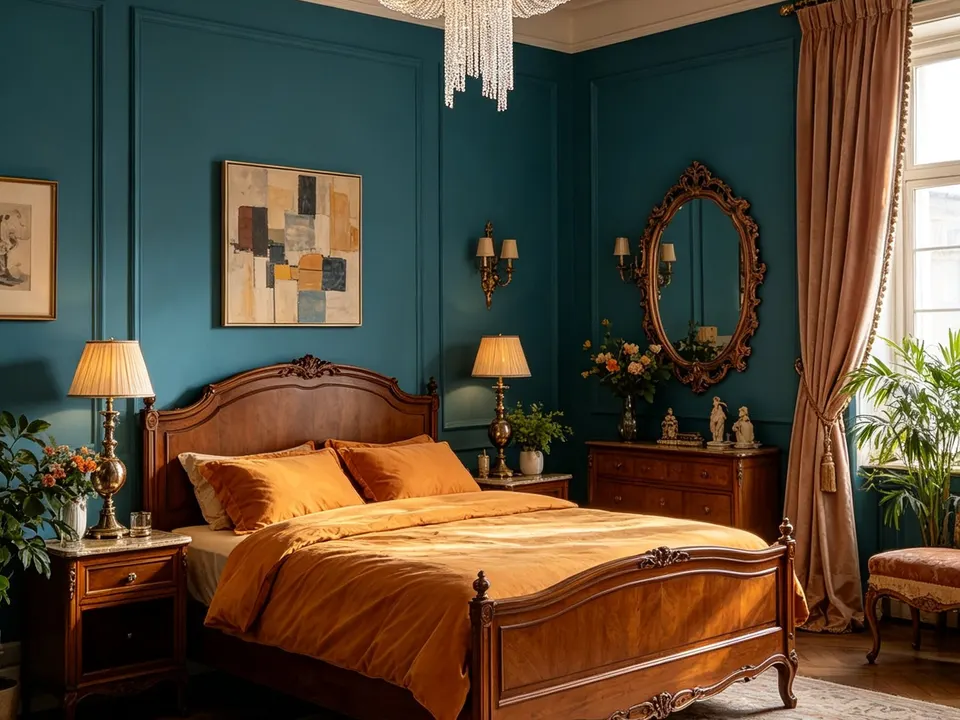
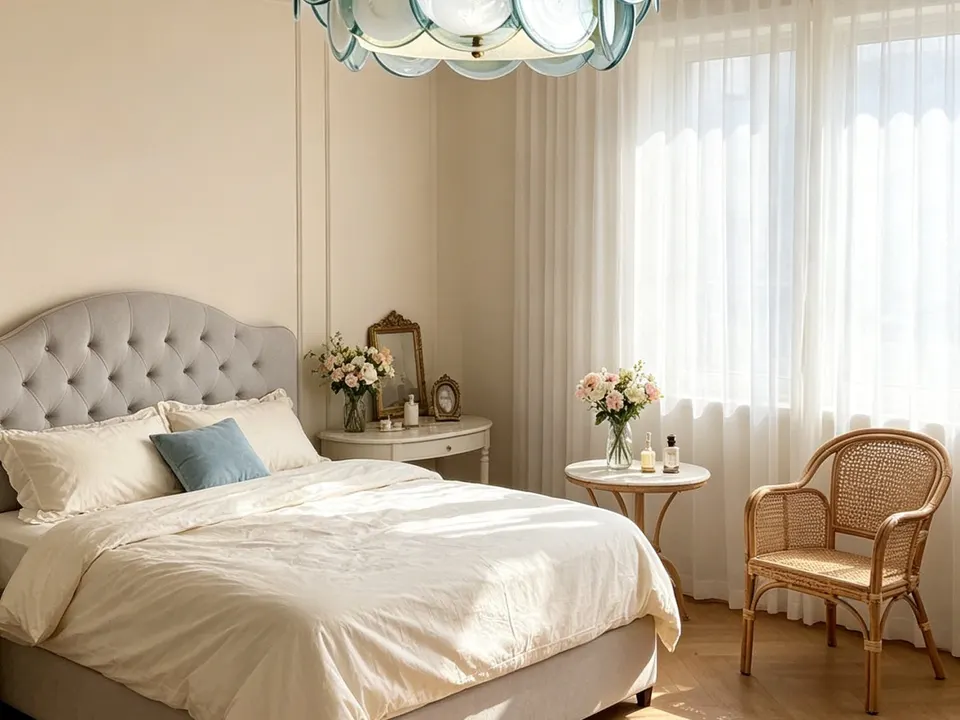
The bed is the one piece of furniture every guest tests for eight hours. A solid frame that stays silent, a headboard you can lean against to read, and enough space on both sides to get in and out without climbing over a partner. In shared villas, consider beds that can be configured as a double or two singles, built well enough to be separated and rejoined every week without loosening.
That last point is where the material matters. Furniture that is assembled, moved and reassembled needs a board that keeps holding its screws. Lampisa builds on plywood, not particleboard, precisely because cross-layered wood keeps its grip and its shape through years of guests and humid summers. Our explainer on plywood or particleboard goes into the detail.
Storage and light
Guests unpack more than owners expect, especially for a week or longer. A bedroom needs a proper wardrobe with full-length hanging space, a few drawers, and somewhere for an open suitcase that is not the floor. Built-in storage, made to fit the room, gives more of all three than any freestanding piece and keeps the space calm.
Light is the other half of comfort. A single ceiling fitting is not enough. Guests want a soft light to come home to, a reading light by each bed, a good light at the mirror and a low light to find the bathroom at night without waking anyone.
Bathrooms: where cheap furniture fails first
If one room exposes a weak board, it is the bathroom. Steam, splashes and wet towels find every unsealed edge. Particleboard that takes on water swells and does not recover; within a season or two the vanity looks tired. Plywood, made with the right glue and with protected edges, copes far better with moisture. For more, see bathroom furniture for premium villas.
Reviews and repeat bookings
There is no need for statistics to see the logic. Reviews are written about the experience of the stay, and the experience of the stay happens largely in bedrooms and bathrooms. A guest who slept well and found everything working writes a different review from one who spent the week propping up a wardrobe door. Good reviews bring bookings; guests who felt at home are the ones who rebook the same week next year and recommend the house to friends.
Furniture that lasts also changes the economics for the owner. Fewer replacements between seasons, fewer emergency repairs in July, and a house that looks the same in its tenth year as in its first. Lampisa keeps replacement parts available, so a damaged piece can be repaired rather than replaced.
Not only for the rich
Raising the standard does not mean doubling the budget. It means spending where guests actually live: beds, wardrobes, bathroom furniture, the dining table. Made to measure in plywood, built locally and sold directly, without a showroom margin, this costs less than most owners assume. The rest of the house can follow over time.
Istria's villas already have the walls, the views and the light. The next step is simply to make the inside as good as the outside.