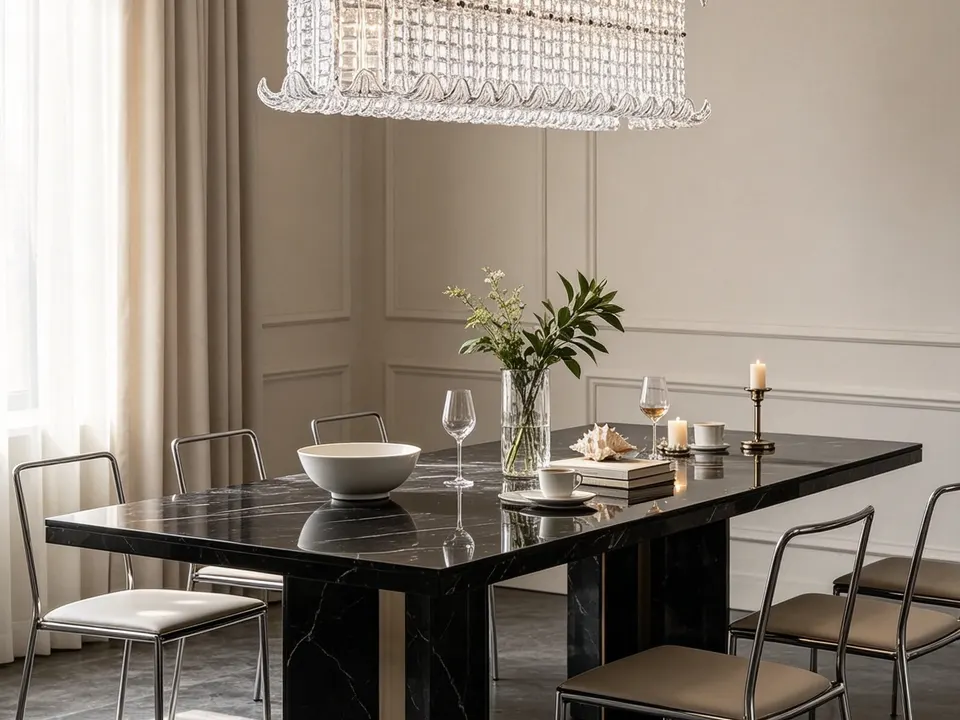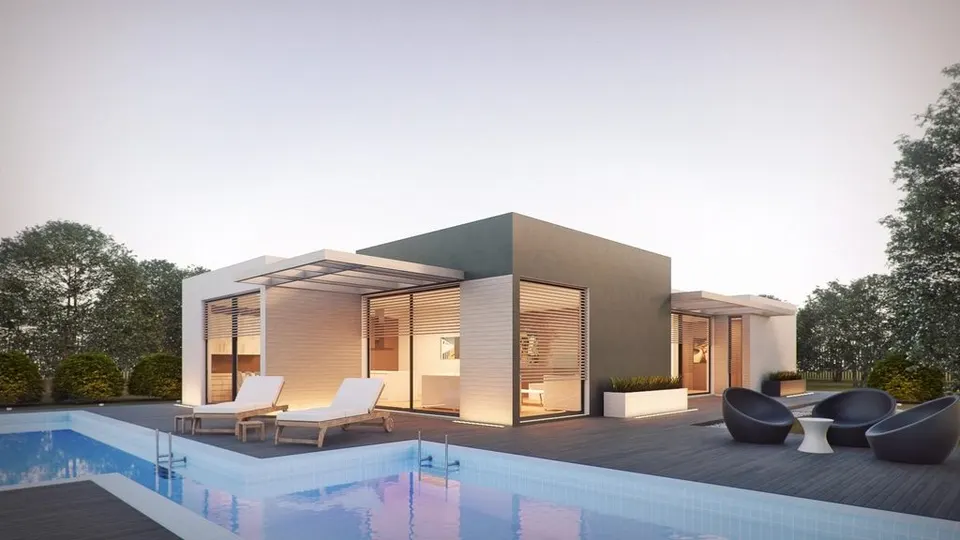
Furniture is the line in the budget investors cut first. It is also what guests photograph, sit on, sleep in and write about.
When a villa or apartment project runs over budget, the furniture is usually where the savings are found. It comes last, after the structure, the pool and the landscaping, and by then everyone is tired of spending. It feels like the one line that can be filled cheaply without anybody noticing.
Guests notice. Istria has thousands of villas, and an estimated seven thousand of them compete for broadly the same visitors each summer. Many are well built. What separates them, in the listing and in the reviews, is increasingly what is inside. This article does not offer statistics we cannot stand behind. It sets out the logic, which any investor can check against their own numbers.
The listing photo is the first sale
Every booking platform sells a property through photographs before a guest reads a word. The first image in the search results decides whether someone clicks at all. Pool and view shots get attention, but interiors are what make a guest believe the price: a living room that looks considered, a bedroom that looks restful, a dining table that looks like somewhere to spend an evening.
Generic furniture photographs generically. If your living room looks like the one in the listing next door, the guest's comparison falls back on price, and price is a race nobody wins. A distinctive, well-made interior gives the photographer something to work with and gives you a reason to charge more than the property next door.
Reviews are written about comfort
The major platforms make this plain. Booking.com shows separate review scores for categories such as comfort, cleanliness and facilities, alongside location and value for money. Airbnb shows category ratings for cleanliness, accuracy and value, among others. Several of these are, in effect, scores for the furniture: whether the beds were comfortable, whether the place looked as good as its photos, whether it felt clean, and whether it was worth the money.
Read the written reviews of any villa and the same subjects come up again and again: the beds, the pillows, the shower, the sofa, a chair that wobbled, a wardrobe door that came off its hinge. Guests no longer want to stay somewhere worse than their own home. When the furniture is good, it rarely gets a sentence. When it is poor, it gets a paragraph, and that paragraph stays on the listing for years.
Good furniture rarely gets a sentence in a review. Bad furniture gets a paragraph that stays on the listing for years.
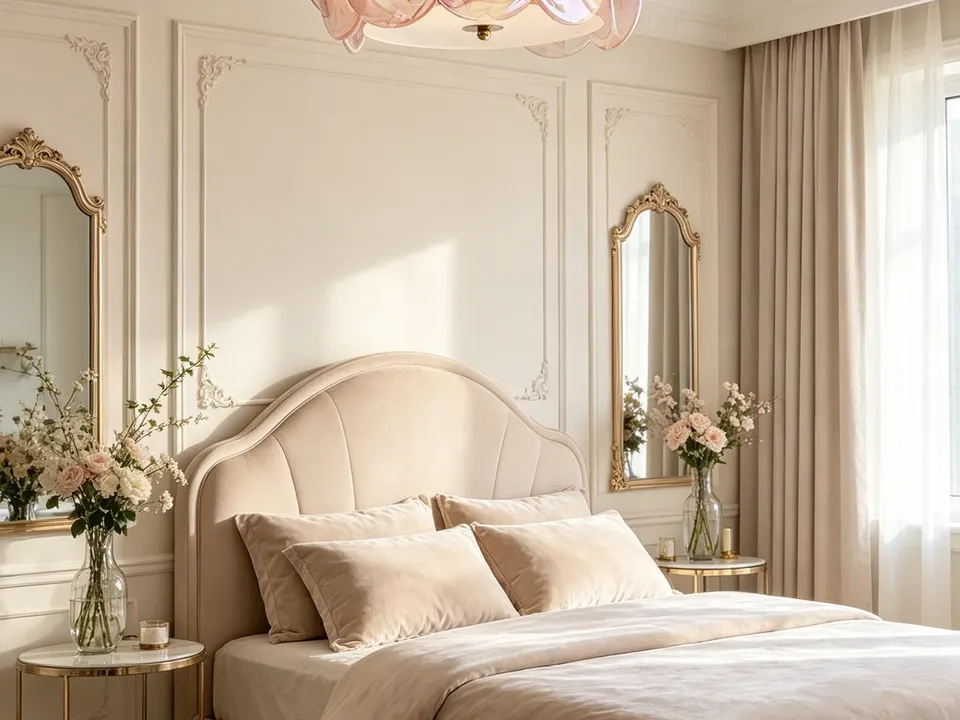
The real cost is replacement
The purchase price of furniture is the smallest part of what it costs over its life. A rental villa is used far harder than a family home: more people, more moving of chairs, more suitcases against wardrobe doors, more wiping of surfaces with strong cleaning products. Furniture that would last a decade in a private house can be tired after a few seasons of rental use.
When it fails, the cost is not just the new piece. It is the time to find a replacement, the delivery, the installation, the old piece to dispose of, and sometimes a booking that has to be moved or refunded because a room is not ready. Failures tend to happen in the middle of the season, when the house is busiest and tradespeople are hardest to find.
A depreciating asset, or a durable one
Investors are used to thinking of furniture as a consumable: buy it, depreciate it, replace it. That is accurate for most mass-market furniture, much of which is made from particleboard. Once particleboard takes in water, at a basin, under a plant pot or on a terrace, it swells and does not recover, and its fixings loosen every time it is moved or reassembled.
Our partner atelier, Lampisa, does not use particleboard. It builds with plywood, layers of veneer glued with the grain crossing, which keeps its shape, holds screws firmly after repeated assembly and tolerates moisture far better when the edges are sealed. The atelier also states that replacement parts remain available, so furniture can be repaired rather than replaced. For an investor, that changes the calculation: a piece that can be repaired and refinished is closer to a durable asset than a consumable. The material difference is covered in detail in plywood or particleboard.
Think in total cost over several seasons
The useful comparison is not the price of one table against another. It is the total cost of furnishing a property over several seasons, including replacements, downtime, the effect on reviews and the effect on the rate you can charge. Investors can run this calculation for themselves with a few simple questions:
- Replacement. How often did the cheapest pieces need replacing in your last property, and what did each replacement really cost, including time?
- Downtime. Did any room ever stand empty, or any booking need moving, because of a broken piece?
- Reviews. How many negative review comments in the last two seasons mention furniture, beds or bathrooms?
- Rate. What do comparable properties with stronger interiors charge per night in the same area and week?
Consistency across units
For developers with several villas or a block of apartments, consistency is its own advantage. When every unit uses the same furniture, built to the same drawings, housekeeping knows every room, spare parts fit every unit, and a damaged door in one apartment can be replaced with a matching one. Photography and marketing work across the whole project. Made-to-measure does not have to mean every room is different; it can mean every room is right for its plan and they all belong to one family.
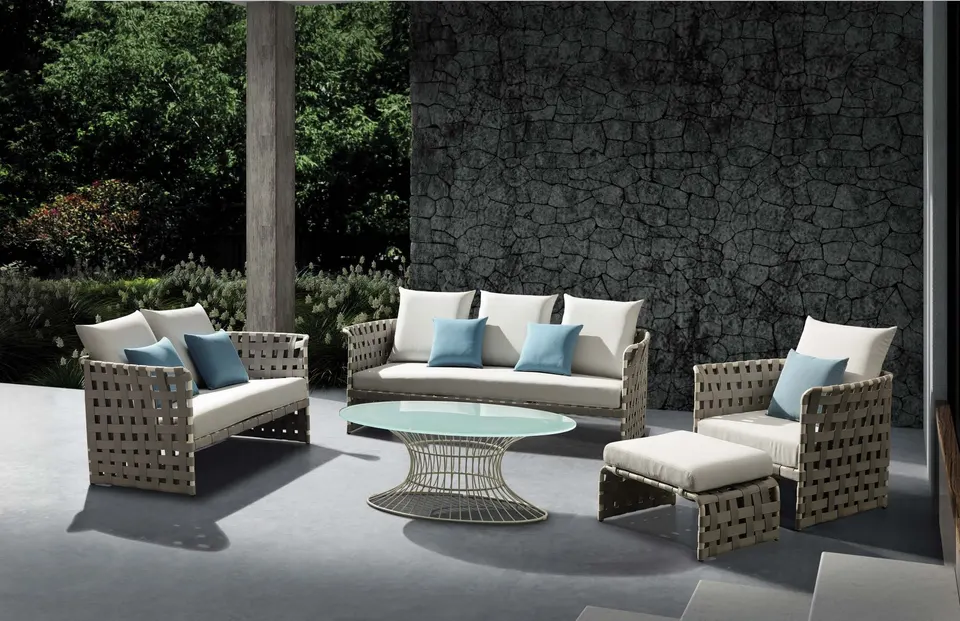
Furnishing packages for units for sale
Developers selling apartments or villas to buyers abroad face a further question. Many buyers want to rent the property from the first summer and do not want to spend months furnishing it from another country. A furnishing package, designed for the plan and approved before completion, lets them buy a property that is ready to rent. Through the atelier's moodboard to render service, a buyer can see the furnished rooms in 3D, approve them, and arrive to a finished interior.
None of this requires luxury budgets. Because the atelier builds locally and sells directly, without a showroom margin, the price is mostly materials and craft. The question for an investor is not whether good furniture costs more on day one. It usually does. The question is what it costs by the fifth season.