Suitcases, wet swimwear, room service trays and daily cleaning. What makes hotel room furniture last, and how to plan it so repairs are quick and cheap.
A hotel room is furnished once and used by a new guest almost every night. Over its life a single bed, desk and wardrobe will meet thousands of people, each with their own habits: suitcases thrown onto the bench, wet swimwear on the chair, children jumping on the bed, a tray of coffee balanced on the edge of the desk. Then housekeeping arrives every morning with cleaning products and a vacuum cleaner.
Furniture that is fine at home fails quickly under this rhythm. On the Croatian coast, where hotels run at full capacity for a short, intense season, there is little time to fix things in July. Durable hotel furniture is not about being indestructible. It is about choosing construction that lasts, finishes that clean easily and a design that can be repaired in hours instead of weeks.
Where hotel furniture wears first
- Edges and corners. Desks, bedside tables and wardrobe doors are hit by suitcases and vacuum cleaners. Chipped edges let moisture in.
- Joints and hinges. Wardrobe doors and drawers are opened by guests who do not know them. Hinges loosen, runners bend, screws pull out.
- Luggage benches. Hard cases are dropped onto them many times a week.
- Headboards. Guests lean against them to read; upholstery stains and wears at head height.
- Chairs. Tipped back, dragged and used as a step to reach the top shelf.
- Bathroom furniture. Constant humidity and splashes, the hardest test of all.
Construction: the carcass matters more than the surface
Most mass-produced furniture is made from particleboard covered with a decorative layer. It is cheap and looks fine in a showroom. In a hotel its weaknesses appear in the first season: screws lose their grip once a hinge has been refitted, and when water reaches an exposed edge, particleboard swells and does not recover. A bathroom vanity or a bedside table near a balcony door can be ruined in a single summer.
Our partner atelier, Lampisa, does not use particleboard. It builds with plywood: thin layers of veneer glued with the grain crossing from one layer to the next. The result is strong for its weight and stable in shape, and it holds screws and fittings firmly even after repeated assembly. With properly sealed edges it copes with moisture far better. Plywood can also be repaired and refinished, which is exactly what a hotel needs after a few seasons. The detailed comparison is in plywood or particleboard.
Design for repair, not only for looks
The most useful question to ask a supplier is not how long a piece will last, but what happens when part of it breaks. A hotel with eighty identical rooms cannot replace a whole wardrobe because one door was damaged, and odd replacements slowly make rooms look tired and mismatched. Lampisa states that spare parts remain available, so a door, drawer front, tabletop or headboard panel can be replaced on its own and the room keeps its consistent look.
- Replaceable panels. Fronts and tops that can be swapped without removing the whole unit.
- Removable upholstery. Headboard and bench covers that can be taken off, cleaned or renewed.
- Standard hardware. Hinges, runners and handles that can be sourced again in years to come.
- Protected edges. Sealed or reinforced where suitcases and cleaning trolleys hit.
- A small stock of spares. Keep a few doors, fronts and covers on site for the season.
In a hotel, the cheapest piece of furniture is the one that can be fixed by the maintenance team before the next guest arrives.
Room by room, piece by piece
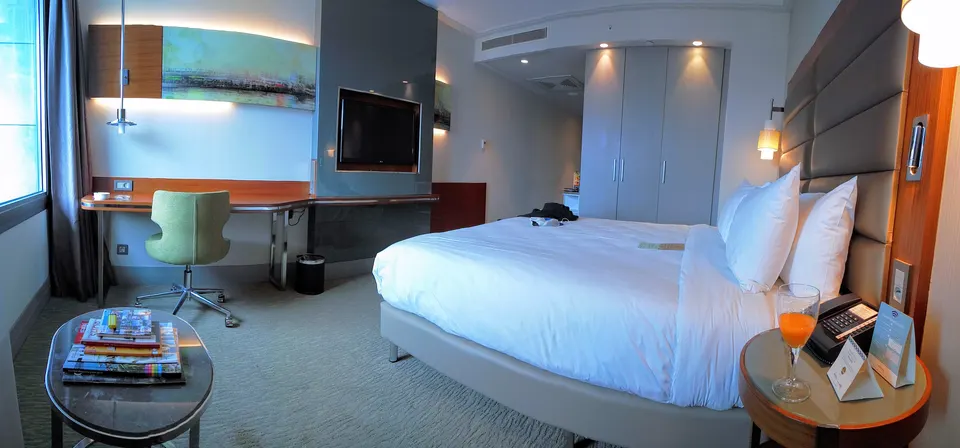
The bed deserves the biggest share of the budget, and the mattress most of all. A solid frame that does not creak, a headboard at the right height for reading and bedside surfaces large enough for a phone, a glass and a book make a room feel generous. Our article on guest bedrooms with hotel-level sleep covers the bed in more detail.
Wardrobes and storage are where many coastal hotels fall short. Guests on a week's holiday unpack fully. Built-in wardrobes made to the room use every centimetre, avoid gaps where dust gathers and are far sturdier than freestanding units. The desk is now often a dressing table, a breakfast table and a place to charge devices, so plan sockets and light around it. Luggage benches should be low, wide and finished in something that shrugs off hard cases.
Finishes that live with salt, sun and cleaning
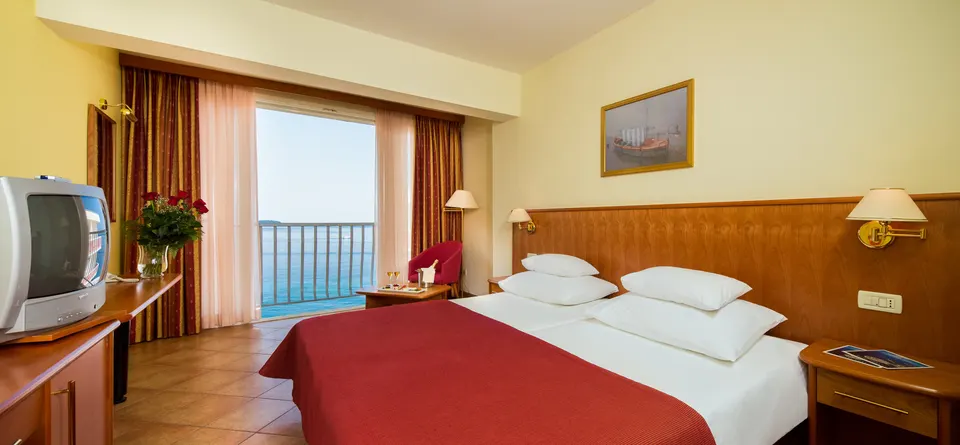
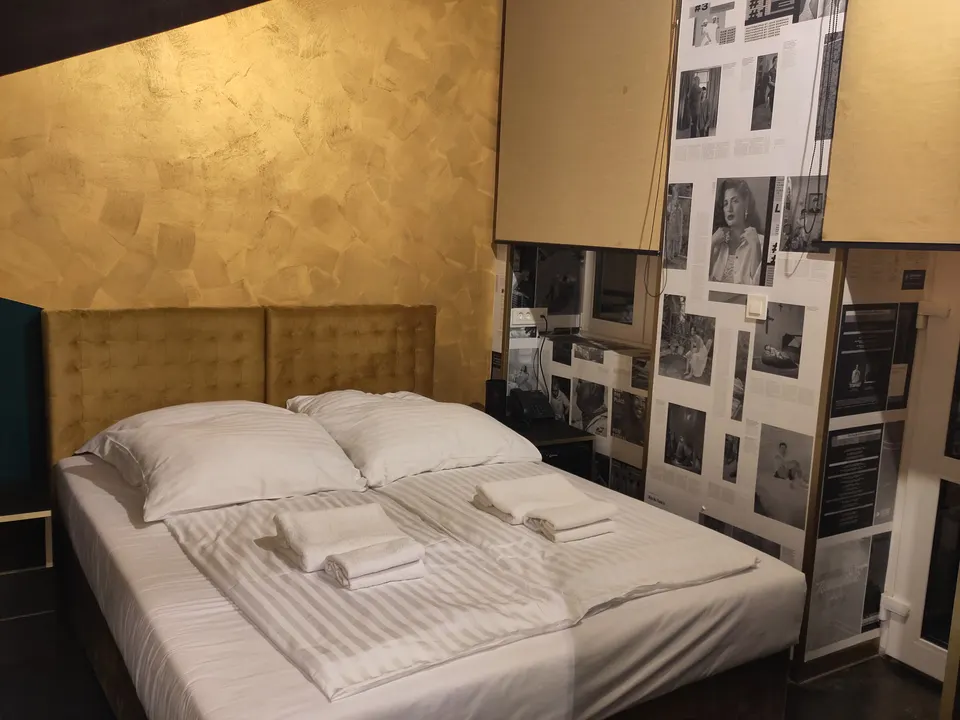
Surfaces in a seaside room face strong sunlight through the balcony door, salt air and daily wiping. Choose finishes for how they clean and how they can be renewed: lacquers and oils that can be touched up, fabrics that tolerate frequent washing, and colours that do not show every mark. Very dark, high-gloss surfaces look striking in photos and show every fingerprint by the second day.
Character without fragility
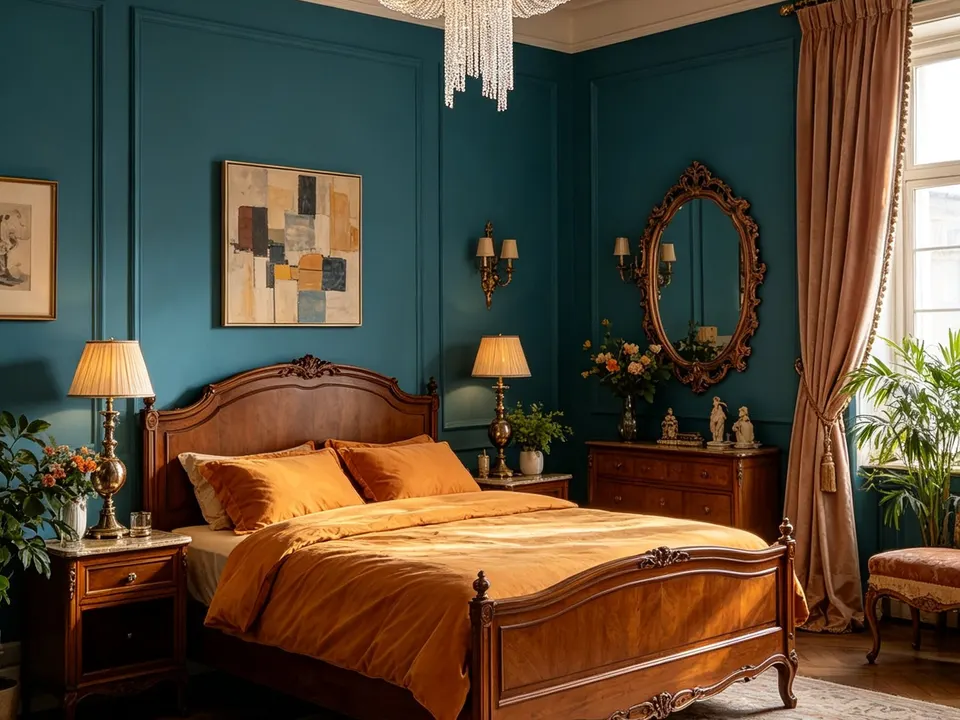
Durable does not have to mean anonymous. Guests choosing a hotel in Istria want to feel where they are. A headboard in a local textile, a bedside lamp in hand-blown glass, a palette taken from stone and sea, and one or two pieces of furniture made by hand give a room identity without making it fragile. We explore this balance in boutique hotel design.
Planning a refurbishment
- End of season. Walk every room with housekeeping and maintenance. List what broke, what wore and what guests complained about.
- Autumn. Agree a design for a typical room and approve it as a drawing or 3D render. Consider a single sample room before ordering for the whole hotel.
- Winter. Production. Lead times for a full hotel should be confirmed with the atelier well in advance.
- Before opening. Installation floor by floor, followed by a check of every door, drawer and light.
The atelier's service for hotel owners and investors covers the whole process, from moodboard and render to production, installation and spare parts in the seasons that follow.