Your guests will forget the art on the walls. They will remember how they slept. A short guide to bedrooms people do not want to leave.
Whether it is family visiting for a week or paying guests in a rental villa, the bedroom decides the stay. People forgive a small bathroom or a slow coffee machine. They do not forgive a bad night's sleep.
The bed comes first
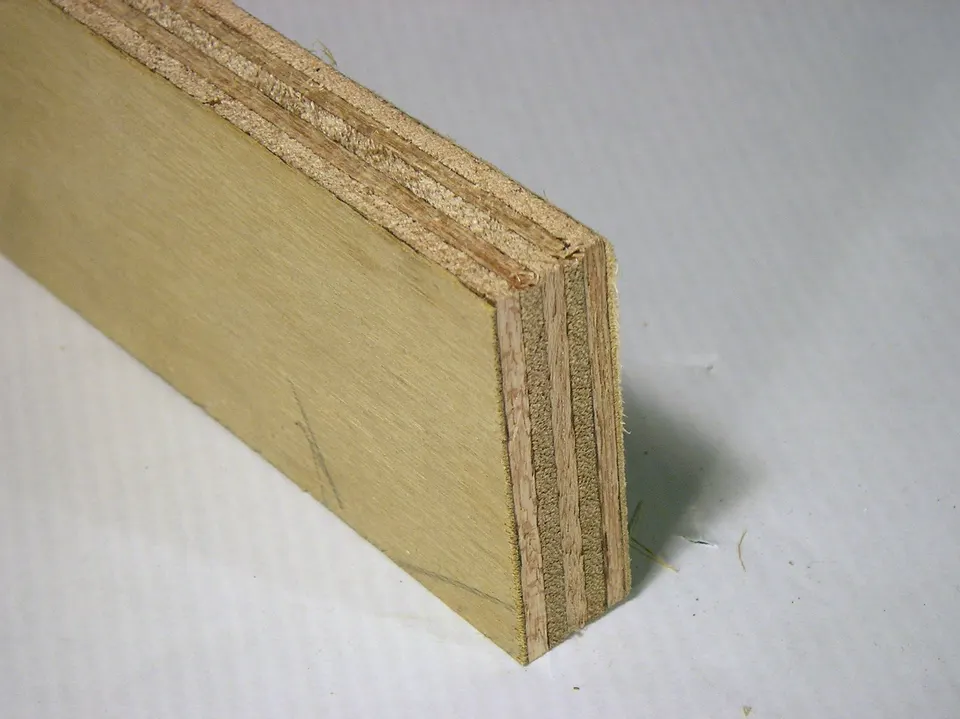
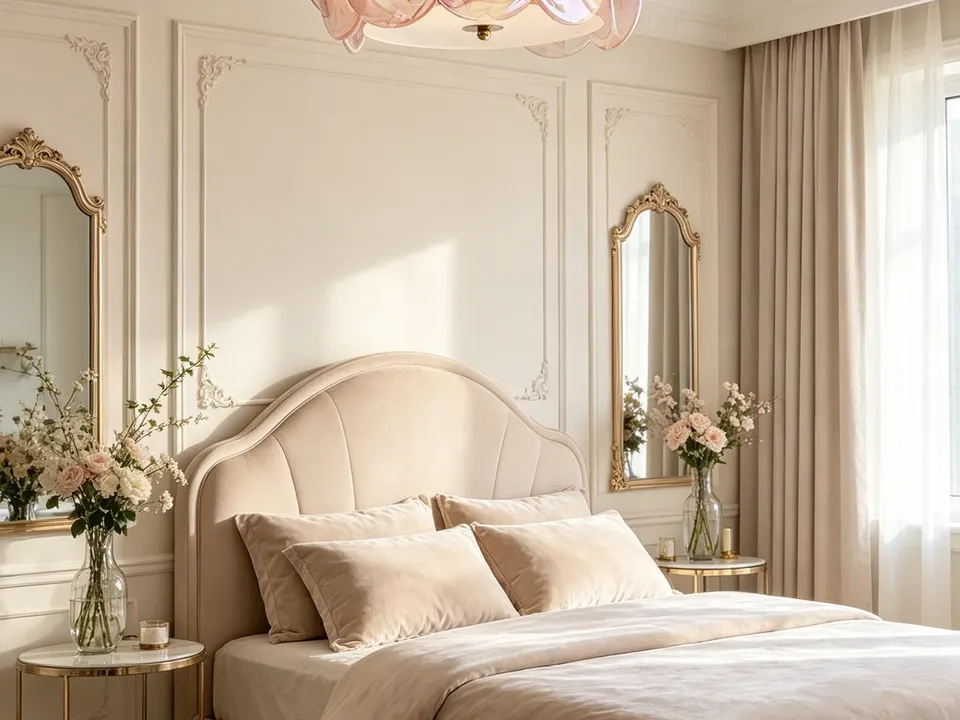
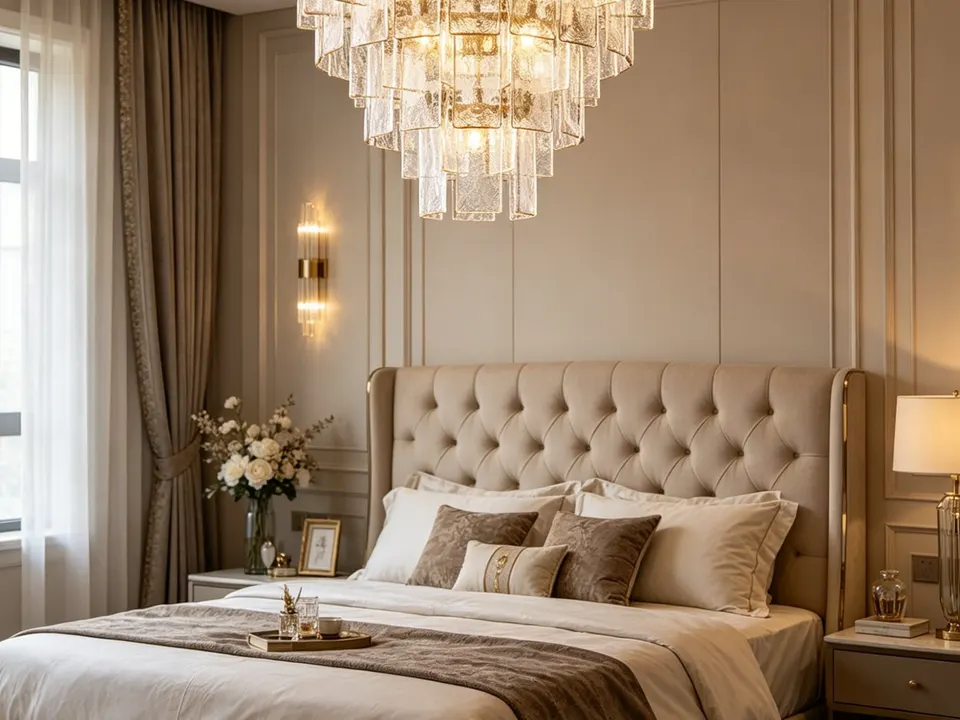
Buy the best mattress you can afford, and choose a bed frame that is solid and silent. Creaking frames and wobbly headboards are surprisingly common in holiday homes. A made-to-measure bed can be built to the exact width of an alcove, on a plywood frame that stays rigid and quiet, with a generous upholstered headboard that makes the room feel like a suite. For flexibility, consider two singles that join into a king with a shared headboard and bedding.
Darkness and quiet
Summer mornings on the coast start early. Blackout lining behind linen curtains, or interior shutters in older houses, make a real difference. Soft surfaces absorb sound in stone houses where every noise echoes: a rug, upholstered headboard and fabric curtains will all help.
Small things guests notice
Bedside tables on both sides, with a lamp and a socket each. A place to open a suitcase that is not the bed. Hooks and a few hangers in a wardrobe that is actually empty. A chair to sit on to put on shoes. A mirror with good light. None of these cost much, and every one of them shows care.
Guests forget the art on the walls. They remember how they slept.
Bedding
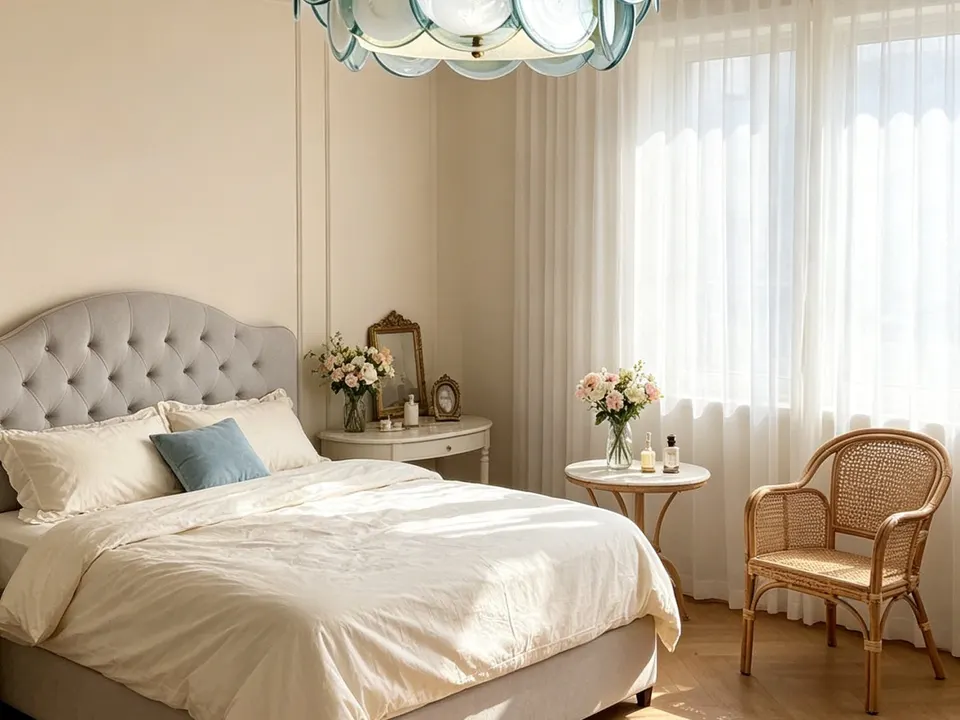
Natural fibres sleep best in Istrian summers: cotton percale or linen sheets, a light duvet, and a spare blanket for the cooler nights of spring and autumn. White bedding looks crisp and is easy to launder to a high standard; in a private house, soft natural colours add warmth.
Built-ins that make the room work
Guest rooms are often smaller than main bedrooms, which is where built-in furniture earns its place. A wardrobe that fills a wall from floor to ceiling, a bedside shelf built into the headboard, or a desk that folds into a window niche can make a small room feel calm and organised.
Temperature and air
Istrian summers are warm, and stone houses can hold heat late into the night under the roof. Good cross-ventilation, insect screens that allow windows to be opened, and quiet air conditioning or ceiling fans all help. In older houses, the coolest bedrooms are usually on the north side and on lower floors; give those to guests who will arrive in July and August, and use the warmer rooms in spring and autumn.
In winter the problem reverses. Thick stone walls and tiled floors feel cold, so rugs beside the bed, warm throws and a second, heavier duvet stored in the wardrobe make a guest room comfortable in January as well as in June.
A sense of arrival
The best guest rooms feel prepared rather than simply clean. A carafe of water and glasses on a tray, a small bowl for keys and jewellery, a reading light that actually works for reading, a few books about Istria, a note with the Wi-Fi details and the best nearby bakery. These touches cost almost nothing but tell a guest that someone thought about their stay.
Consistency across rooms
In villas with several guest bedrooms, guests compare. If one room has a beautiful upholstered bed and the others have basic frames, someone will feel they got the lesser room. A consistent design language, with the same bed style, the same quality of bedding and lighting, and variety through colour and textiles rather than quality, keeps everyone happy and makes the house feel designed as a whole.