Building Information Modelling is no longer just for airports and hospitals. On a house in Istria it can save months, money and a great deal of arguing.
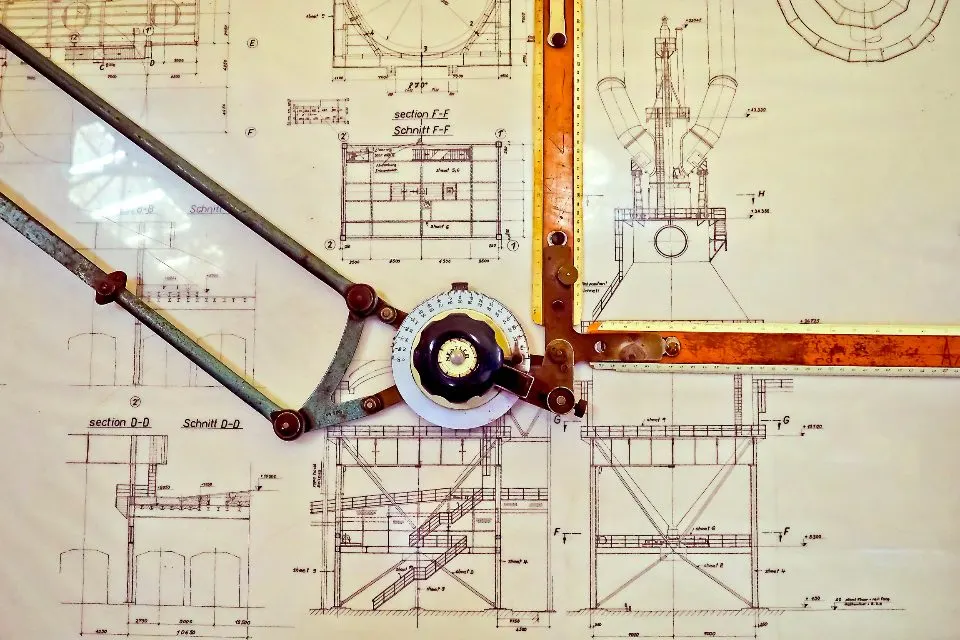
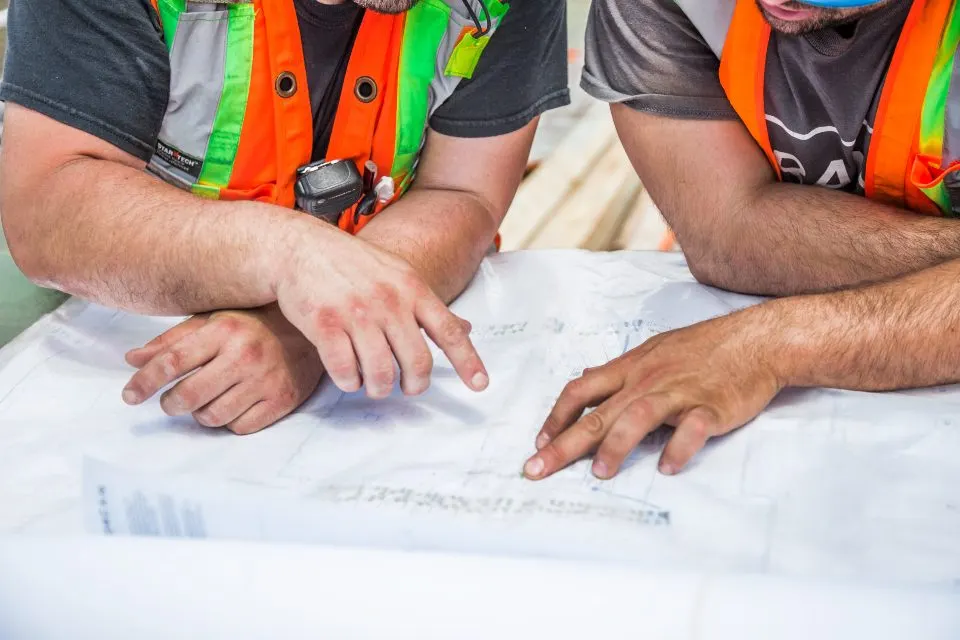
For most of the last century a building was described by a stack of drawings. The architect drew plans, sections and elevations. The structural engineer drew his own. The plumber, the electrician and the heating engineer each worked from their copy, and the place where all of those drawings finally met was the building site itself. That is where the problems appeared: a beam exactly where the ventilation duct should go, a drain that crosses a doorway, a kitchen that is three centimetres too long for its wall.
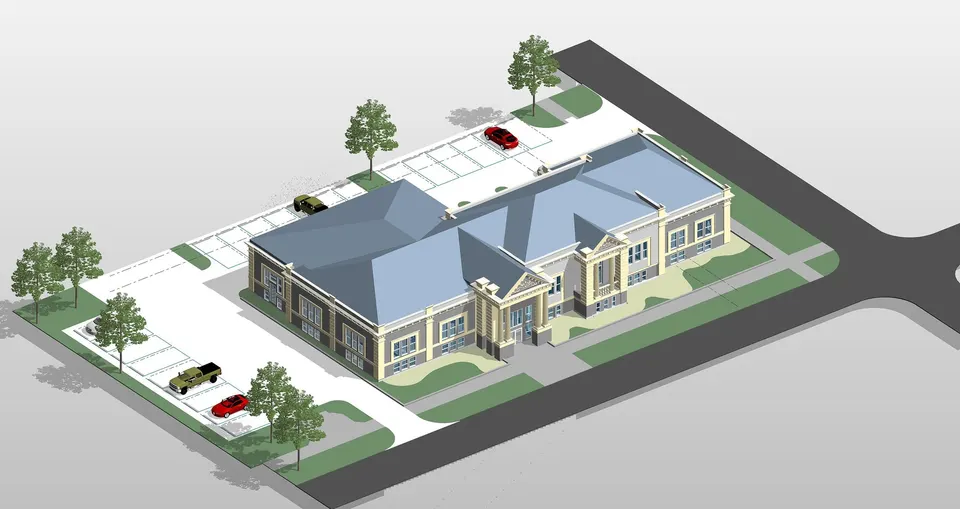
Building Information Modelling, usually shortened to BIM, changes where those problems are found. Instead of separate drawings, the project lives in one shared digital model of the building. Every wall, beam, pipe, socket, window and cabinet is an object with real dimensions and real properties. The drawings are produced from the model rather than the other way round.
What a BIM specialist actually does
A BIM specialist, sometimes called a BIM coordinator or BIM manager, is the person who keeps that model honest. They set up how the architect, engineers and installers contribute to it, combine everyone's work into one coordinated model, and run checks that find collisions between systems long before anyone pours concrete. They also make sure the information in the model is useful: quantities for the contractor, specifications for suppliers, and a clean record of what was built for the owner.
Why it matters on a single house
It is tempting to think that BIM is overkill for a villa. In practice, private houses are where its benefits are easiest to feel, because every surprise on site is paid for by one person: the owner.
Clash detection is the obvious gain. In a modern villa, underfloor heating, ventilation, pool technology, smart-home cabling and structural steel all compete for the same few centimetres. Finding a clash in the model costs a few minutes. Finding it on site costs demolition, delay and a dispute about who pays.
Cost control is the second. Because quantities come straight from the model, the bill of materials is far more reliable than an estimate taken from drawings. When you change your mind about a material, the effect on the budget can be seen immediately.
The third is decision-making. Owners who live abroad often struggle to judge a project from plans. A well-built model lets you walk through the house on a screen, look out of the windows, and understand the size of a room before it exists.
A clash found in the model costs minutes. The same clash found on site costs weeks.
Where furniture comes in
This is where BIM becomes interesting for anyone thinking about made-to-measure furniture. When the model is accurate, built-in pieces can be designed against it before the walls are plastered: the kitchen, the wardrobes, the bathroom vanities, the bench under the window. The atelier receives exact dimensions, sockets and lighting are placed where the furniture needs them, and installation becomes a matter of days rather than a series of on-site improvisations.
It also works in reverse. Furniture modelled early tells the architect where a wall should stop, how deep a niche should be and where the radiator should not go.
Does every project need a full-time BIM manager?
No. For a single house, BIM coordination is often a defined part of the architect's or engineer's service, or a specialist brought in for the design phase. What matters is that someone owns the coordinated model and that every consultant works into it. When you interview architects, ask how they coordinate structure, installations and interior design, and whether you will be able to see the model.
Questions worth asking before you start
Who is responsible for the coordinated model, and at which stages will clash checks be run? Will the contractor price from model quantities? Can the interior and furniture design be built into the same model? Will I receive the final model when the house is finished? The answers will tell you a great deal about how the project will run.