Not every gadget earns its place in a house you visit a few times a year. The smart features that protect a holiday villa, help guests and save money, and the ones to skip.
A holiday villa is a strange kind of house. For weeks it stands empty, closed and quiet. Then it is suddenly full: family, friends or guests who have never been there before and need to find the light switches in the dark. Smart home technology can make both halves of that life easier. It can also add complexity, monthly fees and things that stop working when the internet drops.
The useful question is not what is possible, but what solves a real problem in a house you are not living in most of the year. Here is how we would prioritise.
1. Protect the house while it is empty
The most valuable smart features in a second home are often the least glamorous. A burst pipe or a leaking washing machine in an empty villa can run for days before anyone notices.
- Water leak sensors under sinks, behind the washing machine and dishwasher, near the boiler and in technical rooms, ideally linked to a valve that shuts off the main water supply automatically.
- Temperature and humidity sensors that warn you if a room is getting damp or, inland in winter, close to freezing.
- Power monitoring that tells you if the electricity has gone off, so the freezer or the pool pump does not surprise you weeks later.
- Alarm and door contacts that report to your phone or a security company, with a local person who can respond.
None of this needs to be visible. Most of it can be planned into a renovation from the start, which is far neater than adding battery devices later.
2. Control the climate from a distance
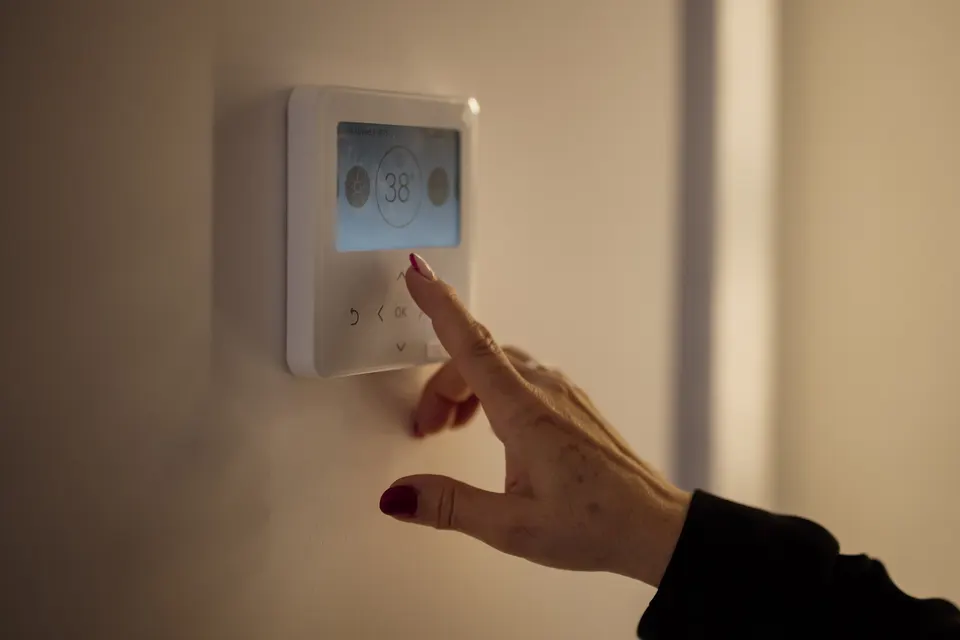
Being able to switch heating or air conditioning on before you arrive is one of the features owners appreciate most. A stone house closed all winter takes a long time to warm up; a villa that has been shut in August can be stifling. Remote control of the heat pump or air conditioning lets you bring the house to a comfortable temperature a few hours before arrival, and turn everything down after the last guest leaves.
Window contacts that pause the air conditioning when a terrace door is left open are a simple way to save energy in a rental. So are sensible limits on the thermostat range guests can set. Technology works best on top of good passive design, though: shade, shutters and night ventilation, which we cover in keeping a stone house cool.
3. Keyless entry for guests and staff
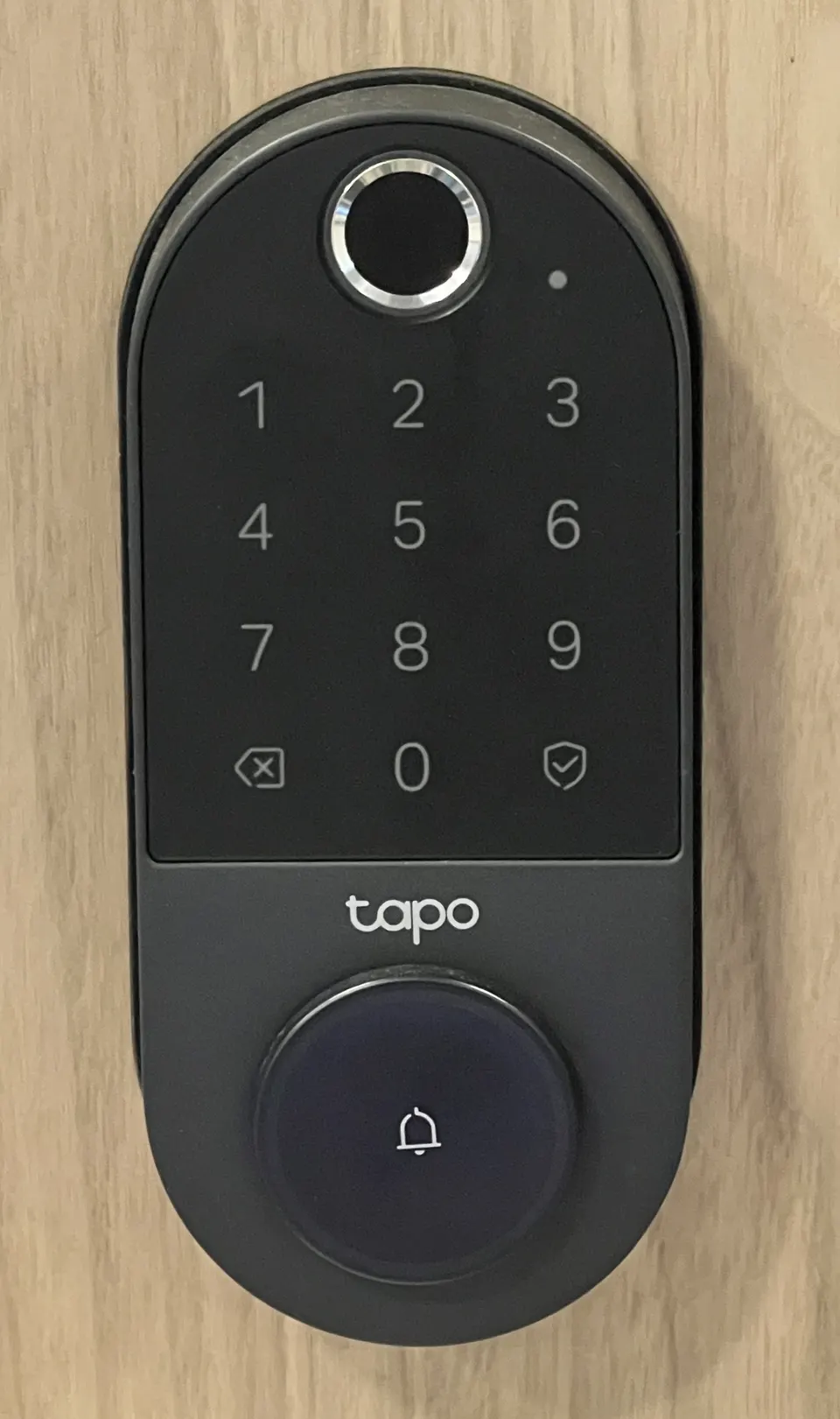
A smart lock or keypad removes one of the most fragile parts of running a rental: handing over keys. Each guest, cleaner or maintenance visit can have its own code, valid only for set dates, and you can see when the door was opened. Choose a lock that also works with a physical key or a backup method if the battery or the network fails, and fit it to a door that closes properly in all weather.
4. Lighting and shading that guests understand
Lighting scenes, such as an evening setting for the living room or a low path of light to the bathroom at night, can make a villa feel considered. Outdoor lights on a timer or sunset schedule mean guests never arrive to a dark path. Motorised external blinds and awnings are useful too, provided they have wind sensors that retract them automatically when the bora picks up.
The rule for a rental is simple: every light must still work from an ordinary switch, in the place a guest would expect it. Nobody on holiday wants to download an app to turn on the bedroom light. If you plan dimmable fittings, check with the supplier which ones are dimmable and which type of dimmer they need. This is especially worth asking for decorative pieces such as Murano glass chandeliers, so the light stays warm and even at lower levels. Our guide to lighting a villa room by room goes further.
Every light must still work from an ordinary switch, in the place a guest would expect it.
5. Wi-Fi everywhere, and a backup
For guests, reliable Wi-Fi is no longer a feature; it is assumed. Thick stone walls are excellent at blocking signal, so plan cabling and access points early, including for the terrace and pool area. For the smart systems themselves, a mobile data backup and a small uninterruptible power supply for the router keep alarms and sensors online through short outages. Keep the guest network separate from the network that runs locks, cameras and sensors.
What to be careful with
- Cameras. Never inside the house where guests stay. Outdoor cameras covering entrances need to respect privacy rules and must be clearly disclosed in your listing and house guide; ask a lawyer or your property manager what applies.
- Too many apps. Systems from five different brands mean five apps and five things to update. Choose a platform that uses open, widely supported standards, so devices can be replaced without starting over.
- Cloud dependence. Essential functions such as locks, heating and leak shut-off should keep working locally if the internet or a manufacturer's service is down.
- No one who understands it. Keep documentation, passwords in a safe place and a local installer who can come out when something stops working.
Plan it with the interior, not after it
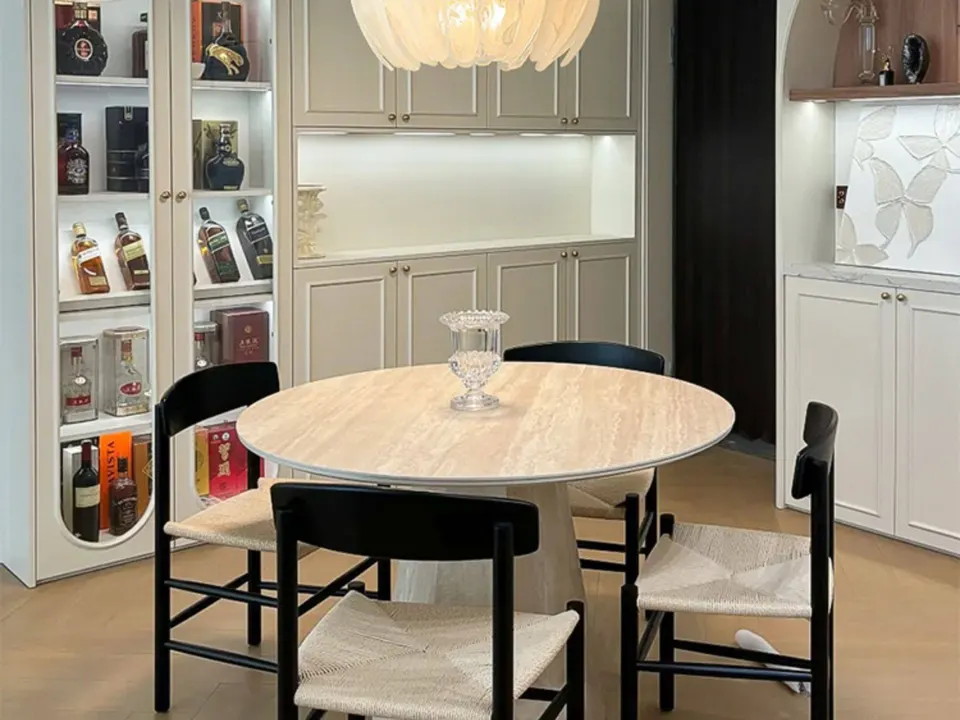
The neatest smart homes are the ones where nobody notices the technology. Sensors sit inside cabinets, routers and hubs live in a ventilated cupboard rather than on a shelf, and cable routes run behind built-in furniture rather than across walls. That is far easier when the electrical plan and the furniture plan are drawn together. Lampisa works this way when it plans a villa from moodboard to render: built-ins in plywood can be designed with space, cable routes and ventilation for equipment from the start, and the lighting plan can be agreed alongside the furniture. If you are preparing the house for guests, our overview of renting out a villa in Croatia covers the rest of the groundwork.
A few well-chosen features, protecting the house, controlling the climate and letting guests in smoothly, will do more for a holiday villa than a house full of gadgets. Start there, and add the rest only if it solves a real problem.