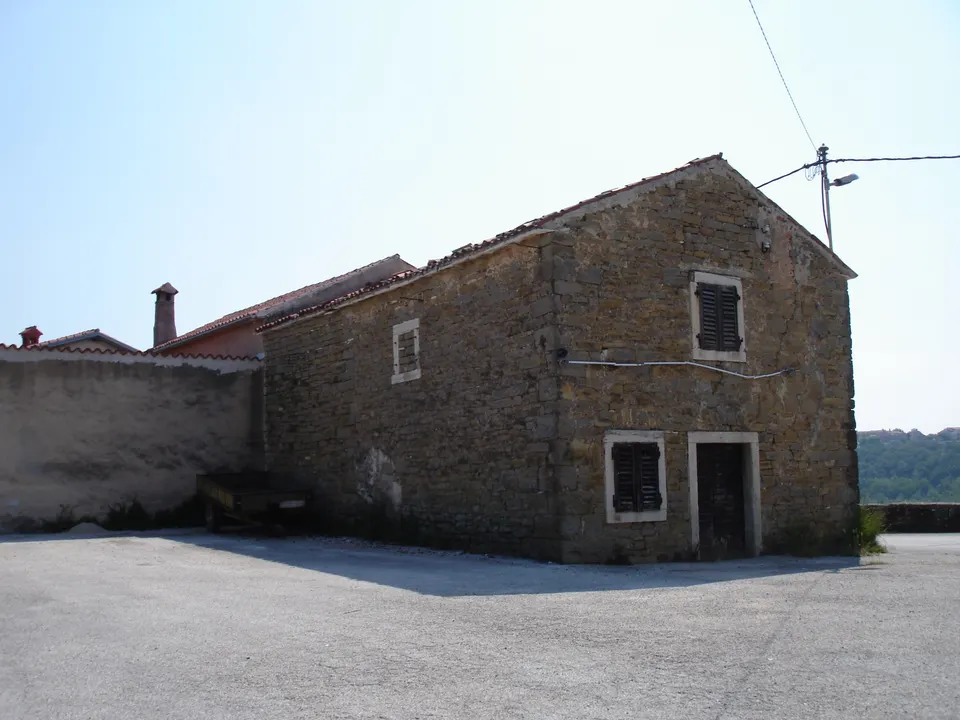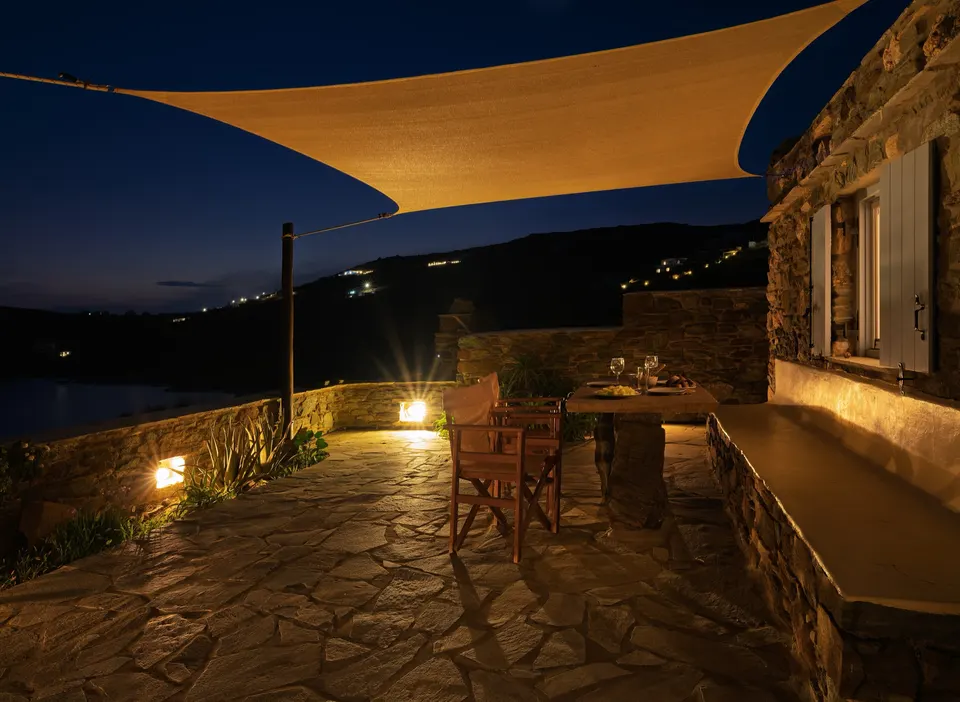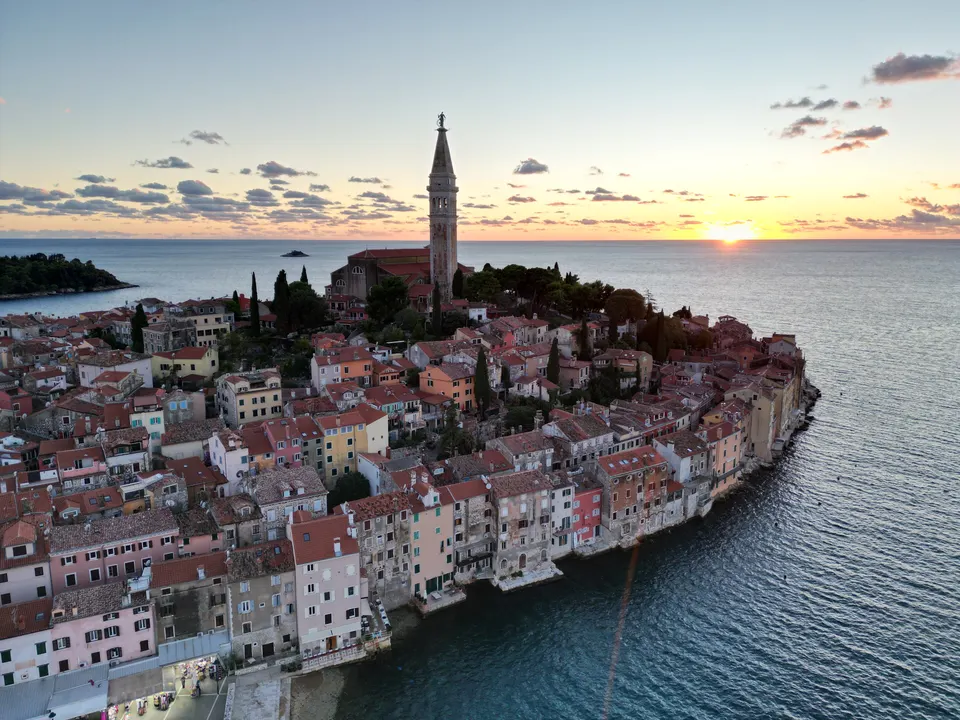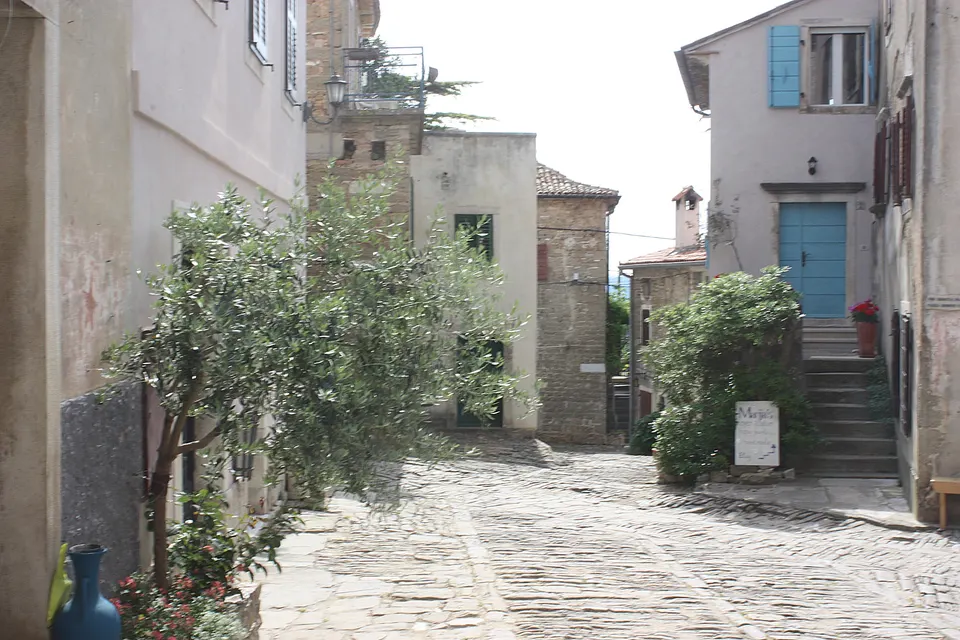
Thick stone walls can keep a house pleasantly cool through an Istrian August, or turn it into a slow oven. The difference is in how you use them.
Step into an old stone church in Istria on a July afternoon and the air feels instantly kinder. Step into some restored stone houses at ten in the evening and the walls seem to radiate the whole day's heat back at you. Same material, opposite result.
Stone does not cool a house by itself. It stores temperature, and it gives back whatever you let it absorb. Keeping a stone house comfortable is about working with that slow rhythm instead of against it.
How does thermal mass actually work?
Heavy materials such as stone, brick and thick plaster take a long time to warm up and a long time to cool down. Builders call this thermal mass. In a hot climate, it smooths out the swing between day and night: the walls soak up heat during the day, so the rooms stay cooler, and release it later, when the outside air has dropped.
The catch is the second half of that cycle. If the stored heat has nowhere to go at night, the walls start the next day already warm. After a week of heatwave, a closed stone house can be hotter inside than out. The secret of the traditional Istrian house was a daily routine: let the cool in at night, keep the heat out by day.
The daily routine: open at night, close by day
This costs nothing and works better than most people expect.
- Evening and night. Once the outside air is cooler than the inside, open windows wide, ideally on opposite sides of the house, so air flows through and draws heat out of the walls.
- Early morning. Close the windows while the air is still fresh, before the outside temperature climbs above the inside.
- Daytime. Keep shutters closed on sunny sides. Where it is safe, leave the window open behind a louvred shutter on the shaded side to let air move.
- Upper floors. Open a high window or skylight at night so warm air can escape at the top while cooler air enters below.
For a rental, write these few lines into the house guide. Guests who arrive from northern Europe often do the opposite, opening everything at midday, and then wonder why the bedrooms are warm.
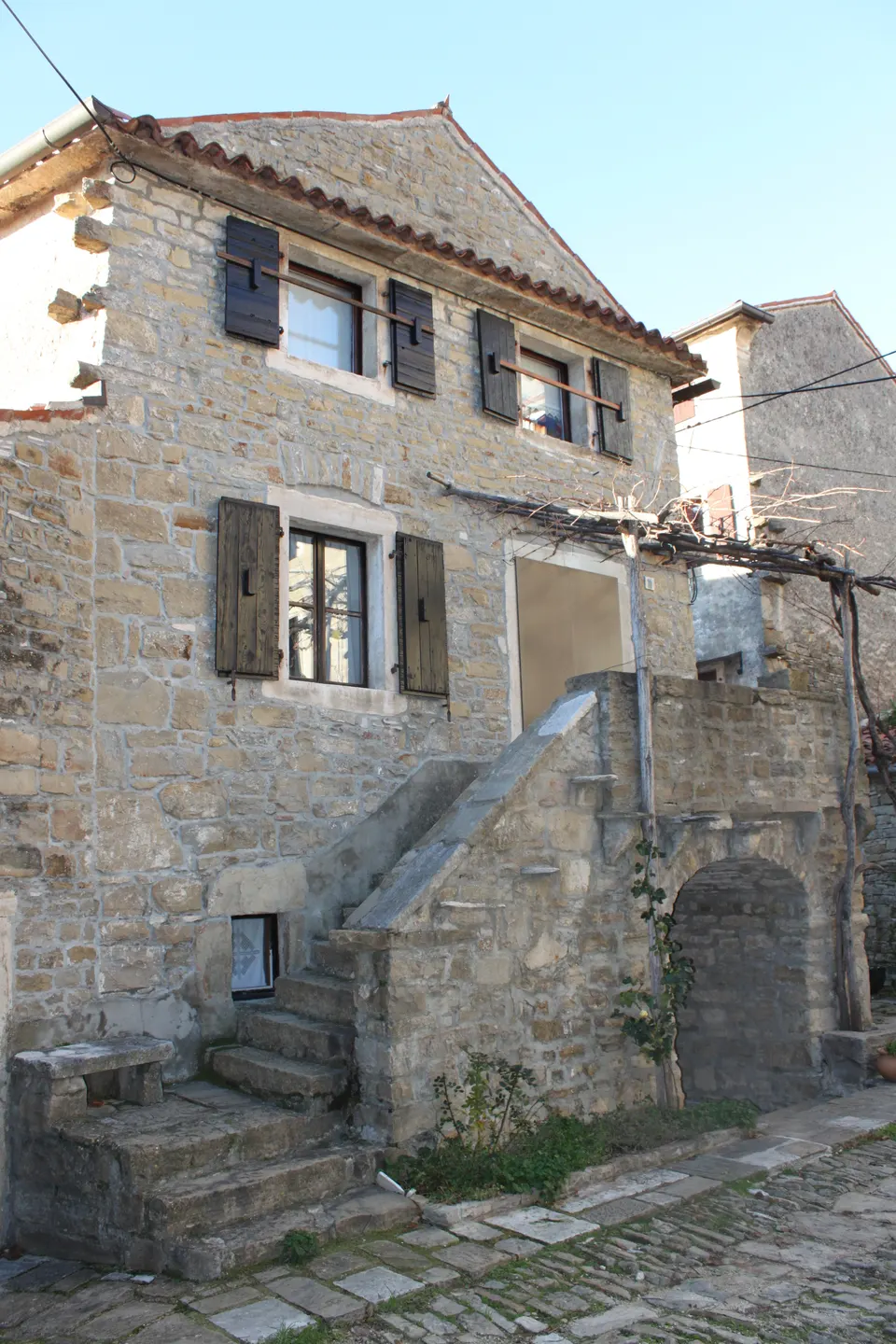
Shade before it reaches the wall
The cheapest heat to deal with is heat that never arrives. West-facing walls and windows take the low, intense afternoon sun and are the usual culprits for hot bedrooms. A deciduous tree, a mulberry or a vine-covered pergola on the west and south shades the wall in summer and lets the sun through in winter once the leaves fall. Our guide to the Mediterranean garden has suggestions that need little water.
On the house itself, external shading is far more effective than anything inside. Shutters, awnings and deep overhangs stop the sun before it hits the glass; curtains only stop it after the heat is already in the room. Light-coloured façades and limewashed walls reflect more sunlight than dark ones. See windows and shutters for coastal homes for the practical choices.
Stone does not cool a house by itself. It gives back whatever you let it absorb.
The roof is the weak point
Thick walls get the attention, but in many old houses most of the summer heat comes in through the roof. Traditional roofs of stone slabs or clay tiles on timber often had little or no insulation, and the rooms under them become very hot. When a stone house is renovated, insulating the roof well is usually the single most effective step for summer comfort, and for winter too. A ventilated roof, with an air gap under the tiles, carries away a good part of the heat before it reaches the insulation.
Choose insulation materials and a build-up that suit an old, breathable structure. The same logic as lime plaster and breathable walls applies: trapping moisture in old timber and stone causes more problems than it solves. This is a job for an architect or engineer who knows traditional buildings.
Where air conditioning fits in
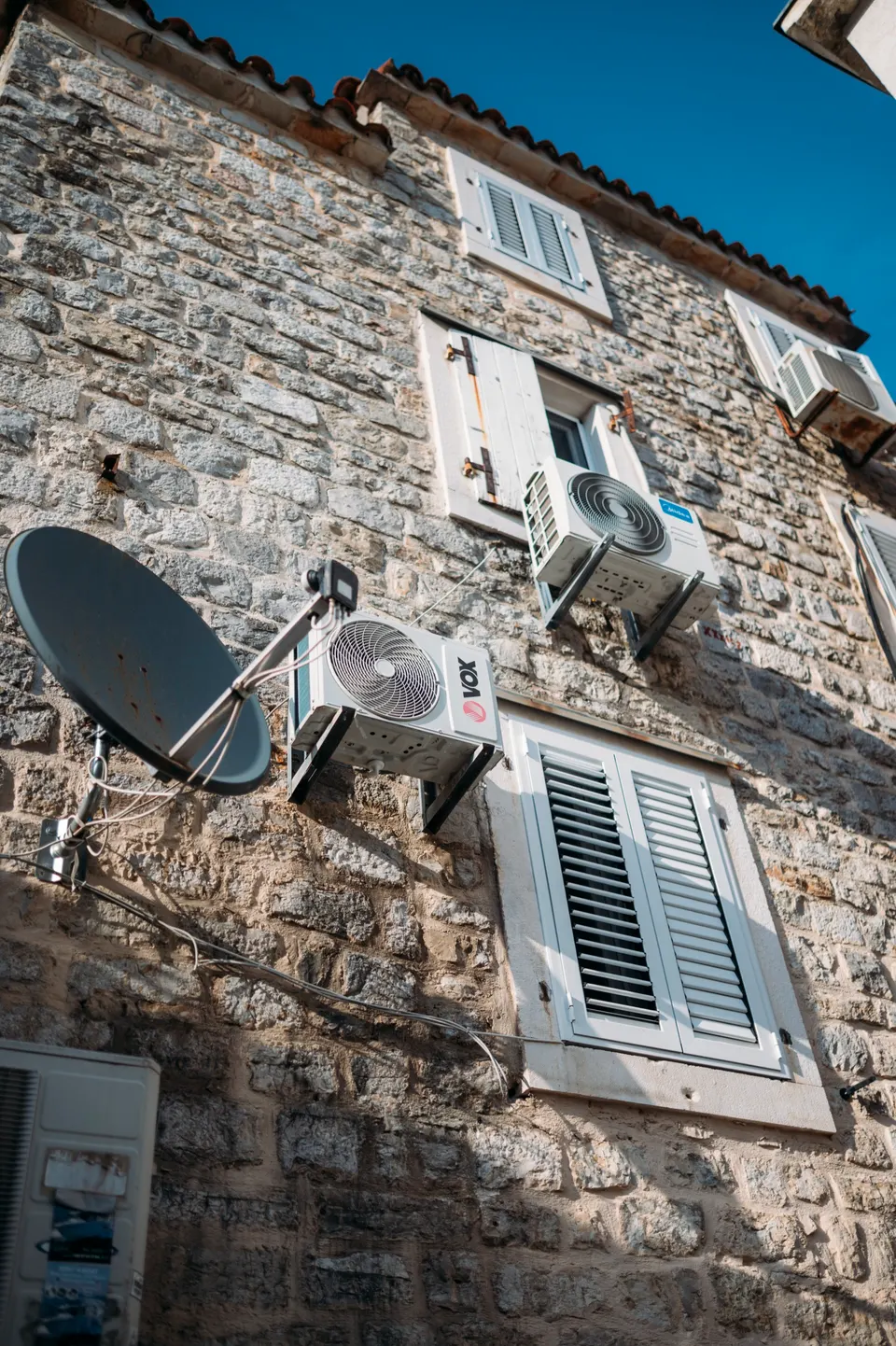
Most owners of rental villas will want some form of cooling, and guests increasingly expect it. In a stone house, though, air conditioning works best as a supplement rather than the main strategy. If the house is shaded and flushed with cool air at night, a heat pump system can run gently in the hottest hours instead of fighting a building full of stored heat. That means lower running costs and less noise from outdoor units.
A few points are worth discussing with your installer. Place indoor units where they do not blow directly on beds or seating. Route pipework and condensate drains discreetly, ideally planned before the plaster goes on. Think about humidity: on the coast, much of the discomfort in summer is damp air rather than heat alone, and a system that also dehumidifies makes a real difference. Ceiling fans are a simple, quiet complement, especially in bedrooms. For the bigger picture of heat pumps, solar power and shading, see the energy-efficient villa.
Inside: lighter rooms, lighter fabrics
Small choices inside add up. Linen and cotton bedding, light rugs that can be rolled away in summer, and furniture that leaves air moving around it rather than blocking windows and vents all help a room feel cooler. Heavy upholstered pieces pushed against external walls also trap still, humid air. A good furniture plan, like the ones Lampisa develops with clients from moodboard to render, shows where air needs to flow, where shutters swing and where pieces can stand slightly away from the wall, so the furniture suits the house and the house keeps working.
The old builders of Istria had no electricity to cool their houses, and they still slept through August. Their tools were shade, airflow, thick walls and good habits. Those still work, and everything modern you add on top will work better because of them.