Short hops between Venetian harbour towns, quiet anchorages and the open Kvarner to the east. A practical guide to sailing the Istrian coast.
Most people who sail in Croatia head south, to Dalmatia and its hundreds of islands. Istria is different, and for many sailors that is its appeal. The west coast is a chain of old harbour towns a few hours apart, each with a quay, a bell tower and somewhere to eat on the water. The south is wilder, with the protected cape of Kamenjak and the open passage to the Kvarner. And it is close to home for anyone sailing from Italy, Slovenia or Austria, which makes it a natural start or end to a longer cruise.
Why sail in Istria?
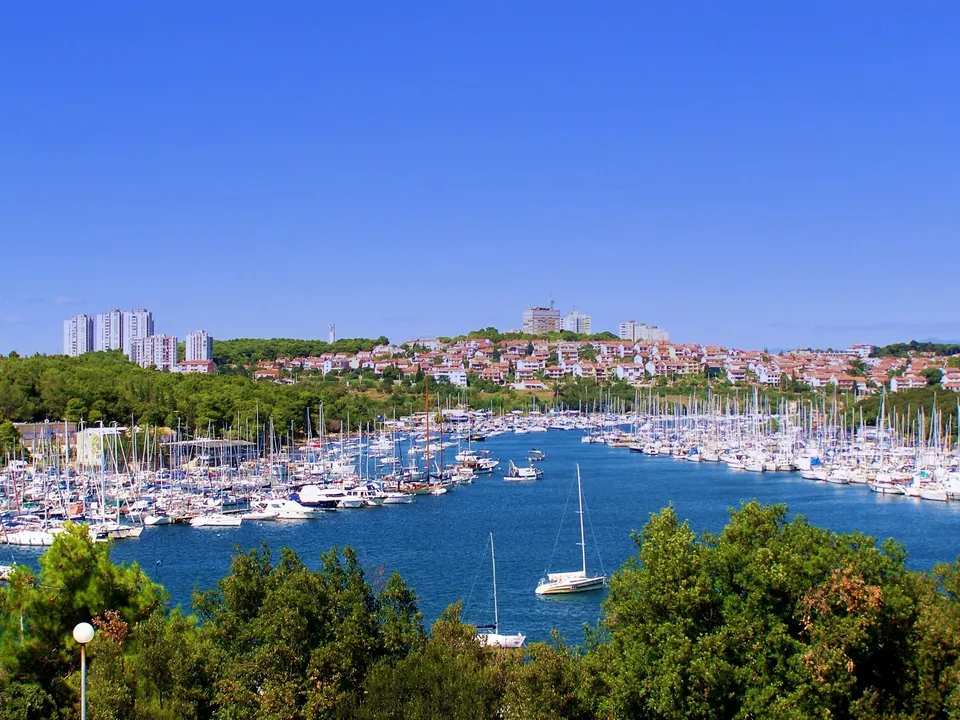
Distances are short and the coast is easy to read. There are few offshore dangers along most of the west coast, plenty of marinas and town harbours, and good supplies everywhere. Days can be planned around a swim, a lunch and an evening in town rather than long passages. For less experienced crews it is a gentle place to learn, while more experienced sailors can push south around the cape and across to the islands of Cres and Lošinj.
The main marinas
Along the west coast there are marinas or harbours with berths for visitors in almost every town: Umag, Novigrad, Poreč, Vrsar, Rovinj, and Pula. ACI, the Croatian marina network, runs marinas in Umag, Rovinj and Pula, and in Pomer on the bay south-east of Pula. Pula also has the large Veruda marina in a sheltered inlet south of the centre. Medulin Bay and the area around Premantura are popular for their shelter and their access to the southern cape.
Facilities, berthing rules and prices vary between marinas and from year to year, so check directly before you go, and book ahead in July and August, especially for weekend nights.
The winds: maestral, bura and jugo
Understanding the wind is the most important part of sailing anywhere in the Adriatic, and Istria is no exception.
- Maestral. The summer sea breeze from the north-west. It usually builds in the late morning, blows through the afternoon and dies down in the evening. It is the sailor's friend: steady, predictable and pleasant.
- Bura. A cold, dry wind from the north-east, coming down from the mountains in strong gusts. It can arrive quickly, with clear skies, and is especially fierce on the east coast and in the Kvarner. On the west coast it blows offshore, which makes the sea calm near land but rough further out.
- Jugo. A warm, humid wind from the south-east, often with cloud and rain. It builds more slowly but raises a long swell, and harbours open to the south become uncomfortable.
Check the forecast every morning and listen to the local weather reports. When the bura is forecast, choose a harbour with good shelter from the north-east; when the jugo blows, avoid anchorages open to the south.
Days can be planned around a swim, a lunch and an evening in town rather than long passages.
Anchorages worth knowing
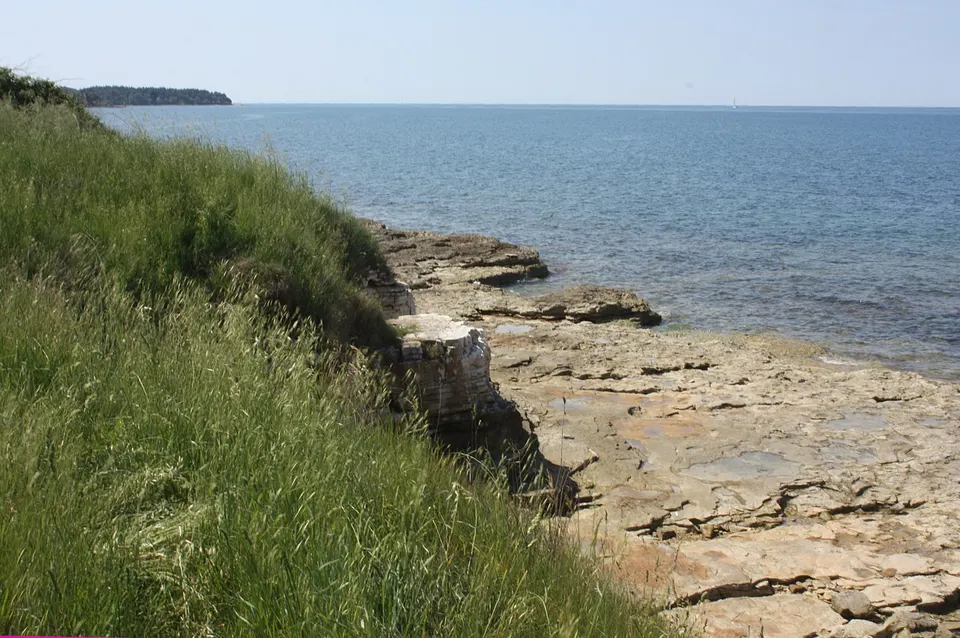
The islands off Rovinj and Vrsar offer sheltered spots for a swim and a lunch stop in settled weather. The coves of Kamenjak and the Medulin archipelago, at the southern tip of the peninsula, are among the most beautiful places to drop anchor in Istria, with clear water over sand and rock. Medulin Bay gives good shelter in many conditions.
Two well-known places come with their own rules. Brijuni National Park, off Fažana, is a protected area where navigation, anchoring and mooring are regulated. Lim Bay, the long inlet between Vrsar and Rovinj, is also protected. Check the current regulations before visiting either by boat, and respect the marked zones.
A week on the water: an example route
A relaxed week starting in Pula might go north along the west coast: Fažana and the waters off Brijuni, then Rovinj, Vrsar and Poreč, with a night in Novigrad or Umag before turning back south. Alternatively, go the other way: around the southern cape, across Medulin Bay, and over to Cres or Lošinj when the weather is settled. Leave a spare day in every plan; on the Adriatic, the wind decides.
Harbour towns from the sea
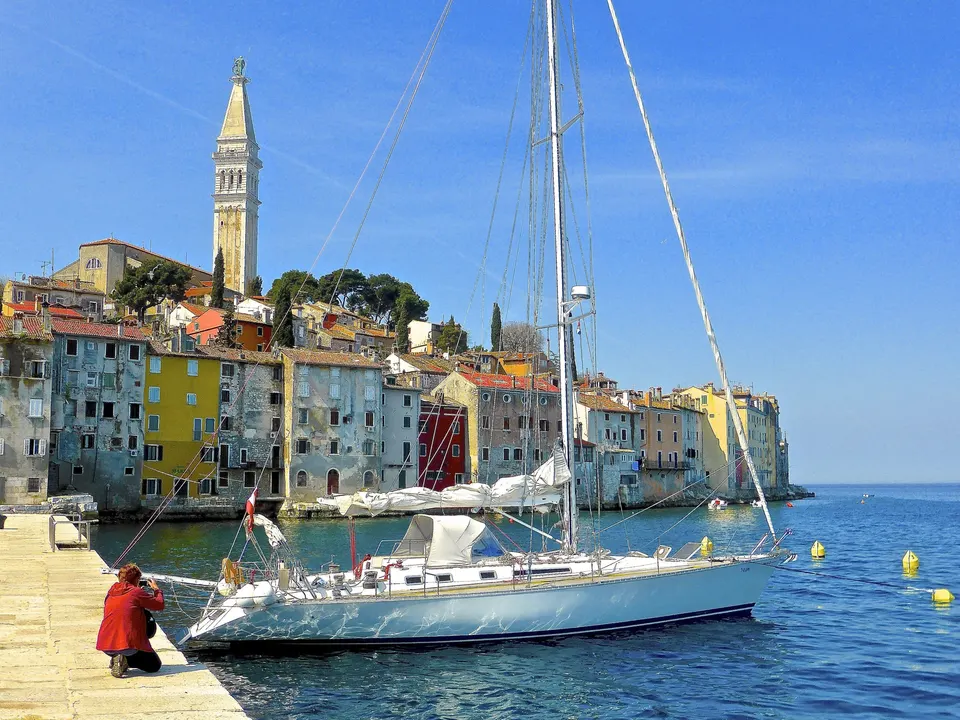
Arriving by boat is the oldest way to see the Istrian towns, and still the best. Rovinj rises out of the water like a stage set, with the church of St Euphemia at the top and the houses stepping down to the sea. Poreč appears as a low line of stone and bell towers on its peninsula, and Novigrad as a walled town on a point. For centuries, under Venetian rule, these were ports first and towns second, and their quays, loggias and harbour fronts still face the water.
A practical note for town stops: the town quays are popular and space is limited in summer, so arrive early in the afternoon, have fenders and lines ready, and be patient with the harbour staff, who manage a lot of boats in a small space.
Good to know
- Licences. To skipper a charter boat you need a recognised boating licence and, usually, a VHF radio certificate. Charter companies will tell you exactly what they accept.
- Fees and registration. Boats in Croatian waters are subject to fees and registration rules that change over time. Your charter company or marina will advise on what applies.
- No skipper licence? Hire a boat with a skipper. It is a good way to learn the coast and the winds.
- Season. June and September offer warm water, steady winds and quieter harbours. July and August are busy; book berths ahead.
- Environment. Avoid anchoring on seagrass meadows where you can see them, and use marina facilities for waste and water.
Arriving back on land
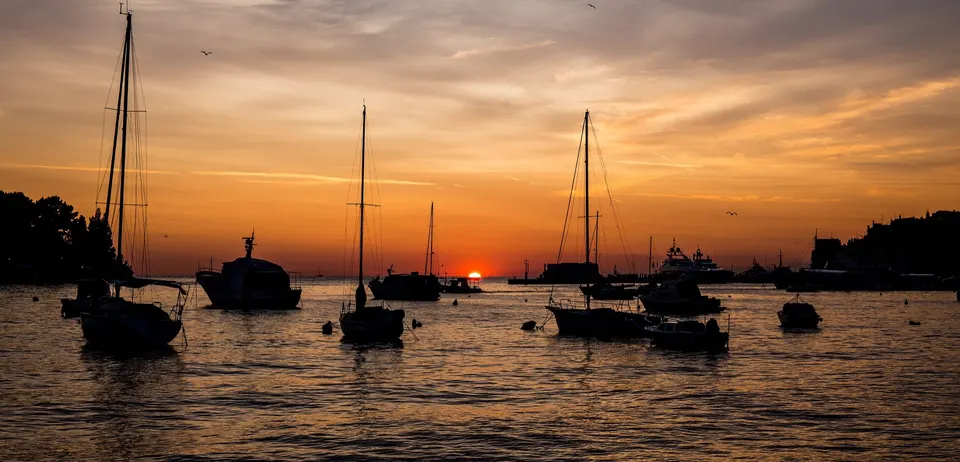
One of the pleasures of sailing in Istria is how close the sea is to everything else. A morning sail can end with a truffle lunch inland, and an evening anchorage with a walk through an old town. For the best places to watch the end of the day from the water or the shore, see the best sunset spots in Istria.