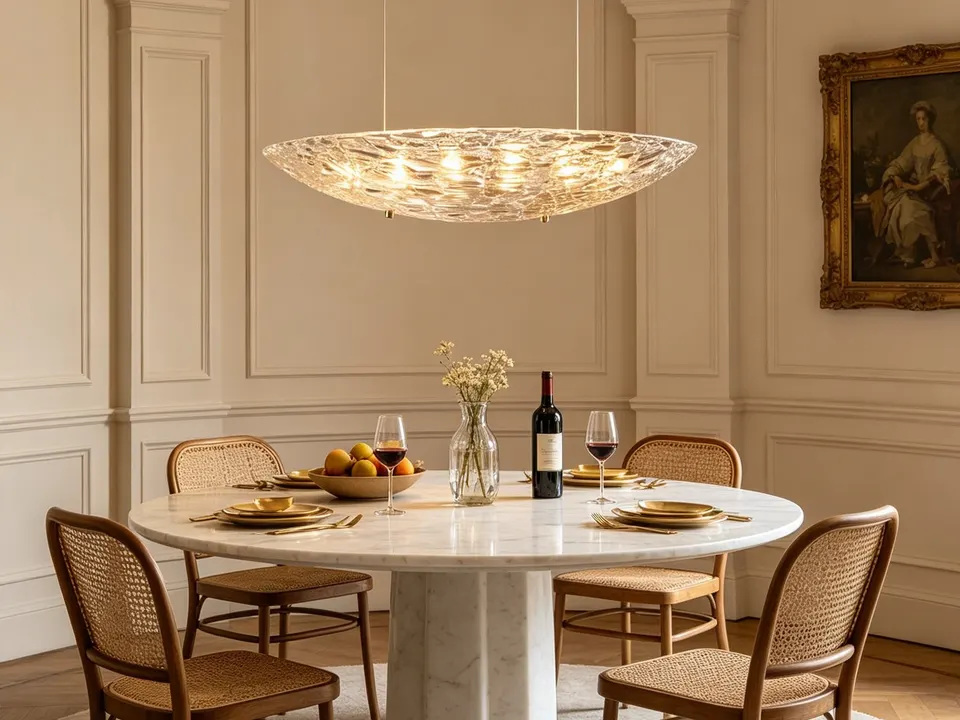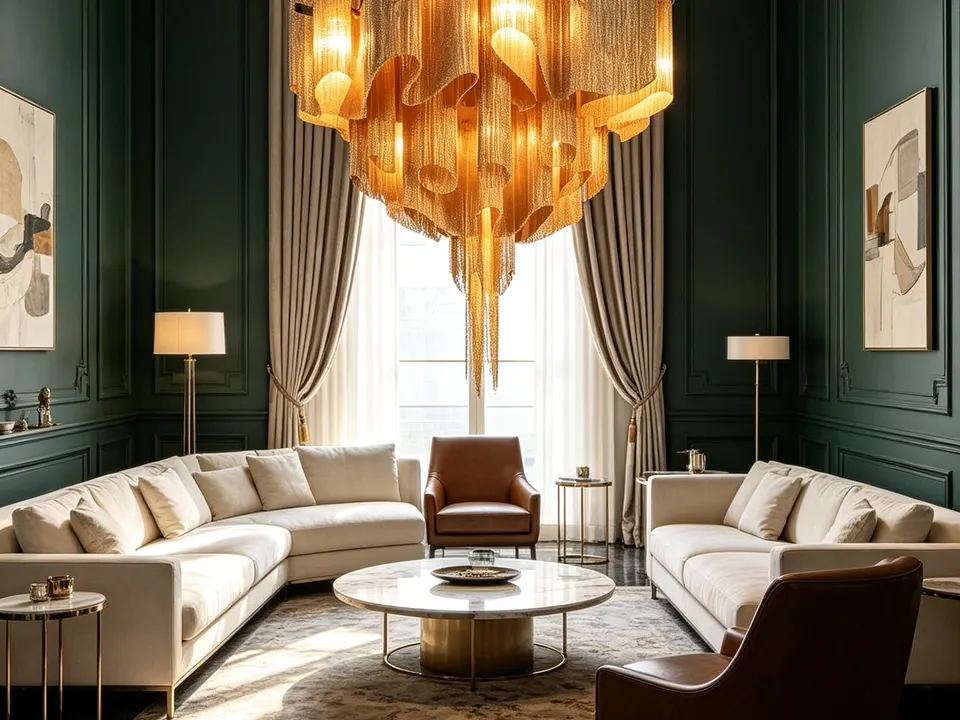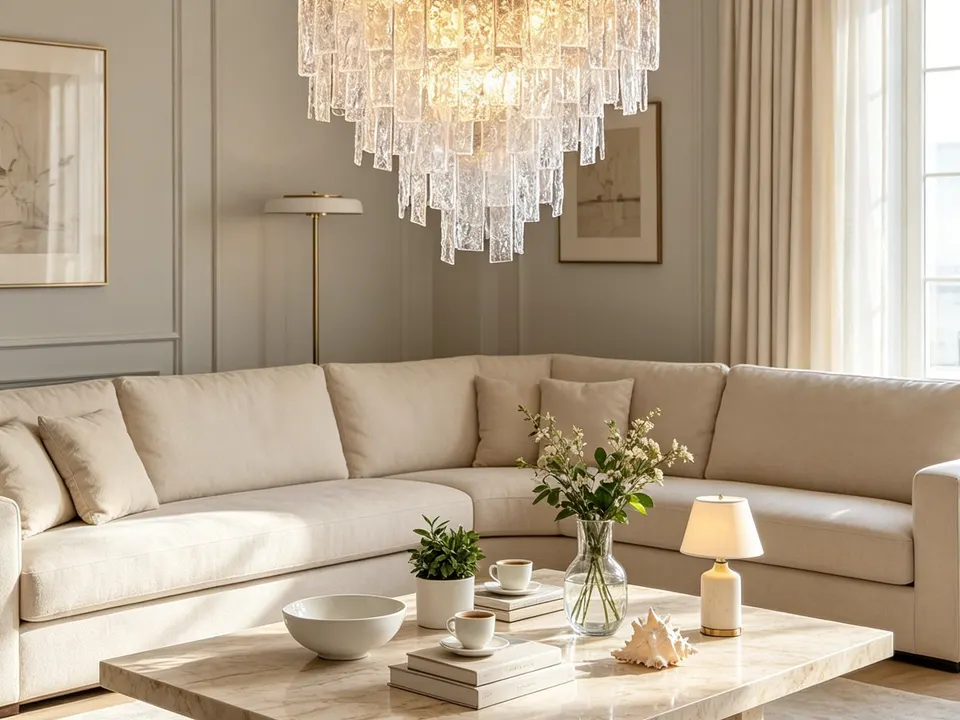
Linen that breathes, rugs that can be rolled up for August, cushions that survive salt air. Textiles decide how a house by the sea feels on a hot afternoon.
In a cold climate, textiles are about warmth: heavy curtains, deep rugs, wool throws. By the Mediterranean, they have a different job. They have to soften stone and tile without trapping heat, filter strong light without darkening the room, and cope with humidity, sun and sea air. Choose them well and a house feels cool and calm even in August. Choose them badly and the same house feels stuffy, faded and slightly damp.
The good news is that the right choices are mostly simple ones: natural, breathable fibres, washable covers, colours that age gracefully in the sun, and a willingness to change things with the seasons.
Which fabrics work best in a hot, humid climate?
Natural fibres that breathe are the foundation. Linen is the classic for good reason: it lets air through, absorbs moisture and dries quickly, and it looks better slightly creased, which suits a relaxed holiday house. Cotton is softer, easier to wash and usually less expensive, and a good choice for bed linen and cushion covers. Blends of linen and cotton combine some of the advantages of both.
Heavy velvets, thick synthetic fleeces and densely woven fabrics feel lovely in winter but hot and clammy in summer. If you want them for the cooler months, treat them as seasonal and put them away when the heat arrives.
Do rugs belong in a house by the sea?
Yes, but chosen differently. Stone and tile floors are cool and practical, but rooms with only hard surfaces echo and can feel cold in the evening or in winter. A rug anchors a seating area, softens acoustics and makes a room feel lived in. In a warm climate, the best rugs are flat-woven and low, so they do not hold heat, sand or moisture.
- Flat-woven cotton rugs. Light, often washable, easy to roll up and shake out.
- Jute and sisal. Natural texture and a summery look, best in dry rooms, as they do not like getting wet.
- Flat-woven wool. Durable and naturally resistant to dirt, good for living rooms used all year.
- Outdoor rugs in synthetic fibres. Made for terraces and covered loggias; they can be hosed down and dry quickly.
Many owners of Mediterranean houses roll up their larger rugs in high summer, when bare stone feels best under foot, and put them back in autumn. If you do this, store them clean and completely dry, rolled rather than folded.
By the sea, textiles should cool a room down, not dress it up.
Curtains and the strong southern light
Mediterranean light is beautiful and fierce. Sheer linen or cotton curtains diffuse it, keep the room bright and move with the breeze through an open window. For bedrooms, combine them with shutters, blinds or lined curtains that make the room properly dark for afternoon rest and early summer mornings. Many traditional Istrian houses rely on exterior shutters for this, and they remain the best way to keep heat out before it reaches the glass.
Sun fades fabric. Strong colours on south- and west-facing windows will change within a few seasons. Natural, sand, stone and off-white tones fade gracefully; if you want colour, put it in cushions and throws that are easy to replace.
Bedding that sleeps cool
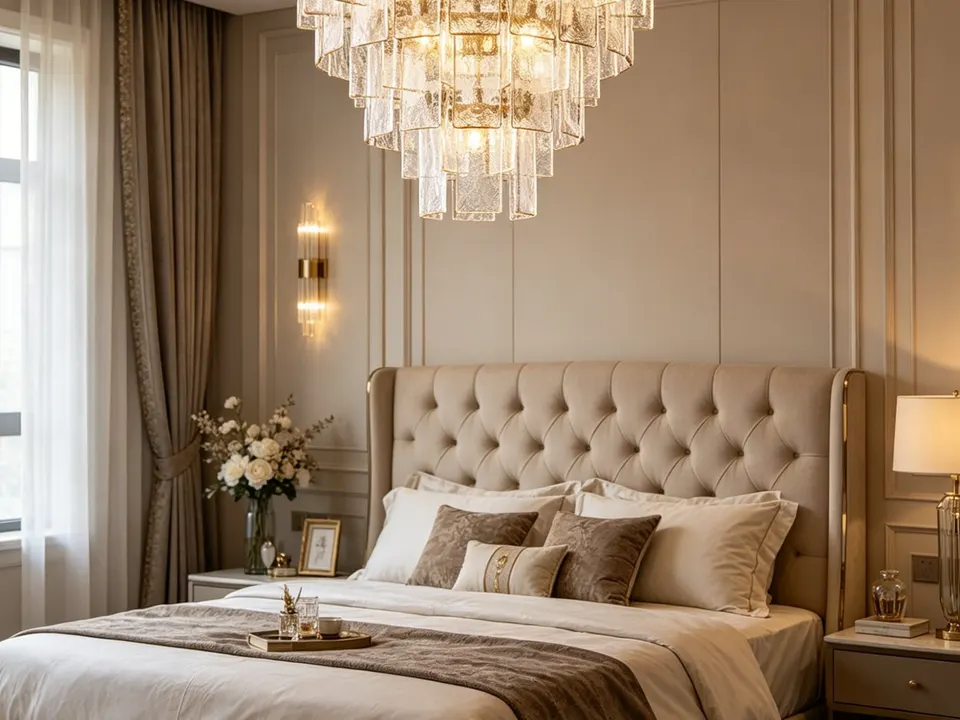
Linen and cotton percale are the two best choices for summer bedding: both breathe and feel cool against the skin. Keep a lighter summer duvet or simply a cotton blanket and top sheet for hot nights, and a warmer duvet for spring and autumn. If the house is rented, white or pale bedding that can be washed hot is the practical standard, and guests read it as a sign of care. Our article on guest bedrooms with hotel-level sleep goes further into beds and bedding.
Upholstery: sofas, chairs and cushions
Upholstered furniture in a holiday home faces sun cream, wet swimsuits and sandy feet. Removable, washable covers are the most valuable feature a sofa can have. Linen and cotton covers look natural and relaxed; performance fabrics designed to resist stains are worth considering for homes that are rented or used by children. Whatever the fabric, choose the frame with equal care: a sofa is only as good as the structure under the cushions.
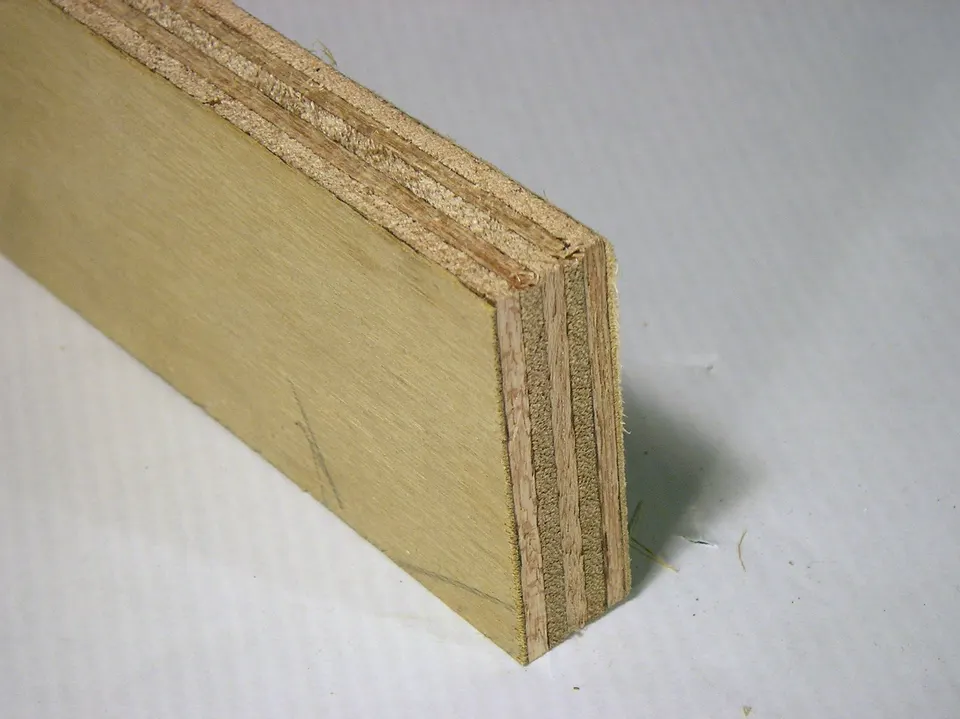
This is where an atelier can help. Lampisa, our partner workshop, builds furniture frames in plywood rather than particleboard, which keeps them stable in humid air and repairable over the years. Upholstery fabrics are chosen in the finish, to suit each room.
Outdoor textiles: cushions and terraces
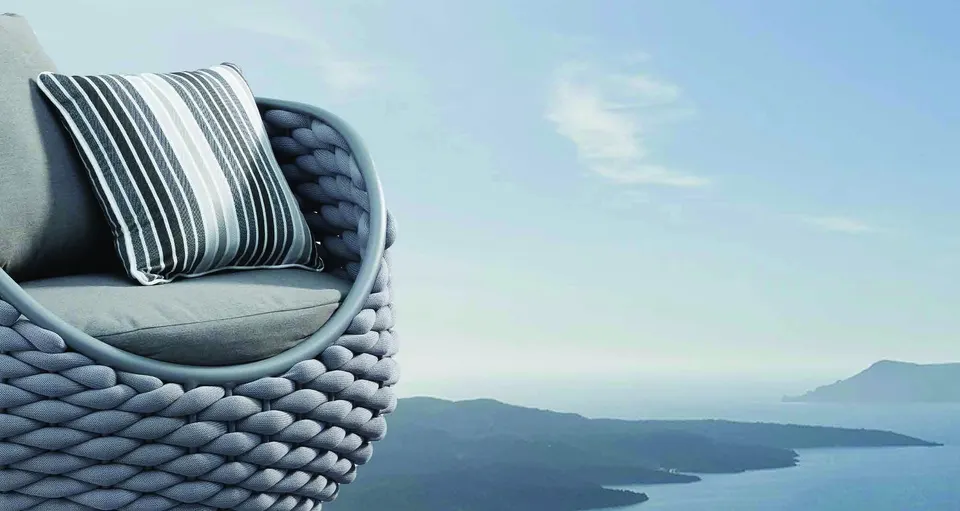
Outdoors, natural fibres give way to fabrics made for the job: solution-dyed outdoor fabrics resist fading, and quick-drying foam lets cushions recover after rain. Even so, outdoor cushions last much longer if they are brought in or covered at night and stored dry in winter. Our guide to outdoor furniture that lasts by the sea covers frames and materials in more detail.
Good to know: caring for textiles near the sea
- Air the house regularly; humidity trapped in a closed house is the main cause of musty textiles.
- Wash or air curtains and cushion covers at the start and end of each season.
- Store winter textiles clean and dry, in breathable bags rather than sealed plastic.
- Rotate rugs and cushions so they fade evenly in the sun.
- Keep a spare set of cushion covers, especially in a rented house.
- Choose a calm, natural base palette and add colour in pieces that are easy to change.
Textiles are the easiest part of a home to change and the quickest way to make a house feel right for its climate. Start with breathable fibres and quiet colours, add texture rather than weight, and let the stone and the light do the rest. For colour ideas drawn from the landscape around you, see colour palettes taken from Istria.