In Istria, an efficient house is as much about keeping summer heat out as winter warmth in. Here is how the main pieces fit together.
When people talk about energy efficiency, they usually picture cold climates: thick insulation, triple glazing, snow on the roof. In Istria the challenge is different. Winters can be damp and windy, but the real test of a modern villa is a still afternoon in July, when the sun is high and every guest wants the air conditioning on.
An efficient villa here does not start with technology. It starts with the building itself, and only then adds the systems that heat, cool and power it. Get the order right and the systems can be smaller, quieter and cheaper to run.
Shade first: why it matters more than anything
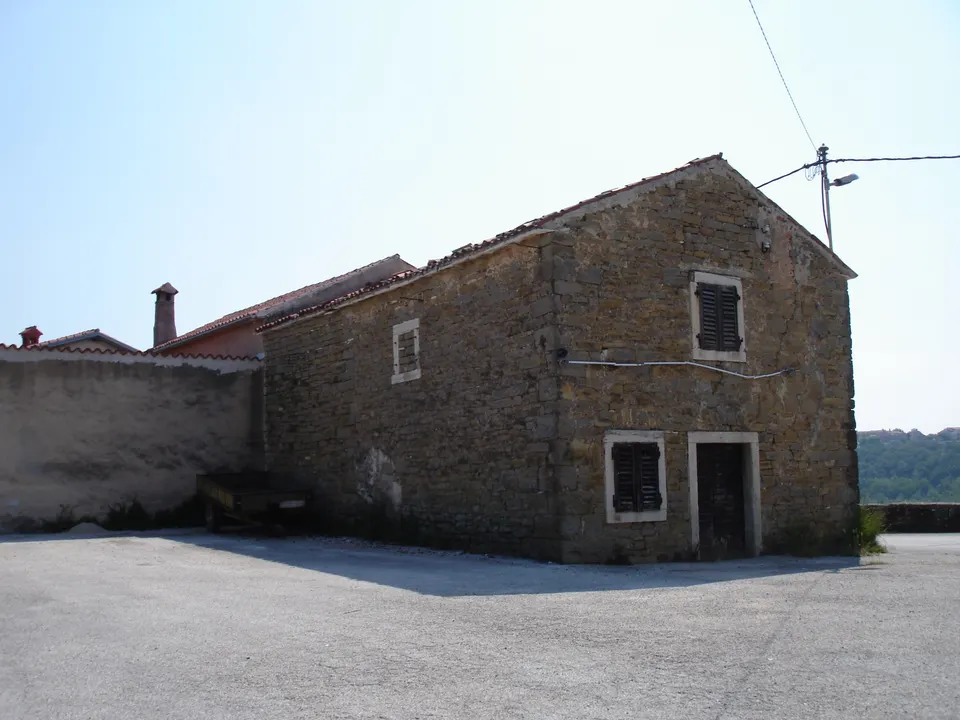
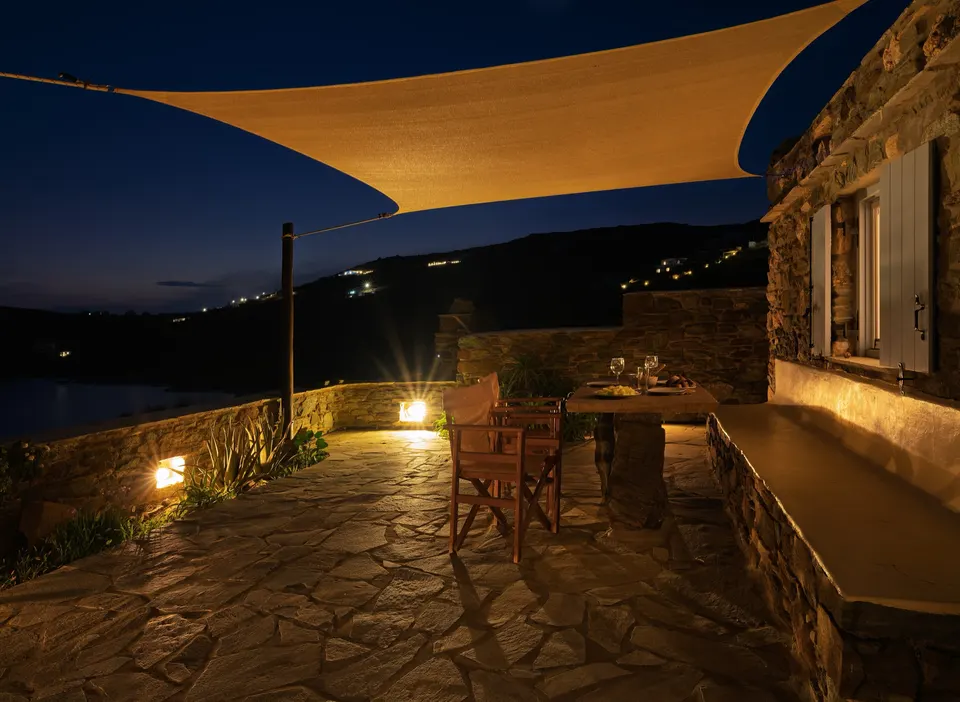
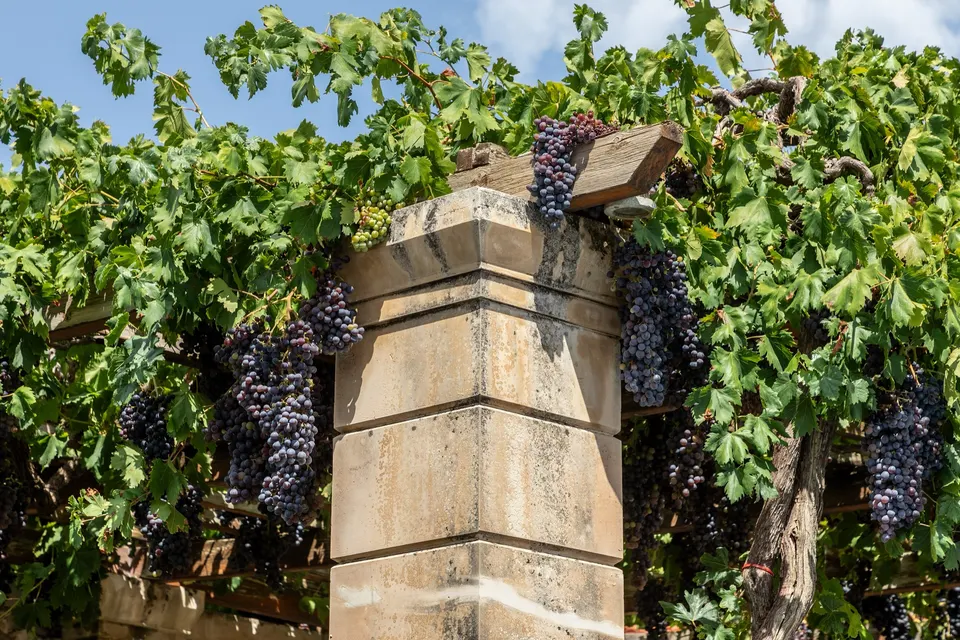
The cheapest kilowatt is the one you never need. In a sunny climate, that means stopping heat before it reaches the glass. Deep roof overhangs, covered terraces, pergolas with vines and external shutters do far more than any blind inside the window. Traditional Istrian houses knew this: small openings on the south and west, thick walls and wooden shutters were a form of climate control long before electricity.
Modern villas with large glazed walls can achieve the same result with careful design. South-facing glass is relatively easy to shade with a horizontal overhang, because the summer sun is high. West-facing glass is the hardest, because the evening sun comes in low; here, external louvres, shutters or planting are the answer. Deciduous trees and vines are especially clever: shade in summer, sun in winter.
The cheapest kilowatt is the one you never need.
Insulation, glazing and thermal mass
Good insulation in the roof and walls keeps heat out in summer as well as in during winter. Quality windows with well-fitted frames, and attention to airtightness, stop draughts and condensation. Under EU rules, new buildings are expected to meet near-zero energy standards, and your architect and engineers will design to the requirements that apply to your project.
Stone and concrete also offer thermal mass: they absorb heat slowly and release it slowly. Used well, with night-time ventilation in summer, heavy walls keep rooms pleasantly stable. Older stone houses work on the same principle, as we describe in keeping a stone house cool.
Heat pumps: how do they work in a villa?
A heat pump moves heat rather than creating it, which is why it can deliver more heat than the electricity it uses. Two types are common in villas. Air-to-water heat pumps feed underfloor heating, radiators and hot water, and many can also cool. Air-to-air systems, essentially modern split units, heat and cool individual rooms quickly and are familiar to guests.
Underfloor heating works particularly well with heat pumps because it runs at low temperatures and spreads warmth evenly under stone or tiled floors. Many villas combine both approaches: underfloor heating for the cooler months and split units or fan coils for summer cooling. A heat pump can also heat the pool, extending the season, as covered in designing a pool for a holiday villa.
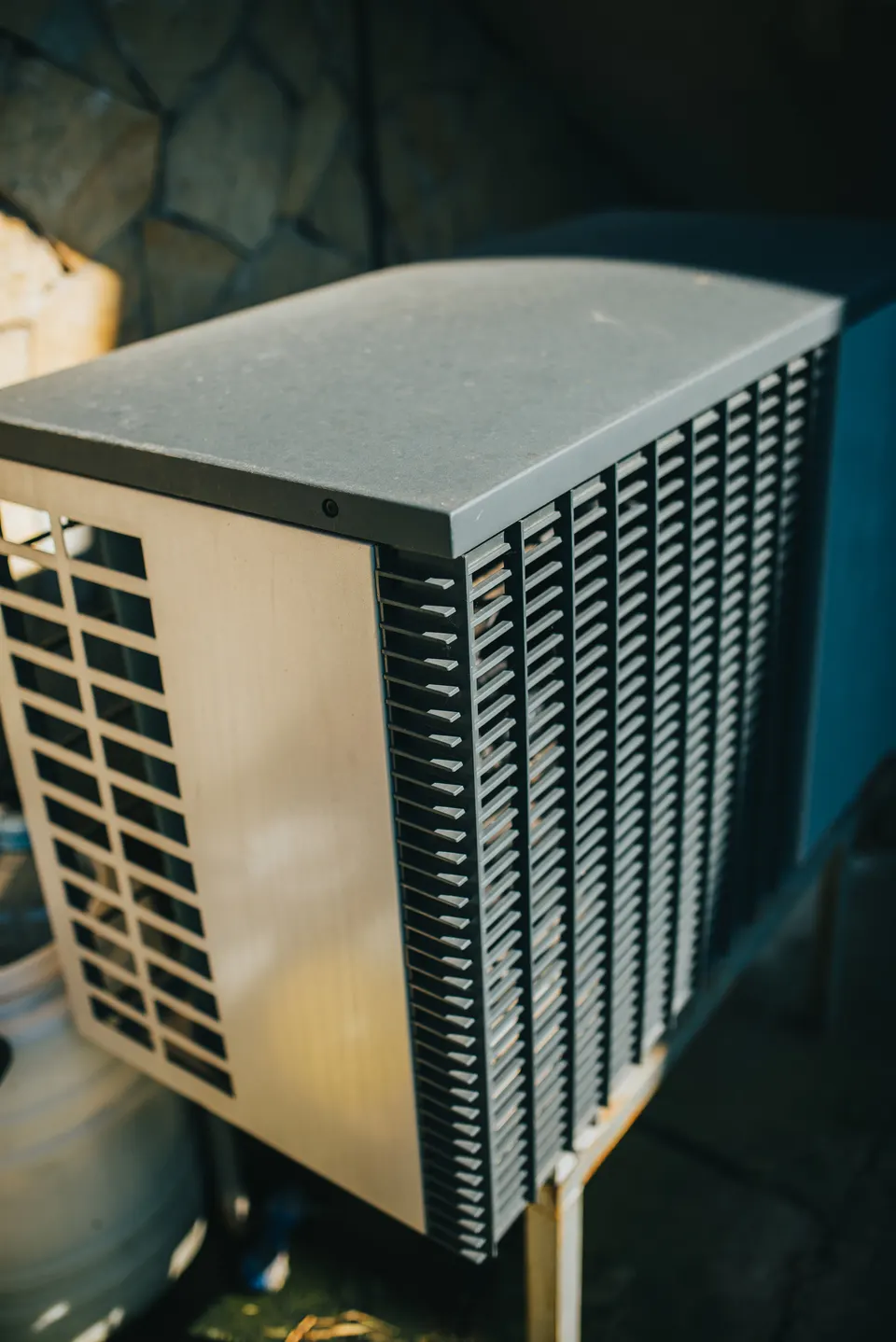
Plan where the outdoor units will go. They need airflow, make some noise and should not sit next to a bedroom window or the best seat on the terrace. A screened corner of the garden or a dedicated technical area is usually better than whatever wall is left over.
Solar panels and hot water
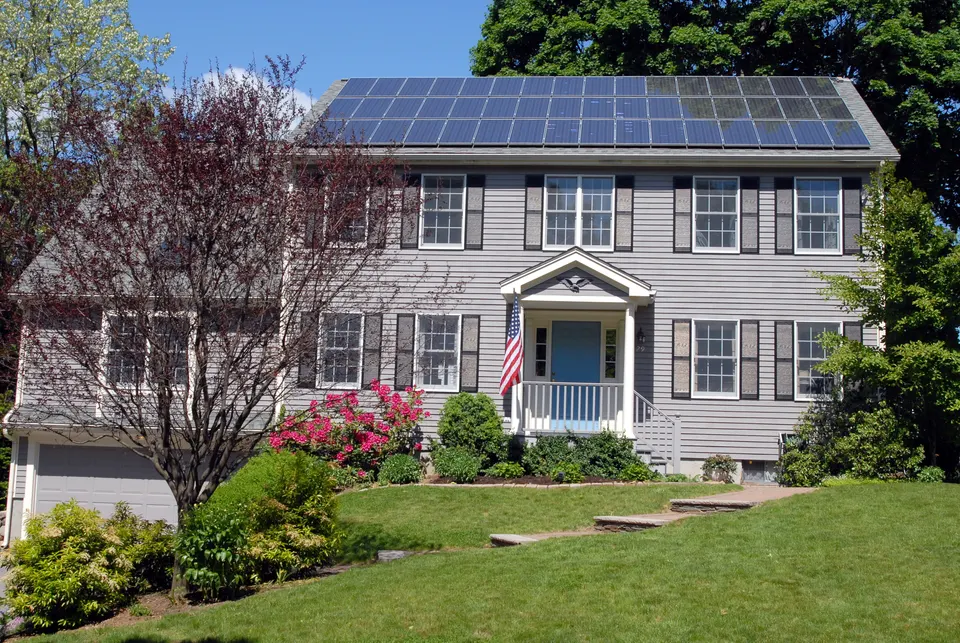
Istria has plenty of sun, and solar panels on the roof or a pergola can cover a good part of a villa's daytime electricity use, which in summer is exactly when cooling and pool pumps are running. Batteries can store some of that energy for the evening. The rules for connecting to the grid and for selling surplus electricity change from time to time, so ask a qualified installer what applies when you plan your system. Solar thermal collectors for hot water are another option, especially for houses with high summer occupancy.
Panels also affect how the house looks. On a traditional tiled roof in a village, or within a protected area, there may be limits on what is allowed and where. Your architect should check early, and design the roof so panels look intended rather than added.
Controls that guests will understand
In a rented villa, the best system is useless if guests leave every unit on at full power with the doors open. Simple, clear controls, sensors that switch off cooling when a terrace door is opened, and remote monitoring for the owner all help. Keep it intuitive; guests should not need a manual to be comfortable.
The efficient villa in short
- Orientation and shade. Overhangs, shutters, pergolas and trees before any machine.
- A good envelope. Insulation, quality windows and airtightness, designed to current requirements.
- Heat pump with low-temperature heating. Underfloor heating suits it best.
- Solar where it makes sense. Ask an installer about current grid and permit rules.
- Plan the technical areas. Outdoor units and plant rooms placed, screened and accessible.
- Simple controls. Easy for guests, visible to the owner.
- Energy certificate. Needed when a property is sold, and in other cases; your engineer will advise.
Interiors play a part too. Linen curtains, wooden shutters and lighting that uses efficient sources all add to the comfort of a cool, calm house. The atelier Lampisa plans furniture and lighting together with the architecture, from moodboard to 3D render, including Murano glass lights from its catalogue that pair well with efficient light sources. See how the process works.