The plants that already grow wild around Istria are the ones best suited to a villa garden. How to plan one that looks good in August without a sprinkler running all night.
Many new villa gardens in Istria start the same way: a rolled lawn, a row of fast-growing hedging and an irrigation system set to run every night. By the second August the lawn is patchy, the water bill has arrived and the hedge is struggling in the wind. Meanwhile, on the stone wall next door, wild sage, broom and mastic are thriving on nothing but winter rain.
That contrast is the best design brief you will get. A garden built around plants that belong to this climate costs less to run, needs less work and looks like it belongs to the place.
What makes a garden truly Mediterranean?
The Mediterranean climate is defined by mild, wet winters and hot, dry summers. Native plants have adapted to exactly that: they grow in autumn and spring, and in high summer they slow down rather than fight. Small, leathery or silvery leaves, aromatic oils and deep roots are all ways of holding on to water. A garden designed on the same principles will look its best in spring and early summer, stay green and textured through the heat, and come back to life with the first autumn rains.
Istria adds a few local conditions. The coast is milder; the interior can see real frost in winter. The bora, the cold north-easterly wind, can be fierce, and salt spray reaches gardens close to the sea. Soils range from the red terra rossa over limestone to heavier grey soils inland, and many plots are shallow and stony. Good plant choices take all of this into account.
Native and well-adapted plants to start with
You do not need an exotic list. Most of these grow wild somewhere in Istria or along the Adriatic coast, and good nurseries in the region stock them.
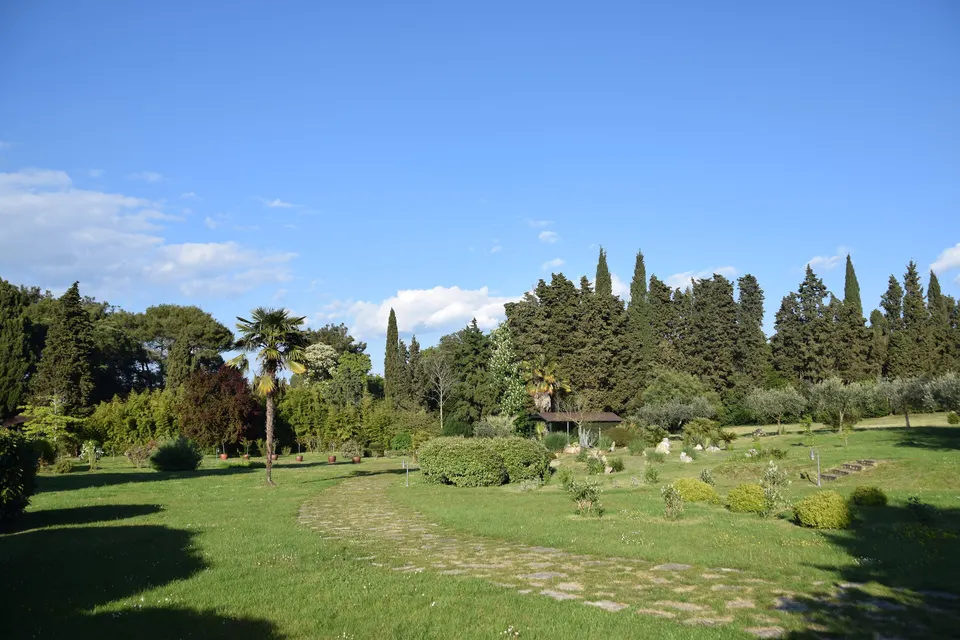
- Trees for shade and structure. Olive, holm oak, strawberry tree, bay laurel, fig and pomegranate. Holm oak and strawberry tree are part of the evergreen woodland of the western coast.
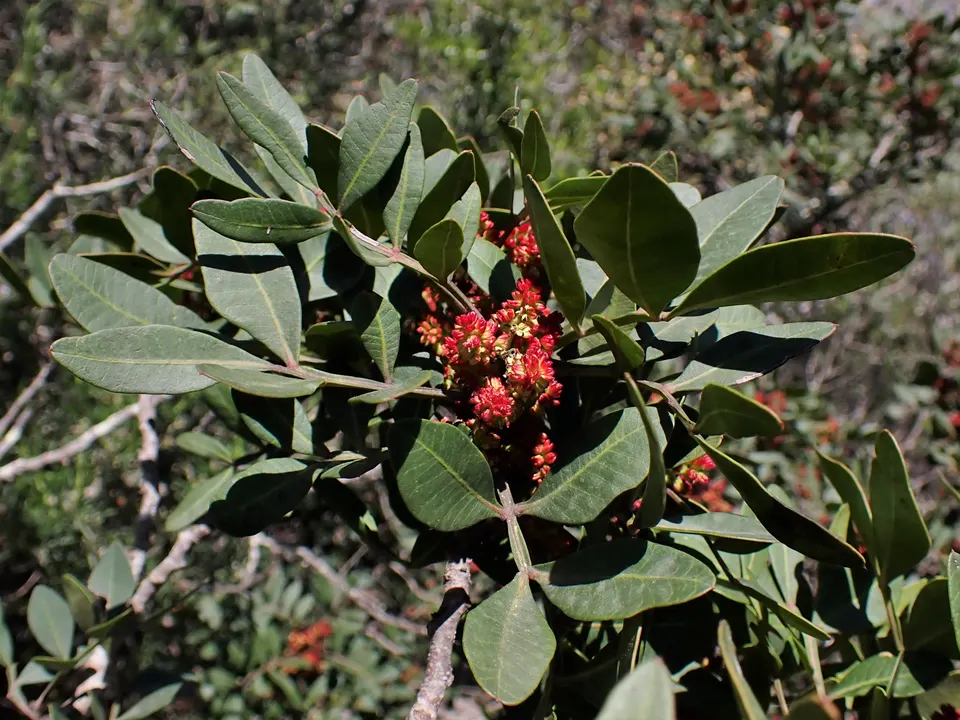
- Evergreen shrubs for hedging and screening. Mastic (lentisk), myrtle, laurustinus and phillyrea. They take the place of thirsty conifer hedges and tolerate wind and salt better.
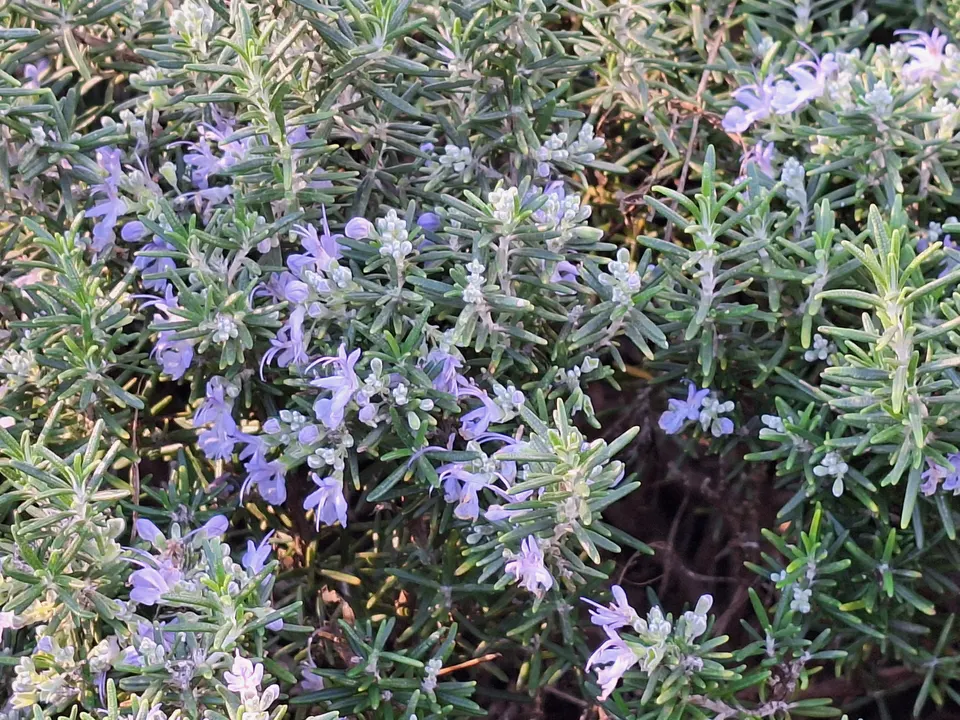
- Aromatic plants. Sage, rosemary, lavender, thyme, savory and the silvery immortelle (helichrysum). Plant them where you brush past them on paths and steps.
- Summer colour. Spanish broom, with its bright yellow flowers along Istrian roadsides in late spring, and caper bushes growing out of old walls.
- Climbers for pergolas. Grapevine is the traditional choice: shade in summer, light in winter once the leaves fall.
Plan the water before the plants
The single most useful idea in a dry garden is grouping plants by how much water they need. Garden designers call it hydrozoning. Keep the few thirsty things, a herb bed for the kitchen, pots on the terrace, perhaps a small lawn for children, close to the house and on their own irrigation line. Everything further out is planted with drought-tolerant species that, once established, live largely on rainfall.
Where you do irrigate, drip lines are far more efficient than sprinklers, because the water goes to the roots instead of evaporating from leaves and paving. Water deeply and less often, early in the morning, so roots grow down rather than staying near the surface. If you can, collect rainwater from the roof in a tank; even a modest one makes a difference to pots and young plants. Local rules on water use and any summer restrictions are worth checking with your utility or municipality.
The garden next door that nobody waters is the best design brief you will get.
When and how to plant
In a Mediterranean climate, autumn is the main planting season. Plants set in the ground in October or November have the whole wet winter to build roots before their first summer. Spring planting works too, but young plants will need regular watering through their first hot months. Planting in midsummer is a recipe for losses.
Most Mediterranean plants prefer lean, well-drained soil. Rich compost and heavy watering make them grow soft and short-lived. On heavy soil, improve drainage rather than fertility. Cover bare ground with a mulch of gravel, crushed stone or bark: it keeps roots cool, holds moisture and suppresses weeds. A gravel garden with clumps of sage, lavender and grasses is one of the most natural-looking and lowest-maintenance options for a sunny slope.
Lawn, or something better?
A green lawn in August is one of the most water-hungry things you can ask of an Istrian garden. If you want one, keep it small and use it where it is actually walked on. Elsewhere, consider gravel, stone paving with thyme between the joints, low ground-cover plants, or simply a meadow that turns gold in summer and green again in autumn. Guests remember a shaded terrace and the smell of rosemary far more than a perfect sward.
Shade, stone and the terrace
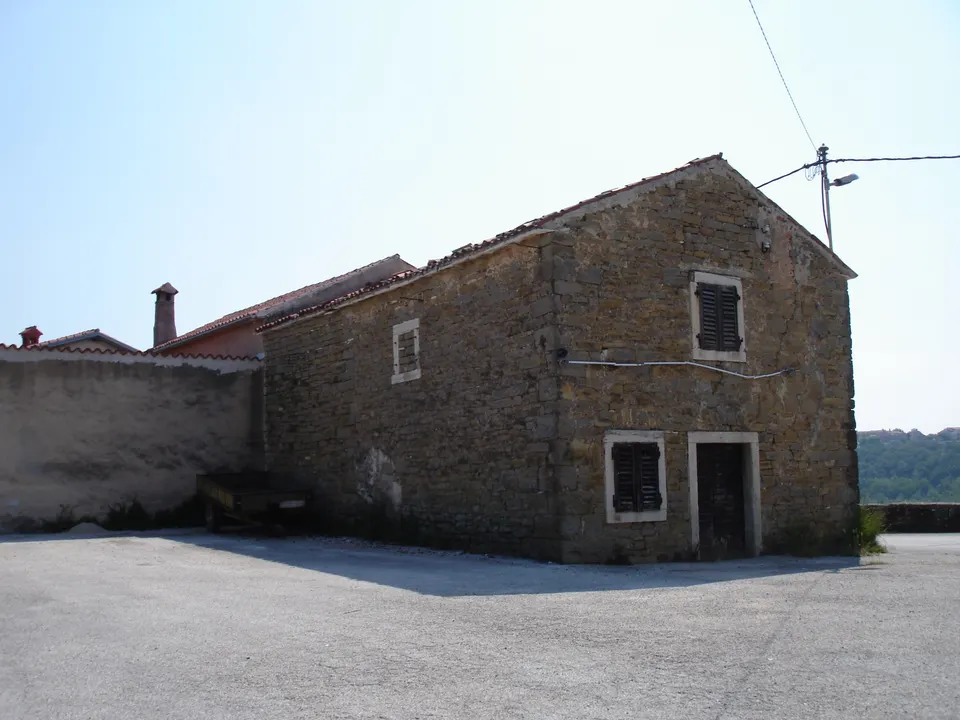
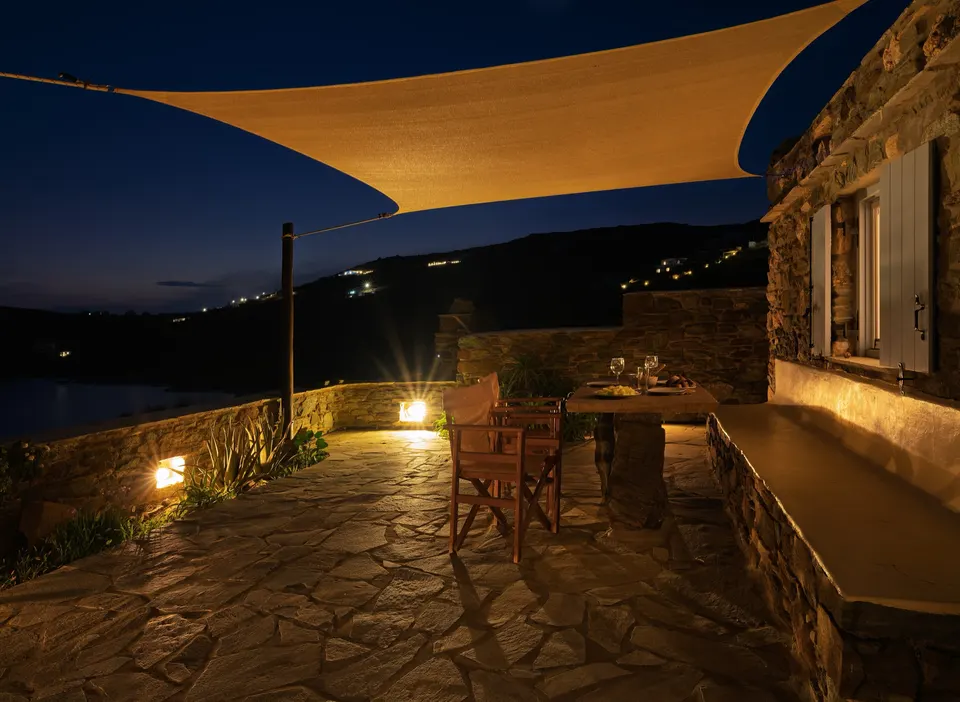
The best Istrian gardens are as much about stone and shade as about plants. Dry-stone walls retain terraces and give shelter to herbs and capers. A pergola with a vine, or a single well-placed olive or mulberry, creates the outdoor room where most of summer is actually spent. Place trees to shade west-facing walls and terraces, and you cool the house as well as the garden; we look at that in more detail in keeping a stone house cool.
Think of the terrace furniture as part of the same plan. Pieces that will stand under a pergola, next to a pool or in the full afternoon sun need materials that cope with salt, UV and the occasional storm. Our guide to terraces and long evenings covers how to lay out those outdoor rooms, and Lampisa's atelier can help furnish them so they work with the garden rather than against it.
A short checklist
- Walk the land in August and in February before deciding anything: sun, wind and drainage change with the seasons.
- Keep existing olives, oaks and dry-stone walls wherever possible. Mature trees cannot be bought back.
- Choose plants for your exact spot: coastal, windy and salty is different from a sheltered inland valley.
- Avoid invasive species that spread into the surrounding countryside; ask a local nursery what to steer clear of.
- Plant in autumn, water deeply through the first summer, then gradually step back.
A native garden does not look finished on day one. In its second or third year, when the shrubs have knitted together and the herbs have spread over the stones, it starts to look as if it was always there. That is the point.