How to arrange a visit to an Istrian olive oil producer, what happens at a tasting, and the simple professional method for judging a good extra virgin oil.
Istria takes its olive oil as seriously as its wine. Across the peninsula, from the red-soiled groves around Vodnjan to the hills above Buje, family producers press small quantities of intensely fresh extra virgin oil, and the region has earned a strong reputation in international guides and competitions. Visiting a producer and tasting properly is one of the most rewarding things you can do here, and it changes the way you buy oil for ever.
This is a practical guide: how to arrange a visit, what to expect, and how to taste the way professional panels do. For background on varieties and the harvest, see our introduction to Istrian olive oil.
How do you visit an olive oil producer in Istria?
Most Istrian olive oil is made by family estates rather than large companies. Many of them offer tastings, some in a dedicated tasting room, others at the kitchen table or under a fig tree in the yard. A few have shops and regular opening hours in summer; many more work by appointment.
- Book ahead. Call, email or message a day or two before. Even producers with a shop appreciate knowing you are coming, especially for a guided tasting.
- Ask what the visit includes. Some tastings cover several oils with bread and local food; others are a quick taste before buying. Prices and formats vary, so ask when you book.
- Go where the groves are. The Vodnjan area in the south-west and the Buje and Brtonigla area in the north-west are among the best known, but good producers are spread across the whole peninsula. Tourist offices keep lists of producers who receive visitors.
- Combine with wine. Many estates make both oil and wine, so one visit can cover two tastings.
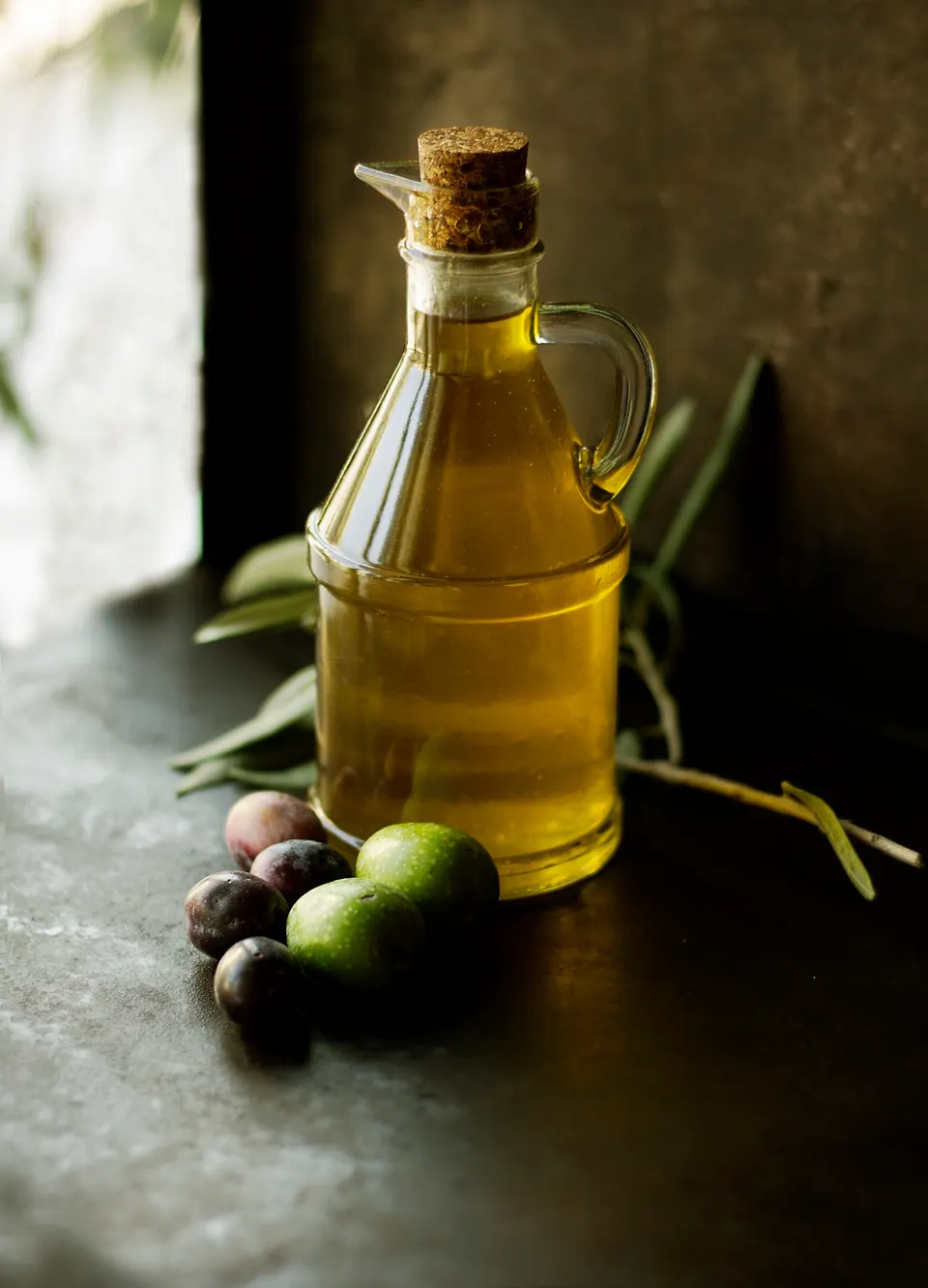
- Bring a bag. Producers usually sell directly, often in dark glass bottles or tins that travel well.
When is the best time to go?
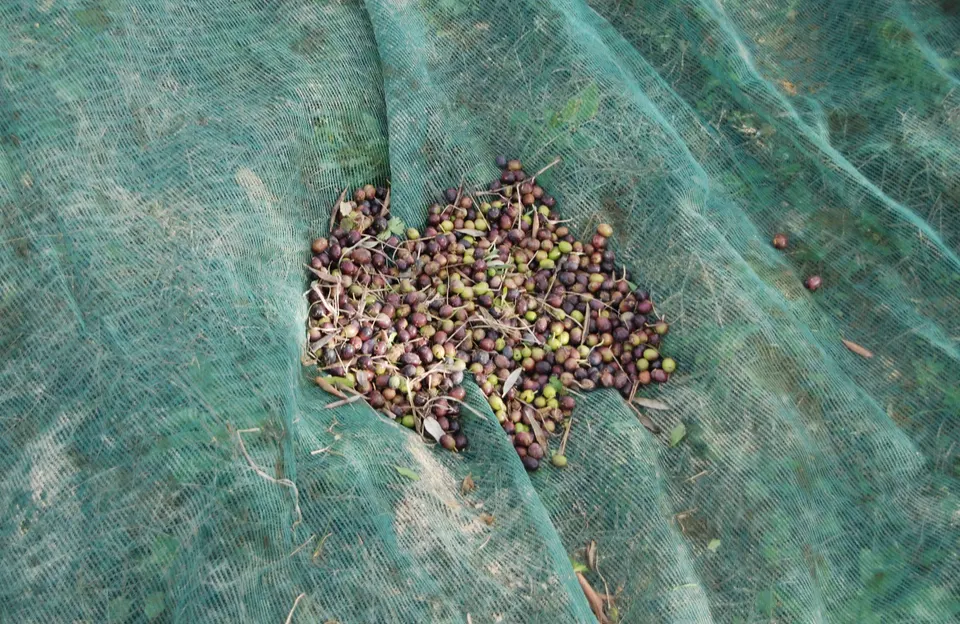
Tastings are possible all year, but the most exciting time is the harvest, which in Istria usually runs from October into November. Olives are picked onto nets spread under the trees and taken to the mill quickly, often the same day, because freshness is everything. During these weeks the mills work long hours and the new oil, bright green, peppery and almost grassy, appears on tables across the region.
If you visit in harvest season, ask whether you can see the mill at work. Modern mills crush the olives, mix the paste gently and separate the oil in a centrifuge; the process is fast, loud and fragrant. Do not expect a guided tour at the busiest moments, but many millers are happy to let visitors watch for a few minutes. In summer, the oil you taste will be from the previous harvest. Good oil stored well is still excellent, though it will be softer and less pungent than the new oil.
How to taste olive oil like a professional
Professional tasters use a small, rounded glass, traditionally coloured dark blue so that the colour of the oil cannot influence their judgement. Colour, surprisingly, says very little about quality. The method is simple, and you can use it at a tasting or at home with a small wine glass.
- Pour a little. About a tablespoon of oil in the glass is enough.
- Warm it. Cover the glass with one hand and cup it in the other for a minute or so. Gentle warmth releases the aromas.
- Smell. Uncover, swirl and breathe in slowly. Look for fresh notes: cut grass, green tomato, artichoke, green apple, almond, herbs.
- Sip. Take a small sip and spread it around your mouth.
- Slurp. With the oil still in your mouth, draw in air through slightly parted teeth with a sucking sound. It feels rude, but it is the professional technique, and it carries the aromas to the back of the nose.
- Swallow and wait. Notice the bitterness on the tongue and the peppery sting at the back of the throat. A good fresh oil may make you cough. That is a compliment.
- Reset. Between oils, eat a slice of green apple or a little plain bread and drink some water.
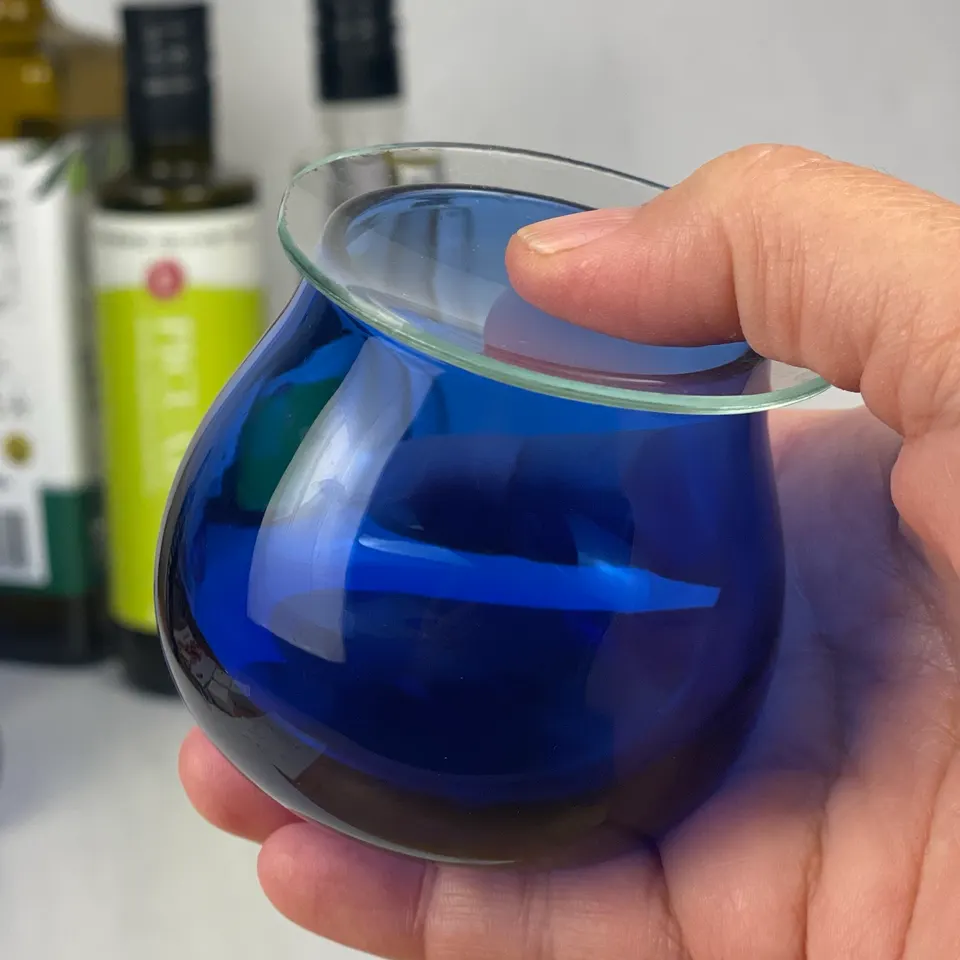
If a fresh oil makes you cough, take it as a compliment.
What makes a good extra virgin olive oil?
Professional panels judge three positive qualities. Fruitiness is the fresh aroma of healthy olives, described as green or ripe. Bitterness is felt on the tongue and is typical of oil from greener olives. Pungency is the peppery catch in the throat. In a good oil the three are in balance: intense oils can be very bitter and peppery, milder ones gentler, but none should taste flat.
Learning to recognise faults is just as useful, because faulty oil is common in shops everywhere:
- Rancid: smells of old nuts, crayons or putty. The oil is old or has been stored in light and heat.
- Fusty: a heavy, fermented smell, like olives left too long before milling.
- Musty: damp and mouldy, from olives stored in poor conditions.
- Winey or vinegary: sour notes from fermentation.
- Flat: no aroma and no bitterness or pepper at all. Not necessarily faulty, but not much pleasure either.
Istrian varieties to look for
Istrian producers grow local varieties such as Buža, Istarska bjelica, Rosinjola and Črnica, along with Italian varieties like Leccino and Pendolino. Many oils are blends, but single-variety oils are increasingly common, and a tasting is a good chance to compare them. Istarska bjelica is known for strong bitterness and pungency; Buža is often softer and fruitier. Ask the producer to pour two varieties side by side, and the difference will be obvious.
Buying and storing oil to take home
- Look for the harvest year. Olive oil is best within a year or so of pressing. Good producers state the harvest clearly.
- Choose dark glass or tins. Light damages oil quickly.
- Keep it cool and dark. Not next to the hob, not on a sunny windowsill. A cupboard away from the oven is ideal.
- Use it. Good oil is not for saving. Once opened, finish it within a couple of months.
- Packing for the flight. Ask the producer to wrap bottles well, or buy tins. Check your airline's rules for liquids in hand luggage.
Above all, use your new skills at the table. Pour a little fresh oil over grilled fish, a bowl of beans, a slice of warm bread or a plate of fuži, and taste how much it brings. Once you have tasted real Istrian oil, it is very hard to go back.