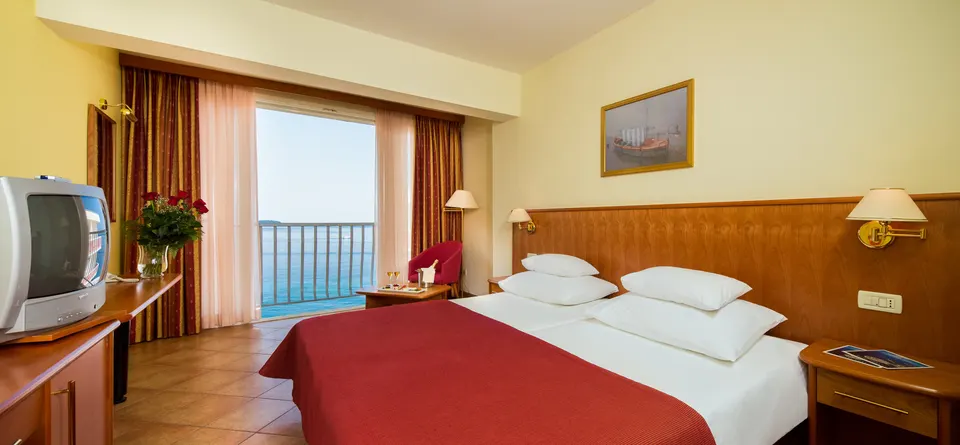
Owning a villa in Istria while living in Munich, Milan or London is entirely possible. It works when the people, the paperwork and the house itself are organised before the season, not during it.
Many villas in Istria belong to people who live somewhere else. They come for a few weeks a year and rent the house out for the rest of the season. From a distance, the villa can feel like a small business you run by phone: guests arriving on Saturday, a broken pool pump on Sunday, a review on Monday that mentions the wobbly dining chair.
It does not have to feel that way. Owners who manage calmly from abroad tend to have three things in place: reliable people on the ground, clear paperwork, and a house that has been prepared to cope with a season of strangers. This guide covers what to organise. It deliberately leaves out prices, because they vary widely by location, size and the level of service you choose.
Who looks after the house when you are not there?
The most important decision is who will be your eyes and hands in Istria. Broadly, owners choose between a property management agency, which handles guests, cleaning and maintenance as a package, and an individual caretaker or a small team they coordinate themselves. Some combine both: an agency or booking platform for reservations and a trusted local person for the house.
Whichever route you take, put the arrangement in writing. Agree who has keys, who may order repairs and up to what limit without asking you, how quickly someone will respond to a guest, and how you will be informed. Ask other owners in the area for recommendations, and meet the people in person before the season if you can.
Paperwork: the general framework
Renting to tourists in Croatia is a regulated activity. In general terms, a property needs to be approved and categorised for tourist rental, guests must be registered, tourist tax applies, and the owner has tax obligations that depend on residency and the type of rental. The details change and depend on your situation, so this is not something to work out from a blog post.
Speak to a Croatian accountant or lawyer who works with foreign owners, and to the local tourist board, before you accept bookings. Our article on renting out your villa in Croatia explains the steps in more detail, and if you have not yet bought, see buying property in Croatia as a foreigner.
Changeovers: the heart of the operation
On a busy Saturday, one team may have only a few hours between the departing and arriving guests. That changeover decides most reviews. Write it down as a checklist that anyone can follow: what is cleaned, what is checked, what is restocked and what is photographed before the door is locked.

- Linen and towels. Enough sets for every bed and guest to allow washing and drying between changeovers, plus spares.
- Consumables. Cleaning products, toilet paper, dishwasher tablets, a few kitchen basics. Decide who restocks and how you are told.
- A quick inspection. Lamps, remote controls, the safe, outdoor cushions, anything broken or missing.
- Photos after cleaning. A few images of each room give you a record if a later guest reports a problem.
Maintenance through the year
A villa by the sea needs regular care even when it is empty. The pool needs cleaning and water treatment throughout the season. The garden needs watering in summer and cutting back in spring. Air conditioning units benefit from servicing before the heat, and shutters, gutters and outdoor lights need checking after winter storms.
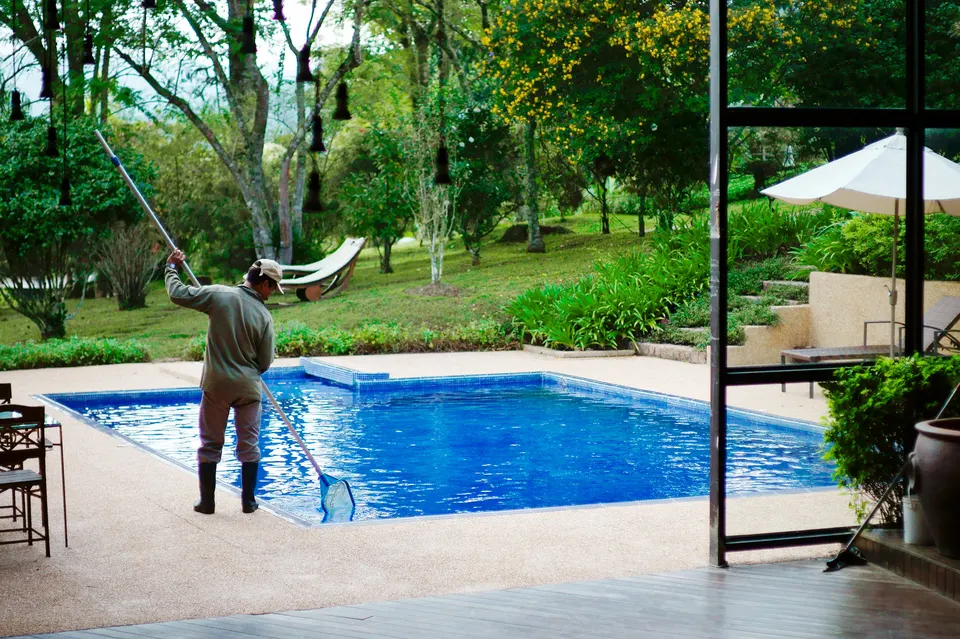
Plan two bigger moments a year. Opening the house in spring: airing every room, checking for damp, testing appliances and water, cleaning outdoor furniture and bringing out cushions. Closing it in autumn: storing textiles dry, protecting outdoor pieces, and deciding who will visit the empty house during winter to check for leaks or storm damage. Our guide to furnishing a villa that survives the season covers what helps the house cope with this rhythm.
Keys, arrival and the welcome
Decide early whether guests are met in person or let themselves in. A personal welcome is warmer and lets someone explain the pool, the shutters and the bins; self check-in is more flexible for late arrivals. Either way, write a clear house guide: how to reach the villa, where to park, how things work, what to do in an emergency and whom to call. Keep it short, keep it in the guests' languages, and keep a printed copy in the house.
The calmest owners are the ones who decided everything before the first guest arrived.
Staying informed without being on call
Agree a simple reporting rhythm with whoever manages the house: a short note after each changeover, immediate contact only for urgent issues, and a fuller review at the end of the season. Keep an inventory of furniture, linen and equipment with photos, so you can see what needs replacing before next year. Shared folders or a basic spreadsheet are usually enough.
Furniture that does not need managing
A surprising share of small emergencies in rental villas comes from furniture: a wardrobe door that drops, a drawer that sticks after a humid week, a bed frame that loosens. Each one means a call, a repair visit and sometimes an unhappy guest. Furniture built for heavy use simply generates fewer of those calls.
Our partner atelier, Lampisa, builds with plywood, not particleboard. Plywood keeps its shape in coastal humidity, holds screws and hinges after repeated use and can be repaired or refinished rather than thrown away. Replacement parts can be ordered later, so a damaged door or drawer front can be renewed without replacing the whole piece. With the from moodboard to render service, you can approve every room as a 3D render from abroad before production starts. Investors furnishing several units can read more on our page for investors.
A short checklist before the season
- Local manager or caretaker chosen, with a written agreement on duties, keys and spending limits.
- Registration, categorisation and tax questions settled with a local accountant or lawyer.
- Changeover checklist written, with enough linen and towels for the busiest weeks.
- Pool, garden, air conditioning and outdoor lighting serviced.
- House guide written and translated; emergency contacts in place.
- Inventory with photos; furniture checked and repaired before the first guest.