Wet swimsuits, sandy feet, early mornings and late dinners. A holiday home for families has to be relaxed for children and restful for adults.
A family holiday is a strange mixture of rhythms. Children wake early and want the pool by nine. Adults want a slow coffee on the terrace. At lunch everyone is hungry at once, in the afternoon someone needs a nap in a dark room, and in the evening the children are still awake when the grown-ups sit down to dinner. A holiday home that works for families is one that lets all of this happen at the same time without anyone tripping over anyone else.
This applies whether the house is your own summer home or a villa you rent to families. Parents choose holiday homes carefully, and they notice the details that make a week easy or hard. Getting those details right is less about buying special children's furniture and more about thinking clearly about layout, materials and storage.
How should the layout work for children and adults?
The best family houses have zones. A loud zone, usually the kitchen, dining area and terrace, where everyone gathers and where noise is expected. A quiet zone with bedrooms, set back from it, where a child can nap or an adult can read. And ideally a transition between the garden and the house: a covered entrance, a bench and an outdoor shower, so sand and chlorine stay outside.
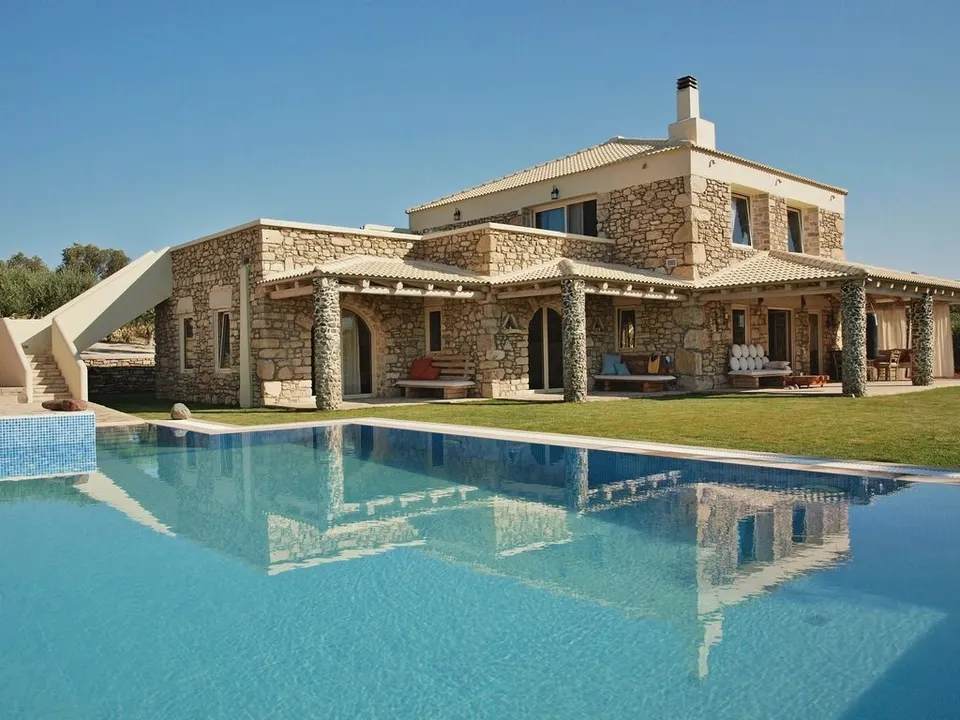
Sightlines matter too. Parents relax when they can see the pool or the garden from the kitchen and the terrace. If you are planning or renovating, think about where the main table sits relative to the water, and whether a parent cooking dinner can see what is happening outside. When you are building a pool, our guide to designing a pool for a holiday villa covers this together with the safety questions you should discuss with your architect.
What makes a good children's bedroom in a holiday home?
Flexibility. Families come in many shapes: two toddlers one week, three teenagers the next, cousins sharing a room in August. A room with two single beds that can be pushed together, or a bunk bed with a solid guard rail and a fixed ladder, adapts to most of them. A pull-out bed under a single bed adds a sleeping place without taking floor space during the day.
- Blackout blinds or shutters. Afternoon naps and early summer sunrises make darkness essential.
- Low hooks and open shelves. Children can hang their own swimsuits and find their own things.
- A small lamp by every bed. For bedtime stories and night-time trips to the bathroom.
- Rounded corners and stable furniture. Tall pieces such as wardrobes and bookcases should be fixed to the wall.
- Washable textiles. Covers, rugs and cushions that go in the machine and come out looking the same.
Which furniture survives a family summer?
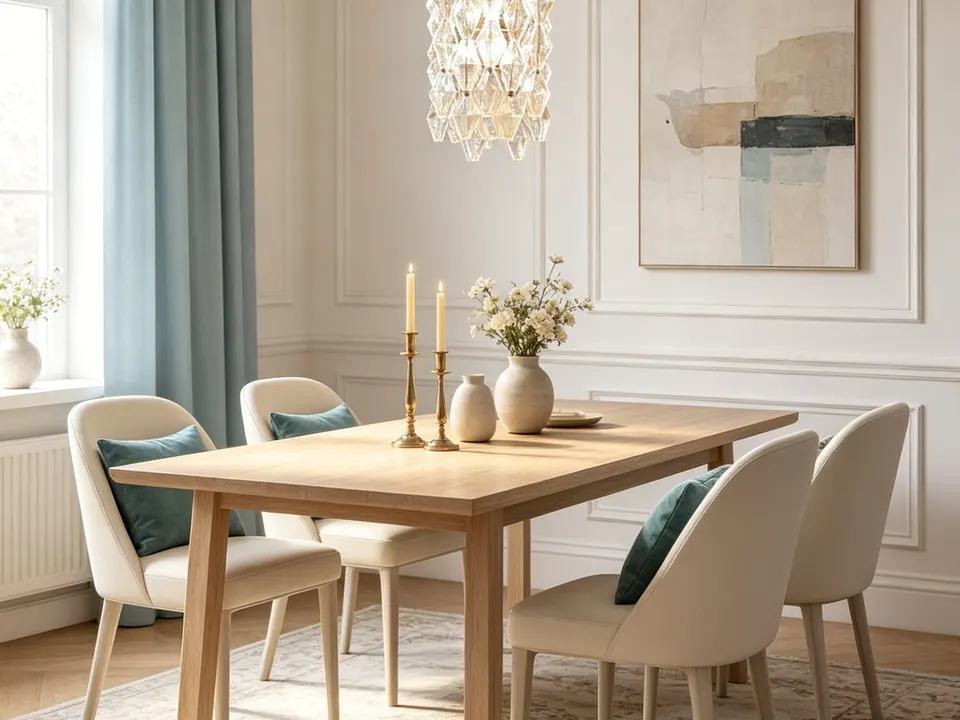
Children are honest testers. They climb on chairs, drag them across stone floors, put wet towels on the sofa and use the dining table as an art studio. Furniture for a family house needs a strong structure, surfaces that clean easily and joints that can be tightened rather than replaced.
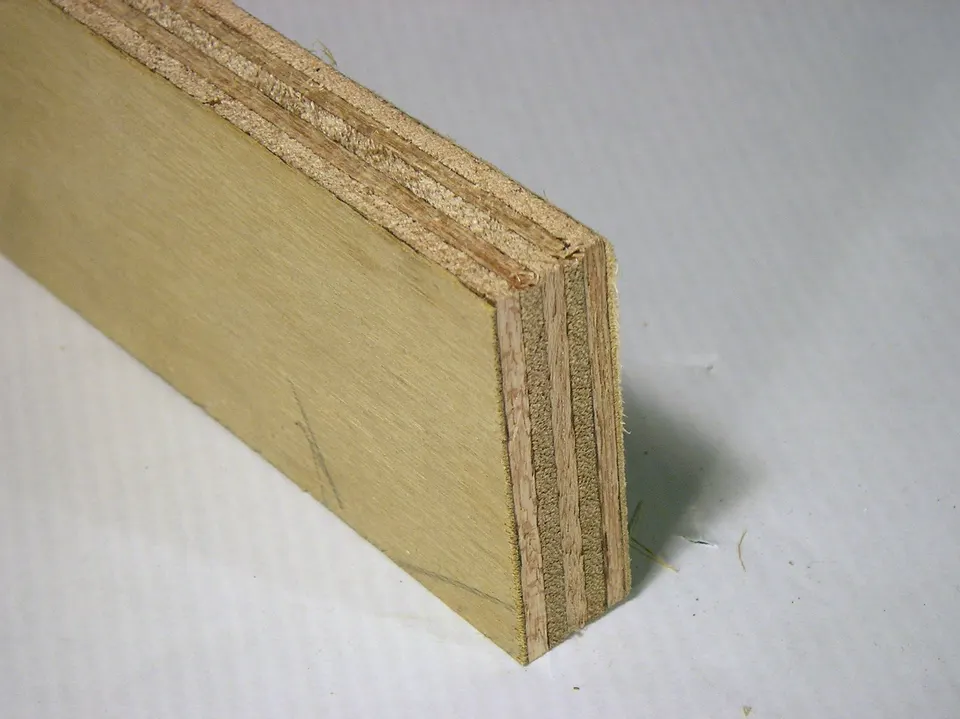
This is why the material inside the furniture matters more than the finish. Lampisa, the atelier we work with, builds in plywood rather than particleboard. Plywood holds screws and hinges after years of use, copes better with humidity and can be repaired: a damaged panel can be refinished or replaced instead of throwing away the whole piece. Our article on plywood or particleboard explains the difference in detail.
For upholstery, choose removable, washable covers and mid-tone or patterned fabrics that do not show every mark. For tables, a robust, wipeable surface is worth more than a delicate one you will spend the holiday protecting. A long dining table with a bench on one side is especially good with children: it seats more of them, and they can get in and out without moving a heavy chair.
Design for the wet swimsuit on the sofa, not for the photograph. The photograph will follow.
Where does all the beach gear go?
Every family brings inflatables, buckets, snorkels, goggles, sun cream and more towels than seems possible. Without a place for them, they end up across the terrace and the living room. Plan a dedicated spot near the garden door: deep shelves or a cupboard for toys, hooks for towels and a ventilated space where wet things can dry. A large basket per family member is a simple trick that keeps sand out of the bedrooms.
Inside, the same principle applies. If there is no obvious home for toys, they will live on the floor. A low cupboard or a bench with storage in the living room lets children tidy up in a minute and gives the adults their evening back. For more ideas, see our piece on storage in a villa.
What about safety?
Safety in a holiday home is mostly about anticipating what children will do in a place they do not know. Stairs, terrace edges, windows that open wide, glass doors and, above all, the pool deserve attention. Pool fencing, alarms and covers, railing heights and the type of glass in doors are technical decisions with rules behind them, so discuss them with your architect or builder rather than improvising. If you rent the house, ask a local adviser what is expected of you as a host.
Some measures are simple and worth doing in any case: fix tall furniture to the wall, put socket covers in children's rooms, keep cleaning products in a high or lockable cupboard, and provide a sturdy step stool in the bathroom so small children do not climb on the basin.
Checklist: a family-ready holiday home
- A clear loud zone and quiet zone, with bedrooms away from the terrace.
- An outdoor shower and a place to leave sand and wet things before coming in.
- Children's rooms with darkness, low hooks, bedside lamps and flexible beds.
- Furniture with a solid structure, washable covers and repairable parts.
- A dedicated, ventilated spot for beach gear and towels.
- Pool and stair safety planned with an architect, not added at the end.
- A high chair, a travel cot and a step stool available on request, if you rent the house.
A house that works for children is, almost always, a house that works better for adults too. Fewer things to worry about, fewer rules to repeat, more time at the table. If you are planning a stay in the region with children, our guide to Istria with children has ideas for the days away from the pool.