In Istria, the pool is often the heart of a holiday villa. Getting it right is less about size and more about sun, wind, privacy and what happens around the water.
Ask holiday guests in Istria what they remember about a villa and the pool will come up early. It is where mornings start and long afternoons end, where children spend whole days and where evenings are spent with a glass of Malvazija. For many owners it is also the single feature that matters most when a house is rented.
That is exactly why a pool deserves more thought than a shape on a site plan. The best ones are planned together with the house, the terrace and the garden, not added at the end.
Where should the pool go?
Start with the sun. A pool that catches the afternoon and evening sun will be warmer and used longer into the shoulder seasons, when many of the most pleasant weeks in Istria fall. Then think about wind: the bura from the north-east can be strong and cold, and a wall, a building or planting on that side makes a real difference to comfort.
Privacy comes next. Guests relax when they are not overlooked by neighbours or the road. Finally, consider the view from inside: a pool seen from the living room and kitchen becomes part of the interior, especially when lit at night. Keep it within easy reach of a shower, a toilet and a shaded seating area, so wet feet do not cross the whole house.
What size makes sense?
Size should follow use. A family villa needs space to play and a generous shallow area; a house for couples may prefer a longer, narrower pool for swimming. Wide steps or a shallow bench are often the most used part of the whole pool, because people sit there to talk. Bigger is not automatically better: a larger pool costs more to build, heat and maintain, and takes space from the terrace and garden.
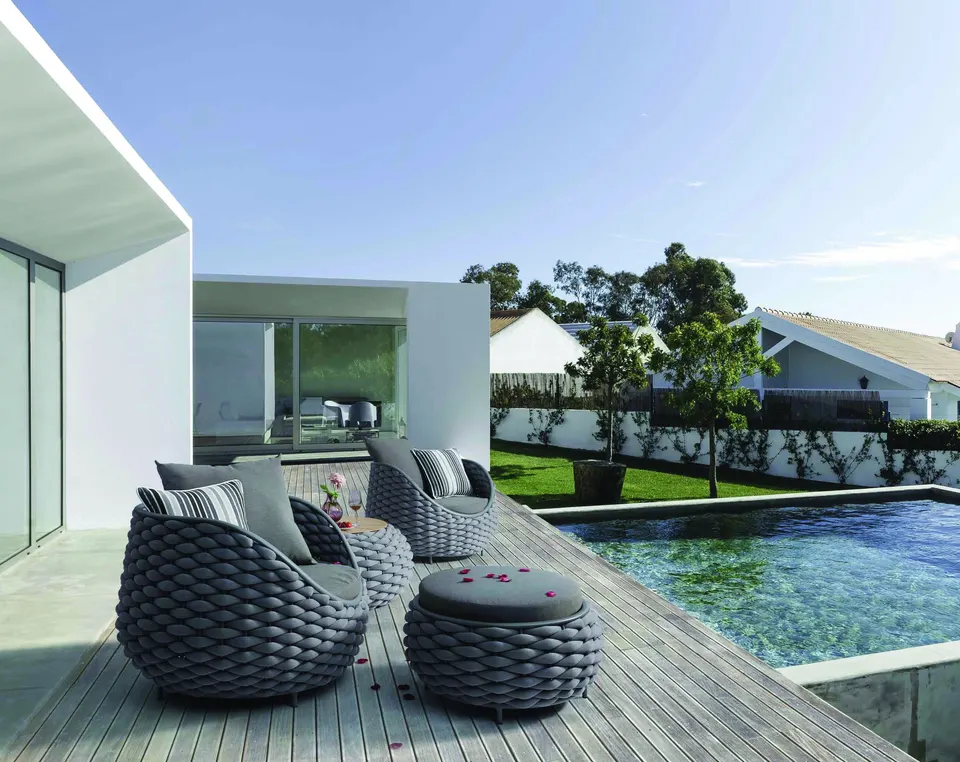
Infinity edge or classic skimmer?
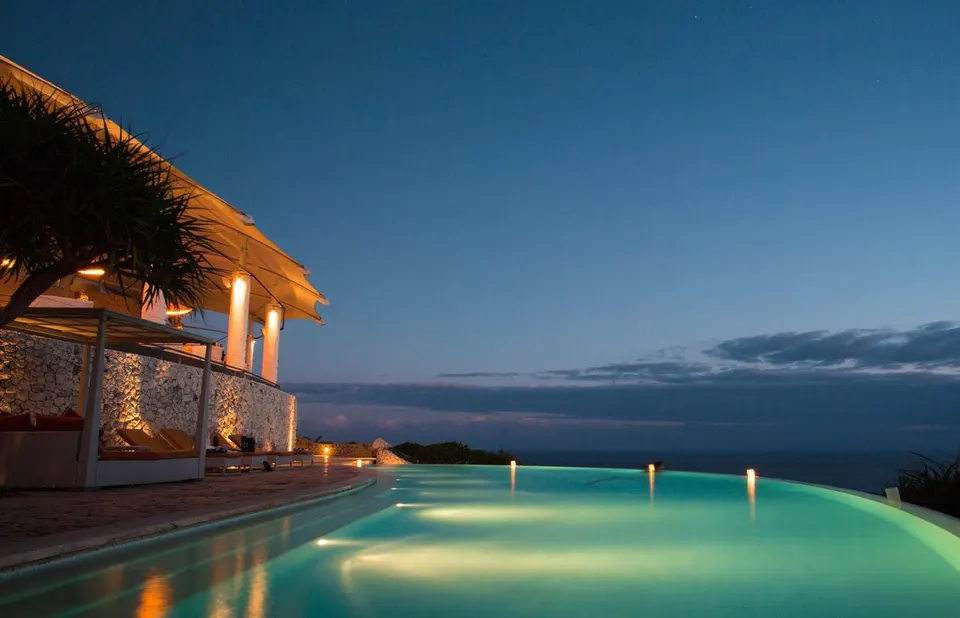
An infinity or overflow edge, where water spills over one side into a hidden channel, is spectacular on a slope facing the sea. It is also more complex: it needs a balance tank, more precise construction and careful levelling. A classic skimmer pool, where the water sits a little below the edge, is simpler and still very elegant when the coping and surroundings are well detailed. On a flat plot without a view, the infinity edge loses much of its point.
The best pools are planned together with the house, the terrace and the garden, not added at the end.
Finishes that suit the Istrian light
The colour of the pool interior changes the colour of the water. Light finishes give a bright turquoise; grey or sand tones give a softer, more natural look that sits well with stone and olive trees. Mosaic, tiles and other systems each have their own feel and upkeep, and your pool builder can explain the trade-offs.
Around the pool, choose coping and paving that stay comfortable under bare feet in July and are not slippery when wet. Pale natural stone is a traditional choice in Istria. Ask your supplier whether the stone you like is suitable for the water treatment you plan; some stones react badly to certain chemicals or salt systems.
Heating, covers and water treatment
A heated pool extends the season in spring and autumn, which matters a lot for rentals. Heat pumps are a common way to do it, and they work best together with a cover that keeps heat in overnight. Covers also reduce evaporation, keep leaves out and, in some designs, add safety. We look at heat pumps and solar more broadly in the energy-efficient villa.
For water treatment, owners choose between chlorine, salt systems and other methods. Each has advantages, and the right one depends on how the pool is used and maintained. Whatever you choose, plan a proper, ventilated, accessible plant room for the filters and equipment, not a cupboard nobody can reach.
Think about planting as well. Trees that shed leaves, needles or resin close to the water mean more cleaning and work for the filters. Olive trees, lavender and other Mediterranean plants set a little back from the edge give character without filling the skimmer every afternoon.
Pool design checklist
- Permits first. Ask your architect whether the pool needs a permit and how it fits the spatial plan.
- Sun and wind. Afternoon sun, shelter from the bura, and privacy from neighbours.
- Shallow areas. Wide steps or a bench are used more than any other part of the pool.
- Safety. Think about children: fencing, covers or alarms as appropriate.
- Maintenance access. A proper plant room and a clear plan for who looks after the pool.
- Lighting. Underwater lights and soft lighting around the terrace for evenings.
- Shade nearby. A pergola or umbrellas within a few steps of the water.
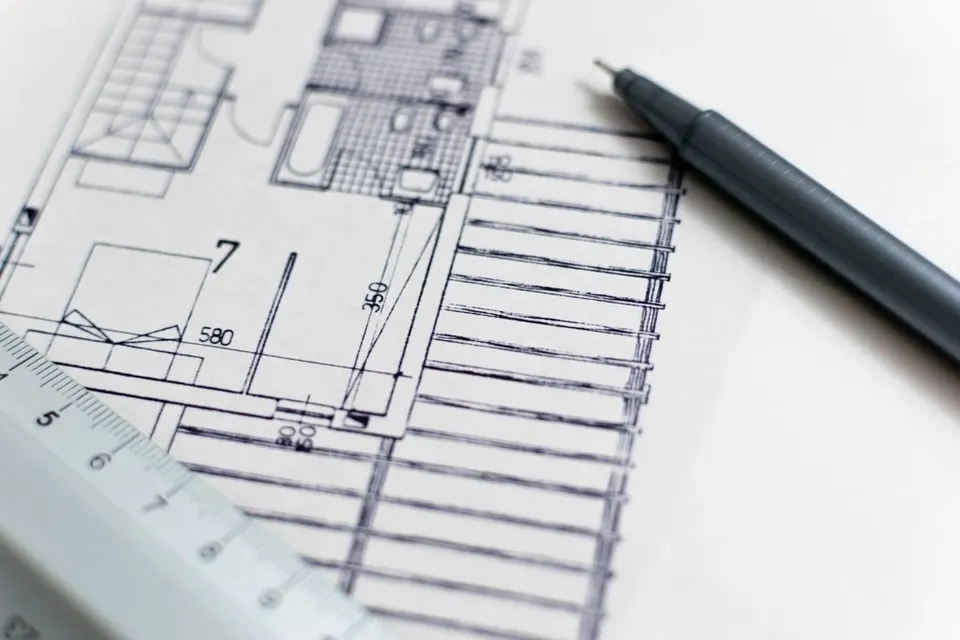
The space around the water
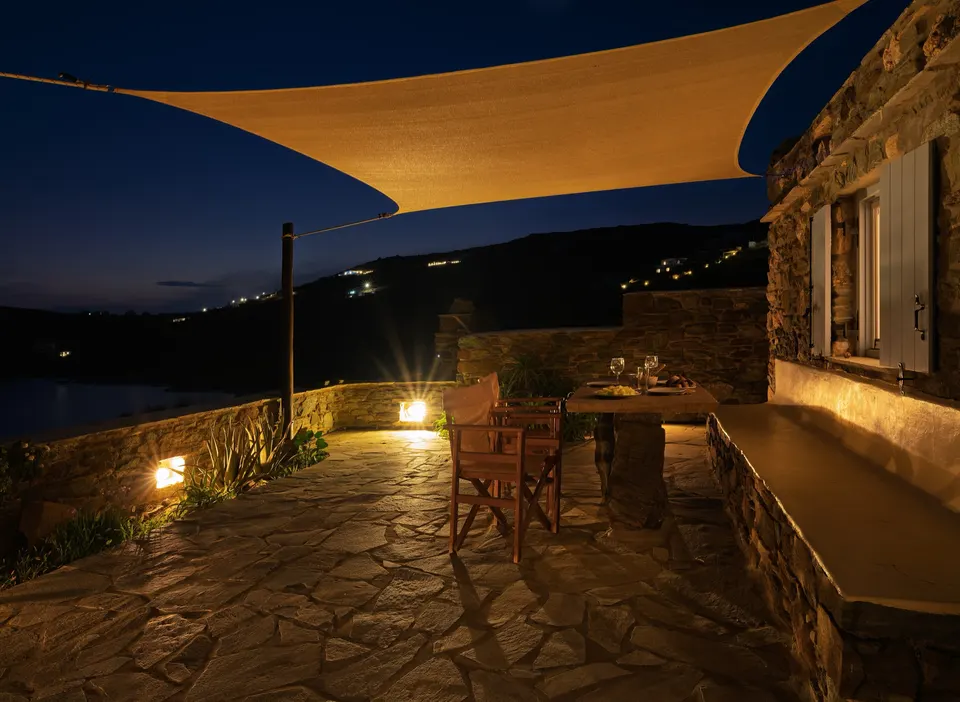
A pool is only as good as the place to sit beside it. Plan sunbeds, a shaded lounge, a table for long lunches and somewhere to leave towels and drinks. Outdoor furniture by a pool lives with sun, chlorine or salt, and wet swimsuits every day of the summer, so materials matter. Our article on materials that live with sea salt and sun explains what lasts.
The atelier Lampisa helps owners plan the whole outdoor area: from a moodboard to a 3D render of the terrace and pool, followed by outdoor furniture and lighting chosen for coastal conditions. It is easier to get the sizes right when the furniture is planned at the same time as the paving.